

 Pregledaj u prostoru
 Pošalji
 Podeli
 Detalji o delu
 Vodič
Vodič

 Preuzmi
 Slični predmeti
 Rendgenski snimak
 Automatska prezentacija
 Pitanja i odgovori
 Statistika
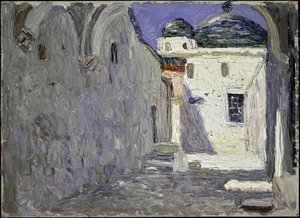
Tunisia

- 19.0 x 26.0 cm


Edgar Wood (1860-1935) was a prominent British architect & artist of the Arts and Crafts movement. Known for domestic designs, churches, & masterful use of vernacular Lancashire styles. Discover his legacy & influence on Manchester architecture!
 Pročitaj više
Giclee štampa / Umetnički otisak
Giclée štampa ili print na platnu muzejskog kvaliteta uz brzu izradu i raznovrsne opcije završne obrade. ( Kupite ručno oslikano delo Pređi na digitalnu sliku)




































Standardne dimenzije
po meri
CM
INCH
Izaberite jednu od naših unapred definisanih veličina koje odgovaraju originalnim proporcijama umetničkog dela.
Loading sizes...

širina
visina
Unesite željenu širinu i visinu kako bi se štampa uklopila u vaš ram ili zid. Štampu je moguće samo iseći, ali nikada povećati iznad dimenzija originalne slike, stoga format sa drugačijim proporcijama uzrokuje gubitak dela slike. Pre početka štampe, poslaćemo vam digitalni prikaz radi potvrde. Slika prikazana na ovoj stranici ne predstavlja stvarni isrez — to pokazuje samo digitalni prikaz.
Dostava širom sveta () za 2 nedelje umesto uobičajenih 4/5 nedelja. (7 новембар)

Besplatna ekspresna dostava širom sveta

Visokokvalitetno laneno platno

Potpuno osiguranje transporta

Garancija povraćaja carine i uvoznih dažbina

Garancija vernosti boja

Politika povraćaja u roku od 100 dana (samo u slučaju nedostataka)

Garancija povrata 100% novca

Popust na više proizvoda
 Opcija sa staklom dostupna je samo za dimenzije manje od 110 cm

Tunisia
Giclee štampa / Umetnički otisak
Dimenzije reprodukcije
-


Ukupna cena
дин 7333
Srodna umetnička dela




Biografija umetnika
The Architect of the Arts and Crafts Movement
Born into the industrial heart of Middleton on May 17, 1860, Edgar Wood emerged as a defining figure of the British Arts and Crafts movement. His life was shaped by the tension between tradition and individual ambition; while his father, a strict mill owner, envisioned a future for Edgar within the family cotton business, the young man possessed an irrepressible artistic spirit. This early conflict eventually yielded to a compromise that would define his legacy: he would train as an architect, allowing him to marry structural precision with the soulful, decorative aesthetics of a true artist. Educated at the local Queen Elizabeth Grammar School, Wood’s path was paved through his articles at Mills and Murgatroyd, a prestigious Manchester firm where he honed the technical mastery that would later allow him to breathe life into stone and timber.
Wood's creative philosophy was deeply rooted in the vernacular traditions of Lancashire. Unlike architects who sought to impose grand, foreign styles upon the landscape, Wood found beauty in the local, the domestic, and the tactile. His work is characterized by a profound respect for materials and a desire to integrate architecture with the natural environment. As a proponent of the Arts and Crafts movement, he championed the idea that every element of a building—from its structural bones to its smallest ornamental detail—should be crafted with care and integrity. This devotion to craftsmanship saw him focusing primarily on smaller-scale projects, such as domestic residences and churches, which allowed him to maintain personal control over the design process and ensure that his artistic vision remained uncompromised.
A Legacy Carved in Lancashire
The breadth of Wood's influence extended far beyond the borders of a single city, though Manchester remained his spiritual and professional anchor. His architectural footprint can be found scattered across the towns of Rochdale, Oldham, and Middleton, as well as in more outlying districts like Bramhall and Hale. Through his work, he transformed the local landscape, creating buildings that felt both timeless and deeply connected to their surroundings. His contributions were not merely structural but also communal; as a founder of the Northern Art Workers' Guild in 1896, he helped foster a vibrant ecosystem for provincial artists, ensuring that the spirit of craftsmanship would endure in the North of England.
Wood’s professional achievements were marked by leadership and recognition within his field. His tenure as President of the Manchester Society of Architects from 1911 to 1912 stands as a testament to the respect he commanded among his peers. Even as the architectural landscape shifted toward more modern, industrial styles in the early 20th century, Wood remained steadfast in his commitment to the principles of beauty and utility. Today, his legacy is preserved through the many listed buildings that stand as monuments to his skill. To study the work of Edgar Wood is to witness a masterclass in how architecture can serve as an extension of the human soul, blending the ruggedness of industrial Lancashire with the delicate elegance of fine art.

Edgar Wood
1860 - 1935
Osnovne informacije
- Full Name: Edgar Wood
- Nationality: British
- Date Of Birth: 1860
- Date Of Death: 1935
- Artistic Movement Or Style: Arts and Crafts movement
- Artists Or Movements Influenced By This Artist: Arts and Crafts movement