

 Pregledaj u prostoru
 Pošalji
 Podeli
 Detalji o delu
 Vodič
Vodič

 Preuzmi
 Slični predmeti
 Rendgenski snimak
 Automatska prezentacija
 Pitanja i odgovori
 Statistika
Berthe Morisot


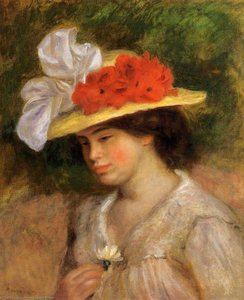
This photograph showcases Édouard Manet’s etching depicting Berthe Morisot. The composition centers on Morisot’s portrait adorned with an elaborate hat featuring feathers and ribbons—a hallmark of Impressionistic style characterized by loose lines and subtle detail. Manet's meticulous technique aims to convey a moment in time, reflecting the spirit of Parisian life during his era.
 Pročitaj više
Otkrijte života i dela Édouarda Maneta (1832-1883), ključne figure između realizma i impresionizma! Istražite ikonična dela poput 'Ručka na livadi' i 'Olimpija', i njegov trajni uticaj na moderno umetnost.
Giclee štampa / Umetnički otisak
Giclée štampa ili print na platnu muzejskog kvaliteta uz brzu izradu i raznovrsne opcije završne obrade. ( Kupite ručno oslikano delo Pređi na digitalnu sliku)




P118B дин10

P118H дин10

P118W дин10

P438Z дин10

P508JH дин12

P508YH дин12

P805H дин10

P805Z дин10

P919BZ дин10

P919G дин10

P919XJ дин10

P959ZH дин10

P968JZ дин12

W106C дин8

W218G дин10

W218JH дин8

W218Y дин10

W307PJ дин10

W316G дин10

W316PJ дин8

W316Y дин10

W398PJ дин8

W4111J дин10

W500HY дин15

W500JH дин15

W692G дин12

W849H дин8

W940BG дин15

W953PJ дин8




Standardne dimenzije
po meri
CM
INCH
Izaberite jednu od naših unapred definisanih veličina koje odgovaraju originalnim proporcijama umetničkog dela.
Loading sizes...

širina
visina
Unesite željenu širinu i visinu kako bi se štampa uklopila u vaš ram ili zid. Štampu je moguće samo iseći, ali nikada povećati iznad dimenzija originalne slike, stoga format sa drugačijim proporcijama uzrokuje gubitak dela slike. Pre početka štampe, poslaćemo vam digitalni prikaz radi potvrde. Slika prikazana na ovoj stranici ne predstavlja stvarni isrez — to pokazuje samo digitalni prikaz.
Dostava širom sveta () za 2 nedelje umesto uobičajenih 4/5 nedelja. (6 новембар)

Besplatna ekspresna dostava širom sveta

Visokokvalitetno laneno platno

Potpuno osiguranje transporta

Garancija povraćaja carine i uvoznih dažbina

Garancija vernosti boja

Politika povraćaja u roku od 100 dana (samo u slučaju nedostataka)

Garancija povrata 100% novca

Popust na više proizvoda
 Opcija sa staklom dostupna je samo za dimenzije manje od 110 cm

Berthe Morisot
Giclee štampa / Umetnički otisak
Dimenzije reprodukcije
-


Ukupna cena
дин 7339
A Glimpse Through the Etching
The world settles into a quiet, grainy stillness as we look upon this portrait of Berthe Morisot. She sits within an interior space, her presence anchored by a gaze that drifts outward, meeting the viewer with a sense of contemplative calm. There is a certain weight to her expression, a thoughtful pause in the middle of a busy afternoon. Around her, the edges of the room begin to dissolve; figures linger in the background, their forms blurred and indistinct, as if they are mere echoes of a passing moment. The light does not strike the scene with harsh clarity but instead filters through a soft, diffused haze, settling upon the textures of her clothing and the elaborate architecture of her hat.
The hat itself commands attention, heavy with the delicate textures of feathers and ribbons. It rests upon her head like a crown of social grace, yet its very complexity hints at the layers of identity she carries. Beneath the brim, strands of hair escape in loose, energetic lines, adding a sense of movement to an otherwise stationary pose. The atmosphere feels thick with the quietude of the Belle Époque, a moment caught before the next breath or movement breaks the spell.
The Language of Line and Shadow
Every mark on this surface tells a story of deliberate spontaneity. Using the etching technique, the artist employs rapid, sketchy strokes that prioritize feeling over photographic precision. There is no attempt to smooth away the process; instead, the visible, biting lines of the etching create a sense of depth through tonal variation alone. The shadows are not solid blocks but are built from layers of fine, intersecting marks that suggest form and volume. This approach rejects the polished, seamless finish of academic tradition in favor of something much more immediate and raw.
The palette remains muted, leaning into the monochromatic depths of black and white to emphasize light and shadow. This lack of color forces the eye to wander through the textures—the grain of the paper, the sharpness of a silhouette, and the soft, feathered edges of the subject's attire. It is an impressionistic way of seeing, where the artist captures the ephemeral quality of light rather than the rigid boundaries of objects. The composition feels flattened, pulling the viewer closer to the subject, making the encounter feel personal and direct.
A Portrait of Identity
Beyond the technical execution, there is a deeper resonance within this depiction of Morisot. The elaborate adornments of her hat speak to the social status and feminine expectations of her era, yet her intense, inward-looking gaze suggests a mind far removed from mere decoration. There is a quiet tension here between the outward symbols of her station and the private, intellectual world reflected in her eyes. She exists as both a subject of beauty and a person of profound thought.
The way the lines delineate her face and hair creates an impression of life that is fleeting and fragile. It reminds us that this is a study of a living soul, captured during a period of great artistic rebellion when painters were beginning to break free from established rules to find new ways of portraying modern existence. The emotional impact lies in this very intimacy—the feeling that we are witnessing a private moment of introspection, preserved forever in the delicate, etched grooves of the plate.
Pitanja i odgovori
Koji umetnički pravac pripada delu "Berthe Morisot"?
„Berthe Morisot“ je delo Impressionism pokreta. Ovaj pokret označava umetničku tradiciju kojoj je delo pripada.
Da li je „Berthe Morisot”, autor Едуар Мане svetlo ili tamno umetničko delo?
Percepcija osvetljenosti dela „Berthe Morisot”, autor Едуар Мане iznosi brilliant. Može se prilagoditi svetlosti predviđenog prostora.
Da li je "Berthe Morisot" u celini svetliji ili tamniji?
Za delo „Berthe Morisot”, autor Едуар Мане zabeležena je osvetljenost od brilliant, uz luminancu od Luminous.
Srodna umetnička dela


Biografija umetnika
Париски бунтовник: Живот и дело Едуарда Манеа
Едуард Мане, рођен 1832. године у Паризу из удобне буржоаске породице, готово да није био предодређен за живот револуционарног уметника. Његов отац, угледни судија, замислио је сигурну будућност за свог сина у праву или можда морнарици – поштована занимања која одговарају њиховом друштвеном статусу. Ипак, чак и као млади дечак, Манеово срце је припадало уметности. С једанаест година започео је формалну наставу цртања, а иако је кратко време био заједнички са академским сликаром Томасом Кутуром, брзо је открио да су Кутурове ригидне методе задушавајуће. Ова рана отпорност предзнаменовала је живот проведен у изазовима уметничких конвенција. Мане није био заинтересован за једноставно реплицирање прошлости; тражио је да ухвати ваибрираност – а понекад и непријатне стварности – модерног париског живота. Често је посећивао Лувр, не само да би копирао Старе мајсторе, већ и да би анализирао њихове технике, учећи од уметника као што су Каравађо и Веласкез како светлост и сенка могу обликовати форму и будити емоције. Међутим, права прекретница у Манеовом стварачком путу била је промена у уметничким струјањима, посебно успон реализма који је заговарао Гюстав Курбе. Курбеов нагласак на приказивању сваког дана без идеализације дубоко је резоновао са Манеом, ослобађајући га од ограничења историјских или митолошких тема.Преламање с традицијом: Скандал и иновација
Педесетих година деветнаестог века био је период интензивне уметничке бурности у Паризу, а Мане се нашао у самом центру тога свега. Долазак јапанских штампа – *укијо-е* – продубио је његову естетску осетљивост. Завладали су га њихови спљоштени перспективе, смеле композиције и запањујуће употребе боја, елементи који ће постати обележја његовог стила. Овај утицај, у комбинацији са његовим растућим одбацивањем академског сјаја, довео је до дела која су шокирала и скандалисала париски свет уметности. Le Déjeuner sur l'herbe (Ручак на трави), изложен на Salon des Refusés 1863. године – изложба за радове одбијене званичног салона – постао је праштање контроверзи. Слика, која приказује голу жену лежерно пикничи са два потпуно обучена мушкарца, није била само о голутији; било реч о томе *како* је та голутија представљена. Манеове фигуре нису имале идеализоване облике и митолошки контекст традиционалних голића. Они су били несумњиво модерни, суочавајући гледаоца са непријатним директношћу. Скандал око Ручка на трави само се продубио његовим мајсторским делом из 1865. године, Олимпијом. Ова слика, делимична реинвенција Тицијанове *Венерине Урбина*, представила је савремену проститутку која смело гледа у гледаоца. Непосредни реализам и провокативна тема наишла су на општу осуду. Критичари су оптужили Манеа за вулгарност и уметничку неспособност, али испод беса легала је претвaра да је он фундаментално мењао језик сликарења.Прелазак на импресионизам: Светлост, кретање четкицом и савремени живот
Иако никада није у потпуности прихватио ознаку „импресиониста“, његов утицај на покрет био је несумњив. Делио је њихов одбацивање академских конвенција и њихову посвећеност снимању мимотретних ефеката светлости и атмосфере. Излагао је заједно са Монеом, Реноаром, Дегасом и другима на независним изложбама импресиониста, што је учврстило његову позицију кључне фигуре у авангарди. Манеова техника се развијала према слободнијим потезима четкицом, који су приоритет дали утиску форме уместо прецизних детаља. Експериментисао је са бојом, често користећи оштре контрасте како би створио драматичне ефекте. Поред скандалозних голића, Мане је истраживао широк распон тема: портрете – укључујући запањујуће приказе његове жене Сузан и уметника Емила Зола; сцене париског ноћног живота, као што је A Bar at the Folies-Bergère, који мајсторски снима елиминацију и спектакл модерног урбаног живота; и интимне кућне сцене. Он није само документовао ове предмете; он их је испитивао, постављајући питања друштвеним нормама и изазивајући конвенционална схватања лепоте.Наслеђе и трајни утицај
Превремени Манеов одлазак 1883. године због сифилиса прекинуо је каријеру која је већ непромењиво променила ток историје уметности. Иако се његов углед знатно повећао након смрти, његов утицај је одмах осетила млађа генерација уметника који су га препознали као ослободилаца. Разбио је баријере, изазивајући традиционална схватања тема, техника и уметничких циљева.- Његов нагласак на снимању савременог живота отворио је пут импресионизму и поствумпресионизму.
- Његова иновативна употреба кретања четкицом и боје утицала је на генерације сликара.
- Његова спремност да се суочи са непријатним истинама о друштву приморала је гледаоце да преиспитају сопствена претпоставке.

Едуар Мане
1832 - 1883 , Француска
Osnovne informacije
- Datum Rođenja: 23. januar 1832.
- Datum Smrti: 1883.
- Mesto Rođenja: Pariz, Francuska
- Nacionalnost: Francuski
- Pokreti/Umetnici Uticajem:
- Klod Monet
- Pjer Ogust Renoir
- Edgar Degas
- Puno Ime: Édouard Manet
- Umetnički Pokret: Realizam, Impresionizam
- Uticali Umetnici:
- Karavagio
- Diego Velázquez
- Gustave Courbet
- Značajna Dela:
- Le Déjeuner sur l'herbe
- Olympia
- A Bar at the Folies-Bergère
Povezani članci

10 Iconic Etchings That Revolutionized the World of Art
Journey through history with 10 legendary etchings that redefined art. From Rembrandt to Goya, explore the stories behind these timeless masterpieces and find museum-quality reproductions for your decor. Discover all masterpieces on TopImpressionists.com.

10 Masterpieces Defined by the Magic of Cobalt Violet
Immerse yourself in the enchanting allure of cobalt violet. Explore 10 iconic masterpieces, from Impressionist classics to modern marvels, and learn the stories behind their vibrant hues. Find museum-quality art reproductions for your decor. Discover all masterpieces on TopImpressionists.com.
Istražite umetnička dela organizovana prema temama, stilovima i karakteristikama.


