
 Pregledaj u prostoru
 Pošalji
 Podeli
 Detalji o delu
 Vodič
Vodič

 Preuzmi
 Slični predmeti
 Rendgenski snimak
 Automatska prezentacija
 Q&A
Q&A Statistika
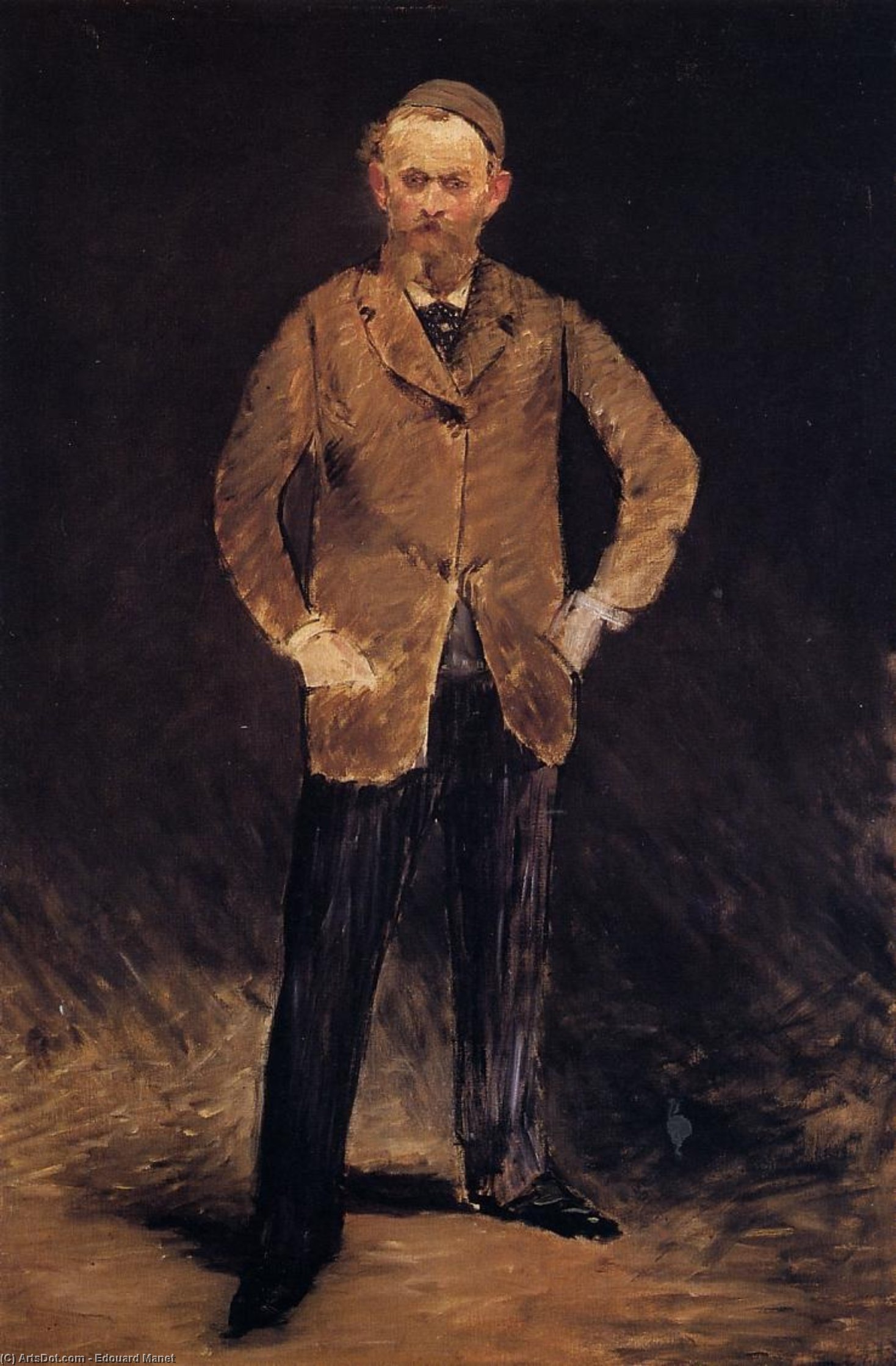
Портрет Едуарда Мане са шлемом


Истражите интроспективни портрет Едуарда Мане са шлемом (1878). Уметност и култура касног 19. века су се мешале у стилу и временској ери реалне слике и импресионизма.
 Pročitaj više
Otkrijte života i dela Édouarda Maneta (1832-1883), ključne figure između realizma i impresionizma! Istražite ikonična dela poput 'Ručka na livadi' i 'Olimpija', i njegov trajni uticaj na moderno umetnost.
Giclee štampa / Umetnički otisak
Giclée štampa ili print na platnu muzejskog kvaliteta uz brzu izradu i raznovrsne opcije završne obrade. ( Kupite ručno oslikano delo Pređi na digitalnu sliku)




P118B дин10

P118H дин10

P118W дин10

P438Z дин10

P508JH дин12

P508YH дин12

P805H дин10

P805Z дин10

P919BZ дин10

P919G дин10

P919XJ дин10

P959ZH дин10

P968JZ дин12

W106C дин8

W218G дин10

W218JH дин8

W218Y дин10

W307PJ дин10

W316G дин10

W316PJ дин8

W316Y дин10

W398PJ дин8

W4111J дин10

W500HY дин15

W500JH дин15

W692G дин12

W849H дин8

W940BG дин15

W953PJ дин8




Standardne dimenzije
po meri
CM
INCH
Izaberite jednu od naših unapred definisanih veličina koje odgovaraju originalnim proporcijama umetničkog dela.
Loading sizes...

širina
visina
Unesite željenu širinu i visinu kako bi se štampa uklopila u vaš ram ili zid. Štampu je moguće samo iseći, ali nikada povećati iznad dimenzija originalne slike, stoga format sa drugačijim proporcijama uzrokuje gubitak dela slike. Pre početka štampe, poslaćemo vam digitalni prikaz radi potvrde. Slika prikazana na ovoj stranici ne predstavlja stvarni isrez — to pokazuje samo digitalni prikaz.
Dostava širom sveta () za 2 nedelje umesto uobičajenih 4/5 nedelja. (1 новембар)

Besplatna ekspresna dostava širom sveta

Visokokvalitetno laneno platno

Potpuno osiguranje transporta

Garancija povraćaja carine i uvoznih dažbina

Garancija vernosti boja

Politika povraćaja u roku od 100 dana (samo u slučaju nedostataka)

Garancija povrata 100% novca

Popust na više proizvoda
 Opcija sa staklom dostupna je samo za dimenzije manje od 110 cm

Портрет Едуарда Мане са шлемом
Giclee štampa / Umetnički otisak
Dimenzije reprodukcije
-


Ukupna cena
дин 7188
Self-Portrait with Skull-Cap: A Glimpse into Manet's World
Edouard Manet’s Self-Portrait with Skull-Cap, painted in 1878, is a captivating work that offers a rare and intimate look at the artist himself. More than just a likeness, it’s a statement about artistic identity, evolving styles, and the complexities of late 19th-century Parisian life. The painting resides within the Bridgestone Museum of Art in Japan.
Composition and Technique
The portrait depicts Manet standing against a stark black background. He is formally dressed in a dark suit and tie, his posture conveying both confidence and a subtle introspection. A distinctive brown skull-cap adorns his head, a deliberate nod to Renaissance masters like Titian and Filippino Lippi – artists he greatly admired. The composition is relatively simple, focusing attention squarely on the artist's face and upper body. Two other figures are faintly visible in the background, adding depth but remaining secondary to Manet’s presence. Manet employed oil paints on canvas, utilizing a technique that blends traditional portraiture with emerging Impressionistic sensibilities. His brushstrokes are visible yet controlled, creating textures and capturing light in a way that foreshadows later developments in art.
Historical Context: Bridging Realism and Impressionism
The late 1870s were a period of significant artistic transition. Manet stood at the crossroads of Realism and Impressionism, challenging academic conventions while forging his own path. His earlier works like Le Déjeuner sur l'herbe and Olympia had caused considerable scandal for their depictions of contemporary life and rejection of idealized forms. This self-portrait reflects Manet’s position as a leading figure in this artistic revolution, demonstrating his ability to synthesize traditional portraiture with the innovative spirit of Impressionism. The painting was created shortly before Manet's death, marking a poignant moment of reflection on his career and legacy.
Symbolism and Emotional Impact
The skull-cap is arguably the most striking symbolic element in the portrait. It’s not merely an article of clothing; it represents Manet’s connection to artistic history and his self-conscious positioning within that lineage. The dark background contributes to a sense of introspection, suggesting a contemplative mood. Manet's gaze, directed slightly off-camera, creates a feeling of engagement with the viewer while simultaneously maintaining a degree of reserve. The overall emotional impact is one of quiet dignity and artistic confidence – a portrait not just of an artist, but of a man grappling with his place in history.
A Timeless Masterpiece
Self-Portrait with Skull-Cap remains a powerful testament to Manet’s artistry and vision. It's a work that invites viewers to consider the complexities of artistic identity, the evolution of art styles, and the enduring power of self-representation. Its historical significance and aesthetic appeal make it a valuable addition to any collection or a source of inspiration for those seeking to understand the foundations of modern art.
Pitanja i odgovori
Koja boja najviše dolazi do izražaja u delu "Портрет Едуарда Мане са шлемом"?
Boja koja najviše izdvaja se u delu "Портрет Едуарда Мане са шлемом" je Zelena ftalocijanin (#19151c). Dominantna boja je korisna pri uklapanju umetničkog dela u enterijer.
U kojoj periodi karijere umetnika Едуар Мане pripada delo "Портрет Едуарда Мане са шлемом"?
"Портрет Едуарда Мане са шлемом" predstavlja Зрело доба umetnika Едуар Мане.
Da li je "Портрет Едуарда Мане са шлемом" slobodan od autorskih prava?
Status autorskih prava za „Портрет Едуарда Мане са шлемом”, autor Едуар Мане: delo je u javnom vlasništvu – autorska prava su istekla. Ovo određuje da li se reprodukcije slike mogu slobodno izrađivati.


Biografija umetnika
Париски бунтовник: Живот и дело Едуарда Манеа
Едуард Мане, рођен 1832. године у Паризу из удобне буржоаске породице, готово да није био предодређен за живот револуционарног уметника. Његов отац, угледни судија, замислио је сигурну будућност за свог сина у праву или можда морнарици – поштована занимања која одговарају њиховом друштвеном статусу. Ипак, чак и као млади дечак, Манеово срце је припадало уметности. С једанаест година започео је формалну наставу цртања, а иако је кратко време био заједнички са академским сликаром Томасом Кутуром, брзо је открио да су Кутурове ригидне методе задушавајуће. Ова рана отпорност предзнаменовала је живот проведен у изазовима уметничких конвенција. Мане није био заинтересован за једноставно реплицирање прошлости; тражио је да ухвати ваибрираност – а понекад и непријатне стварности – модерног париског живота. Често је посећивао Лувр, не само да би копирао Старе мајсторе, већ и да би анализирао њихове технике, учећи од уметника као што су Каравађо и Веласкез како светлост и сенка могу обликовати форму и будити емоције. Међутим, права прекретница у Манеовом стварачком путу била је промена у уметничким струјањима, посебно успон реализма који је заговарао Гюстав Курбе. Курбеов нагласак на приказивању сваког дана без идеализације дубоко је резоновао са Манеом, ослобађајући га од ограничења историјских или митолошких тема.Преламање с традицијом: Скандал и иновација
Педесетих година деветнаестог века био је период интензивне уметничке бурности у Паризу, а Мане се нашао у самом центру тога свега. Долазак јапанских штампа – *укијо-е* – продубио је његову естетску осетљивост. Завладали су га њихови спљоштени перспективе, смеле композиције и запањујуће употребе боја, елементи који ће постати обележја његовог стила. Овај утицај, у комбинацији са његовим растућим одбацивањем академског сјаја, довео је до дела која су шокирала и скандалисала париски свет уметности. Le Déjeuner sur l'herbe (Ручак на трави), изложен на Salon des Refusés 1863. године – изложба за радове одбијене званичног салона – постао је праштање контроверзи. Слика, која приказује голу жену лежерно пикничи са два потпуно обучена мушкарца, није била само о голутији; било реч о томе *како* је та голутија представљена. Манеове фигуре нису имале идеализоване облике и митолошки контекст традиционалних голића. Они су били несумњиво модерни, суочавајући гледаоца са непријатним директношћу. Скандал око Ручка на трави само се продубио његовим мајсторским делом из 1865. године, Олимпијом. Ова слика, делимична реинвенција Тицијанове *Венерине Урбина*, представила је савремену проститутку која смело гледа у гледаоца. Непосредни реализам и провокативна тема наишла су на општу осуду. Критичари су оптужили Манеа за вулгарност и уметничку неспособност, али испод беса легала је претвaра да је он фундаментално мењао језик сликарења.Прелазак на импресионизам: Светлост, кретање четкицом и савремени живот
Иако никада није у потпуности прихватио ознаку „импресиониста“, његов утицај на покрет био је несумњив. Делио је њихов одбацивање академских конвенција и њихову посвећеност снимању мимотретних ефеката светлости и атмосфере. Излагао је заједно са Монеом, Реноаром, Дегасом и другима на независним изложбама импресиониста, што је учврстило његову позицију кључне фигуре у авангарди. Манеова техника се развијала према слободнијим потезима четкицом, који су приоритет дали утиску форме уместо прецизних детаља. Експериментисао је са бојом, често користећи оштре контрасте како би створио драматичне ефекте. Поред скандалозних голића, Мане је истраживао широк распон тема: портрете – укључујући запањујуће приказе његове жене Сузан и уметника Емила Зола; сцене париског ноћног живота, као што је A Bar at the Folies-Bergère, који мајсторски снима елиминацију и спектакл модерног урбаног живота; и интимне кућне сцене. Он није само документовао ове предмете; он их је испитивао, постављајући питања друштвеним нормама и изазивајући конвенционална схватања лепоте.Наслеђе и трајни утицај
Превремени Манеов одлазак 1883. године због сифилиса прекинуо је каријеру која је већ непромењиво променила ток историје уметности. Иако се његов углед знатно повећао након смрти, његов утицај је одмах осетила млађа генерација уметника који су га препознали као ослободилаца. Разбио је баријере, изазивајући традиционална схватања тема, техника и уметничких циљева.- Његов нагласак на снимању савременог живота отворио је пут импресионизму и поствумпресионизму.
- Његова иновативна употреба кретања четкицом и боје утицала је на генерације сликара.
- Његова спремност да се суочи са непријатним истинама о друштву приморала је гледаоце да преиспитају сопствена претпоставке.

Едуар Мане
1832 - 1883 , Француска
Osnovne informacije
- Datum Rođenja: 23. januar 1832.
- Datum Smrti: 1883.
- Mesto Rođenja: Pariz, Francuska
- Nacionalnost: Francuski
- Pokreti/Umetnici Uticajem:
- Klod Monet
- Pjer Ogust Renoir
- Edgar Degas
- Puno Ime: Édouard Manet
- Umetnički Pokret: Realizam, Impresionizam
- Uticali Umetnici:
- Karavagio
- Diego Velázquez
- Gustave Courbet
- Značajna Dela:
- Le Déjeuner sur l'herbe
- Olympia
- A Bar at the Folies-Bergère
Povezani članci

Édouard Manet: 25 Remek-dela Revolucionarnog Francuskog Majstora | TopImpressionists
Istražite 25 remek-dela Édouarda Maneta, revolucionarnog francuskog slikara impresionizma. Otkrijte priče iza 'Le Déjeuner sur l'herbe', 'Olympie' i drugih ikoničnih dela. Kvalitetne reprodukcije slika za luksuzni enterijer – TopImpressionists.

Impressionism's Masterpieces: 10 Paintings That Defined a Movement | TopImpressionists
Journey through Impressionism's heart with 10 iconic paintings by Monet, Renoir & Degas. Explore light, color & the stories behind these masterpieces. Find museum-quality art reproductions and elevate your home decor on TopImpressionists.com.

19th Century Masterpieces: 10 Paintings That Defined an Era | TopImpressionists
Journey through 19th century art with TopImpressionists! Explore 10 iconic paintings – from Monet & Renoir to Courbet – and discover the stories behind Romanticism, Realism & Impressionism. Find museum-quality reproductions for your home decor. Explore the full collection online!

Paul Cézanne: 25 Remek-dela Revolucionarnog Umjetnika | TopImpressionists
Istražite 25 remek-dela Paula Cézanna, revolucionarnog slikara impresionizma i postimpresionizma. Otkrijte priče iza ikoničnih pejzaža, portreta i mrtve prirode. Kupite luksuzne reprodukcije slika na TopImpressionists.com!

Impressionizam: 10 Remek-dela Koja Su Definisala Pokret | TopImpressionists
Otkrijte 10 remek dela impresionizma koji su revolucionisali umetnost! Monet, Renoir i drugi majstori – saznajte priče iza ikoničnih slika. Inspiracija za enterijer i vrhunske reprodukcije na TopImpressionists.com. Istražite kolekciju online!
Istražite umetnička dela organizovana prema temama, stilovima i karakteristikama.


