


 Pregledaj u prostoru
 Pošalji
 Podeli
 Detalji o delu
 Vodič
Vodič

 Preuzmi
 Slični predmeti
 Rendgenski snimak
 Automatska prezentacija
 Q&A
Q&A Statistika
untitled (5639)

Edward Hopper's iconic 'untitled (5639)' captures urban solitude with its evocative street scene and subtle light. Explore the painting’s details, artist insights & related artworks.
 Pročitaj više
Edward Hopper: Majstor američke realizma koji je oslavio pojedinačnost i urbani život svojom sugestivnom svetlošću i senkom. Poznatiji su njegovi pejzaži kao Nighthawks i Monhegan Houses.
Umetničko delo prikazano na ovoj stranici zaštićeno je autorskim pravima, što znači da zakonski nismo u mogućnosti da kreiramo niti prodajemo identičnu reprodukciju. Ova zaštita se sprovodi u skladu sa međunarodnim sporazumima kao što su Bernska konvencija i nacionalnim zakonima, uključujući i one koji su definisani u Američki zakon o autorskom pravu – Naslov 17.
Ovaj metod je u potpunosti usklađen sa regulativama o autorskim pravima jer ne podrazumeva kopiranje ili dupliranje zaštićenih umetničkih dela. Umesto toga, reč je o kreativnoj reinterpretaciji – novom slikarskom delu koje je inspirisano originalom, ali nije identično njemu.
Giclee štampa / Umetnički otisak
Giclée štampa ili print na platnu muzejskog kvaliteta uz brzu izradu i raznovrsne opcije završne obrade. ( Kupite ručno oslikano delo Pređi na digitalnu sliku)




P118B дин10

P118H дин10

P118W дин10

P438Z дин10

P508JH дин12

P508YH дин12

P805H дин10

P805Z дин10

P919BZ дин10

P919G дин10

P919XJ дин10

P959ZH дин10

P968JZ дин12

W106C дин8

W218G дин10

W218JH дин8

W218Y дин10

W307PJ дин10

W316G дин10

W316PJ дин8

W316Y дин10

W398PJ дин8

W4111J дин10

W500HY дин15

W500JH дин15

W692G дин12

W849H дин8

W940BG дин15

W953PJ дин8




Standardne dimenzije
po meri
CM
INCH
Izaberite jednu od naših unapred definisanih veličina koje odgovaraju originalnim proporcijama umetničkog dela.
Loading sizes...

širina
visina
Unesite željenu širinu i visinu kako bi se štampa uklopila u vaš ram ili zid. Štampu je moguće samo iseći, ali nikada povećati iznad dimenzija originalne slike, stoga format sa drugačijim proporcijama uzrokuje gubitak dela slike. Pre početka štampe, poslaćemo vam digitalni prikaz radi potvrde. Slika prikazana na ovoj stranici ne predstavlja stvarni isrez — to pokazuje samo digitalni prikaz.
Dostava širom sveta () za 2 nedelje umesto uobičajenih 4/5 nedelja. (30 октобар)

Besplatna ekspresna dostava širom sveta

Visokokvalitetno laneno platno

Potpuno osiguranje transporta

Garancija povraćaja carine i uvoznih dažbina

Garancija vernosti boja

Politika povraćaja u roku od 100 dana (samo u slučaju nedostataka)

Garancija povrata 100% novca

Popust na više proizvoda
 Opcija sa staklom dostupna je samo za dimenzije manje od 110 cm

untitled (5639)
Giclee štampa / Umetnički otisak
Dimenzije reprodukcije
-


Ukupna cena
дин 7171
The Quiet Resonance of a City Night
Edward Hopper's "untitled (5639)," painted in 1942, isn't merely a depiction of a street scene; it’s a distilled essence of modern American loneliness. Captured with his signature mastery of light and shadow, the painting transports us to a late-night urban landscape—a tableau of quiet contemplation amidst the anonymity of city life. The canvas breathes with an understated melancholy, inviting viewers to ponder the solitary figures caught within its frame and the unspoken narratives simmering beneath the surface.
Hopper’s genius lay in his ability to imbue ordinary subjects – a street corner, a diner, a single figure—with profound emotional weight. “untitled (5639)” exemplifies this perfectly. The architecture, suggestive of early 20th-century New York, is rendered with precise detail yet feels simultaneously detached and impersonal. The muted palette—earth tones punctuated by the warm brick of the building and the cool hues of the sky—creates a sense of stillness, amplifying the feeling of isolation. The composition itself draws the eye towards the solitary figure walking away from the viewer, creating an immediate connection with this anonymous individual’s journey.
A Masterclass in Realism and Light
Technically, “untitled (5639)” is a testament to Hopper's rigorous approach. He employed a realistic style, meticulously observing and translating the world around him onto canvas. However, he wasn’t simply replicating reality; he was sculpting an atmosphere—a mood. The use of light is particularly striking. The diffused glow emanating from the diner windows casts long shadows, defining shapes and creating a sense of depth while simultaneously obscuring details. Hopper masterfully utilizes chiaroscuro – the dramatic contrast between light and dark – to heighten the painting’s emotional impact, drawing attention to key elements and subtly suggesting hidden narratives.
The brushstrokes are deliberate and controlled, contributing to the overall sense of stillness and restraint. Hopper favored a technique that allowed the paint to retain a certain texture, avoiding overly smooth or blended surfaces. This textural quality adds a layer of visual interest and reinforces the painting’s tangible presence. The careful rendering of the building's facade, with its varied windows and fire escape, speaks to Hopper’s keen eye for architectural detail—a hallmark of his work.
Symbolism and the American Condition
Beyond its technical merits, “untitled (5639)” is rich in symbolism. The solitary figure walking away represents a detachment from connection, a feeling that resonates deeply within the modern experience. The empty street, illuminated by the artificial light of the diner, evokes a sense of urban alienation—a common theme in Hopper’s oeuvre. Some art historians suggest the painting was inspired by Hemingway's short stories, particularly "The Killers," exploring themes of isolation and unspoken anxieties.
The inclusion of the lamppost with its striped base adds another layer of visual interest, acting as a subtle focal point within the composition. It’s a small detail that contributes to the painting's overall sense of quiet observation. The painting can be interpreted as a meditation on the complexities of urban life—the beauty and the loneliness, the connection and the isolation—all interwoven into a single, evocative image.
A Legacy of Solitude
“untitled (5639)” stands as one of Edward Hopper’s most enduring works, capturing the essence of American realism with remarkable precision and emotional depth. It's a painting that continues to resonate with viewers today, prompting reflection on themes of solitude, urban life, and the human condition. Reproductions of this iconic piece offer a powerful way to bring Hopper’s evocative vision into any space, inviting contemplation and adding a touch of understated elegance to your surroundings.
Pitanja i odgovori
Kako se „untitled (5639)”, autor Едвард Хопер može iskoristiti u uređenju doma?
Preporučena upotreba (Statement) i prostor (Living Room) su dve opcije navedene za „untitled (5639)”, autor Едвард Хопер.
U koji umetnički pravac i u koje doba pripada delo „untitled (5639)”, autor Едвард Хопер?
„untitled (5639)”, autor Едвард Хопер pripada American Realism pravcu, unutar Modernizam ere svog tvorca.
Kako mogu da pregledam reprodukciju dela „untitled (5639)”, autor Едвард Хопер?
Pregled dela „untitled (5639)”, autor Едвард Хопер možete pogledati na stranici Pregled u prostoru.
Biografija umetnika
Primećena samoća: Život i umetnost Edvarda Hopera
Edvard Hoper, ime neraskidivo vezano za tišinu i suptilnu melanholiju koja je prožimala američki život 20. veka, nije bio samo slikar scena; bio je pesnik svetlosti i senke, hroničar moderne izolacije. Rođen u Njaku, u Njujorku, 1882. godine, u srednjem sloju društva od roditelja holandskog porekla, Hoperovo ranije godine pružile su stabilno odrastanje koje je negovalo njegove umetničke sklonosti. Već se iz dečjih skica, pažljivo datiranih i potpisanih, moglo videti da su oštro zapažanje i urođeni talenat za crtanje bili suštinski deo njegovog bića. Iako je u početku bio podstican na komercijalnu ilustraciju – što je bio pragmatičan predlog njegovih roditelja – Hoperove ambicije naginjale su se ka umetničkoj slikarstvu, što ga je dovelo do Škole umetnosti u Njujorku, gde je studirao kod Vilijama Merita Čejse i Roberta Henrija. Ove formativne godine nisu ugradile samo tehničku veštinu, već i poštovanje prema realizmu i posvećenost prikazivanju sveta onakvim kakvim ga je video – neukrasnim i iskrenim. Spisi Ralfa Valda Emersona duboko su odjekivali u Hoperu, učvršćujući njegov osećacija individualizma i oštro zapažanje – kvalitete koji će postati obeležja njegove umetničke vizije. Rani boravci u Parizu izložili su ga impresionizmu, ali se Hoper brzo odmaknuo od njegovih prolaznih poteza četkicom, stvarajući put koji je bio jedinstveno njegov.Pronalaženje sopstvenog glasa: Realizam i američki pejzaž
Hoperov umetnički put nije bio trenutan niti lak. Borio se sa otkrivanjem svog prepoznatljivog glasa, eksperimentišući sa različitim stilovima pre nego što se skrasio u realizmu koji će definisati njegovu karijeru. To nije bilo puko reprodukovanje stvarnosti; bila je to destilacija njene suštine, uklanjanje suvišnih detalja kako bi se otkrila duboka emocionalna istina. Njegove slike počele su da se fokusiraju na svakodnevne scene – kuće, restorane, kancelarije, hotelske sobe – prožete osećajem mirovanja i često, usamljenosti. Posedovao je izvanrednu sposobnost da uhvati psihološka stanja svojih subjekata, nagoveštavajući narative bez njihove eksplicitne izmene. Precizno prikazivanje svetlosti i senke postalo je ključno, ne samo kao opisni elementi, već kao emocionalni znaci koji stvaraju atmosfere koje su istovremeno očaravaju i uznemirujuće. Kuća pored železnice (1925), rano remek-delo, exemplifikuje ovaj pristup – naizgled jednostavna kompozicija koja zrači dubokim osećanjem izolacije i misterije. Hoperov print, koji se često zanemaruje, išao je paralelno sa njegovim slikarstvom, deleći slične teme i stilsku svojstva, demonstrirajući njegovo majstorstvo kroz različite medije. Nije bio zainteresovan za velike istorijske narative ili alegorijski simbolizam; fokusirao se na svakodnevicu, uzdižući je kroz pažljivo zapažanje i emocionalnu rezonancu.Ikonične vizije: Noćni ptičari i šire
Iako se Hoperova karijera odvijala postepeno, određena dela su ga lansirala u široku prepoznatljivost. Noćni ptičari (1942), nesumnjivo njegova najpoznatija slika, postali su trenutna ikona američke kulture. Scena u restoranu kasno u noći, okupana oštrim fluorescentnim svetlom, savršeno sažima otuđenost i anonimnost modernog urbanog života. Figure unutra su izgubljene u sopstvenim mislima, nepovezane jedne sa drugima uprkos blizini – što je dirljiv komentar na ljudsku suštinu. Benzinska pumpa (1940), sa svojim upečatljivim prikazom benzinske stanice pored puta, pokazuje Hoperovu fascinaciju američkim pejzažima i rastućom kulturom automobila. Druga značajna dela poput *Automat*, *Kancelarija u malom gradu* i *Letnje vreme* nude jedinstvene uvide u složenost američkog društva 20. veka. Ove slike nisu bile samo prikazi mesta; bile su istraživanja raspoloženja, psihologije i suptilnih drama koje se odvijaju u običnim okruženjima. Njegova supruga, Džozefin Nivison Hoper, igrala je vitalnu ulogu ne samo kao njegova životna saputnica, već i kao čest model, značajno doprinoseći karakterizaciji njegovih ženskih figura.Teme i nasleđe: Trajni uticaj
Nekoliko ponavljajućih tema prožima Hoperovo delo. Urbana izolacija je možda najistaknutija – osećaj usamljenosti koji doživljavaju pojedinci čak i usred gomile. Istraživao je američki pejzaž, kako ruralni tako i urbani, često naglašavajući njegovu krutost i prazninu. Njegov rad prodire u psihološki realizam, ispitujući unutrašnje živote svojih subjekata sa osetljivošću koja prevazilazi puko predstavljanje. Tu je i podtekst nostalgije za jednostavnijom prošlošću, upoređen sa priznavanjem složenosti i anksioznosti modernog života. Hoperov uticaj na umetnike koji su došli posle njega je neosporan. Njegov jedinstveni stil inspirisao je bezbrojne slikare, uključujući Pierre Sanford Ross-a, i nastavlja da rezonuje sa savremenim umetnicima koji žele da uhvate suštinu ljudskog iskustva. Njegove slike ostaju veoma tražene od strane kolekcionara i izlažu se u glavnim muzejima širom sveta, učvršćujući njegovo mesto kao ključne figure u istoriji američke umetnosti. Više od običnog umetnika, Edvard Hoper je bio vizuelni filozof, nudeći duboke uvide u ljudsku sudbinu kroz svoje majstorstvo u korišćenju svetlosti, senke i kompozicije.- Njegovo nasleđe ne leži samo u lepoti njegovih slika, već i u njihovoj trajnoj sposobnosti da podstaknu razmišljanje, izazovu emociju i podsete nas na tihu samoću koja često definiše naše živote.
- Hoperovo delo nastavlja da očarava publiku jer govori o univerzalnim temama usamljenosti, izolacije i potrage za smislom u svetu koji se brzo menja.
- Njegove slike su postale ikonični prikazi američke kulture, često korišćeni kao simbol anksioznosti i težnji 20. veka — i nakon njega.
- Hoperova estetika je duboko uticala na filmske redatelje (poput Alfreda Hičkoka) i pisce, inspirišući bezbrojna dela koja istražuju slične teme otuđenosti i psihološke tenzije.

Едвард Хопер
1931 - 1967 , САД
Osnovne informacije
- Artistic Movement Or Style: Реализам
- Artists Who Influenced This Artist:
- Вилијам Мерерит Чис
- Роберт Хенри
- Date Of Birth: 22. јули 1882.
- Date Of Death: 15. мај 1967.
- Full Name: Edward Hopper
- Nationality: Американац
- Notable Artworks:
- Ноћица
- Кућа код пута
- Гас
- Автомат
- Place Of Birth: Њак, САД
Povezani članci
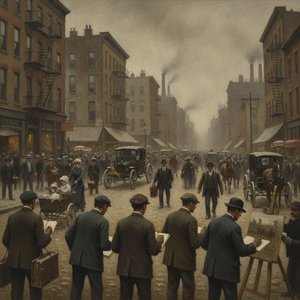
The Ashcan School: Capturing the Raw, Unfiltered Soul of Urban Life through American Realism
Discover the raw beauty of the Ashcan School. Explore how masters like Bellows and Henri captured the gritty, vibrant soul of early 20th-century New York through profound American Realism and evocative urban landscapes.

The Unvarnished Truth: A Cultural Journey Through the Soul of American Realism
Explore the profound beauty of American Realism. From the Ashcan School's urban grit to intimate portraits, discover how artists captured the authentic soul of a nation through unvarnished truth and masterful observation.
Istražite umetnička dela organizovana prema temama, stilovima i karakteristikama.


