


 Pregledaj u prostoru
 Podeli
 Podeli
 Detalji
 Vodič
Vodič

 Preuzmi sliku
 Slični predmeti
 Rendgenski snimak
 Automatska prezentacija
 Statistika
Portret Viktora Ritera fon Bauera
 Ulje na platnu
- Umetnost za zidove
- Ekspresionizam
 1918
1918- Visoko srednjovekovno doba
 Austrian Gallery Belvedere
Egon Schieleov 'Portret Viktora Ritera fon Bauera' (1918) hvata kontemplativnog čoveka sa ekspresionističkom intenzivošću. Istražite simboliku slike, stil Šilea i njegovo mesto u umetničkoj istoriji Vilajana.
 Pročitaj više
Истражите емоционално богату експресионистичку уметност Егона Шилеа (1890-1918): јаке портрети, психолошке теме и јединствене линије. Откријте репродукције сада!
Ručno rađena uljana reprodukcija
Ručno oslikano uljanim bojama na platnu u dimenzijama i okviru po vašem izboru, izrađeno po porudžbini od strane naših umetnika. ( Pređi na prodaju štampanih primeraka Pređi na prodaju digitalnih slika)




P118B $10

P118H $10

P118W $10

P438Z $10

P508JH $12

P508YH $12

P805H $10

P805Z $10

P919BZ $10

P919G $10

P919XJ $10

P959ZH $10

P968JZ $12

W106C $8

W218G $10

W218JH $8

W218Y $10

W307PJ $10

W316G $10

W316PJ $8

W316Y $10

W398PJ $8

W4111J $10

W500HY $15

W500JH $15

W692G $12

W849H $8

W940BG $15

W953PJ $8




Standardne dimenzije
po meri
CM
INCH
Izaberite jednu od naših unapred definisanih veličina koje odgovaraju originalnim proporcijama umetničkog dela.
Loading sizes...

širina
visina
Možete uneti sopstvene dimenzije kako biste prilagodili umetničko delo određenom okviru ili prostoru. Ako odabrana veličina ne odgovara proporcijama originala, slika će biti isečena ili proširena dodatnim elementima koji se ručno oslikavaju. Digitalni prikaz će vam biti poslat na odobrenje pre početka proizvodnje.
Imajte na umu da pregled na ekranu ne odražava stvarno prisecanje ili proširenje. Samo mockup će precizno prikazati konačnu kompoziciju.
Iako su dostupne prilagođene veličine, preporučujemo da izaberete dimenziju iz unapred definisane liste kako biste sačuvali originalne proporcije.
Primeri mogućih izmena: Zamena lica fotografijom kupca; Dodavanje ljubimca (npr. zamena mačke psom); Uključivanje skrivene poruke u pozadini; Promena pejzaža ili elemenata pozadine.
Nakon narudžbine, tim TopImpressionists.com će klijentu putem e-pošte poslati uputstva i dostaviti prikaz predloženog rešenja
Nakon narudžbine, tim TopImpressionists.com će klijentu putem e-pošte poslati uputstva i dostaviti prikaz predloženog rešenja
Svetska isporuka () za 3/4 nedelje umesto uobičajenih 5 nedelja. (23 септембар). Bez kompromisa po pitanju kvaliteta.

Besplatna ekspresna dostava širom sveta

Visokokvalitetno laneno platno

Sveobuhvatno osiguranje transporta

Garancija povraćaja carine i uvoznih dažbina

Garancija vernosti boja i autentičnosti pri reprodukciji

Politika povraćaja u roku od 100 dana (samo u slučaju nedostataka)

Garancija povrata 100% novca

Popust pri većoj količini
 Opcija sa staklom dostupna je samo za dimenzije manje od 110 cm

Portret Viktora Ritera fon Bauera
Tehnika izrade reprodukcije
Veličina reprodukcije
-


Ukupna cena
$ 269
Portret Viktora Ritera von Bauera: Studija kontrolisane intenzivnosti
Egon Šileov „Portret Viktora Ritera von Bauera“, nasuđen 1918. godine, nije samo ličnost; to je pažljivo konstruisana destilacija anksioznosti i tihe kontemplacije koja mrmi ispod površine Viladžina početka dvadesetog veka. Napravljena tokom turbulentnog perioda obeleženog političkim nemirima i promenljivim društvenim normama, ova uljna tela na platnu pruža dubok uvid u psihu svog modela – čoveka koji je između formalnosti i neizgovorene melanholije. Slika se nalazi u Belvedere muzeju u Viladžinu, svedočeći o Šileovom trajnom nasleđu kao jednog od najupečatljivijih figura Ekspresionizma.
Šileov potpisani stil odmah je očigledan: produženi oblici, suptilno iskrivljeni, ali nedvosmisivo elegantni, dominiraju kompozicijom. Viktor Riter von Bauer sedi ukočeno na stolici, sa rukama spojenim – gotovo molbeni gest koji govori mnogo o njegovom unutrašnjem stanju. Formalna odeća – tamni odelo i kravata – sugerišu čoveka naviknutog na društvene obaveze, možda pripremajući se za važan događaj ili čekajući vest. Međutim, ono što zaista privlači pažnju je lice modela. Njegov izraz nije izraz spoljašnje radosti ili tuge, već duboka tišina, kontemplativan pogled usmeren malo izvan dosega posmatrača. Ova namerna dvosmislenost poziva na spekulacije o njegovim mislima i emocijama – koji tereti ga pritiskaju? Koje tajne nosi?
Jezik Ekspresionizma
„Portret Viktora Ritera von Bauera“ je arhetipski primer Šileovog ekspresioniskog pristupa. Smele, odlučne poteze četkice stvaraju osećaj neposrednosti i sirove emocije, izbegavajući pedantni realizam koji su preferirali raniji portretisti. Paleta boja je zaustavljena, ali moćna – duboke smeđe nijanse, ubledeli plavovi tonovi i naznake okhre— doprinose melankoličnom raspoloženju slike. Primećujte kako Šile koristi svetlo i senku ne samo da osvetli modela, već da ga isklese, naglašavajući linije njegovog lica i prenoseći osećaj ranjivosti. Pozadina, jednostavna zidna površina, služi kao temeljni element, sprečavajući kompoziciju od toga da postane previše klaustrofobična, a istovremeno pojačavajući izolaciju čoveka.
Šileova upotreba linije je posebno vredna pažnje. Koristi debele, prekidne linije za definisanje forme modela, stvarajući dinamičnu i nemirnu energiju koja kontrastira sa mirnoćom njegovog izraza. Ova tehnika odražava sopstveno turbulentno emocionalno stanje umetnika i njegovu želju da uhvati subjektivno iskustvo, a ne objektivnu stvarnost. Suptilna distorzija figure – blago produženi glava, blago komprimovani ramena – dodatno naglašava ovu ekspresivnu nameru.
Kontekstualizacija trenutka
Da biste u potpunosti razumeli „Portret Viktora Ritera von Bauera“, neophodno je razumeti istorijski kontekst u kojem je nastao. Viladžin je u to vreme grad koji se mučio dubokim društvenim i političkim promenama, obeležen rastom nacionalizma, anksioznostima oko modernosti i tračnim efektima Prvog svetskog rata. Šileovo delo odražava ove tenzije, hvatajući osećaj nelagode i nesigurnosti koji je prožvao viladžinsko društvo. Leopold muzej u Viladžinu, još jedna značajna institucija koja čuva austrijski savremeni umetnički rad, ističe širi kontekst uticaja Ekspresionizma tog doba.
Zanimljivo je da je portret naručen u period kada Šileova karijera prolazila kroz izazove. Uprkos njegovom umetničkom talentu i rastućem priznanju, mu se borilo sa finansijskim poteškoćama i ličnim demonima. Naručivoje za ovaj portret pružilo mu je kratak predah od tih borbi, ali istovremeno naglašava i nestabilnost njegove pozicije kao umetnika u rapidly menjajućem svetu. Dalja istraživanja otkrivaju da je Viktor Riter von Bauer bio jevrejski industrijač, dodajući još jedan sloj složenosti interpretaciji portreta – uzimajući u obzir rastući antisemitizam koji je prevalenti u to vreme.
Simbolička rezonanca i emocionalni uticaj
Iznad svojih tehničkih zasluga, „Portret Viktora Ritera von Bauera“ odjekuje dubokim simboličkim značenjem. Spojene ruke sugerišu želju za vezanjem ili možda pokušaj kontrole emocija. Seriozno izražavanje modela poziva na introspekciju, podstičući posmatrača da razmišlja o njegovom unutrašnjem svetu. Šile majstorski prenosi osećaj tihe intenzivnosti – osećaj koji ostaje dugo nakon gledanja slike. To je portret ne samo čoveka, već trenutka u vremenu, razmišljanje o smrtnosti i istraživanje složenosti ljudskog iskustva.
Reprodukcije ovog moćnog dela nude jedinstvenu priliku da unesete Šileovu evocativnu viziju u svoj dom ili kancelariju. TopImpressionists nudi pažljivo izrađene, ručno raškolovane reprodukcije koje vernije hvataju nijanse boje, teksture i emocija, omogućavajući vam da uživate u geniju Egana Šilea u zadivljujućem detalju.
Biografija umetnika
A Life Forged in Expression
Born in 1890 in the Austrian town of Tulln an der Donau, Egon Schiele’s life was a tempestuous journey marked by both extraordinary artistic vision and profound personal hardship. His early years were shadowed by illness and loss; his father succumbed to syphilis when Egon was just fourteen, a tragedy that would deeply resonate within his work, fueling an obsession with mortality and the fragility of existence. Raised initially by his mother and then under the somewhat controlling guardianship of his uncle Leopold Czihaczek, Schiele’s childhood lacked conventional stability but fostered a fiercely independent spirit. Even as a boy, he displayed an intense fascination with trains—a motif that subtly reappeared in later paintings—and a burgeoning talent for drawing, though this was initially met with disapproval from his father who saw it as a distraction from more practical pursuits. The early death of his sister Elvira also cast a long shadow over the young artist’s psyche. These formative experiences instilled within him a sensitivity and an emotional rawness that would become hallmarks of his artistic expression, a constant grappling with themes of life, death, and the human condition.
The Crucible of Vienna: Artistic Development
Schiele's formal artistic training began at the Kunstgewerbeschule (School of Arts and Crafts) in Vienna, but he quickly found himself stifled by its conservative approach. He transferred to the Akademie der bildenden Künste (Academy of Fine Arts), only to become further disillusioned with its rigid academic traditions. This dissatisfaction led him to abandon formal training altogether, choosing instead to forge his own path, a testament to his unwavering artistic conviction. The influence of Gustav Klimt was pivotal during these early years; Schiele admired Klimt’s decorative style and exploration of symbolism, even receiving mentorship from the established artist. However, Schiele soon diverged from Klimt's aesthetic, developing a distinctly individual voice characterized by its stark honesty and psychological intensity. He co-founded the Neues Wiener Kunstgruppe (New Viennese Art Group) in 1909, aligning himself with other progressive artists who challenged the prevailing artistic norms. His early works, often unsettling portraits and self-portraits, began to emerge as powerful statements of emotional turmoil, featuring distorted figures and a palpable sense of vulnerability. These paintings were not merely representations of physical form but explorations of the inner landscape—the anxieties, desires, and fears that haunted the human psyche.
Raw Emotion and Unflinching Truth
Egon Schiele’s art is immediately recognizable for its raw honesty and psychological depth. He fearlessly confronted themes often considered taboo – sexuality, death, anxiety, isolation – with an unflinching gaze. His distinctive style features elongated figures, contorted poses, and expressive lines that convey a sense of unease and emotional intensity. The human form, particularly the nude, became his primary subject, not as an object of idealized beauty but as a vessel for exploring the complexities of human experience. Self-portraits constitute a significant portion of his oeuvre, offering intimate glimpses into his inner world—a world often marked by loneliness and self-doubt. He didn’t shy away from depicting himself in unflattering or vulnerable poses, revealing a profound level of self-awareness and introspection. Beyond self-portraiture, Schiele created numerous portraits of others, capturing their likenesses with an unsettling realism that seemed to penetrate beneath the surface. His landscapes, while less central to his work than his figurative paintings, demonstrate his mastery of form and color, often reflecting the same emotional intensity as his portraits. The use of line is particularly striking in Schiele’s work; it's not merely a tool for defining shape but an expressive force that conveys emotion and psychological tension. Recurring motifs like the *Physalis plant* – symbolizing death and transience with its delicate, papery husk – further underscore this preoccupation with mortality.
A Legacy Cut Short: Achievements & Significance
Despite facing censorship and legal challenges – including a brief imprisonment for allegedly corrupting minors with his art – Schiele gained recognition within Vienna’s avant-garde circles. His work challenged the conventions of the time, provoking both admiration and outrage. By the time of his untimely death during the Spanish flu pandemic in 1918 at the age of twenty-eight, he had established himself as a leading figure in Austrian Expressionism. Significant works such as Self-Portrait with Physalis, Couple Embracing, and Field Landscape (Kreuzberg near Krumau) stand as testaments to his artistic genius. His influence on subsequent generations of artists is undeniable, particularly those interested in exploring psychological themes and challenging conventional artistic norms. Schiele’s bold approach to form and subject matter continues to resonate with audiences today, making him one of the most important and influential figures in early 20th-century art. His paintings are now held in major museum collections worldwide, including the Leopold Museum in Vienna and the Egon Schiele Art Centrum in Český Krumlov, ensuring his artistic legacy endures. He left behind a body of work that is not merely aesthetically compelling but profoundly human—a testament to the power of art to confront the complexities of existence with honesty, courage, and unwavering vision.
- Key Themes: Mortality, sexuality, isolation, psychological turmoil.
- Influences: Gustav Klimt, Viennese Secession, personal trauma.
- Style Characteristics: Elongated figures, contorted poses, expressive lines, raw emotion.

Егон Шиле
1890 - 1918 , Австрија
Brzi pregled
- Artistic Movement Or Style: Ekspresionizam
- Artists Who Influenced This Artist: ['Gustav Klimt']
- Date Of Birth: 1890
- Date Of Death: 1918
- Full Name: Egon Schiele
- Nationality: Austrijski
- Notable Artworks:
- Samoportret sa fizišalijom
- Par ljubavi
- Polje pejzaž
- Place Of Birth: Tulln, Austria
Srodni članci
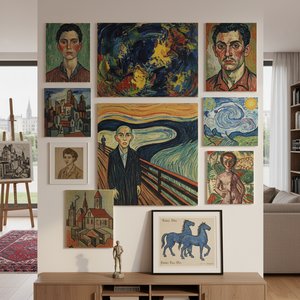
Glavna dela ekspresionizma: 10 remek-dela koja su definisala umetnički pokret
Otkrijte 10 remek-dela ekspresionizma! Uronite u svet Edvarda Muncha, Ernsta Ludwiga Kirchnera i drugih. Istaknute umetničke slike, intenzivne boje i emocionalni izraz. Pronađite inspiraciju za svoj enterijer na TopImpressionists.com – vrhunski izbor reprodukcija slika!

Egon Schiele: 25 Remek-dela Ekspresionizma za Vaš Dom | TopImpressionists
Istražite 25 remek-dela Egona Schielea – ekspresionističkih portreta i slika koje odražavaju duboke emocije. Kupite reprodukcije vrhunskog kvaliteta za dekoraciju enterijera na TopImpressionists.com! Otkrijte celu kolekciju online.

Egon Schiele: Expressionism, Anxiety & the Modern Condition – A Comprehensive Exploration
Explore the emotionally charged world of Egon Schiele (1890-1918). Discover his Expressionist masterpieces, psychological themes, and lasting impact on modern art. A comprehensive guide for collectors & enthusiasts.

The Enduring Legacy of Oil on Canvas: Technique, History & Aesthetic Impact
Explore the rich history & techniques of oil painting – from Renaissance masters to Impressionism. Discover pigments, layering methods, and why this timeless medium endures. Expert insights for artists & art enthusiasts.

Expressionist Painting: 10 Masterpieces That Defined a Movement | TopImpressionists
Explore 10 Expressionist paintings that revolutionized art! Discover Munch, Kirchner & Kandinsky's iconic works. Find museum-quality reproductions and vibrant canvas prints to elevate your home decor on TopImpressionists.com.
Istražite umetnička dela organizovana prema temama, stilovima i karakteristikama.


