

 Pregledaj u prostoru
 Pošalji
 Podeli
 Detalji o delu
 Vodič
Vodič

 Preuzmi
 Slični predmeti
 Rendgenski snimak
 Automatska prezentacija
 Pitanja i odgovori
 Statistika
The Orchard, Summer

- 62.0 x 51.0 cm

Discover 'The Orchard, Summer' by Esther Grainger – an evocative Impressionist landscape painting of twilight beauty. Explore its loose brushstrokes & serene mood.
Discover Esther Grainger’s evocative Welsh landscapes & portraits. A celebrated artist of the 20th century, known for her detailed paintings & connection to local communities.
 Pročitaj više
Umetničko delo prikazano na ovoj stranici zaštićeno je autorskim pravima, što znači da zakonski nismo u mogućnosti da kreiramo niti prodajemo identičnu reprodukciju. Ova zaštita se sprovodi u skladu sa međunarodnim sporazumima kao što su Bernska konvencija i nacionalnim zakonima, uključujući i one koji su definisani u Američki zakon o autorskom pravu – Naslov 17.
Ovaj metod je u potpunosti usklađen sa regulativama o autorskim pravima jer ne podrazumeva kopiranje ili dupliranje zaštićenih umetničkih dela. Umesto toga, reč je o kreativnoj reinterpretaciji – novom slikarskom delu koje je inspirisano originalom, ali nije identično njemu.
Giclee štampa / Umetnički otisak
Giclée štampa ili print na platnu muzejskog kvaliteta uz brzu izradu i raznovrsne opcije završne obrade. ( Kupite ručno oslikano delo Pređi na digitalnu sliku)




































Standardne dimenzije
po meri
CM
INCH
Izaberite jednu od naših unapred definisanih veličina koje odgovaraju originalnim proporcijama umetničkog dela.
Loading sizes...

širina
visina
Unesite željenu širinu i visinu kako bi se štampa uklopila u vaš ram ili zid. Štampu je moguće samo iseći, ali nikada povećati iznad dimenzija originalne slike, stoga format sa drugačijim proporcijama uzrokuje gubitak dela slike. Pre početka štampe, poslaćemo vam digitalni prikaz radi potvrde. Slika prikazana na ovoj stranici ne predstavlja stvarni isrez — to pokazuje samo digitalni prikaz.
Dostava širom sveta () za 2 nedelje umesto uobičajenih 4/5 nedelja. (6 новембар)

Besplatna ekspresna dostava širom sveta

Visokokvalitetno laneno platno

Potpuno osiguranje transporta

Garancija povraćaja carine i uvoznih dažbina

Garancija vernosti boja

Politika povraćaja u roku od 100 dana (samo u slučaju nedostataka)

Garancija povrata 100% novca

Popust na više proizvoda
 Opcija sa staklom dostupna je samo za dimenzije manje od 110 cm

The Orchard, Summer
Giclee štampa / Umetnički otisak
Dimenzije reprodukcije
-


Ukupna cena
дин 7339
Srodna umetnička dela


Biografija umetnika
Esther Grainger: A Welsh Visionary Bridging Tradition and Engagement
Esther Margaret Grainger (1912–1990) stands as a remarkable figure in Welsh art history—a painter deeply rooted in the landscape traditions of her homeland yet passionately committed to fostering artistic creativity within underserved communities. Her life’s work embodies a synthesis of meticulous observation and humanist concern, resulting in paintings that capture both the beauty of Welsh scenery and the spirit of collaborative endeavor.
Born in Cardiff, Grainger’s formative years were marked by a privileged education—a scholarship to Howell’s School instilled in her a foundational understanding of artistic principles. This academic grounding complemented practical training at Cardiff School of Art under William Pickles, Heinz Koppel and George Mayer-Marton, exposing her to diverse stylistic approaches.
Her involvement with the Pontypridd Settlement proved pivotal, shaping not only her artistic practice but also her worldview. Collaborating closely with Cedric Morris and John Dennithorne, Grainger championed the idea that art could empower individuals facing hardship—organizing painting classes and exhibitions aimed at enriching the lives of unemployed miners’ families. This dedication to social engagement profoundly influenced her aesthetic sensibilities.
Grainger's artistic style evolved over time, reflecting influences from Impressionism and Celtic Art. She favored watercolor as her medium, skillfully blending pigments to achieve luminous effects that conveyed the subtle nuances of Welsh light and color. Her landscapes—particularly depictions of Snowdonia and the Lleyn Peninsula—are characterized by a quiet confidence and an unwavering attention to detail—capturing textures and atmospheric conditions with remarkable accuracy.
Throughout her career, Grainger’s work gained recognition within Wales and beyond. Exhibitions at venues like Newport Museum and Art Gallery, Cardiff University and Colchester showcased her distinctive vision—demonstrating a commitment to both artistic excellence and social responsibility. Her legacy continues to inspire artists and educators alike, reminding us of the transformative power of art as a tool for fostering empathy and enriching human experience.
- Notable Achievements: Co-organiser of the 1950 National Eisteddfod; Member of the Arts Council of Wales; Exhibitions at Cardiff Museum and Art Gallery, Colchester Minories
- Influences: William Pickles, Cedric Morris, Heinz Koppel, George Mayer-Marton; Celtic Art traditions
- Medium: Watercolor
- Themes: Welsh Landscape; Social Engagement; Artistic Creativity
Her paintings—such as “The Orchard, Summer” and “Ryder Street”—remain treasured examples of Welsh Impressionism, embodying Grainger’s belief that art could illuminate the human condition while celebrating the splendor of the natural world.

Osnovne informacije
- Artistic Movement Or Style: Impressionism
- Artists Or Movements Influenced By This Artist: ['South Wales Group']
- Artists Who Influenced This Artist:
- William Pickles
- Cedric Morris
- Date Of Birth: 1912
- Date Of Death: 1990
- Full Name: Esther Margaret Grainger
- Nationality: Welsh
- Notable Artworks:
- The Orchard, Summer
- Ryder Street
- Place Of Birth: Cardiff, Wales
Povezani članci

Capturing the Soul: The Most Emotionally Moving Impressionist and Post-Impressionist Masterpieces
Discover the profound emotional depth of Impressionist and Post-Impressionist masterpieces. Explore how legends like Monet, Van Gogh, and Gauguin captured light and soul through evocative landscapes and vibrant brushwork for a timeless connection to art history.
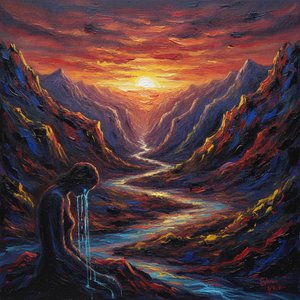
Capturing Emotion: A Journey Through the Soul of Expressionist Landscapes
Explore the profound emotional depth of Expressionist landscapes. Discover how Post-Impressionist masters moved beyond light to capture the soul through vibrant color and form. A curated journey for true art lovers seeking the beauty of expressive mastery.

Beyond the Light: Capturing Raw Emotion and Subjective Vision in Post-Impressionist Landscapes
Explore the profound emotional depth of Post-Impressionist landscapes. Discover how masters like Van Gogh moved beyond light to capture raw human feeling through vibrant color and expressive texture in this expert art history retrospective.

The Beauty of Impermanence: Capturing Decay through Impressionist Eyes
Explore the profound beauty of impermanence through Impressionist and Post-Impressionist eyes. Discover how masters like Monet and Van Gogh captured fleeting light and the poetic essence of nature's transitions in our deep dive into art history and emotional landscapes.
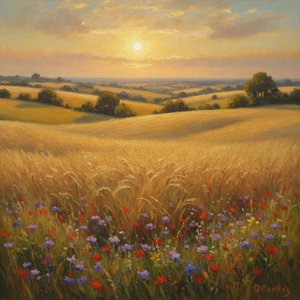
Golden Fields & Sun-Drenched Meadows: Capturing the Soul of Impressionist Landscapes
Immerse yourself in the luminous world of Impressionist landscapes. Discover how masters like Monet and Gauguin captured ephemeral light through plein air painting, and learn to bring the soul of sun-drenched meadows into your home with exquisite, hand-painted oil reproductions.