

 Pregledaj u prostoru
 Pošalji
 Podeli
 Detalji o delu
 Vodič
Vodič

 Preuzmi
 Slični predmeti
 Rendgenski snimak
 Automatska prezentacija
 Q&A
Q&A Statistika
The First Communion

- 65.0 x 53.0 cm


Eugene Anatole Carrière’s ‘The First Communion’ (1896) is a haunting Symbolist monochrome painting of a young girl receiving communion. Explore its ethereal beauty & influence on Picasso.
 Pročitaj više
Istražite potresne monochrome slike Eugènea Anatola Carriera (1849-1906), ključnog francuskog simbolističkog umetnika. Poznat po intimnim scenama iz svakodnevnog života i uticaju na Picassa, otkrijte njegovo nasleđe.
Giclee štampa / Umetnički otisak
Giclée štampa ili print na platnu muzejskog kvaliteta uz brzu izradu i raznovrsne opcije završne obrade. ( Kupite ručno oslikano delo Pređi na digitalnu sliku)




P118B дин10

P118H дин10

P118W дин10

P438Z дин10

P508JH дин12

P508YH дин12

P805H дин10

P805Z дин10

P919BZ дин10

P919G дин10

P919XJ дин10

P959ZH дин10

P968JZ дин12

W106C дин8

W218G дин10

W218JH дин8

W218Y дин10

W307PJ дин10

W316G дин10

W316PJ дин8

W316Y дин10

W398PJ дин8

W4111J дин10

W500HY дин15

W500JH дин15

W692G дин12

W849H дин8

W940BG дин15

W953PJ дин8




Standardne dimenzije
po meri
CM
INCH
Izaberite jednu od naših unapred definisanih veličina koje odgovaraju originalnim proporcijama umetničkog dela.
Loading sizes...

širina
visina
Unesite željenu širinu i visinu kako bi se štampa uklopila u vaš ram ili zid. Štampu je moguće samo iseći, ali nikada povećati iznad dimenzija originalne slike, stoga format sa drugačijim proporcijama uzrokuje gubitak dela slike. Pre početka štampe, poslaćemo vam digitalni prikaz radi potvrde. Slika prikazana na ovoj stranici ne predstavlja stvarni isrez — to pokazuje samo digitalni prikaz.
Dostava širom sveta () za 2 nedelje umesto uobičajenih 4/5 nedelja. (2 новембар)

Besplatna ekspresna dostava širom sveta

Visokokvalitetno laneno platno

Potpuno osiguranje transporta

Garancija povraćaja carine i uvoznih dažbina

Garancija vernosti boja

Politika povraćaja u roku od 100 dana (samo u slučaju nedostataka)

Garancija povrata 100% novca

Popust na više proizvoda
 Opcija sa staklom dostupna je samo za dimenzije manje od 110 cm

The First Communion
Giclee štampa / Umetnički otisak
Dimenzije reprodukcije
-


Ukupna cena
дин 7216
The Haunting Beauty of "The First Communion": A Symbolist Portrait of Innocence
Eugène Anatole Carrière’s “The First Communion,” painted in 1896, isn't merely a depiction of a religious ceremony; it’s a profoundly evocative exploration of childhood innocence, spiritual yearning, and the subtle anxieties that lie beneath the surface of faith. This masterpiece, now housed within the collections of art institutions worldwide, exemplifies Carrière’s signature style – a near-monochrome palette dominated by muted browns and greys, creating an atmosphere of ethereal mystery and quiet melancholy. The painting immediately draws the viewer into a dreamlike space, where reality seems to soften and blur at the edges.
Carrière's artistic journey was deeply influenced by his time as a prisoner in Dresden during the Franco-Prussian War. Exposure to the works of Peter Paul Rubens, with their rich, glowing colors and dramatic lighting, left an indelible mark on his approach to painting. This influence is subtly present in “The First Communion,” though Carrière ultimately developed his own distinctive style – one characterized by a deliberate reduction of color to its most essential tones, emphasizing mood and atmosphere over precise representation. The use of brown creates a sense of timelessness, suggesting that the scene unfolds outside of specific time or place, existing instead within a realm of spiritual contemplation.
A Study in Symbolism: Veil, Light, and Shadow
The central figure of the painting – a young girl receiving communion – is enveloped in a veil, a potent symbol of purity, concealment, and nascent faith. The veil isn’t simply an article of clothing; it acts as a visual barrier, hinting at the mysteries surrounding religious initiation and the vulnerability inherent in entering into a sacred tradition. The lighting within the painting is equally significant. A diffused light source casts long shadows across the girl's face and gown, contributing to the overall sense of solemnity and introspection. The interplay of light and shadow creates a visual metaphor for the spiritual journey – a movement from darkness towards enlightenment.
Carrière’s technique is notable for its meticulous layering of paint and subtle blending. He eschews sharp outlines and bold brushstrokes, opting instead for a fluid, almost watercolor-like application that lends the scene an ethereal quality. The smooth texture of the canvas, combined with the delicate gradations of color, creates a sense of translucence, as if the girl herself is partially obscured by a veil of spiritual mist. The simplified forms and flattened perspective further enhance this dreamlike effect, distancing the viewer from a realistic portrayal and inviting them to contemplate the painting’s symbolic meaning.
Historical Context and Artistic Legacy
"The First Communion" was created during the late 19th century, a period of profound social and artistic change. The Symbolist movement, which Carrière embraced, sought to express subjective emotions and spiritual experiences through art, often rejecting the realism and materialism of earlier artistic traditions. This painting aligns perfectly with the Symbolist aesthetic – it’s not about depicting a literal event but rather conveying a complex range of feelings associated with religious initiation and the transition from childhood innocence to adult faith.
Carrière's work had a significant impact on subsequent generations of artists, particularly Pablo Picasso. The influence of Carrière’s monochrome palette and his exploration of psychological themes can be seen in Picasso’s Blue Period, demonstrating the enduring legacy of this enigmatic French artist. “The First Communion” remains a powerful testament to Carrière's artistic vision – a hauntingly beautiful portrayal of faith, innocence, and the mysteries of the human spirit.
Collecting a Timeless Masterpiece: Reproductions and Beyond
TopImpressionists offers high-quality reproductions of “The First Communion,” allowing art lovers worldwide to experience the beauty and emotional depth of this iconic painting. Whether you’re seeking a stunning addition to your home or office, or simply want to connect with the artistic legacy of Eugène Carrière, our meticulously crafted reproductions capture the essence of the original while offering exceptional value. Explore our collection today and bring this evocative masterpiece into your world.
Pitanja i odgovori
Koja veličina reprodukcije se preporučuje za „The First Communion”, autor Ежен Анатоле Каријер?
Preporučena veličina štampe za „The First Communion”, autor Ежен Анатоле Каријер je Medium.
Gde i za šta se preporučuje "The First Communion"?
„The First Communion”, autor Ежен Анатоле Каријер se preporučuje za Statement, idealno u Living Room. Upotreba i prostor zajedno ukazuju na to gde reprodukcija najbolje pristaje.
Da li „The First Communion”, autor Ежен Анатоле Каријер koristi jake kontraste ili nežne harmonije?
Koloristička kompozicija dela „The First Communion”, autor Ежен Анатоле Каријер spaja Serene kontrast sa Unified Palette harmonijom.
Biografija umetnika
Рани живот и формирање уметника
Ежен Анатоле Каријер, име које се издиже као један од кључних представника француског симболизма, рођен је 16. јануара 1849. године у Гурне-сур-Марн, недалеко од Париза. Његов рани живот обележен је посвећеношћу уметности, а формално образовање стекао је на чувеној Екол де Бо-Ар (École des Beaux-Arts) у Паризу. Након тога, студирао је под вођством познатог сликара Кабанела, где је поставио темеље за свој каснији, препознатљив стил.
Утицаји и развој монохромног израза
Каријеров уметнички пут био је обележен тражењем сопственог визуелног језика. Његове слике су постале препознатљиве по карактеристичној, смеђој монохромији која је изазвала велику пажњу уметничке јавности. Ова избор боје није био случајан; Каријер је био под дубоким утицајем барокног мајстора Питера Паула Рубенса, са којим се упознао током затворске казне у Дрездену. Управо су сјајне боје и драматична светла Рубенсових дела оставили трајан отисак на његов рад, али Каријер је одлучио да их трансформише у интимнији, медитативнији израз кроз монохромију. Једна од његових раних значајнијих дела, Млада мајка (1879), која се данас налази у музеју Бо-Ар у Руану, представља прекретницу у његовом стилу и најаву тема које ће карактерисати њетово стваралаштво – породични живот и интимни тренуци.
Кључна дела и изложбе
Каријеров опус садржи низ ремек-дела која су га учврстила у позицији водећег симболисте. Болесно дете (Монтарги), дело које је проткано емоцијама и тугом, постало је симбол његове способности да кроз једноставне форме изрази дубока људска осећања. Прва причест (Тулон) такође спада у значајнија дела, где се Каријер бави темом духовности и породичне вере. Портрет Луја-Анрија Девилеза (1887), хваљено дело које демонстрира његову вештину портретисања и способност да ухвати суштину личности модела, такође је добило велику пажњу критике. Каријер је активно учествовао на изложбама друштва Националне асоцијације лепих уметности (Société Nationale des Beaux-Arts), које је и сам помогао да се успоставе.
Наслеђе и утицај на савремену уметност
Каријеров монохромни стил имао је дубок утицај на развој модерне уметности. Његов рад је инспирисао Пабла Пикаса, посебно током његовог "плавог периода", када је шпански мајстор експериментисао са сличним нијансама и атмосфером. Овај утицај сведочи о Каријеровом трајном значају и способности да обликује визуелни језик нових генерација уметника. Каријер је био и цењени професор на Академији Палете, где је делио своје знање и инспирисао младе таленте.
- Погледајте више Каријерових дела на TopImpressionists.com
- Истражите музеј Бо-Ар у Руану, где се чувају неке од његових раних радova.
- Сазнајте више о симболизму и његовом утицају на уметност

Ежен Анатоле Каријер
1849 - 1906 , Француска
Osnovne informacije
- Artistic Movement Or Style: Simbolizam, Monohromija
- Artists Or Movements Influenced By This Artist: ['Pablo Picasso']
- Artists Who Influenced This Artist: ['Peter Paul Rubens']
- Date Of Birth: 16. januar 1849.
- Date Of Death: 27. mart 1906.
- Full Name: Eugène Anatole Carrière
- Nationality: Francuski
- Notable Artworks:
- Bolesno dete
- Mlada majka
- Prva pričest
- Place Of Birth: Gournay-sur-Marne, Francuska
Povezani članci

Sacred Narratives on Canvas: Exploring Religious Painting Through History
Explore the rich history of religious painting with TopImpressionists.com! Discover iconic artworks, symbolism & techniques from antiquity to the Renaissance. Enhance your art appreciation today.

Simon Vouet: A Baroque Master's Journey from Italian Influence to French Classicism
Explore the life & art of Simon Vouet, a pivotal French Baroque painter who introduced Italian styles to France. Discover his masterpieces and lasting influence on 17th-century art.
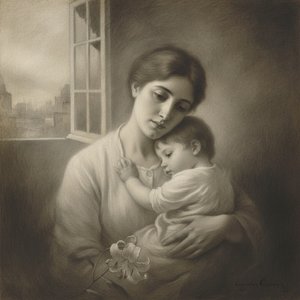
Eugène Carrière: The 'Peintre d'Âme' & Symbolist Portraiture’s Intimate Vision
Explore the haunting world of Eugène Carrière, a pivotal French Symbolist artist known for his deeply intimate portraits & 'peinture d'âme'. Discover his life, style, and lasting influence on modern masters like Picasso. Shop high-quality reproductions at TopImpressionists.

Sacred Narratives Embodied: A Comprehensive Exploration of Religious Iconography in Art History
Explore the rich history of religious iconography in art! Discover symbolism, movements & masterpieces from Byzantine to Renaissance periods. Expert insights for collectors and enthusiasts at TopImpressionists.

Charles Le Brun: Master of French Baroque Classicism & His Enduring Legacy
Explore the life & art of Charles Le Brun, master of French Baroque Classicism. Discover his royal commissions, influence on Versailles, and enduring legacy through detailed analysis & stunning artworks.