

 Pregledaj u prostoru
 Pošalji
 Podeli
 Detalji o delu
 Vodič
Vodič

 Preuzmi
 Slični predmeti
 Rendgenski snimak
 Automatska prezentacija
 Pitanja i odgovori
 Statistika
Beethoven

- 120.0 x 139.0 cm

Discover Felice Casorati’s ‘Beethoven,’ a captivating still life blending realism & abstraction. Explore this 19th-century oil painting's unique perspective, muted palette, and serene domestic scene.
Explore Felice Casorati’s visionary paintings & sculptures! Known for unusual perspective & symbolic art, he bridged realism & abstraction in 20th-century Italy.
 Pročitaj više
Umetničko delo prikazano na ovoj stranici zaštićeno je autorskim pravima, što znači da zakonski nismo u mogućnosti da kreiramo niti prodajemo identičnu reprodukciju. Ova zaštita se sprovodi u skladu sa međunarodnim sporazumima kao što su Bernska konvencija i nacionalnim zakonima, uključujući i one koji su definisani u Američki zakon o autorskom pravu – Naslov 17.
Ovaj metod je u potpunosti usklađen sa regulativama o autorskim pravima jer ne podrazumeva kopiranje ili dupliranje zaštićenih umetničkih dela. Umesto toga, reč je o kreativnoj reinterpretaciji – novom slikarskom delu koje je inspirisano originalom, ali nije identično njemu.
Giclee štampa / Umetnički otisak
Giclée štampa ili print na platnu muzejskog kvaliteta uz brzu izradu i raznovrsne opcije završne obrade. ( Kupite ručno oslikano delo Pređi na digitalnu sliku)




































Standardne dimenzije
po meri
CM
INCH
Izaberite jednu od naših unapred definisanih veličina koje odgovaraju originalnim proporcijama umetničkog dela.
Loading sizes...

širina
visina
Unesite željenu širinu i visinu kako bi se štampa uklopila u vaš ram ili zid. Štampu je moguće samo iseći, ali nikada povećati iznad dimenzija originalne slike, stoga format sa drugačijim proporcijama uzrokuje gubitak dela slike. Pre početka štampe, poslaćemo vam digitalni prikaz radi potvrde. Slika prikazana na ovoj stranici ne predstavlja stvarni isrez — to pokazuje samo digitalni prikaz.
Dostava širom sveta () za 2 nedelje umesto uobičajenih 4/5 nedelja. (4 новембар)

Besplatna ekspresna dostava širom sveta

Visokokvalitetno laneno platno

Potpuno osiguranje transporta

Garancija povraćaja carine i uvoznih dažbina

Garancija vernosti boja

Politika povraćaja u roku od 100 dana (samo u slučaju nedostataka)

Garancija povrata 100% novca

Popust na više proizvoda
 Opcija sa staklom dostupna je samo za dimenzije manje od 110 cm

Beethoven
Giclee štampa / Umetnički otisak
Dimenzije reprodukcije
-


Ukupna cena
дин 7334
Biografija umetnika
Early Life and Artistic Awakening
Felice Casorati, born in Novara, Italy, in 1883, embarked on a path initially dictated by familial expectation rather than fervent artistic desire. His early years were steeped in the pursuit of legal studies at the University of Padua, a decision made to appease his mother’s wishes. However, fate – and perhaps an inherent calling – intervened. A serious illness forced a reassessment of priorities, and with it came a burgeoning passion for art that would ultimately eclipse all other ambitions. The pivotal moment arrived in 1907 when one of his paintings was accepted into the prestigious Venice Biennale, a validation that irrevocably steered him toward a life dedicated to creative expression. This wasn’t merely a change of course; it was an awakening, a recognition of a deeply held talent yearning for release. Initially, his work reflected a naturalistic style, grounded in observation and meticulous detail, but this foundation would soon be transformed by the currents of artistic innovation swirling around him.The Influence of Symbolism and the Path to a Unique Vision
The early 20th century was a period of profound artistic upheaval, and Casorati found himself drawn into the orbit of the Symbolist movement. The ethereal quality, psychological depth, and emphasis on subjective experience resonated deeply with his evolving sensibilities. Crucially, it was the work of Gustav Klimt that exerted a particularly strong influence, inspiring him to move beyond mere representation toward a more visionary approach. This wasn’t simply imitation; Casorati absorbed Klimt's decorative richness and symbolic language, filtering them through his own unique lens. He began experimenting with unusual perspective effects, creating compositions that felt both familiar and unsettlingly dreamlike. This period marked a crucial shift in his artistic trajectory – a move away from the literal toward an exploration of inner states and emotional resonance. His military service during World War I, though disruptive, also contributed to this evolution, providing a stark contrast to the pre-war world and fueling a desire for order and clarity in his art.Turin and the “Return to Order”
The year 1918 witnessed Casorati’s relocation to Turin, a city he found captivatingly "decadent" with its "sinister views." This move proved pivotal, coinciding with a broader artistic trend known as the “Return to Order.” Following the chaos and abstraction of the war years, artists across Europe sought a renewed emphasis on form, structure, and classical principles. Casorati became a leading figure in this movement, his work embodying its core tenets. He embraced geometry, formal clarity, and meticulous technique, creating paintings that were often characterized by a sense of stillness and emotional restraint. He worked primarily in tempera, a medium that allowed for precise control and luminous color, drawing inspiration from Renaissance masters – particularly Piero della Francesca. This wasn’t a rejection of modernity but rather a deliberate attempt to synthesize classical ideals with contemporary sensibilities.Major Achievements and Defining Characteristics
Casorati's oeuvre encompasses figure compositions, portraits, and still lifes, each imbued with his distinctive style. His sculptures in varnished terracotta, first exhibited at the Rome Secession III in 1915, demonstrated a similar preoccupation with form and volume. However, it is perhaps his paintings that remain most iconic. Silvana Cenni, painted in 1922, stands as a prime example of his mature style – a symmetrical composition featuring a seated woman in a white dress. The careful rendering of volumes creates an almost unsettling sense of unreality, paradoxically highlighting the painting’s inherent artificiality. His compositions often feature figures placed within architectural settings, creating a sense of isolation and psychological tension. He frequently employed unusual perspectives, distorting spatial relationships to heighten emotional impact. The deliberate use of muted colors and precise brushwork further contributes to the overall atmosphere of stillness and contemplation.Historical Significance and Lasting Legacy
Raffaello Giolli’s summary in 1925 aptly captured the disconcerting aspects of Casorati's art, acknowledging its "cold," "cerebral," and seemingly "academic" qualities. Yet, these very characteristics are what set him apart. He achieved international recognition as a leading figure in the “Return to Order” movement, influencing generations of artists with his emphasis on form, structure, and psychological depth. Casorati’s work bridged the gap between realism and abstraction, offering a unique vision that continues to resonate today. He wasn't interested in simply depicting reality; he sought to create paintings that were both intellectually stimulating and emotionally evocative. His legacy lies not only in his technical mastery but also in his ability to imbue seemingly simple compositions with profound meaning and enduring mystery.- Key Influences: Gustav Klimt, Piero della Francesca, Renaissance painting.
- Major Themes: Isolation, psychological tension, the relationship between form and space.
- Signature Style: Precise technique, muted colors, unusual perspective effects, symmetrical compositions.

Felice Casorati
1883 - 1963
Osnovne informacije
- Artistic Movement Or Style: Symbolism, Return to Order
- Artists Or Movements Influenced By This Artist: ['Return to Order']
- Artists Who Influenced This Artist:
- Gustav Klimt
- Piero della Francesca
- Date Of Birth: 1883
- Date Of Death: 1963
- Full Name: Felice Casorati
- Nationality: Italian
- Notable Artworks: ['Silvana Cenni']
- Place Of Birth: Novara, Italy
Povezani članci

The Unvarnished Truth: A Cultural Journey Through the Soul of American Realism
Explore the profound beauty of American Realism. From the Ashcan School's urban grit to intimate portraits, discover how artists captured the authentic soul of a nation through unvarnished truth and masterful observation.
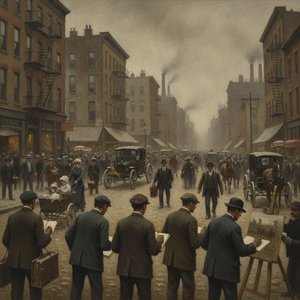
The Ashcan School: Capturing the Raw, Unfiltered Soul of Urban Life through American Realism
Discover the raw beauty of the Ashcan School. Explore how masters like Bellows and Henri captured the gritty, vibrant soul of early 20th-century New York through profound American Realism and evocative urban landscapes.