


 Pregledaj u prostoru
 Podeli
 Podeli
 Detalji
 Vodič
Vodič

 Preuzmi sliku
 Slični predmeti
 Rendgenski snimak
 Automatska prezentacija
 Statistika
July 20th


Fernando Botero's "July 20th" captures a vibrant street scene with exaggerated figures and bold colors, reflecting Colombian culture & Botero’s signature style. Explore this iconic painting!
 Pročitaj više
Fernando Botero: Kolumbijski vizionar poznat po prepoznatljivom stilu 'Boterismo' – voluminoznim figurama, živopisnim bojama i duhovitom društvenom komentarom. Istražite njegove ikonične skulpture i slike.
Giclee štampa / Umetnički otisak
Giclée štampa ili print na platnu muzejskog kvaliteta uz brzu izradu i raznovrsne opcije završne obrade. ( Naručite ručno oslikano reprodukciju Pređi na prodaju digitalnih slika)




P118B дин10

P118H дин10

P118W дин10

P438Z дин10

P508JH дин12

P508YH дин12

P805H дин10

P805Z дин10

P919BZ дин10

P919G дин10

P919XJ дин10

P959ZH дин10

P968JZ дин12

W106C дин8

W218G дин10

W218JH дин8

W218Y дин10

W307PJ дин10

W316G дин10

W316PJ дин8

W316Y дин10

W398PJ дин8

W4111J дин10

W500HY дин15

W500JH дин15

W692G дин12

W849H дин8

W940BG дин15

W953PJ дин8




Standardne dimenzije
po meri
CM
INCH
Izaberite jednu od naših unapred definisanih veličina koje odgovaraju originalnim proporcijama umetničkog dela.
Loading sizes...

širina
visina
Možete uneti sopstvene dimenzije kako biste umetničko delo prilagodili specifičnom okviru ili prostoru. Ako odabrani format ne odgovara proporcijama originalne slike, mi ćemo ili iscrtati deo dela ili proširiti sliku pomoću ogledane ivice ili jednobojnog popunjavanja. Digitalni prikaz će vam biti poslat na odobrenje pre početka proizvodnje.
Imajte na umu da pregled na ekranu ne odražava stvarno iscrtavanje ili proširivanje. Samo će prikaz (mockup) precizno pokazati finalnu kompoziciju.
Iako su prilagođene dimenzije dostupne, preporučujemo da odaberete dimenziju sa unapred definisane liste kako biste očuvali originalne proporcije.
Dostava širom sveta () za 2 nedelje umesto uobičajenih 4/5 nedelja. (2 октобар)

Besplatna ekspresna dostava širom sveta

Visokokvalitetno laneno platno

Sveobuhvatno osiguranje transporta

Garancija povraćaja carine i uvoznih dažbina

Garancija vernosti boja i autentičnosti pri reprodukciji

Politika povraćaja u roku od 100 dana (samo u slučaju nedostataka)

Garancija povrata 100% novca

Popust pri većoj količini
 Opcija sa staklom dostupna je samo za dimenzije manje od 110 cm

July 20th
Giclee štampa / Umetnički otisak
Veličina reprodukcije
-


Ukupna cena
дин 6972
The Weight of the Moment: Unpacking "July 20th"
Fernando Botero’s “July 20th,” painted in 1984, isn't merely a depiction of two figures on a street; it’s a carefully constructed tableau brimming with quiet drama and subtle social commentary. The painting immediately arrests the eye with its monumental scale – a characteristic hallmark of Botero’s signature style, often referred to as “Boterismo.” Here, however, the exaggeration isn't purely for spectacle. Instead, it serves to amplify the emotional weight of the scene, drawing us into an intimate moment of interaction amidst the bustling backdrop of Medellín.
The composition is deceptively simple: a man in a fedora and sporting a baseball bat stands alongside a woman whose hand instinctively rises to her face. Their positioning – close but not touching – suggests a conversation held just short of revelation, a shared experience suspended in time. A few secondary figures populate the periphery, hinting at a larger urban life unfolding beyond this immediate exchange. The inclusion of a handbag and a small child adds layers of domesticity, grounding the scene within the everyday realities of Colombian society.
The Language of Volume: Botero’s Distinctive Technique
Botero's genius lies in his masterful manipulation of volume – a technique he honed during his early years observing the Baroque churches and vibrant street life of Medellín. “July 20th” exemplifies this perfectly. The figures are rendered with thick, almost sculptural brushstrokes, their forms ballooning outwards, creating an illusion of immense size and solidity. This deliberate distortion isn’t about literal representation; it's a conscious choice to emphasize the subjects’ presence and imbue them with a sense of weight and importance. Notice how the man’s bat seems to expand into a formidable weapon, while the woman’s gesture – a subtle shield against an unseen force – adds another layer of complexity.
- Bold Outlines: Botero frequently employs strong outlines to define the shapes and forms within his paintings.
- Exaggerated Proportions: Figures are often depicted with disproportionately large bodies, contributing to the overall sense of monumentality.
- Rich Color Palette: The painting utilizes a vibrant yet restrained color palette, dominated by earthy tones punctuated by pops of red and yellow – colors that evoke both warmth and a subtle undercurrent of tension.
Historical Context & The Spirit of Medellín
Painted in 1984, “July 20th” reflects the social and political climate of Colombia at the time. The country was grappling with internal conflict and economic instability, and Botero’s work often engaged with themes of violence, inequality, and the complexities of Colombian identity. The painting can be interpreted as a meditation on human connection amidst societal pressures – a quiet moment of intimacy within a world marked by uncertainty. It's also worth noting that July 20th is Colombia's Independence Day, adding another layer of cultural significance to the scene.
The choice of Medellín as the setting is crucial. The city’s rich artistic heritage and its distinctive architectural style – characterized by ornate facades and a sense of grandeur – undoubtedly influenced Botero’s aesthetic sensibilities. “July 20th” captures this spirit, transporting us to a vibrant urban landscape where everyday life unfolds against a backdrop of historical and cultural richness.
A Moment Frozen in Time: Emotional Resonance
Despite its seemingly simple composition, “July 20th” possesses a remarkable emotional depth. The ambiguity of the interaction between the two figures invites speculation – are they lovers? Friends? Strangers caught in a fleeting moment of connection? The painting’s power lies in its ability to evoke a sense of nostalgia and quiet contemplation. It's a reminder that even within the most chaotic of environments, moments of genuine human connection can emerge, offering a glimpse into the complexities of the human experience. The painting’s enduring appeal stems from its ability to resonate with viewers on a deeply personal level, prompting them to reflect on their own relationships and experiences.
Pitanja i odgovori
Da li je „July 20th”, Фернандо Ботеро u javnom vlasništvu?
„July 20th”, Фернандо Ботеро je u još uvek je zaštićeno autorskim pravima. Ovaj status određuje način na koji se slika dela može reprodukovati.
Koliko je godina imao/la Фернандо Ботеро kada je kreirao/la "July 20th" 1984. godine?
Фернандо Ботеро je kreirao/la "July 20th" u uzrastu od 52 godina. Umetnik je rođen/a 1932, a datum stvaranja dela je 1984.
Kada je "July 20th" nastalo?
Delo „July 20th”, Фернандо Ботеро nastalo je 1984.
O čemu se radi u delu "July 20th" i kakvu atmosferu odiše?
„July 20th“ prikazuje fernando botero, colombian art, volume, figures, street scene, 1984, urban life, baroque, a njegov upečatljiv raspoloženje je Dramatic.
Da li je legalno moguće reprodukovati delo „July 20th”, Фернандо Ботеро koje se nalazi u muzeju Nacionalni muzej u Kolumbiji?
Delo „July 20th”, Фернандо Ботеро, koje se čuva u muzeju Nacionalni muzej u Kolumbiji, nalazi se u još uvek je zaštićeno autorskim pravima statusu. Ovaj status određuje da li je dozvoljeno izrada reprodukcija slike.
Za koji prostor je predložen rad „July 20th”, Фернандо Ботеро?
„July 20th”, Фернандо Ботеро se preporučuje za Living Room. Ovaj predlog je zasnovan na temi, bojama i raspoloženju dela.
Ko je umetnik koji stoji iza dela "July 20th"?
Umetnik koji stoji iza dela "July 20th" je Фернандо Ботеро. Delo je katalogizovano pod imenom umetnika Фернандо Ботеро.
Biografija umetnika
Kolumbijski vizionar: Život i umetnost Fernanda Botera
Rođen u Medeljinu, Kolumbija, 1932. godine, Fernando Botero Angulo se izdigao kao jedan od najslavnijih i međunarodno priznatih umetnika Latinske Amerike. Njegov put nije započeo u svečanim dvoranama umetničkih akademija, već usred živopisnog života i barokne raskoši njegovog rodnog grada. Izolovan od glavnih umetničkih strujanja tokom mladosti, mladi Botero je pronašao inspiraciju u ukrašenim kolonijalnim crkvama i užurbanim gradskim scenama Medeljina – formativno iskustvo koje bi duboko oblikovalo njegovu jedinstvenu estetsku viziju. Ovo rano izlaganje usađuje primitivistički senzibilitet, cenjenje jednostavnih ali moćnih oblika, koji je postao obeležje njegovog stila. U početku privučen dramom borbe bikova, usavršavao je svoje veštine kroz crtanje, ali je brzo shvatio da mu je put van arene i ka širem istraživanju forme i volumena.Pojava ‘Boterizma’
Boterov umetnički razvoj obeležilo je namerno odbacivanje evropskog modernizma. Nakon perioda studiranja u Madridu i Parizu, bio je razočaran prevladavajućim avangardnim pokretima. Umesto toga, okrenuo se prema unutra, tražeći inspiraciju kod starih majstora – Velaskesa, Goje i Titijana – i ponovo otkrivajući moć klasične forme. Ovo istraživanje je dovelo do rođenja onoga što bi postalo poznato kao ‘Boterizam’, stil karakterizovan obilnim, preteranim volumenima. Nije se radilo samo o prikazivanju “debelih ljudi”, kako su neki kritičari pojednostavljeno sugerisali; bila je to svesna manipulacija proporcija, proslava senzualnosti i obilja, i suptilan komentar na društvene i političke stvarnosti. Njegove figure – ljudske, životinjske ili mrtve prirode – poseduju monumentalno prisustvo, zračeći toplinu i tišnu dostojanstvo. Početkom 1960-ih godina došlo je do konsolidacije ovog stila, sa slikama kao što je *Predsednička porodica* (1967) koje su postale ikonične reprezentacije njegove rastuće estetike. Ovo delo, posebno, suptilno satirizira kolumbijsku političku elitu istovremeno pokazujući očaravajući šarm Boterovih zaobljenih oblika.Proširenje Horizonta: Skulptura i Više od toga
Iako je prvobitno bio poznat po svojim slikama, Boterova umetnička ambicija se proširila na skulpturu 1973. godine nakon što se preselio u Pariz. Ova tranzicija se pokazala transformativnom, omogućavajući mu da istražuje volumen i formu u tri dimenzije. Njegove monumentalne bronzane skulpture počele su da se pojavljuju u javnim prostorima širom sveta – parkovima u Njujorku, Firenci i Medeljinu – postajući omiljena obeležja i simboli njegove umetničke vizije. Ove skulpture nisu bile samo povećane verzije njegovih slika; posedovale su jedinstvenu fizičnost, pozivajući gledaoce da se sa njima angažuju na taktilnom nivou. Pored slikanja i skulpture, Botero je takođe pokazao svestranost kroz crteže i kolaže, često obrađujući politički nabijene teme. Njegova serija *Nasilje*, stvorena kao odgovor na eskalaciju sukoba u Kolumbiji, predstavlja snažan testament njegovoj posvećenosti društvenom komentaru. Slično tome, njegova serija *Abu Ghraib* direktno se bavila zlostavljanjima u iračkom zatvoru, demonstrirajući njegovu spremnost da suoči teške istine kroz umetnost.Nasleđe i Uticaj
Udar Botera na svet umetnosti je neosporan. Postao je kulturna ikona u Kolumbiji, velikodušno donoseći muzejima i javnim prostorima, učvršćujući svoj položaj kao nacionalno blago. Njegov rad prevazilazi geografske granice, rezonirajući sa publikom širom sveta kroz svoje univerzalne teme čovečnosti, senzualnosti i društvene kritike. Iako su neki početno odbacili ‘Boterizam’ kao stilsku osobenost, od tada je prepoznat kao značajan doprinos figurativnoj umetnosti. Izazvao je konvencionalna shvatanja lepote i proporcija, pozivajući gledaoce da ponovo razmotre svoje percepcije ljudskog oblika. Njegov uticaj se može videti u radu brojnih savremenih umetnika koji istražuju teme telesne slike, društvene satire i kulturnog identiteta. Boterovo nasleđe se proteže dalje od njegovih umetničkih dostignuća; inspirisao je generaciju latinoameričkih umetnika da prihvate svoje jedinstvene glasove i perspektive na svet. Preminuo je u septembru 2023. godine u dobi od 91 godine, ostavljajući iza sebe izvanredan opus koji nastavlja da očarava i izaziva razmišljanje.Ključne Karakteristike & Značajna Dela
- Stil: Boterizam – karakterizovan preteranim volumenima i proporcijama.
- Uticaji: Barokna umetnost, stari majstori (Velaskes, Goja), latinoamerička narodna umetnost, pretkolumbijska umetnost.
- Teme: Kolumbijska kultura, društvena satira, politički komentar, senzualnost, ljudski oblik.
- Značajna Dela: *Mona Lisa, dvanaest godina* (1959), *Predsednička porodica* (1967), *Plesači* (1987), *Smrt Pabla Eskobara* (1999), *Golub Mira* (2016).
- Nagrade: International Sculpture Center’s Lifetime Achievement in Contemporary Sculpture Award (2012).

Фернандо Ботеро
1932 - 1959 , Kolumbija
Brzi pregled
- Artistic Movement Or Style: Boterizam, Primitivizam
- Artists Who Influenced This Artist:
- Diego Rivera
- Francisco de Goya
- Diego Velázquez
- Date Of Birth: 19. april 1932.
- Date Of Death: 15. septembar 2023.
- Full Name: Fernando Botero Angulo
- Nationality: Kolumbijac
- Notable Artworks (List Of Titles):
- Mona Lisa, Age Twelve
- The Presidential Family
- Walk in the hills
- Place Of Birth (City And Country): Medellín, Kolumbija
Srodni članci

High-Volume Art Prints: A Professional Procurement Guide to Quality, Scale, and Archival Durability for Hospitality Design
A professional procurement guide for hotel designers and managers. Learn to navigate high-volume art orders with ease, focusing on Giclée quality, archival durability, scalable sizing, and efficient global logistics for large-scale hospitality projects.
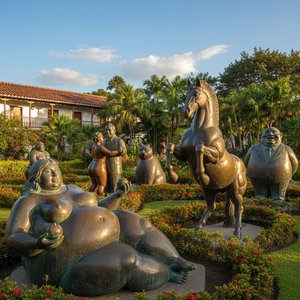
Fernando Botero: Celebrating Volume, Form & Colombian Identity
Explore the captivating world of Fernando Botero! Discover his iconic 'Boterismo' style, Colombian influences, investment potential & lasting legacy. Expert insights for art collectors.

Curating Excellence: Premium High-Volume Art Solutions for Luxury Hotels & Global Gallery Dealers
Elevate your hospitality brand with TopImpressionists’s premium high-volume art solutions. We provide hotel directors and dealers with museum-quality, hand-painted oil reproductions, bespoke architectural murals, and seamless global logistics to transform luxury spaces into timeless legacies.

Giotto di Bondone: 25 Remek-dela koji definišu renesansu | TopImpressionists
Istražite 25 remek-dela Giotta di Bondonea i otkrijte renesansnu umetnost u punom sjaju. Freske, oltarske slike & istorija italijanske umetnosti na TopImpressionists.com! Reprodukcije vrhunskog kvaliteta za vaš dom.

Prodajte umetnost svetu: Ekskluzivna digitalna platforma za galerije i vrhunske umetnike
Otkrijte vrhunsku digitalnu platformu koja spaja galerije i svetske kolekcionare. Unesite autentičnost u svoj prostor uz ekskluzivna umetnička dela, garantovan kvalitet i besprekorno iskustvo kupovine. Vaše umetničko nasleđe zaslužuje globalni dom.
Istražite umetnička dela organizovana prema temama, stilovima i karakteristikama.

