


 Pregledaj u prostoru
 Podeli
 Podeli
 Detalji
 Vodič
Vodič

 Preuzmi sliku
 Slični predmeti
 Rendgenski snimak
 Automatska prezentacija
 Statistika
Sagittarius


Fernando Gallego's 'Sagittarius' depicts a heroic archer amidst celestial stars and a soaring bird. A masterful example of Hispano-Flemish art, showcasing dynamic composition & rich detail.
 Pročitaj više
Fernando Gallego (oko 1440–1507) bio je ključni kastilijanski slikar hispano-flamenskog stila. Poznat po detaljnim religioznim oltarima, živopisnom iluzionizmu i delima poput Retabla iz Ciudad Rodrigoa. Istražite njegovo nasleđe!
Giclee štampa / Umetnički otisak
Giclée štampa ili print na platnu muzejskog kvaliteta uz brzu izradu i raznovrsne opcije završne obrade. ( Naručite ručno oslikano reprodukciju Pređi na prodaju digitalnih slika)




P118B дин10

P118H дин10

P118W дин10

P438Z дин10

P508JH дин12

P508YH дин12

P805H дин10

P805Z дин10

P919BZ дин10

P919G дин10

P919XJ дин10

P959ZH дин10

P968JZ дин12

W106C дин8

W218G дин10

W218JH дин8

W218Y дин10

W307PJ дин10

W316G дин10

W316PJ дин8

W316Y дин10

W398PJ дин8

W4111J дин10

W500HY дин15

W500JH дин15

W692G дин12

W849H дин8

W940BG дин15

W953PJ дин8




Standardne dimenzije
po meri
CM
INCH
Izaberite jednu od naših unapred definisanih veličina koje odgovaraju originalnim proporcijama umetničkog dela.
Loading sizes...

širina
visina
Unesite širinu i visinu koja vam je potrebna, kako bi se uklopili u vaš ram ili na vaš zid. Štampa se može samo iseći, nikada ne može biti veća od originalne slike, stoga format sa drugačijim proporcijama gubi deo slike. Poslaćemo vam digitalni prikaz radi potvrde pre nego što započnemo štampu. Slika prikazana na ovoj stranici ne pokazuje stvarni rez — to pokazuje samo digitalni prikaz.
Dostava širom sveta () za 2 nedelje umesto uobičajenih 4/5 nedelja. (23 октобар)

Besplatna ekspresna dostava širom sveta

Visokokvalitetno laneno platno

Sveobuhvatno osiguranje transporta

Garancija povraćaja carine i uvoznih dažbina

Garancija vernosti boja i autentičnosti pri reprodukciji

Politika povraćaja u roku od 100 dana (samo u slučaju nedostataka)

Garancija povrata 100% novca

Popust pri većoj količini
 Opcija sa staklom dostupna je samo za dimenzije manje od 110 cm

Sagittarius
Giclee štampa / Umetnički otisak
Veličina reprodukcije
-


Ukupna cena
дин 7096
Fernando Gallego’s Sagittarius: A Tapestry of Myth and Majesty
The painting “Sagittarius,” attributed to the Spanish master Fernando Gallego (c. 1440 – 1507), is not merely a depiction of an archer; it's a vibrant portal into the heart of ancient mythology, rendered with a meticulous realism that speaks volumes about the artistic currents of late 15th-century Castile. Gallego, a pivotal figure in the burgeoning Hispano-Flemish style – a synthesis of Northern European precision and Iberian warmth – crafted this piece likely for an altarpiece, imbuing it with a solemnity and narrative power characteristic of his religious commissions. The painting’s enduring appeal lies not just in its technical skill but also in its ability to distill the essence of Sagittarius, the zodiac sign associated with travel, wisdom, and philosophical inquiry – qualities embodied by the figure at its center.
The subject itself is instantly recognizable: a powerfully built man, clad in armor and helmet, poised to release an arrow. However, Gallego elevates this familiar image through a masterful use of detail and composition. The archer’s stance is dynamic, suggesting both readiness and control; his gaze is fixed on the distant target, inviting the viewer into the scene. Crucially, he's not simply shooting at a mark; he’s engaged in a symbolic act – an embodiment of Sagittarius’s quest for knowledge and truth. The surrounding landscape, rendered with a subtle yet effective illusionistic depth, hints at a vast, open world, mirroring the sign’s association with exploration and adventure. Notice the careful rendering of textures: the gleam of the armor, the rough bark of the trees, the flowing fabric of the man's garments – all contribute to a sense of tangible reality.
The Echoes of Flemish Influence
Gallego’s style is deeply rooted in the artistic innovations sweeping through Northern Europe at the time. Like many Spanish artists working during this period, he was profoundly influenced by the Flemish masters, particularly Rogier van der Weyden and Simon Marmion. This influence manifests itself in several key ways: the meticulous attention to detail, the use of oil paint to achieve rich colors and subtle gradations, and a penchant for depicting figures with a remarkable sense of volume and realism. However, Gallego doesn’t simply mimic his Flemish predecessors; he adapts their techniques to create a distinctly Iberian aesthetic. The palette is warmer, more vibrant than typical Flemish works, reflecting the Spanish tradition of using bright pigments and incorporating gold leaf – elements that add an opulent quality to the painting.
Furthermore, Gallego demonstrates a sophisticated understanding of perspective and spatial relationships, hallmarks of Flemish art. The use of aerial perspective—where distant objects appear paler and less detailed—creates a convincing sense of depth and atmosphere. This technique, combined with the carefully arranged composition, draws the viewer’s eye towards the central figure and invites contemplation.
Symbolism and Mythological Resonance
Beyond its purely visual qualities, “Sagittarius” is rich in symbolic meaning. The archer himself represents Sagittarius's defining characteristic: the pursuit of knowledge and enlightenment. The arrow, a potent symbol of direction and purpose, signifies the path one must follow to achieve wisdom. The distant target embodies the ultimate goal – truth itself. The two stars visible on either side of the scene further enhance this symbolism, representing celestial guidance and divine inspiration. The bird soaring above the archer adds another layer of meaning, suggesting freedom, aspiration, and a connection to the heavens.
Interestingly, Sagittarius is associated with Chiron, the centaur who was renowned for his wisdom and skill as a healer and teacher in Greek mythology. Gallego’s depiction subtly evokes this legendary figure, reinforcing the painting's message of knowledge, guidance, and the pursuit of virtue. The image resonates deeply with the philosophical and spiritual currents of the Renaissance, which emphasized human potential and the importance of seeking truth through reason and experience.
A Legacy in Reproduction
Today, “Sagittarius” by Fernando Gallego stands as a testament to the enduring power of art to capture both the beauty and the complexity of the human experience. Reproductions offer an accessible way to appreciate this remarkable work, bringing its rich symbolism and artistic mastery into homes and galleries worldwide. When selecting a reproduction, consider the quality of materials used – archival-quality prints on canvas or fine art paper will ensure that the colors remain vibrant for generations to come. This painting is more than just a beautiful image; it’s a window into a bygone era, inviting us to contemplate the timeless themes of wisdom, knowledge, and the pursuit of truth.
Pitanja i odgovori
Mogu li da koristim proširenu stvarnost kako bih video/la „Sagittarius”, Fernando Galego u svojoj prostoriji?
Stranica AR pregled za delo „Sagittarius”, Fernando Galego koristi proširenu stvarnost kako bi vam prikazala umetničko delo u vašem sopstvenom prostoru, pomoću kompatibilnog uređaja.
Na koji način se stil dela "Sagittarius" odnosi na εποhu njegovog tvorca?
„Sagittarius“ pripada pravcu Hispano-Flemish Style, a njen autor je stvarao u periodu Renesansa.
Koja osnovna nijansa prožima „Sagittarius”, Fernando Galego?
Dominantna nijansa dela „Sagittarius”, Fernando Galego je Ochre to Sepia. Ova nijansa predstavlja osnovni ton palete.
Biografija umetnika
Fernando Gallego: Majstor hispano-flamenskog stila
Fernando Gallego, ime koje je često obavijeno misterijom, a ipak duboko odjekuje u istoriji španske umetnosti, bio je kastiljan painter koji je cvretao krajem 15. i početkom 16. veka. Rođen oko 1440. godine u Salamanci, sa tragičnom smrću pre 1507. godine, njegov život je obuhvatio ključnu eru umetničke tranzicije – susret severnoevropskog realizma sa uzbudljivim idealima italijanske renesanse. Gallegovo nasleđe ne definišu veličanstvena, usamljena remek-dela, već prebogata produkcija pedantno izrađenih religioznih panela, naročito oltara i retabla, koji nude neprocenjiv uvid u vizuelnu kulturu njegovog vremena. Iako definitivni biografski detalji ostaju oskudni, praćenje njegovog rada kroz atribucije i istorijske zapise oslikava upečatljivu sliku umetnika na koga je duboko uticalo flamansko slikarstvo, posebno dela Rogiera van der Weydena, a koji je istovremeno ostao čvrsto ukorenjen u španskoj umetničkoj tradiciji.Rani život i umetnička obuka – senka neizvesnosti
Precizno poreklo Fernando Galjegovog umetničkog obrazovanja ostaje neuhvatljivo, što je karakteristika koja dugo intrigira istoričare umetnosti. Uprkos nagađanjima koja ga povezuju sa radionicama u Salamanci i šire, konkretni dokazi su izuzetno ograničeni. Verovatno je svoju karijeru započeo u živopisnom umetničkom okruženu Kastilje i Ekstremadure, regija poznatih po bogatom religioznom pokroviteljstvu tokom ovog perioda. Prevladavajuća teorija sugeriše snažnu vezu sa flamanskim slikarstvom, posebno sa prirodističkim rukovanjem formom i tehničkom majstorstvom koje je vidljivo u radovima Rogiera van der Weydena – stila koji karakteriše pedantni detalj, duboki emocionalni rezonanc i sofisticirana upotreba svetlosti i senke. Rani neterlandska slikarstvo, sa svojim živopisnim iluzionizmom i složenom ikonografijom, izvršilo je dubok uticaj na Galjegov pristup kompozicije i prikazivanja figura. Veruje se da je možda proveo vreme studirajući u Flandru, mada to ostaje nepotvrđeno. Zanimljivo je da rad koji se pripisuje njemu često deli stilsku sličnost sa Franciskom Galjegom, njegovim verovatnim asistentom u radionici – što dodaje još jedan sloj složenosti razumevanju Galjegovog umetničkog razvoja.Cvetanje karijere: Oltari i retabli
Galjegova karijera bila je uglavnom posvećena stvaranju malih panela namenjenih ugradnji u veće oltare, ili retable. Ova devocionalna dela bila su centralna za religiozni život u Španiji 15. veka, služeći kao polazište za obožavanje i vizuelne narative unutar crkava i kapela. Galjegova veština nije ležala samo u njegovoj tehničkoj stručnosti – što dokazuju glatko nanošenje boje, precizno prikazivanje draperija i realističan portret ljudskih figura – već i u njegovoj sposobnosti da ove scene prožme opipljivim osećajem drame i emocionalnog intenziteta. Često je prikazivao biblijske priče, živote svetaca i epizode iz hrišćanske istorije, često koristeći pažljivo orkestriranu ravnotežu između realizma i simboličke reprezentacije. Posebno vredan primer je Retablo iz Ciudad Rodrigoa, monumentalno delo nastalo u saradnju sa majstorom Bartolomeom, koje pokazuje Galjegovu pedantnu pažnju posvećenu detaljima i njegovu sposobnost da integriše višestruke narative unutar jednog panela. Razmera ovog projekta – svedočanstvo o važnosti religiozne umetnosti u to vreme – ističe Galjegov status vodećeg umetnika u Kastilji.Značajna dela i umetničke tehnike
Među Galjegovim preživljelim delima, nekoliko se izdvaja po svojoj umetničkoj vrednosti i istorijskom značaju. „Madona katoličkih kraljeva“, koja se nalazi u Getty muzeju, primer je njegove majstorske upotrebe boje, svetlosti i kompozicije kako bi se stvorio duboko dirljiv prikaz Device Marije i Malog Isusa. „Ara“ (Nebesa Salamanke), ogromni zidni prikaz koji krasi Univerzitet u Salamanci, predstavlja izuzetan uspeh – monumentalni poduhvat koji demonstrira Galjegovu ambiciju i tehničku veštinu. Ovaj fresk, koji prikazuje astronomske scene i sazvežđa, pokazuje njegovu sposobnost da kompleksne naučne koncepte prevede u vizuelno privlačne slike. Galjego je prvenstveno radio uljanim bojama na panelu, mada je u svojim ranim radovima koristio i temperu. Njegova pedantna pažnja posvećena detaljima, u kombinaciji sa razumevanjem perspektive i prostornih odnosa, rezultirala je izuzetno realističnim i živopisnim kvalitetom njegovih slika. Bio je poznat po tome što je mukotrpno individualizovao figure unutar svojih scena, pojačavajući njihov dramski apel dok je istovremeno demonstrirao svoju tehničku moć.Nasleđe i istorijski značaj
Uticaj Fernanda Galjegosa na špansku umetnost je značajan uprkos ograničenoj dokumentaciji o njegovom životu. On predstavlja ključnu kariku između ranih flamanskih uticaja koji su oblikovali Španiju 15. veka i bujajućeg renesansnog stila koji će uskoro dominirati umetničkim pejzažom. Njegov rad pruža dragocene uvide u religiozna verovanja, društvene običaje i umetničke prakse njegovog vremena. Iako je često ostajao u senci slavnijih savremenika, doprinos Fernanda Galjegosa razvoju španskog slikarstva je neosporan. Kontinuirano proučavanje njegovih retabla i panela nudi prozor u devocionalni svet Španije 1sene veka, otkrivajući bogatstvo informacija o religioznoj ikonografiji, umetničkim tehnikama i životima onih koji su naručivali i posmatrali ova moćna umetnička dela. Njegovo nasleđe opstaje kroz lepotu i emocionalnu rezonancu njegovih slika, podsećajući nas na neprolaznu moć vizuelnog pripovedanja da poveže publiku kroz vekove.
Fernando Galego
1440 - 1507 , Španija
Brzi pregled
- Artistic Movement Or Style: Hispano-flamanski stil
- Artists Who Influenced This Artist: ['Rogier van der Weyden']
- Date Of Birth: oko 1440, Salamanca
- Date Of Death: 1507, Salamanca
- Full Name: Fernando Gallego
- Nationality: kastiljanac
- Notable Artworks:
- Nebesa Salamanke
- Retablo iz Ciudad Rodrigoa
- Pieta (Getty muzej)
- Place Of Birth: Salamanca, Španija
Srodni članci

The Noble Steed on Canvas: A Historical & Artistic Exploration of Horse Painting Across Cultures
Explore the rich history of horse painting! Discover masterpieces from Stubbs to Munnings & learn about symbolism, techniques & artists. Find museum-quality reproductions at TopImpressionists.

The Equine Muse: A Historical & Artistic Exploration of Horses in Painting
Explore the captivating history of horses in painting! Discover Renaissance masterpieces, Baroque grandeur & expert insights for collecting equestrian art. Learn about symbolism, techniques & lasting value with TopImpressionists.
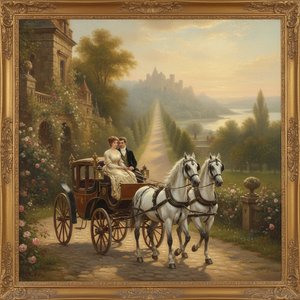
Timeless Elegance: A Visual Journey Through the Romance of Horse Carriage Artworks
Embark on a visual journey through the romantic world of horse carriage art. Discover the mastery of equestrian oil paintings, from Impressionist textures to classical realism, and learn how to bring timeless elegance into your home with museum-quality reproductions.

German Expressionism's 10 Defining Masterpieces | Art for Your Home
Explore 10 defining German Expressionism masterpieces – from Munch's 'The Scream' to Kandinsky’s abstracts. Discover the artists, stories & bold colors behind this powerful art movement. Find museum-quality reproductions at TopImpressionists.com.

The Noble Steed: A Historical and Artistic Exploration of Horses in Fine Art
Explore the rich history of horses in fine art! From ancient depictions to Renaissance masterpieces & beyond, discover iconic artworks and artists. Learn about symbolism, techniques, and find museum-quality reproductions at TopImpressionists.