
 Pošalji
 Podeli
 Detalji o delu
 Vodič
Vodič

 Preuzmi
 Slični predmeti
 Automatska prezentacija
 Pitanja i odgovori
 Statistika
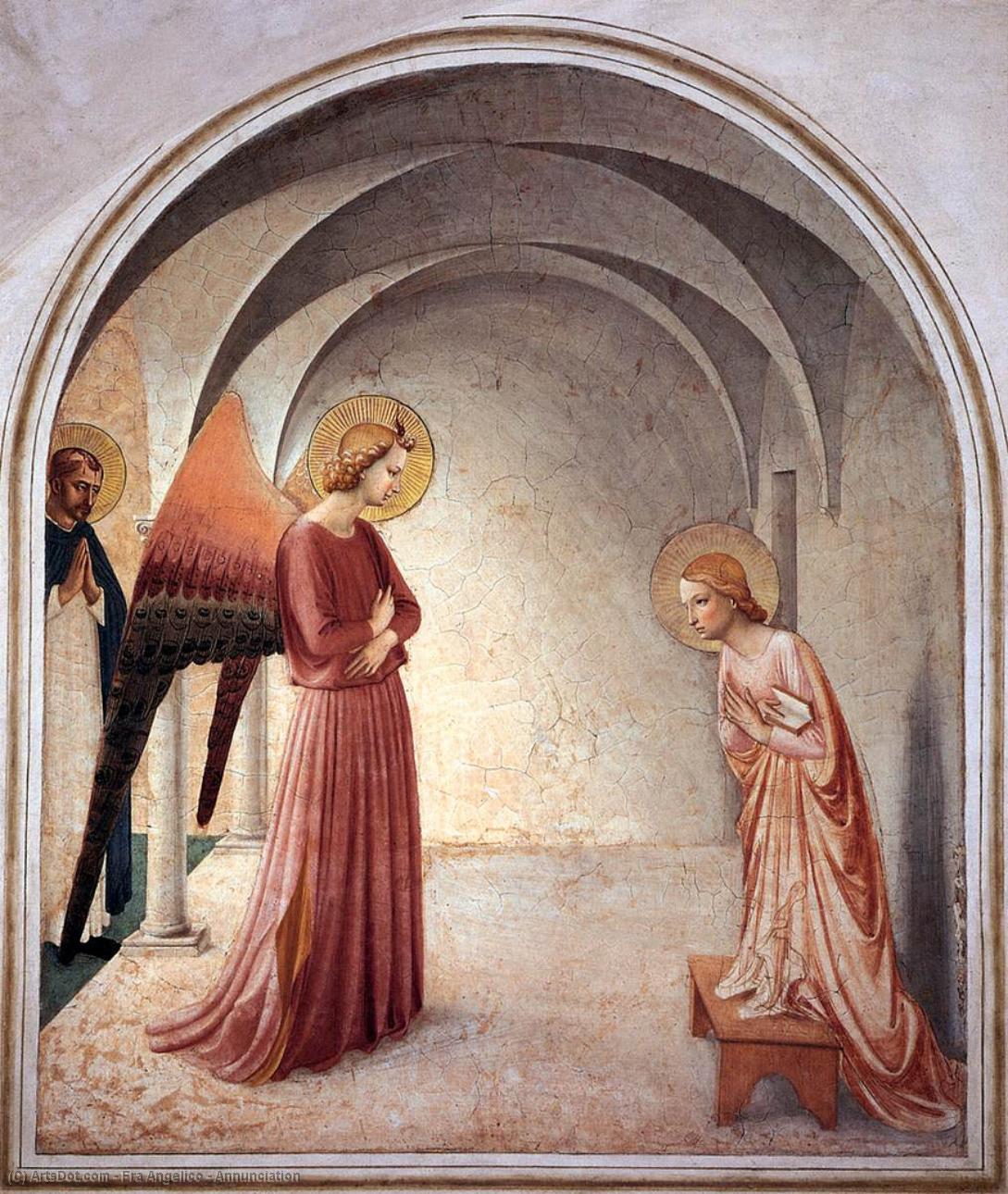
Annunciation

- 176.0 x 148.0 cm


 Pročitaj više
Fra Angelico je jedan od najvažnijih umetnika Raskršćenskog doba poznat po svojim svetim freskama i živopisnim delima koje izražavaju duboku duhovnu lepotu i vernost. Posmatrajte njegov stil, umetnost San Marka i ostavku velikanskog umetnika!
Giclee štampa / Umetnički otisak
Giclée štampa ili print na platnu muzejskog kvaliteta uz brzu izradu i raznovrsne opcije završne obrade. ( Kupite ručno oslikano delo Pređi na digitalnu sliku)




































Standardne dimenzije
po meri
CM
INCH
Izaberite jednu od naših unapred definisanih veličina koje odgovaraju originalnim proporcijama umetničkog dela.
Loading sizes...

širina
visina
Unesite željenu širinu i visinu kako bi se štampa uklopila u vaš ram ili zid. Štampu je moguće samo iseći, ali nikada povećati iznad dimenzija originalne slike, stoga format sa drugačijim proporcijama uzrokuje gubitak dela slike. Pre početka štampe, poslaćemo vam digitalni prikaz radi potvrde. Slika prikazana na ovoj stranici ne predstavlja stvarni isrez — to pokazuje samo digitalni prikaz.
Dostava širom sveta () za 2 nedelje umesto uobičajenih 4/5 nedelja. (8 новембар)

Besplatna ekspresna dostava širom sveta

Visokokvalitetno laneno platno

Potpuno osiguranje transporta

Garancija povraćaja carine i uvoznih dažbina

Garancija vernosti boja

Politika povraćaja u roku od 100 dana (samo u slučaju nedostataka)

Garancija povrata 100% novca

Popust na više proizvoda
 Opcija sa staklom dostupna je samo za dimenzije manje od 110 cm

Annunciation
Giclee štampa / Umetnički otisak
Dimenzije reprodukcije
-


Ukupna cena
дин 7333
A Divine Encounter: Exploring Fra Angelico’s Annunciation
Fra Angelico's *Annunciation*, created around 1442, is a breathtaking fresco that embodies the spiritual and artistic ideals of the Early Renaissance. Housed within the serene confines of the Convent of San Marco in Florence, Italy, this masterpiece continues to captivate viewers with its delicate beauty and profound religious narrative.Historical Context & Artistic Lineage
Fra Angelico (born Guido di Pietro) was not merely a painter; he was a Dominican friar whose devotion permeated every brushstroke. His work flourished during a pivotal period in art history, marking the transition from the stylized elegance of Gothic painting to the burgeoning realism and humanism of the Renaissance. Commissioned by Cosimo de' Medici as part of a larger decorative scheme for San Marco, *The Annunciation* reflects the patronage and intellectual climate of Florence under the Medici family. Angelico’s style is uniquely characterized by its luminosity, graceful figures, and meticulous attention to detail – qualities that earned him the moniker “the Angelic Painter.”Composition & Technique: A Renaissance Innovation
This fresco departs from traditional depictions of the Annunciation, which often confined the scene indoors. Fra Angelico boldly sets the encounter within an outdoor cloister, utilizing architectural elements—Roman arches and slender columns—to frame the sacred moment. The angel Gabriel, resplendent in pink and gold robes with vibrantly colored wings, approaches Mary with a gesture of reverence. Mary, draped in a serene blue symbolizing purity and royalty, responds with humble acceptance. The fresco technique itself – applying pigment to wet plaster – contributes to the work’s enduring vibrancy and subtle textures. The composition is masterfully balanced, creating a sense of harmony and spatial depth that was revolutionary for its time.Symbolism & Spiritual Resonance
*The Annunciation* is rich in symbolic meaning. The Hortus Conclusus, or walled garden visible through the cloister’s opening, represents Mary's virginity and innocence – a protected space untouched by the outside world. The inscription at the base of the fresco serves as a devotional reminder for viewers to offer prayers before this sacred image: “Virginis Intacte Cvm Veneris Ante Figvram Preterevndo Cave Ne Sileatvr Ave,” urging contemplation and reverence. The colors themselves carry significance; blue representing Mary’s celestial status, gold symbolizing divine light, and pink signifying grace and compassion.Emotional Impact & Lasting Legacy
Beyond its technical brilliance and symbolic depth, *The Annunciation* evokes a profound sense of peace, reverence, and spiritual contemplation. The serene expressions on the faces of Gabriel and Mary convey not just the announcement of a miraculous event, but also the acceptance of divine will. This work exemplifies Fra Angelico’s ability to translate theological concepts into visually stunning and emotionally resonant imagery.Key Features for Collectors & Designers
- Style: Early Renaissance, characterized by delicate lines, realistic figures, and a harmonious composition.
- Color Palette: Dominantly blues, golds, pinks, and creams – creating a serene and uplifting atmosphere.
- Subject Matter: A pivotal moment in Christian theology, offering timeless spiritual significance.
- Ideal for: Creating contemplative spaces, adding a touch of Renaissance elegance to interiors, or as a focal point in devotional settings.
- Dimensions: 176 x 148 cm – a substantial size that commands attention without overwhelming the space.
Pitanja i odgovori
Kojoj tonaciji teži "Annunciation"?
Dominantna nijansa dela „Annunciation”, autor Фра Анђело je Amber to Saffron. Ova nijansa predstavlja osnovni ton palete.
Koji umetnički pravac obuhvata „Annunciation”, autor Фра Анђело?
Umetnički pravac koji se povezuje sa delom „Annunciation”, autor Фра Анђело je Early Renaissance. Ova klasifikacija smešta rad među srodne umetnike i umetnička dela.
Koja paleta i dominantna boja definišu "Annunciation"?
Koloristički identitet dela „Annunciation”, autor Фра Анђело: paleta u nijansama Neutrals, sa dominacijom boje Gray (#88685c).
Biografija umetnika
Frane Đelo: Anđeoski Čar i Duhovna Dubina Rane Renesanse
Rođen kao Gvido di Pietro oko 1395. godine u mirnim brdima Toskane, blizu Firence, Frane Đelo (poznat i kao Fra Giovanni da Fiesole) ostavio je neizbrisiv trag na svetskoj umetnosti. Iako su detalji iz njegovog ranog života obavijeni misterijom, jasno je da je obrazovanje koje je primio pripremilo tlo za život posvećenosti i kreativnosti. Ključni trenutak u njegovom životu nastupio je kada je ušao u dominikanski red u Fiesoleu, usvajajući ime Fra (Brata) Anđeo – nadimak koji je ubrzo postao sinonim za nebesku lepotu i duboku posvećenost koja su prožimala njegovo stvaralaštvo. U zidinama manastira, prvo kao iluminator rukopisa, Đelo je brusio svoje veštine, usvajajući preciznost i živopisne boje koje će kasnije procvetati u veličanstvene freske i slike na panelima. Ta rana obuka učinila ga je osetljivim za detalje, majstorom pigmenta i umetnikom koji je znao kako priču prenijeti vizuelnim sredstvima. Dominikanski red, sa svojim naglaskom na teološkoj studiji, nesumnjivo je oblikovao njegov umetnički pogled, prožimajući njegovo delo dubokim osećajem vere i svrhe.Razvijanje Jedinstvenog Stila: Sinteza Tradicije i Inovacije
Đelov umetnički razvoj nije bio izolovan; on je upijao struje firentinske umetnosti tog vremena. Elegantna linearnost i dekorativni uzorci Lorenca Monaka, vodećeg slikara tog doba, vidljivi su u njegovim ranim radovima. Međutim, Đelo nije samo imitirao svog prethodnika. On je počeo da sintetiše te uticaje sa rastućom naturalizmom, verovatno inspirisan revolucionarnim freskama Masaccia. Iako je Masaccio transformisao slikarstvo dramatičnom upotrebom perspektive i realističkom prikaza ljudske figure, Đelo je izabrao drugačiji put. On je prihvatao perspektivu ne radi same sebe, već kao sredstvo za stvaranje imersivnijeg duhovnog iskustva. Njegove figure, iako graciozne i često idealizovane, poseduju tiho dostojanstvo i emotivnu rezonancu koja prevazilazi samu reprezentaciju. Ključno je da je Đelova umetnost bila neotdeljiva od njegove vere; on je slikanje smatrao ne profesijom, već činom molitve – načinom da razmišlja o božanskom i učini ga vidljivim drugima. Ovo duboko uverenje prožimalo je svaki potez kistom osećajem poštovanja i iskrenosti.Majstorski Radovi Velečanja i Boje
Đelovo umetničko nasleđe zasnovano je na nekoliko monumentalnih dela koja i vekovima nakon nastanka izazivaju divljenje. Freske u manastiru San Marko u Firenci široko se smatraju njegovim remek-delom. Naručene za dominikanski konvent, ove scene iz života Hrista zrače smirenom jednostavnošću i emotivnom dubinom koja je retka u renesansoj umetnosti. Svaka slika – od Blagosloveva do Raspeća – prožeta je osećajem tihe kontemplacije, pozivajući posmatrača na lični susret sa svetim narativom. Izvan San Marka, *Perudža oltar* pokazuje njegovu evoluirajući stil, posebno u delikatnom prikazivanju Blagosloveva. Sam motiv Blagosloveva se ponavlja u brojnim verzijama tokom njegove karijere, svaka je renderovana sa nebeskom lepotom i simboličkim bogatstvom. Radovi poput *Svetog Lavrencija koji deli milostinju* demonstriraju njegovu veštinu u kompoziciji priče i sposobnost da portretuje ljudske emocije osetljivošću i gracioznošću. Njegova paleta karakterizuju jarke, čiste boje – plave, zlatne i crvene – koje kao da svetlucaju iznutra, stvarajući atmosferu vanzemaljske radijance.Nasleđe i Trajni Uticaj
Frane Đelo zauzima ključnu poziciju u Ranoj Renesansi, utelovljujući fuziju verske posvećenosti i umetničke inovacije tog doba. On nije bio samo slikar; bio je duhovni vizionar koji je svoju veru pretočio u vizuelne oblike. Njegovo delo odražava humanističke ideale perioda, naglašavajući ljudsko dostojanstvo i potencijal za duhovnu kontemplaciju. Đorđo Vasari, čuveni umetnički istoričar, hvalio je Frane Đela u svojim *Životima umetnika*, proglašavajući da nijedna pohvala ne bi mogla adekvatno uhvatiti lepotu njegovih kreacija. Ovo je učvrstilo njegovo mesto u kanonu zapadne umetnosti. Njegov uticaj se protezao daleko izvan svog vremena, inspirisajući generacije umetnika svojim posvetnim stilom i majstorskom upotrebom boja. Godine 1982. papa Ivan Pavao II zvanično je priznao Đelovu svetost blagoslavljavši ga – svedočenjem o dubokom duhovnom uticaju njegovog života i dela. Danas, njegova umetnost nastavlja da rezonuje sa posmatračima širom sveta, nudeći bezvremensku poruku vere, nade i lepote.Gde Iskustvo Njegove Umetnosti
- Museo di San Marco, Firenca: Ovaj muzej čuva najveću i najznačajniju kolekciju Đelovih dela, uključujući zapanjujuće freske iz manastira.
- Muzej Luvr (Pariz): U ekspanzivnoj kolekciji Louvra mogu se pronaći nekoliko važnih slika Frane Đela.
- Nacionalna galerija (London): Nacionalna galerija ima izbor njegovih dela, nudeći posetiocima uvid u njegov umetnički genije.
- Santa Maria sopra Minerva, Rim: Ova crkva sadrži freske Frane Đela i mesto je gde je zvanično blagosloven.
- Brojne druge muzeji širom sveta takođe prikazuju primere njegove umetnosti, omogućavajući širu procenu njegovog trajnoga nasleđa.

Фра Анђело
1395 - 1455 , Италија
Osnovne informacije
- Datum Rođenja: c. 1395
- Mesto Rođenja: Rupesana, Italija
- Nacionalnost: Italijan
- Puno Ime: Fra Angelico (Guido di Pietro)
- Umetnički Pokret: Ranorenesansa
- Uricali Su Ga: ['Rani renesansni umetnici']
- Uticali Na Njega:
- Lorenzo Monaco
- Masaccio
- Značajna Dela:
- Freske u San Marku
- Perudžinski oltar
- Blagoveštenje
- Sv. Lav da milostinju
Povezani članci

The Eternal Glow of Fresco: Capturing Light, Spirit, and the Timeless Majesty of Wall Art
Discover the enduring beauty of fresco painting. Explore the history, technique, and spiritual depth of mural art, from Michelangelo to modern luxury design. Learn how to bring the timeless glow of masterworks into your home through exquisite, hand-painted reproductions.
Istražite umetnička dela organizovana prema temama, stilovima i karakteristikama.


