
 Pregledaj u prostoru
 Pošalji
 Podeli
 Detalji o delu
 Vodič
Vodič

 Preuzmi
 Slični predmeti
 Rendgenski snimak
 Automatska prezentacija
 Pitanja i odgovori
 Statistika
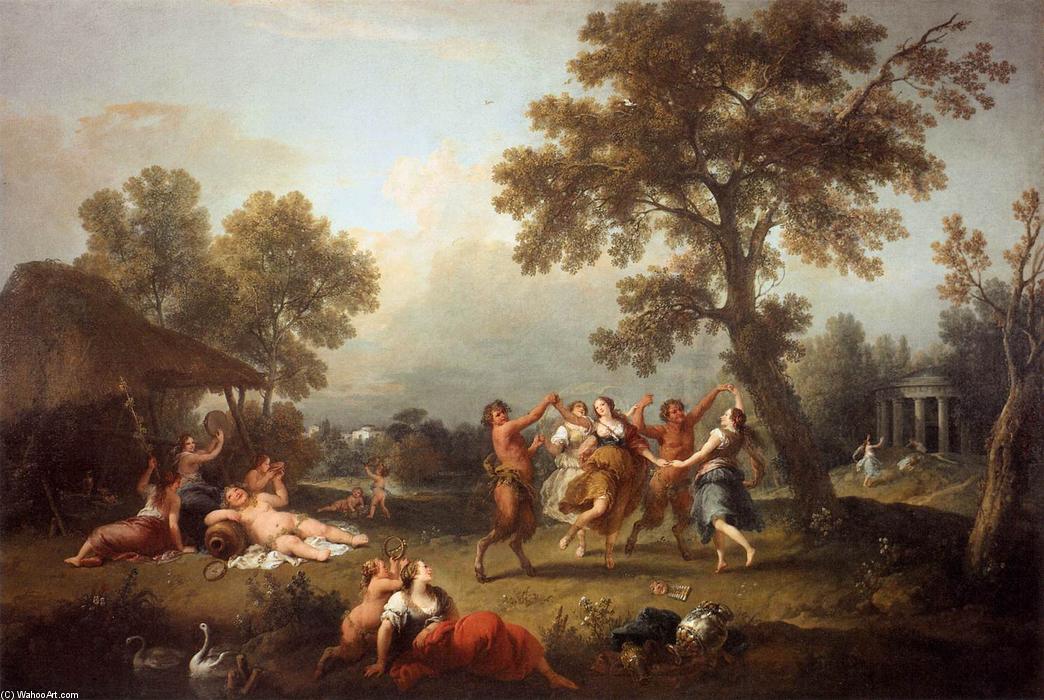
Bacchanal

- 142.0 x 210.0 cm


Experience the joyous Rococo elegance of Francesco Zuccarelli’s Bacchanal, a vibrant oil masterpiece capturing an idyllic pastoral celebration that invites you to bring timeless Venetian charm into your private collection.
 Pročitaj više
Istražite idilične pejzaže Francesco Zuccarellija (1702-1788), italijanskog majstora rokokoa poznatog po svojim arkadskim scenama i venecijanskom šarmu.
Giclee štampa / Umetnički otisak
Giclée štampa ili print na platnu muzejskog kvaliteta uz brzu izradu i raznovrsne opcije završne obrade. ( Kupite ručno oslikano delo Pređi na digitalnu sliku)




P118B дин10

P118H дин10

P118W дин10

P438Z дин10

P508JH дин12

P508YH дин12

P805H дин10

P805Z дин10

P919BZ дин10

P919G дин10

P919XJ дин10

P959ZH дин10

P968JZ дин12

W106C дин8

W218G дин10

W218JH дин8

W218Y дин10

W307PJ дин10

W316G дин10

W316PJ дин8

W316Y дин10

W398PJ дин8

W4111J дин10

W500HY дин15

W500JH дин15

W692G дин12

W849H дин8

W940BG дин15

W953PJ дин8




Standardne dimenzije
po meri
CM
INCH
Izaberite jednu od naših unapred definisanih veličina koje odgovaraju originalnim proporcijama umetničkog dela.
Loading sizes...

širina
visina
Unesite željenu širinu i visinu kako bi se štampa uklopila u vaš ram ili zid. Štampu je moguće samo iseći, ali nikada povećati iznad dimenzija originalne slike, stoga format sa drugačijim proporcijama uzrokuje gubitak dela slike. Pre početka štampe, poslaćemo vam digitalni prikaz radi potvrde. Slika prikazana na ovoj stranici ne predstavlja stvarni isrez — to pokazuje samo digitalni prikaz.
Dostava širom sveta () za 2 nedelje umesto uobičajenih 4/5 nedelja. (6 новембар)

Besplatna ekspresna dostava širom sveta

Visokokvalitetno laneno platno

Potpuno osiguranje transporta

Garancija povraćaja carine i uvoznih dažbina

Garancija vernosti boja

Politika povraćaja u roku od 100 dana (samo u slučaju nedostataka)

Garancija povrata 100% novca

Popust na više proizvoda
 Opcija sa staklom dostupna je samo za dimenzije manje od 110 cm

Bacchanal
Giclee štampa / Umetnički otisak
Dimenzije reprodukcije
-


Ukupna cena
дин 7339
Francesco Zuccarelli’s Bacchanal: A Symphony of Pastoral Elegance
The Bacchanal by Francesco Zuccarelli stands as an emblem of the Rococo artistic movement, capturing not merely a scene but an entire ethos—one steeped in aristocratic indulgence and idealized beauty. Painted circa 1740-50, this oil on canvas masterpiece resides within the Gallerie dell’Accademia in Venice, Italy, offering visitors a glimpse into a period defined by opulent interiors and refined sensibilities. Zuccarelli's skill lies not just in depicting figures engaged in joyous revelry but in crafting an immersive experience that transports the viewer to a realm of pastoral serenity infused with vibrant color and masterful composition.Composition and Style: Balancing Chaos and Harmony
Zuccarelli’s approach distinguishes itself from the more dramatic Baroque tradition, prioritizing balance and grace over theatrical grandeur. The painting depicts a lively bacchanal—a celebration honoring Dionysus, the Greek god of wine and ecstasy—yet it avoids overwhelming visual sensation. A central group of figures dominates the canvas, their postures dynamic yet carefully arranged around a prominent architectural element: a classical structure reminiscent of Roman temples, subtly anchoring the scene in antiquity. The artist employs meticulous detailing to portray each participant’s attire and expression, conveying both physicality and emotion with remarkable precision. Notice how Zuccarelli utilizes light and shadow to sculpt forms, creating depth and enhancing the sense of movement—a hallmark of Rococo aesthetics.Color Palette and Technique: Embracing Pastel Radiance
The color palette is dominated by earthy tones – ochre, umber, Sienna – providing a grounding counterpoint to the splashes of vibrant hues adorning the figures’ clothing. Crimson reds, emerald greens, and sapphire blues punctuate the scene, symbolizing fertility, vitality, and divine inspiration. Zuccarelli's technique showcases exceptional brushwork, layering pigments with subtle gradations to achieve luminous surfaces that shimmer with reflected light. The artist skillfully blends colors on canvas, creating a velvety texture that contributes to the painting’s overall impression of luxurious softness. This meticulous attention to detail underscores Zuccarelli’s dedication to capturing not just what is seen but also how it feels—a testament to the transformative power of art.Historical Context: Venetian Aristocracy and Artistic Patronage
The Bacchanal reflects the cultural landscape of Venice during the mid-18th century, a city ruled by an aristocratic elite deeply invested in artistic patronage. Zuccarelli’s work exemplifies the Rococo style's fascination with idealized landscapes and mythological narratives—themes favored by Venetian noble families eager to express their status and sophistication. The painting aligns perfectly with broader European trends toward decorative art and emotional expression, signaling a shift away from Baroque solemnity towards a celebration of sensual pleasure and imaginative vision.Symbolism: Dionysian Ecstasy and Pastoral Tranquility
Beyond its visual splendor, Bacchanal is laden with symbolic significance. The bacchanalia itself represents the unrestrained pursuit of joy and indulgence—a deliberate rejection of Puritan morality—while simultaneously evoking images of Arcadia, the mythical pastoral paradise inhabited by shepherds and nymphs. The figures’ gestures convey a profound connection to nature and divine inspiration, mirroring the Rococo preoccupation with themes of beauty, harmony, and sensual experience. Zuccarelli's masterful depiction captures not only the outward spectacle of celebration but also its inner resonance—a reminder that art can transcend mere representation to communicate deeper truths about human emotion and spiritual aspiration.Legacy: Rediscovering Zuccarelli’s Vision
Francesco Zuccarelli’s reputation waned in the early 19th century, yet his work has experienced a resurgence of interest in recent decades, displayed prominently in museums worldwide. Bacchanal stands as a cornerstone of Rococo art history—a testament to Zuccarelli's artistic genius and his ability to distill the essence of an era into a single unforgettable image. Its enduring appeal lies in its exquisite beauty, balanced composition, and profound exploration of human emotion, continuing to inspire artists and collectors alike.Pitanja i odgovori
Koliko su intenzivne boje u delu „Bacchanal”, autor Frančesko Zukareli?
„Bacchanal”, autor Frančesko Zukareli prikazuje Balanced intenzitet boja.
Koja veličina printa za „Bacchanal”, autor Frančesko Zukareli najbolje odgovara preporučenoj prostoriji?
Preporučena kombinacija za „Bacchanal”, autor Frančesko Zukareli: štampa dimenzija Large u prostoriji tipa Living Room.
Gde se "Bacchanal" nalazi među uobičajenim motivima umetnika Frančesko Zukareli?
Među upečatljivim temama umetnika Frančesko Zukareli – classical ideals, roman mythology, decorative style, venetian tradition, landscape genre – delo "Bacchanal" donosi sopstveni fokus na bacchanal, landscape, classical, wine, festive, figures, italy.
Biografija umetnika
Frančesko Zukareli: Život utkan u pejzaž
- Rođen: Pitigliano, Italija (1702)
- Preminuo: 1788
- Pokret: Kasnobarok / Rokoko
Đakomo Frančesko Zukareli, koji je najpoznatiji ostao pod imenom Frančesko Zukareli, bio je ključni italijanski umetnik čije su ime proslavili idilični pejzaži i arkadski prizori. Rođen u Pitigliu, u Toskani, 1702. godine, on se usred sredine 1ms-og veka istakao kao najznačajniji pejzažni slikar Venecije. Njegovo delo je duboko odjeknulo širom Evrope, a posebno u Engleskoj, gde je proveo značajne periode pod kraljevskim pokroviteljstvom.
Rani razvoj i rimski uticaji
- Učenik: Zukareli je započeo svoj umetnički put kao šegrt Đovanija Marije Morandija i Pjetra Nelija u Rimu, u početku se fokusirajući na portretnu slikarstvo.
- Gravure i freske: Od 1728. do 1731. godine, posvetio se uglavnom graviranju propadajućih freski Đovanija da San Đovana i Andrea del Sarta, pokazujući oštro oko za detalje i klasične uticaje.
- Vođstvo Paola Anezija: Luidži Lanči je primetio da je Paolo Anezi odigrao presudnu ulogu u usmeravanju Zukarelija ka pejzažnoj slikarstvu, oblikujući njegov umetnički pravac.
Njegova rana dela otkrivaju uticaj rimskog klasicizma i rastuće interesovanje za dočaravanje lepote italijanske ruralne sredine.
Venecijanski period i uspon ka slavi
- Dolazak u Veneciju: Oko 1732. godine, Zukareli se preselio u Veneciju, iskoristivši priliku koja se otvorila u oblasti pejzažne slike.
- <Prepoznatljiv stil: Razvio je jedinstven stil koji karakteriše nežna paleta, vazdušne kompozicije i figure oživljene svetlucavim tonalitetima — što je predstavljalo odstupanje od tipičnih venecijanskih boja njegovih prethodnika.
- <Pokroviteljstvo i saradnje: Zukareli je brzo stekao naklonost uticajnih ličnosti poput maršala Šulenburga, Džozefa Smita (britanskog konula) i Frančeska Algarotija. Često je sarađivao sa umetnicima kao što su Antonio Vizentini i Bernando Belo. Značajne saradnje uključuju stvaranje serija neo-paladijanske arhitekture i set karata sa temom Starog zaveta sa ručno obojenim scenama.
- <Članstvo u Kraljevskoj akademiji: Godine 1768, postao je osnivač Kraljevske akademije umetnosti u Londonu, čime je učvrstio svoju reputaciju na međunarodnoj sceni.
Ovaj period označava Zukarelijev uspon ka vrhuncu slave, dok su njegovi pejzaži očaravali publiku širom Evrope, utemeljivši ga kao vodeću figuru pokreta Rokoko.
Kasne godine, opadanje i obnovljeno priznanje
- <Kritički recepcija: Uprkos početnom priznanju, Zukarelijeva reputacija je oslabila početkom 19. veka kako je naturalizam dobijao na značaju. Kritičari poput Tarnera nudili su umerene pohvale, priznajući lepotu njegovih figura, ali preispitujući njegov opšti stil.
- <Analiza Mihaela Leveja: Istoričar umetnosti Mihael Levej kasnije je pripisao široku popularnost Zukarelija dekorativnoj prirodi njegovog rada, naročito među engleskom publikom.
- <Moderna reevaluacija: Od 1990-ih, italijanski naučnici predvode obnovljeno apreciiranje Zukarelijevog doprinosa, ističući njegov značaj u pejzažnoj slikarstvu i izlažući njegova dela na brojnim izložbama.
Danas je Frančesko Zukareli priznat kao majstor perioda Rokoka, slavljen zbog svojih idiličnih pejzaža koji evociraju osećaj spokoja i klasične lepote. Njegovo nasleđe nastavlja da inspiriše umetnike i očarava publiku širom sveta.

Frančesko Zukareli
1702 - 1788 , Italija
Osnovne informacije
- Artistic Movement Or Style: Roko, Barok
- Artists Who Influenced This Artist:
- Paolo Anesi
- Claude Lorrain
- Andrea del Sarto
- Date Of Birth: 15. avgust 1702.
- Date Of Death: 30. decembar 1788.
- Full Name: Giacomo Francesco Zuccarelli
- Nationality: Italijan
- Notable Artworks:
- Capriccio sa San Giorgio Maggiore
- Klasični pejzaž
- Pejzaž sa devojkama pored reke
- Bokal
- Place Of Birth (City And Country): Pitigliano, Italija
Povezani članci

The Elegance of Rococo Portraiture: A Journey Through Grace, Soft Light, and Pastel Dreams
Discover the exquisite world of Rococo portraiture. Explore the delicate beauty of 18th-century French art, from pastel light to graceful asymmetry, and learn how to bring this era of elegance into your home through masterfully hand-painted oil reproductions.

The Elegance of Rococo: A Journey Through Pastel Dreams and Ornate Splendor
Embark on an elegant journey through the Rococo era. Discover the delicate beauty of pastel masterpieces, the intricate artistry of 18th-century French masters, and how this era of ornate splendor continues to inspire timeless luxury in fine art collecting.

Golden Light & Rich Color: The Timeless Magic of Venetian Renaissance Art
Explore the luminous beauty of Venetian Renaissance art. Discover how masters like Titian used colorito and golden light to redefine painting through texture, emotion, and atmospheric brilliance in a masterclass of historical artistry.