


 Pregledaj u prostoru
 Podeli
 Podeli
 Detalji
 Vodič
Vodič

 Preuzmi sliku
 Slični predmeti
 Rendgenski snimak
 Automatska prezentacija
 Statistika
Конвей Кастел
 Ulje na platnu
- Umetnost za zidove
- Romantic Landscape Painting
 90.0 x 125.0 cm
 Government Art Collection
Овај дивљи ландшафтски портрет кастела Конвей од стране Георге Барета Младића прецизно приказује средњовековну архитектуру и природину у топлим светлу затишне руског школе сликања. Истражите остваривање Баретовог наслеђа!
 Pročitaj više
Libertyville
Ireland
George Barret the Elder
George Barret Sr., George Barrett
Džordž Barret Stariji (1732-1784): Irski pejzažista i osnivač Kraljevske akademije. Istražite idilične engleske prikaze, klasične scene i irske pejzaže. Otkrijte njegovo nasleđe!
1732
Libertyville, Ireland
1784
Edmund Burke, Claude Lorrain
Romanticism
George Barret Sr.
Irish
The Powerscourt Waterfall
Skulpt
Giclee štampa / Umetnički otisak
Giclée štampa ili print na platnu muzejskog kvaliteta uz brzu izradu i raznovrsne opcije završne obrade. ( Naručite ručno oslikano reprodukciju Pređi na prodaju digitalnih slika)




P118B дин10

P118H дин10

P118W дин10

P438Z дин10

P508JH дин12

P508YH дин12

P805H дин10

P805Z дин10

P919BZ дин10

P919G дин10

P919XJ дин10

P959ZH дин10

P968JZ дин12

W106C дин8

W218G дин10

W218JH дин8

W218Y дин10

W307PJ дин10

W316G дин10

W316PJ дин8

W316Y дин10

W398PJ дин8

W4111J дин10

W500HY дин15

W500JH дин15

W692G дин12

W849H дин8

W940BG дин15

W953PJ дин8




Standardne dimenzije
po meri
CM
INCH
Izaberite jednu od naših unapred definisanih veličina koje odgovaraju originalnim proporcijama umetničkog dela.
Loading sizes...

širina
visina
Unesite širinu i visinu koja vam je potrebna, kako bi se uklopili u vaš ram ili na vaš zid. Štampa se može samo iseći, nikada ne može biti veća od originalne slike, stoga format sa drugačijim proporcijama gubi deo slike. Poslaćemo vam digitalni prikaz radi potvrde pre nego što započnemo štampu. Slika prikazana na ovoj stranici ne pokazuje stvarni rez — to pokazuje samo digitalni prikaz.
Dostava širom sveta () za 2 nedelje umesto uobičajenih 4/5 nedelja. (22 октобар)

Besplatna ekspresna dostava širom sveta

Visokokvalitetno laneno platno

Sveobuhvatno osiguranje transporta

Garancija povraćaja carine i uvoznih dažbina

Garancija vernosti boja i autentičnosti pri reprodukciji

Politika povraćaja u roku od 100 dana (samo u slučaju nedostataka)

Garancija povrata 100% novca

Popust pri većoj količini
 Opcija sa staklom dostupna je samo za dimenzije manje od 110 cm

Конвей Кастел
Giclee štampa / Umetnički otisak
Veličina reprodukcije
-


Ukupna cena
дин 7096
George Barret Sr.: A Pioneer of Romantic Landscape Painting
George Barret Sr. (1732–1784) stands as a pivotal figure in the burgeoning British landscape movement, embodying the spirit of Romanticism and establishing himself as one of the founding members of the Royal Academy. His artistic legacy resides primarily in his captivating oil paintings depicting idyllic English vistas and Irish landscapes—scenes imbued with an unparalleled sense of serenity and grandeur. Examining Barret’s oeuvre reveals not merely depictions of scenery but a profound engagement with philosophical ideas, particularly those articulated by Edmund Burke concerning the sublime and beautiful – concepts that fundamentally shaped his artistic vision.- Early Life & Training: Born in Libertyville, Ireland, around 1728-1732, Barret’s formative years were marked by an apprenticeship as a staymaker before discovering his innate talent for drawing. This initial training culminated in formal instruction at Robert West’s Academy in Dublin, generously supported by the Royal Dublin Society, where he honed his skills and established himself as a promising artist.
- Influence of Burke: The philosophical writings of Edmund Burke – notably *A Philosophical Enquiry into the Origin of Our Ideas of the Sublime and Beautiful* – exerted a considerable influence on Barret’s artistic approach. Burke's exploration of terror and awe served as inspiration for Barret to portray landscapes that evoked feelings of grandeur, immensity, and emotional intensity.
- Early Artistic Style: Barret’s early paintings frequently showcased classical scenery and mythological figures, reflecting the aesthetic sensibilities prevalent during his time. However, he swiftly transitioned towards a distinctly Romantic style, prioritizing atmospheric perspective and dramatic lighting to convey emotion and capture the sublime beauty of nature.
Conwy Castle: A Vision of Majesty
“Conwy Castle,” painted circa 1765-1770, exemplifies Barret’s mastery of Romantic landscape painting. The artwork captures a breathtaking panorama of Conwy Castle perched atop a rugged promontory overlooking the River Conwy—a scene bathed in the golden hues of either sunrise or sunset. Compositionally, the castle dominates the central axis, drawing the viewer's gaze upwards towards its imposing silhouette. A sweeping rainbow arcs across the sky, adding to the picturesque charm and reinforcing the overarching mood of tranquility and awe.- Composition & Perspective: The artist skillfully employs perspective techniques to create depth, diminishing objects as they recede into the distance—a hallmark of Hudson River School painting. Lines delineate the castle’s architectural features and the contours of the rocky terrain, while shapes are predominantly geometric – squares and rectangles for the castle walls and rounded forms for the hills – contributing to a sense of stability and grandeur.
- Color Palette & Lighting: The dominant color palette utilizes warm tones—gold, orange, and brown—creating an atmosphere of warmth and nostalgia. Directional lighting highlights the castle and rainbow, casting shadows across the landscape and enhancing its dramatic effect.
Technique & Materials
Barret’s artistic technique is characterized by visible brushstrokes and layering of colors – a testament to his dedication to capturing the essence of nature through oil paint on canvas. The textured surface of the painting reflects the materiality of the medium, conveying a palpable sense of physicality and immediacy. This meticulous approach aligns with the prevailing artistic conventions of Romanticism, where artists sought to convey emotion and experience directly onto the canvas.Symbolism & Emotional Impact
“Conwy Castle” transcends mere topographical representation; it embodies symbolic significance rooted in Burke’s philosophical framework. The castle symbolizes power, resilience, and historical grandeur—elements that resonate with viewers on an emotional level. Simultaneously, the rainbow serves as a beacon of hope and promise—a visual motif reflecting the Romantic preoccupation with transcendent beauty and spiritual contemplation. Ultimately, Barret's masterpiece invites contemplation on the sublime relationship between humanity and nature, capturing a moment of serene majesty that continues to inspire admiration centuries later.Pitanja i odgovori
Koja veličina reprodukcije se preporučuje za „Конвей Кастел”, Džordž Baret Stariji?
Za „Конвей Кастел”, Džordž Baret Stariji preporučuje se reprodukcija u veličini Veliki. Veličina se može prilagoditi uz zadržavanje proporcija.
Koji umetnik i koji stil stoje iza "Конвей Кастел"?
Džordž Baret Stariji je kreirao/la "Конвей Кастел" u okviru Romantic Landscape Painting pokreta.
Gde se danas može videti delo „Конвей Кастел”, Džordž Baret Stariji?
Originalno delo „Конвей Кастел”, Džordž Baret Stariji čuva se u muzeju Government Art Collection, London, Ujedinjeno Kraljevstvo. Reprodukcija omogućava da se ovo umetničko delo izloži u vašem domu.
Biografija umetnika
Џорџ Барет Старији: Живот и наслеђе
Рођен између 1728. и 1732. године у Либертивилу, Ирска, као син трговца тканином, Џорџ Барет није одмах кренуо путем сликарства. Након кратког периода учења за сајмакера, открива свој таленат за цртање и уписује се у Академију Роберта Веста у Даблину око 1747. године, уз подршку Краљевског друштва из Даблина. Већ тада показује изузетан дар, који га води до предавања цртања на истој академији. Кључно пријатељство са Едмундом Бурком, стечено током Бурковог студирања на Тринити колеџу у Даблину, постаће од суштинског значаја за његов каснији живот и каријеру.Рани развој и утицаји
Баретови рани радови често приказују класичне пејзаже и митолошке фигуре. Његово стваралаштво је снажно обележено филозофским списима Едмунда Бурка, посебно *Филозофским истраживањем о пореклу наших идеја узвишеног и лепог*, што је имало значајан утицај на његов приступ пејзажу. У почетку ради прерађујући гравуре класичних италијанских сцена, попут дела Клауда Лорена, демонстрирајући чврсту основу у утврђеним стиловима. Иако је сликао италијанске пејзаже, нема доказа да је икада посетио Италију. Ово указује на његову способност да створи убедљиве представе засноване на проучавању и машти, а не на директном опажању.Прелазак у Лондон и успон славе
Године 1762. Барет се преселио у Лондон у потрази за већим уметничким могућностима. Брзо је стекао признање као водећи пејзажни сликар свог времена, излажући радове на Друштву уметника Велике Британије и привлачећи патронажу познатих колекционара уметности. Кључни тренутак његове каријере долази 1768. године када је постао један од оснивача Краљевске академије, након што су га он и други чланови Друштва уметника напустили – овај чин представља преломну тачку у британској историји уметности.Уметнички стил и теме
Баретов стил се развијао од идеализованих италијанских пејзажа до реалистичнијих приказа енглеских и ирских сцена. Путовао је широм Енглеске, Велса, Шкотске и Ирске, примајући наруџбине и заробљавајући лепоту различитих пејзажа. Честе теме укључују идиличне призоре, живописну сеоску природу, водопаде (као што је његов чувени *Водопад Пауерсхаус*) и топографске репрезентације имања и поседа. Његови радови често садрже фигуре у пејзажу, додајући осећај размере и наратива.Каснији живот и патронажа
Барет је страдао од астме, што га је навело да се пресели у Вестборн Грин 1772. године ради здравља. Иако је зарађивао значајан приход, описују га као „немарног“ са новцем и повремено се суочавао са финансијским тешкоћама. Едмунд Бурк је остао верни пријатељ и помогао му финансијски и професионално. Године 1782. године, Бурк га је препоручио за место мајстора сликара у болници Челси, позицију коју је држао до своје смрти 1784. године.Наслеђе и историјски значај
Иако су његова супруга и деца остали сиромашни након његове смрти, Краљевска академија им је обезбедила малу пензију. Баретов рад представља значајан прелаз у британском пејзажном сликарству, крећући се од класичне имитације ка изразито националном стилу. Његови радови пружају драгоцене увиде у пејзаже и аристократски живот 18. века. Многа његова дела сада се чувају у познатим колекцијама, укључујући Националну галерију Ирске и Јел центар за британску уметност.
Džordž Baret Stariji
1732 - 1784 , Ирска
Brzi pregled
- Artistic Movement Or Style: Romantizam
- Artists Or Movements Influenced By This Artist: Nema podataka
- Artists Who Influenced This Artist:
- Edmund Burke
- Claude Lorrain
- Date Of Birth: 1732.
- Date Of Death: 1784.
- Full Name: Džordž Barret Stariji
- Nationality: Irski
- Notable Artworks (List Of Titles):
- Vodopad Powerscourt
- Prizor Southwick Parka
- Place Of Birth (City And Country): Libertivil, Irska
Srodni članci
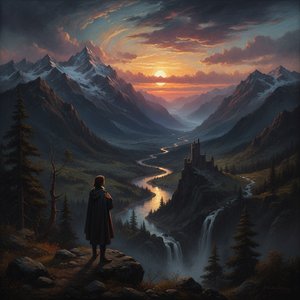
Capturing the Soul: The Emotional Majesty and Sublime Power of Romantic Landscape Painting
Explore the profound emotional depth of Romantic landscape painting. Discover how masters like Turner and Friedrich captured the sublime power of nature through intuition and imagination in this expert art history retrospective.

Capturing the Soul: The Emotional Magic and Sublime Grandeur of Romantic Landscape Painting
Explore the profound emotional depth of Romantic landscape painting. Discover how masters like Friedrich and Turner captured the sublime through light, shadow, and nature's power in this expert art history retrospective for discerning collectors.
Istražite umetnička dela organizovana prema temama, stilovima i karakteristikama.

