

 Pregledaj u prostoru
 Pošalji
 Podeli
 Detalji o delu
 Vodič
Vodič

 Preuzmi
 Slični predmeti
 Rendgenski snimak
 Automatska prezentacija
 Pitanja i odgovori
 Statistika
Interrogation

- 46.0 x 59.0 cm


George Grosz’s haunting ‘Interrogation,’ painted in 1938, confronts viewers with a brutal depiction of political repression and violence during the Weimar Republic era. The artist's sharp lines and unsettling imagery capture a moment of intense confrontation amidst blood-splattered walls—explore this dramatic masterpiece.
 Pročitaj više
Otkrijte Georgea Grosza (1893-1959), ključnog umetnika Berlinskog Dada i Nove objektivnosti. Istražite njegove satirične slike koje kritikuju Vajmarsku Republiku, fašizam i društvene nevolje kroz snažne karikature. Njegova dela su moćno svedočenje burnog perioda istorije.
Umetničko delo prikazano na ovoj stranici zaštićeno je autorskim pravima, što znači da zakonski nismo u mogućnosti da kreiramo niti prodajemo identičnu reprodukciju. Ova zaštita se sprovodi u skladu sa međunarodnim sporazumima kao što su Bernska konvencija i nacionalnim zakonima, uključujući i one koji su definisani u Američki zakon o autorskom pravu – Naslov 17.
Ovaj metod je u potpunosti usklađen sa regulativama o autorskim pravima jer ne podrazumeva kopiranje ili dupliranje zaštićenih umetničkih dela. Umesto toga, reč je o kreativnoj reinterpretaciji – novom slikarskom delu koje je inspirisano originalom, ali nije identično njemu.
Giclee štampa / Umetnički otisak
Giclée štampa ili print na platnu muzejskog kvaliteta uz brzu izradu i raznovrsne opcije završne obrade. ( Kupite ručno oslikano delo Pređi na digitalnu sliku)




P118B дин10

P118H дин10

P118W дин10

P438Z дин10

P508JH дин12

P508YH дин12

P805H дин10

P805Z дин10

P919BZ дин10

P919G дин10

P919XJ дин10

P959ZH дин10

P968JZ дин12

W106C дин8

W218G дин10

W218JH дин8

W218Y дин10

W307PJ дин10

W316G дин10

W316PJ дин8

W316Y дин10

W398PJ дин8

W4111J дин10

W500HY дин15

W500JH дин15

W692G дин12

W849H дин8

W940BG дин15

W953PJ дин8




Standardne dimenzije
po meri
CM
INCH
Izaberite jednu od naših unapred definisanih veličina koje odgovaraju originalnim proporcijama umetničkog dela.
Loading sizes...

širina
visina
Unesite željenu širinu i visinu kako bi se štampa uklopila u vaš ram ili zid. Štampu je moguće samo iseći, ali nikada povećati iznad dimenzija originalne slike, stoga format sa drugačijim proporcijama uzrokuje gubitak dela slike. Pre početka štampe, poslaćemo vam digitalni prikaz radi potvrde. Slika prikazana na ovoj stranici ne predstavlja stvarni isrez — to pokazuje samo digitalni prikaz.
Dostava širom sveta () za 2 nedelje umesto uobičajenih 4/5 nedelja. (8 новембар)

Besplatna ekspresna dostava širom sveta

Visokokvalitetno laneno platno

Potpuno osiguranje transporta

Garancija povraćaja carine i uvoznih dažbina

Garancija vernosti boja

Politika povraćaja u roku od 100 dana (samo u slučaju nedostataka)

Garancija povrata 100% novca

Popust na više proizvoda
 Opcija sa staklom dostupna je samo za dimenzije manje od 110 cm

Interrogation
Giclee štampa / Umetnički otisak
Dimenzije reprodukcije
-


Ukupna cena
дин 7333
A Visceral Encounter with Shadows
In the haunting depths of George Grosz’s 1938 masterpiece, Interrogation, the viewer is not merely an observer but a silent witness to a moment of profound psychological and physical violation. The painting presents a scene of stark, unsettling tension: three men are locked in a grim confrontation within a room that feels heavy with the scent of dread. At the center of this drama, a man sits with his hands bound behind his back, his very posture a testament to vulnerability and resistance. Surrounding him, the figures of his interrogators loom, their presence injecting a palpable sense of menace into the composition. The room itself tells a story of recent violence; bloodstains mar the floor and walls, suggesting that the interrogation is but one chapter in a larger cycle of brutality. This is not a static portrait, but a living, breathing fragment of a much darker narrative, capturing the precise second where tension threatens to erupt into tragedy.
To gaze upon this work is to experience the raw power of Brutal Realism infused with the jagged, emotive distortions of Expressionism. Grosz, a master of dissecting the societal rot of his era, eschews the polished aesthetics of traditional academic art in favor of a more visceral truth. His technique relies on sharp, angular lines and a deliberate use of light and shadow to amplify the dramatic conflict. The artist utilizes oil on canvas to create a surface that feels almost tactile; one can sense the weight of the textures as they depict the grim reality of the setting. The stark contrasts do not merely illuminate the subjects but serve to carve them out of the darkness, emphasizing the psychological torment etched into their features and the cold, unforcketing atmosphere of the room.
The Echoes of a Crumbling Republic
To understand the profound emotional impact of Interrogation, one must look toward the turbulent landscape of late Weimar Germany. Created in 1938, as the shadows of fascism were lengthening across Europe, the painting serves as a chilling reflection of the political polarization and systemic violence that defined the era. Grosz, a prominent figure in the Berlin Dada and New Objectivity movements, used his brush as a weapon to indict the moral decay of his time. This specific work carries deep personal and historical resonance, referencing the persecution and even the murder of figures like the anarchist Erich Mühsam. The painting captures the pervasive disillusionment of an intellectual class caught between the collapse of democracy and the rise of an oppressive new order.
For the discerning collector or interior designer, Interrogation offers more than just a striking visual; it provides a profound conversation piece that explores themes of power, justice, and human resilience. As a high-quality reproduction, this piece brings a sophisticated, intellectual gravity to any space, whether it be a private study, a gallery, or a curated contemporary living area. It is an artwork for those who appreciate the capacity of fine art to confront uncomfortable truths and to find beauty in the unflinching examination of the human condition. Owning such a work is an invitation to engage with history, to contemplate the fragility of peace, and to celebrate the enduring power of the artist's voice against the tide of silence.
Pitanja i odgovori
Gde mogu videti originalno delo „Interrogation”, autor Џорџ Грос?
Originalno delo "Interrogation" možete videti u muzeju Ben Uri Gallery and Museum, London, Ujedinjeno Kraljevstvo.
Ko je kreirao "Interrogation" i u kom je stilu?
Џорџ Грос je kreirao/la "Interrogation" u okviru Expressionist Satire pokreta.
Kome se pripisuje delo "Interrogation"?
Delo "Interrogation" je kreirao/la Џорџ Грос. Informacije na ovoj stranici opisuju originalno delo umetnika Џорџ Грос.
Biografija umetnika
Satiričar Rušenih Svetova: Život i Umjetnost Džordža Groša
Džordž Gros, rođen kao Georg Ehrenfried Groß u Berlinu 1893. godine, bio je vizuelni hroničar društvenog propadanja i političkih previranja. Njegova umjetnost nije bila samo *dio* svog vremena – burnih Weimarske Republike i uspona fašizma – već visceralna reakcija na njega, žestoka optužnica izražena oštrim linijama i grotesknim karikaturama. Gros nije jednostavno prikazivao Berlin; on ga je rastavljao, otkrivajući njegovu moralnu trulež bez zadrške. Rani dani njegovog života obeležena su nestabilnošću nakon smrti oca, što je njegovu majku nateralo da upravlja oficirskim klubom, postavljajući mladog Georga u svet pruskog militarizma i rigidnih društvenih hijerarhija – svet koji će kasnije nemilosrdno satrirati. Njegovo formalno umjetničko obrazovanje započelo je pedantnim kopijama tradicionalnih holandskih majstora poput Eduarda von Grütznera, usavršavajući tehničke veštine pre nego što je napustio akademske konvencije za mnogo provokativniji put. Ta rano stečena disciplina, ipak, pružila je temelj na kome će se izgraditi njegov jedinstveni izražajni stil.Dadaizam, Nova Objektivnost i Rođenje Kritičkog Vida
Grosov umjetnički razvoj bio je neraskidivo povezan sa avangardnim pokretima koji su procvetali u posratnoj Nemačkoj. Postao je centralna figura berlinskog Dadaizma, prihvatajući njegov nihilistički duh i antietablišmentsku žestinu. Međutim, za razliku od nekih svojih dadaističkih savremenika koji su uživali u čistoj apsurdnosti, Gros je usmerio buntovnu energiju Dadaizma u oštru društvenu kritiku. Njegovi radovi iz tog perioda – dela poput *Jame* (1921) i *Stubova Društva* (1926) – su žarke optužnice nemačke buržoazije, vojne elite i korumpiranog političkog sistema koji je doveo naciju do katastrofe. Njemu nije bila važna estetska lepota; tražio je da šokira, provocira i razotkriva licemerje. Ta posvećenost društvenoj kritici evoluirala je u njegovo učešće u *Novoj Objektivnosti* (Neue Sachlichkeit), pokretu karakterizovanom realističkim, ali nesentimentalnim prikazom savremenog života. Iako je delio fokus Nove Objektivnosti na realizam, Gros ga je obogatio jedinstvenom gorčinom koja ga je razlikovala od drugih umetnika povezanih sa grupom. Njegove slike i crteži nisu bili samo reprezentacije stvarnosti; to su bili izobličeni odrazi društva koje se urušava.Egzil i Transformacija: Novi Svet, Promenjeni Stil
Uspon nacizma naterao je Groša u egzil 1933. godine. Pronašao je utočište u Sjedinjenim Državama, gde je postao državljanin 1938. godine. Ta relokacija obeležila je značajnu prekretnicu u njegovoj umjetničkoj karijeri. Uklonjen iz neposrednog konteksta koji je podsticao njegov najsnažniji rad i suočen sa drugačijim skupom društvenih i političkih stvarnosti, Grosov stil je počeo da se menja. Overtno agresivne karikature ustupile su mesto smirenijim pejzažima i portretima, često obojenim osećajem melanholije i razočaranja. Iako je nastavio da izlaže i predaje na Art Students League u Njujorku, njegov rad nije imao sirovu energiju berlinskog perioda. Borio se da pronađe svoje mesto u novoj sredini, suočavajući se sa osećajima otuđenosti i umjetničke nesigurnosti. Apokaliptični vizioni koji su se pojavili tokom tog vremena – slike pustih pejzaža i fragmentiranih figura – odražavali su ne samo užase koji su se odvijali u Evropi, već i njegovu sopstvenu unutrašnju borbu.Nasleđe i Trajna Relevantnost
Džordž Gros se vratio u Berlin 1959. godine, nedugo pre smrti, dirljiv povratak gradu koji ga je inspirisao i proganjao. Njegovo nasleđe prevazilazi istorijski kontekst Weimarske Nemačke. On ostaje moćan primer umetnika koji se usudio da suoči neprijatne istine i ospori društvene norme.- Satirična Moć: Grosova majstorija u upotrebi karikature nastavlja da inspiriše umjetnike i komentatore danas.
- Društvena Kritika: Njegova neustrašiva kritika društvenih mana ostaje iznenađujuće relevantna u svetu koji se još uvek bori sa nejednakostima, korupcijom i političkom polarizacijom.
- Istorijski Svedok: Njegova umjetnost pruža dragocen uvid u društvenu i političku klimu međuratne Nemačke, nudeći visceralno razumevanje snaga koje su dovele do Drugog svetskog rata.

Џорџ Грос
1893 - 1959 , Nemačka
Osnovne informacije
- Artistic Movement Or Style: Dadaizam, Nova objektivnost
- Date Of Birth: 26. jul 1893.
- Date Of Death: 6. jul 1959.
- Full Name: Đorđe Gros
- Nationality: Nemac
- Notable Artworks:
- Jaza
- Agitator
- Stubovi društva
- Place Of Birth: Berlin, Nemačka
Povezani članci

25 Remek-dela iz Državnih Muzeja Berlina: Umetnička Baština za Vaš Dom
Istražite 25 remek-dela Državnih muzeja Berlina! Otkrijte priče iza Nefertiti, slika iz Pergama i drugih ikona umetnosti. Inspiracija za dekoraciju enterijera & reprodukcije vrhunskog kvaliteta na TopImpressionists.com.

The Sharpest Wit: A Historical Exploration of Satire in Visual Culture
Explore the history of satire in art! From ancient masters like Aristophanes to Goya & Grosz, discover how artists use wit and critique to reflect—and challenge—society. Expert insights at TopImpressionists.

Dramatic Masterpieces: 10 Artworks for a Powerful Home Decor Statement |
Explore 10 dramatic artworks by masters like Caravaggio, Van Gogh & Munch. Uncover the stories behind these powerful paintings and find museum-quality reproductions to transform your home decor. Discover all masterpieces on .
Figurative Expressionism: Emotional Intensity & Subjective Reality in 20th-Century Art
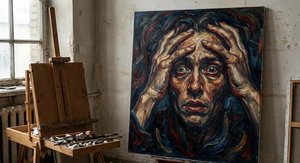
Explore the powerful world of Figurative Expressionism with TopImpressionists. Discover key artists like Kirchner & Beckmann, understand its emotional depth, and learn how to collect this influential 20th-century art movement.

The Sharpest Wit: A Critical Exploration of Satire in Art History – From Hogarth to Contemporary Critique
Explore the history of satire in art! From Hogarth's London to contemporary critique, discover how artists use wit & visual power to reflect and challenge society. Expert insights at TopImpressionists.
Istražite umetnička dela organizovana prema temama, stilovima i karakteristikama.


