


 Pregledaj u prostoru
 Podeli
 Podeli
 Detalji
 Vodič
Vodič

 Preuzmi sliku
 Slični predmeti
 Rendgenski snimak
 Automatska prezentacija
 Statistika
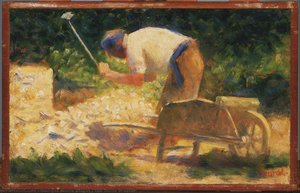
The Mower
 Oil On Canvas
- WallArt
- Post-Impressionism
 1882
1882- 19th Century
 16.0 x 25.0 cm
 Metropolitan Museum of Art
Experience the luminous tranquility of Georges Seurat's The Mower, a Post-Impressionist masterpiece utilizing Pointillism to capture light and nature, now available as a stunning hand-painted reproduction for your home.
 Pročitaj više
Georges Seurat je francuski umetnik poznat po tehnici bojenja koja koristi male svetle tačke boja koje stvaraju efekat žarenja – poinilizam. Poznat je po velikim delima kao što su „Veliki jat“ i „Baterije na ostrvu La Grande Jatte“, revolucionarnoj teoriji boje i umetničkom inovacijama.
Giclee štampa / Umetnički otisak
Giclée štampa ili print na platnu muzejskog kvaliteta uz brzu izradu i raznovrsne opcije završne obrade. ( Naručite ručno oslikano reprodukciju Pređi na prodaju digitalnih slika)




P118B дин10

P118H дин10

P118W дин10

P438Z дин10

P508JH дин12

P508YH дин12

P805H дин10

P805Z дин10

P919BZ дин10

P919G дин10

P919XJ дин10

P959ZH дин10

P968JZ дин12

W106C дин8

W218G дин10

W218JH дин8

W218Y дин10

W307PJ дин10

W316G дин10

W316PJ дин8

W316Y дин10

W398PJ дин8

W4111J дин10

W500HY дин15

W500JH дин15

W692G дин12

W849H дин8

W940BG дин15

W953PJ дин8




Standardne dimenzije
po meri
CM
INCH
Izaberite jednu od naših unapred definisanih veličina koje odgovaraju originalnim proporcijama umetničkog dela.
Loading sizes...

širina
visina
Unesite širinu i visinu koja vam je potrebna, kako bi se uklopili u vaš ram ili na vaš zid. Štampa se može samo iseći, nikada ne može biti veća od originalne slike, stoga format sa drugačijim proporcijama gubi deo slike. Poslaćemo vam digitalni prikaz radi potvrde pre nego što započnemo štampu. Slika prikazana na ovoj stranici ne pokazuje stvarni rez — to pokazuje samo digitalni prikaz.
Dostava širom sveta () za 2 nedelje umesto uobičajenih 4/5 nedelja. (25 октобар)

Besplatna ekspresna dostava širom sveta

Visokokvalitetno laneno platno

Sveobuhvatno osiguranje transporta

Garancija povraćaja carine i uvoznih dažbina

Garancija vernosti boja i autentičnosti pri reprodukciji

Politika povraćaja u roku od 100 dana (samo u slučaju nedostataka)

Garancija povrata 100% novca

Popust pri većoj količini
 Opcija sa staklom dostupna je samo za dimenzije manje od 110 cm

The Mower
Giclee štampa / Umetnički otisak
Veličina reprodukcije
-


Ukupna cena
дин 7114
Georges Pierre Seurat: A Symphony of Light and Precision – Exploring “The Mower”
Georges Pierre Seurat, a name synonymous with innovation and meticulous observation within the Post-Impressionist movement, irrevocably altered the landscape of painting in late 19th century France. Born in Paris on December 2nd, 1859, his artistic journey began amidst a burgeoning fascination for scientific principles – specifically optics – which would ultimately propel him to create one of the most recognizable and influential artworks of his era: “The Mower.” Now housed at The Metropolitan Museum of Art in New York City, this deceptively simple depiction holds profound significance beyond its tranquil subject matter.
- Composition & Technique
- Artistic Significance – Pointillism’s Delicate Dance
- Context Within Seurat's Oeuvre – A Prelude to Grandeur
- Relevance in Modern Art – Echoes of Genius Across Generations
Composition & Technique: Capturing Tranquility Through Scientific Precision
"The Mower," measuring just 16 x 25 cm, is executed with remarkable care using oil on canvas. Seurat’s genius lay not merely in capturing a rural scene but in applying his groundbreaking technique – Pointillism – to achieve an unprecedented level of luminosity and color vibrancy. Unlike Impressionists who blended pigments wet-on-wet, Seurat painstakingly applied tiny dots of pure pigment onto the canvas surface. This method, rooted in Helmholtz’s theory of color perception, aimed to stimulate the eye's ability to synthesize colors optically, resulting in a shimmering effect that transcends mere representation.
- Detailed Observation
- Optical Mixing – Illusion of Depth and Texture
- The Role of Color Theory
Artistic Significance – Pointillism’s Delicate Dance
While “The Mower” doesn't showcase the full extent of Seurat’s later explorations into Chromoluminarism—where he utilized a broader palette and manipulated tonal gradations—it represents an essential step in establishing Pointillism as his signature style. The painting brilliantly portrays a solitary farmer diligently cutting grass with a scythe, bathed in dappled sunlight. A bird soaring overhead introduces a subtle element of dynamism against the backdrop of stillness, emphasizing the artist’s focus on capturing not just what is seen but how it feels—a profound sense of calm and contemplative engagement.
- Symbolism – Labor and Rural Life
- Emotional Resonance – Serenity and Mindfulness
Context Within Seurat's Oeuvre – A Prelude to Grandeur
"The Mower" precedes Seurat’s monumental masterpiece, “A Sunday Afternoon on the Island of La Grande Jatte,” marking a pivotal moment in his artistic development. However, it stands alone as an exemplary embodiment of his early aesthetic sensibilities—a desire to distill complex visual information into its purest form. Alongside this serene depiction are other notable works like Landscape at Saint-Ouen and The Gardener, all residing within The Musée de l'Annonciade and numerous private collections. These pieces underscore Seurat’s unwavering commitment to exploring the interplay between observation and artistic expression.
- Influence on Later Artists
- Connecting Impressionism & Avant-garde Movements
Relevance in Modern Art – Echoes of Genius Across Generations
Georges Seurat’s legacy extends far beyond the confines of 19th century France. His innovative techniques and stylistic vision continue to inspire artists today, demonstrating the enduring power of artistic experimentation and intellectual curiosity. “The Mower,” with its masterful use of color and composition, serves as a testament to Seurat's ability to transform everyday life into an extraordinary visual experience—a timeless reminder that beauty can be found in simplicity and precision.
Pitanja i odgovori
Da li je „The Mower”, Žorž Pjer Ser poznato umetničko delo?
"The Mower" je klasifikovan kao Iconic.
Šta prikazuje „The Mower”, Žorž Pjer Ser?
Teme prisutne u delu „The Mower”, Žorž Pjer Ser obuhvataju rural landscape, farming, scythe, bird flight, tranquility, color theory, pointillism. Zajedno one sažimaju suštinu ovog umetničkog dela.
Koju temu i atmosferu spaja „The Mower”, Žorž Pjer Ser?
„The Mower“ prikazuje rural landscape, farming, scythe, bird flight, tranquility, color theory, pointillism, a njegov upečatljiv raspoloženje je Serene.
Srodna umetnička dela


Biografija umetnika
Život i delo Đorđa Seurata: Pioniр Optičke Preciznosti
Đorđe Pјer Seurat, rođen u Parizu 2. decembra 1859. godine, predstavlja ključnu figuru u prelazu iz impresionizma u moderno umetničko stvaralaštvo. Njegova kratka, ali intenzivna karijera revolucionisala je slikarstvo razvoјem pointilizma, tehnike zasnovane na naučnim principima i neprestanoj potrazi za optičkom istinom. Priča o Seuratu je priča o pažljivom posmatranju, intelektualnoj staloženosti i dubokoj osetljivosti za nijanse svetlosti i boja – kvaliteti koji su ga izdvajali od njegovih savremenika i nastavljaju da fasciniraju publiku širom sveta. Njegov raniji život, iako naizgled konvencionalan, postavio je temelјe za buduće umetničke ekspresije. Porodična kuća preselila se na Bulevar Magenta ubrzo nakon njegovog rođenja, a otac, Anćoa Kristo Seurat, bivši pravni službenik koji je uspešno spekulirao nekretninama, obezbedio je udobno odrastanje koje je mladom Đorđu omogućilo pristup umetničkom obrazovanju. Počeo je formalnu edukaciju u Školi za skulpturu i crtanje pod mentorstvom vajara Žistina Lekijena, nakon čega se upisao na prestižnu školu Le Beau-Žars 1878. godine, gde je učio kod Enрија Lemanа. Ove godine su u njemu utisnule čvrsti temelj tradicionalnih tehnika, a već tada se nazirala jedinstvena umetnička ličnost – spoj nežne osetljivosti i rastuće fascinacije sistematskom analizom.Od Akademskih Početaka do Hromo-luminarizma
Seuratov umetnički razvoj nije bio nagli skok u inovaciju, već postepena evolucija podstaknuta intelektualnom radoznalošću i rigoroznim eksperimentisanjem. U početku je njegov rad odražavao akademske standarde tog vremena, demonstrirajući veštinu crtanja i poštovanje prema uspostavljenim kompozicijskim principima. Međutim, ubrzo je počeo da dovodi u pitanje ove konvencije, tražeći pristup slikanju koji bi bio naučniji. Uronio se u oblast teorije boja, proučavajući dela naučnika poput Mišela Evžena Ševreula i Odžena Ruda, koji su istraživali optičke efekte međusobno nadopunjujućih boja. Ova istraživanja postala je kamen temelјac njegove revolucionarne tehnike – hromo-luminarizma, nauke o boji, i njene praktične primene, pointilizma. Osnovna ideja bila je jednostavna: nanošenje malih, izrazitih tačkica čiste boje na platno, oslanjajući se na to da će oko posmatrača optički sjediniti te tačke i stvoriti živahni, luminiozni efekat. To nije bilo samo o postizanju svetlijih boja; reč je bila o razumevanju kako vizuelni sistem čoveka percipira svetlost i boju i korišćenje tog znanja da se kreira dinamičnije i privlačnije iskustvo slikanja. Pažljivo se pripremao za svoje velike kompozicije sa crtežima u konté kredama na gruboj površini papira, pažljivo mapirajući poziciju svake tačkice, demonstrirajući gotovo matematičku preciznost u svom umetničkom procesu.Prepoznatljivi Ostaci: Glavna dela i Umetnička Vizija
Kulminacija Seuratovih istraživanja i eksperimenata najbolje se ogleda u A Sunday Afternoon on the Island of La Grande Jatte (1884-1886), monumentalnom delu koje je obeležilo početak neoimpresionizma. Ova ikonična slika, koja prikazuje Parižane koji uživaju u opuštenoj popodnevnoj aktivnosti pored Scene, pokazuje njegov pointilistički pristup u punom sjaju. Figure, renderovane kao pažljivo postavljene tačkice boja, deluju kao da prelamaju svetlost i vibriraju, stvarajući atmosferu smirene ćutnje. Alfalfa, Saint-Denis (1886-1887) demonstrira njegovu primenu teorije boja na ruralni pejzaž, dok su ranija dela poput Landscape at Saint-Ouen (1882-1883) pokazuju njegovu razvijajući stil i rastući interes za hvatanje efekata svetlosti i atmosfere. Čak su i prizori modernog pariškog života, kao što je The Eiffel Tower (1889), transformisani putem njegove jedinstvene tehnike, pokazujući skladnu kombinaciju industrijske moderne i umetničke inovacije. Bathers at Asnières (1884), još jedno značajno delo, istraživao je teme razonode i modernog života sa svojim karakterističnim stilom, najavljujući rafiniraniji pristup koji se vidi u *La Grande Jatte*. Ove slike nisu bile samo reprezentacije scena; bile su pažljivo konstruisani vizuelni eksperimenti dizajnirani da istraže mogućnosti boje i percepcije.Trajni Uticaj: Uticaj i Istorijski značaj
Uprkos tragično kratkom životu – Seurat je umro u dobi od samo 31 godine 1891. godine – njegov uticaj na umetnički svet bio je dubok i sveobuhvatan. Njegovo delo je izazvalo tradicionalne umetničke konvencije, otvarajući put za brojne sledeće pokrete. Naglasak na subjektivnom izrazu i istraživanju novih tehnika rezonirao je sa umetnicima koji su težili da se oslobode akademskih ograničenja. Seuratov uticaj može se videti u delima fauvista, koji su prihvatili jarke boje i ekspresivne poteze kistom; kubista, koji su dekonstruisali oblike u geometrijske figure; i umetnika apstraktnog ekspresionizma, koji su prioritet davali emocionalnoj intenzivnosti i spontanom gestu. Njegov naučni pristup slikanju, iako prvobitno kontroverzan, na kraju je proširio definiciju umetničke mogućnosti. On je pokazao da može biti istovremeno intelektualno rigorozna i emotivno evokativna, sinteza koja nastavlja da inspiriše umetnike danas. Seuratovo nasleđe seže izvan njegovih tehničkih inovacija; ostavio je za sobom niz dela koji hvataju suštinu modernog života s nezabeleženom preciznošću i lepotom, čime je učvrstio svoje mesto kao istinskog pionira moderne umetnosti. Njegove slike ostaju svedočanstva moći posmatranja, eksperimentisanja i večite ljudske želje da razumeju svet oko sebe kroz prizmu umetničkog izraza.
Žorž Pjer Ser
1859 - 1891 , Француска
Brzi pregled
- Datum Rođenja: 2. decembar 1859.
- Datum Smrti: 29. mart 1891.
- Mesto Rođenja: Pariz, Francuska
- Nacionalnost: Francuski
- Puno Ime: Žorž Pjer Seurat
- Umetnici Ili Pokreti Pod Uticajem Ovog Umetnika:
- Fovizam
- Kubizam
- Apstraktni ekspresionizam
- Umetnici Koji Su Uticali Na Njega:
- Misel Ševreul
- Ogden Rud
- Umetnički Pokret Ili Stil: Neoimpresionizam, Pointilizam
- Značajna Dela:
- Ponedeljak popodne na Grande Jateu
- Kupači u Asnijeru
- Alfalfa, Sent-Denis
Srodni članci

Iza svetlosti i boje: Impresionizam protiv postimpresionizma za diskriminatornog kolekcionara
Istražite suptilne razlike između Impresionizma i Postimpresionizma sa TopImpressionists-om. Saveti za kolekcionare, investicije u umetnost i vrhunske reprodukcije slika. Pronađite savršeno delo za vašu kolekciju!

Beyond Impressionism: Exploring the Emotional Depth of Post-Impressionist Painting
Explore the profound emotional depth & innovative techniques of Post-Impressionism with TopImpressionists. Discover Cézanne, Van Gogh, Gauguin & more – and their lasting impact on modern art.

Impresionizam protiv Postimpresionizma: Revolucija svetlosti i emocije u vrhunskoj umetnosti
Otkrijte fascinantnu razliku između impresionizma i postimpresionizma. Vodič kroz revoluciju svetlosti i emocije, namenjen ljubiteljima vrhunske umetnosti koji traže autentičnost i dubinu u svakom potezu četkice.

Beyond Impressionism: How Post-Impressionism Revolutionized Modern Art through Emotion and Structure
Explore the profound evolution of art from Impressionism to Post-Impressionism. Discover how masters like Van Gogh revolutionized color and emotion, shaping modern art history through structural innovation and expressive technique.

Postimpresionizma: 10 Remek Dela Koje Su Izmenila Umjetnost i Dekor
Otkrijte 10 remek dela postimpresionizma koja su revolucionisala umetnost! Van Gog, Monet, Sezan... Istorija, tehnika i emocije u svakoj slici. Inspiracija za vaš dom i vrhunske reprodukcije na TopImpressionists.com. Explore the full collection online!
Istražite umetnička dela organizovana prema temama, stilovima i karakteristikama.


