

Shown: · With its frame:
 Pregledaj u prostoru
 Pošalji
 Podeli
 Detalji o delu
 Vodič
Vodič

 Preuzmi
 Slični predmeti
 Rendgenski snimak
 Automatska prezentacija
 Q&A
Q&A Statistika


дин 28033
Ručno rađena uljana reprodukcija
Ručno oslikano uljanim bojama na platnu u dimenzijama i okviru po vašem izboru, izrađeno po porudžbini od strane naših umetnika. ( Pređi na štampu Pređi na digitalnu sliku)
Size
·Standardne dimenzije
po meri
CM
INCH
Izaberite jednu od naših unapred definisanih veličina koje odgovaraju originalnim proporcijama umetničkog dela.
Loading sizes...

širina
visina
Unesite potrebnu širinu i visinu kako bi se slika uklopila u vaš ram ili zid. Pošto je ovo ručno oslikano delo, umetnik može za dimenzije drugačijeg oblika naslikati malo više prostora oko slike ili malo skratiti ivice — izbor je na vama. Pre početka rada, poslaćemo vam digitalni prikaz radi potvrde. Slika prikazana na ovoj stranici ne predstavlja konačan rezultat — samo digitalni prikaz pokazuje stvarnu sliku.
 Pročitajte više
Finish
·
White дин1

Blurside дин1

Extended дин1

P118B дин10

P118H дин10

P118W дин10

P438Z дин10

P508JH дин12

P508YH дин12

P805H дин10

P805Z дин10

P919BZ дин10

P919G дин10

P919XJ дин10

P959ZH дин10

P968JZ дин12

W106C дин8

W218G дин10

W218JH дин8

W218Y дин10

W307PJ дин10

W316G дин10

W316PJ дин8

W316Y дин10

W398PJ дин8

W4111J дин10

W500HY дин15

W500JH дин15

W692G дин12

W849H дин8

W940BG дин15

W953PJ дин8

H24-GOLD дин30

H24-SILVER дин30

H36-GOLD дин45

H36-SILVER дин45
Shipped in a protective tube, ready for your own framer.
Above 105 cm the frame is shipped as a kit for a professional framer — read the details.
Extras
optionalWhat do the extras include?
Examples of what can be changed: Replace face with customer photo; Add pet (e.g., replace cat with dog); Include hidden message in background; Change background landscape or elements.
After order, TopImpressionists.com team will email client for instructions and provide a mockup preview
After order, TopImpressionists.com team will email client for instructions and provide a mockup preview
Svetska isporuka () za 3/4 nedelje umesto uobičajenih 5 nedelja. (1 новембар). Bez kompromisa po pitanju kvaliteta.
Zaštitni lak
Kratki opis natpisa
Detalji gravirane bronze ploče
This elegant plaque features the artist's name and the title of the artwork, finely engraved for a timeless presentation.
It is made from bronze with a refined, elegant finish. The text is precisely laser-engraved for a sharp and permanent result. Measuring 9x2 cm, the plaque is compact yet easy to read. It's built to be durable and scratch-resistant, offering a professional, museum-quality look. Mounting is simple thanks to the included adhesive backing.
Detalji prozirne akrilne pločice
The plaque includes essential engraved details such as the artist's name, the title of the artwork, the date it was created, the type of media used-like oil on canvas or watercolor-a brief description of the piece, and a QR code that links to the complete artwork information.
It is crafted from clear acrylic, offering a sleek, modern appearance. The text is UV-engraved in black to ensure strong visual contrast. With a size of 10x15 cm, it ensures optimal readability. It comes equipped with two metal hooks for secure wall mounting. The plaque is designed to be weather-resistant, making it suitable for various environments, and it includes interactive features that work seamlessly with smartphone scanning.
Detalji crne akrilne pločice
This elegant plaque includes engraved information such as the artist's name, the title of the artwork, the date it was created, the type of media used (like oil on canvas or watercolor), a short description of the artwork, and a QR code for quick access to more information.
The plaque itself is made from refined black acrylic with a premium finish. The text is laser-engraved in white for high contrast and readability. Its size is 10x15 cm, designed to be easy to read. It comes with two metal hooks for professional mounting. The design is sleek and fits any interior style. It is also weather-resistant and durable, with built-in digital integration for mobile compatibility.
Opcija sa staklom dostupna je samo za dimenzije manje od 110 cm
 Opcija sa staklom dostupna je samo za dimenzije manje od 110 cm
- Besplatna ekspresna dostava širom sveta
- Visokokvalitetno laneno platno
- Potpuno osiguranje transporta
- Garancija povraćaja carine i uvoznih dažbina
- Garancija vernosti boja
- Politika povraćaja u roku od 100 dana (samo u slučaju nedostataka)
- Garancija povrata 100% novca
- Popust na više proizvoda


Opis predmeta
Experience the elegance of Rococo art! Giovanni Domenico Tiepolo's 'Minuet,' painted in 1756, captures a lively Venetian ballroom scene with vibrant colors and masterful composition.
Biografija umetnika
Otkrijte Đovanija Domenika Tiepoloa, rokoko majstora i sina Đovanija Batista! Istražite njegove venecijanske freske i mitološka slikarstva koja prikazuju eleganciju i umetničku veštinu.
About the painting
A Symphony of Grace: The Rococo Splendor of Tiepolo’s Minuet
In the delicate dance of light and shadow, Giovanni Domenico Tiepolo’s 1756 masterpiece, "Minuet," invites the viewer into a world where the boundaries between the earthly and the divine dissolve. As a quintessential emblem of the Rococo movement, this work captures the very essence of eighteenth-century aristocratic elegance—a period defined by a thirst for frivolity, idealized beauty, and theatrical grandeur. To gaze upon this canvas is to step into the opulent social spheres of the Habsburg court, where every gesture is choreographed with refinement and every hue whispers of luxury. The painting does not merely depict a dance; it orchestrates an immersive experience, pulling the observer into a rhythmic celebration of life itself.
The composition is a masterclass in the Rococo aesthetic, characterized by its rejection of Baroque solemnity in favor of playful asymmetry and a luminous, pastel-driven palette. Tiepolo employs a breathtaking array of delicate creams, blush pinks, and shimmering golds that seem to glow from within, mirroring the sumptuous silks and intricate ornamentation found in the grandest European interiors. Through the expert use of trompe l'oeil techniques, the artist subtly blurs the lines between the painted surface and architectural reality, creating an illusionistic depth that makes the grand classical structures feel as though they are expanding into the viewer's own space. The light does not simply illuminate the figures; it dances across them, lending a palpable sense of atmosphere and movement to the entire scene.
Mythological Echoes and Symbolic Grandeur
Beyond its surface-level charm, "Minuet" is deeply interwoven with the mythological narratives that provided the intellectual backbone of the era. At the heart of this graceful ballet stands a statue of Diana, the goddess of hunting and chastity. This inclusion serves as a profound symbol of virtue and nobility, acting as a silent, watchful guardian over the festivities. The dancers and musicians, arranged in a rhythmic semi-circle, are positioned within an architectural setting reminiscent of ancient Roman temples, a deliberate choice by Tiepolo to ground the ephemeral joy of the dance in the eternal ideals of classical harmony and proportion. This juxtaposition suggests that even the most fleeting moments of human pleasure can be imbued with divine significance.
For the discerning collector or interior designer, "Minuet" offers more than just visual beauty; it provides a profound emotional resonance. The painting captures a sense of exuberant optimism and the effortless poise of a bygone era. Whether placed in a sun-drenched gallery or as a focal point in a sophisticated living space, a high-quality reproduction of this work brings with it an air of historical prestige and timeless sophistication. It is a piece that invites conversation, evoking the spirit of an age where art was a celebration of light, movement, and the enduring pursuit of grace.
Pitanja i odgovori
Kakvo je opšte raspoloženje dela „Minuet”, autor Đovani Domeniko Tiepolo?
„Minuet”, autor Đovani Domeniko Tiepolo se opisuje kao delo Elegant raspoloženja. Ovakva klasifikacija može pomoći u uklapanju dela u određeni ambijent.
U kojoj fazi karijere Đovani Domeniko Tiepolo se nalazi delo "Minuet", s obzirom na datum njegovog nastanka?
"Minuet", nastalo 1756. godine, pripada Mature Period u karijeri umetnika Đovani Domeniko Tiepolo.
Koji umetnik i koji stil stoje iza "Minuet"?
Delo "Minuet" delo je Đovani Domeniko Tiepolo u stilu Rococo Style. Umetnik i pravac definišu tradiciju ovog dela.
Quick facts and art quiz
About Đovani Domeniko Tiepolo
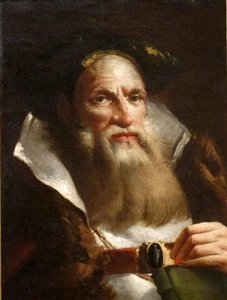
Đovani Domeniko Tiepolo
2007 - 1770, Italija
Biografija umetnika
Đovani Domeniko Tijepolo: Majstor rokokoskih fresaka
Đovani Domeniko Tijepolo (30. avgusta 1727. – 3. marta 1804) bio je istaknuti italijanski slikar i grafičar iz Republike Venecije. Prepoznat je kao vodeća figura rokokoskog stila, nasledivši i proširivši veličanstveno nasleđe svog čuvenog oca, Đovanija Batista Tijepoloa. Njegova karijera obuhvatila je nekoliko decenija, ostavljajući za sobom bogat korpus dela koji karakterišu vibrantne boje, dinamične kompozicije i elegantni prikazi mitoloških scena, portreta i pejzaža.
Rani život i obuka
Rođen u umetničkoj porodici, rani život Đovanija Domenika bio je duboko isprepleten sa svetom umetnosti. Njegov otac, Đovani Batista Tijepolo, slavni slikar poznat po svojim monumentalnim freskama, bio je njegov primarni mentor. Đovani Domeniko je prošao kroz rigoroznu obuku pod očevevom vođom, usvajajući tehnike i stilske nijanse koje će oblikovati njegov sopstveni umetnički razvoj. Takođe je profitirao od susreta sa drugim značajnim umetnicima tog vremena, uključujući Sebastijana Ričija i Federika Benkoviča, što je dodatno proširilo njegove umetničke horizonte. Kao mladić, često je pomagao ocu na velikim projektima, stičući neprocenjivo praktično iskustvo u slikanju fresaka.
Umetnička karijera i stil
Karijera Đovanija Domenika cvretala je tokom čitavog 18. veka. Uspostavio se kao vešt umetnik sposoban da stvara kako samostalna dela, tako i da doprinosi zajedničkim projektima. Iako je u početku blisko sarađivao sa ocem, postepeno je razvijao sopstveni, prepoznatljiv stil, zadržavom elemenata rokokoske estetike koja je u to vreme bila prevladala u venecijanskoj umetnosti. Njegov umetnički opus obuhvata freske, slike na platnu i grafike.
- Freske: Tijepolo je bio posebno poznat po svojim freskama, kojima je ukrašavao brojne lokacije širom Italije bogatim scenama. Značajni primeri uključuju freske u Palati Dolfin (Ca' Dolfin) na Velikom kanalu u Veneciji i plafon crkve Đezuati (Santa Maria del Rosario), takođe u Veneciji.
- Slike: Pored fresaka, stvorio je značajan broj slika na platnu, često prikazujući mitološke teme ili portrete. Primeri uključuju "Perseja i Andromeda" (pogledajte ovde), „Otmnju Evrope“ (pogledajte ovde) i "Lovca sa jelenom" (pogledajte ovde).
- Grafike: Tijepolo je takođe pokazao svoju veštinu u tehnici akvatinte i špicastog printa, kreirajući detaljne i ekspresivne printove kao što je "Sveti Avgustin, Lav Francuski, Jovan Krstitelj i Magni" (pogledajte ovde).
Uticaji i razvoj
Umetnički razvoj Đovanija Domenika bio je duboko pod uticajem njegovog oca, Đovanija Batista Tijepoloa. Nasledio je starijeg Tijepoloovu majstorstvo u boji, kompoziciji i narativnom pripovedanju. Međutim, stil se Đovanija Domenika evoluirao tako što je unela veći naglasak na žanrovske scene i prikaze svakodnevnog života, što ga je razlikovalo od očevih monumentalnijih i klasično inspirisanih dela. Takođe je pokazao interesovanje za teatralnost i pokret, što je očigledno u slikama poput "Pulčinela" (pogledajte ovde) i „Apoteoze Herakla“ (pogledajte ovde).
Istorijski značaj
Đovani Domeniko Tijepolo odigrao je ključnu ulogu u produžetku i evoluciji venecijanske rokokoske umetnosti. Iako je tokom svog života bio u senci očevog čuvenog imena, danas je priznat kao značajan umetnik za sebe. Njegove freske i slike nude dragocene uvide u umetničke ukuse i kulturne vrednosti Venecije i Italije 18. veka. Njegova sposobnost da spoji klasične teme sa savremenim senzibilitetom učvrstila je njegovo mesto unutar pokreta rokokoa, ostavljajući za sobom nasleđe živopisne umetnosti koja i danas očarava publiku.
Quick facts about Đovani Domeniko Tiepolo
- Artistic Movement Or Style: Roko stil
- Artists Who Influenced This Artist: ['Đovani Batista Tjepolo']
- Date Of Birth: 30. avgust 1727.
- Date Of Death: 3. mart 1804.
- Full Name: Đovani Domeniko Tjepolo
- Nationality: Italijan
- Notable Artworks:
- Persej i Andromeda
- Otmacija Evrope
- Lovac sa jelenom
- Sveti Avgustin
- Apolon i Dijana
- Apoteoza Herakla
- Place Of Birth: Venecija, Italija

Đovani Domeniko Tiepolo
Minuet
() ·
With its frame: · Hand-painted in oil on linen
Total