


 Pregledaj u prostoru
 Podeli
 Podeli
 Detalji
 Vodič
Vodič

 Preuzmi sliku
 Slični predmeti
 Rendgenski snimak
 Automatska prezentacija
 Statistika
Saddle cover
 Chalk
Chalk- Mannerism
 1585
1585- Renaissance
 183.0 x 235.0 cm
 Галерија Уфици
An intricate pattern of interlocking chains and delicate tassels defines this 1585 chalk masterpiece by Giuseppe Arcimboldo, offering a mesmerizing glimpse into Mannerist detail that you can bring to your own collection.
 Pročitaj više
Otkrijte Giuseppe Arcimbolda (1527-1593), italijanskog majstora manirizma poznatog po nadrealnim portretima sastavljenim od voća, povrća i predmeta. Istražite njegovu maštovitu umetnost koja je prethodila nadrealizmu i fascinira publiku vekovima!
Giclee štampa / Umetnički otisak
Giclée štampa ili print na platnu muzejskog kvaliteta uz brzu izradu i raznovrsne opcije završne obrade. ( Naručite ručno oslikano reprodukciju Pređi na prodaju digitalnih slika)




P118B $10

P118H $10

P118W $10

P438Z $10

P508JH $12

P508YH $12

P805H $10

P805Z $10

P919BZ $10

P919G $10

P919XJ $10

P959ZH $10

P968JZ $12

W106C $8

W218G $10

W218JH $8

W218Y $10

W307PJ $10

W316G $10

W316PJ $8

W316Y $10

W398PJ $8

W4111J $10

W500HY $15

W500JH $15

W692G $12

W849H $8

W940BG $15

W953PJ $8




Standardne dimenzije
po meri
CM
INCH
Izaberite jednu od naših unapred definisanih veličina koje odgovaraju originalnim proporcijama umetničkog dela.
Loading sizes...

širina
visina
Možete uneti sopstvene dimenzije kako biste umetničko delo prilagodili specifičnom okviru ili prostoru. Ako odabrani format ne odgovara proporcijama originalne slike, mi ćemo ili iscrtati deo dela ili proširiti sliku pomoću ogledane ivice ili jednobojnog popunjavanja. Digitalni prikaz će vam biti poslat na odobrenje pre početka proizvodnje.
Imajte na umu da pregled na ekranu ne odražava stvarno iscrtavanje ili proširivanje. Samo će prikaz (mockup) precizno pokazati finalnu kompoziciju.
Iako su prilagođene dimenzije dostupne, preporučujemo da odaberete dimenziju sa unapred definisane liste kako biste očuvali originalne proporcije.
Dostava širom sveta () za 2 nedelje umesto uobičajenih 4/5 nedelja. (26 септембар)

Besplatna ekspresna dostava širom sveta

Visokokvalitetno laneno platno

Sveobuhvatno osiguranje transporta

Garancija povraćaja carine i uvoznih dažbina

Garancija vernosti boja i autentičnosti pri reprodukciji

Politika povraćaja u roku od 100 dana (samo u slučaju nedostataka)

Garancija povrata 100% novca

Popust pri većoj količini
 Opcija sa staklom dostupna je samo za dimenzije manje od 110 cm

Saddle cover
Giclee štampa / Umetnički otisak
Veličina reprodukcije
-


Ukupna cena
$ 69
A Tapestry of Texture: The Intricate World of Arcimboldo’s Saddle Cover
In the vast, storied halls of the Galleria degli Uffizi, there exist works that demand a second, more lingering glance—pieces that reveal their secrets only to those willing to surrender to their minute details. Giuseppe Arcimboldo’s Saddle cover, dating from 1585, is precisely such a masterpiece. While the artist is globally celebrated for his surrealist personifications of flora and fauna, this particular work offers a different kind of enchantment. It is an exploration of pattern, a rhythmic dance of line and light that transcends its utilitarian subject matter to become a profound study in texture and decorative elegance.
The artwork presents a breathtakingly complex arrangement of interlocking chains and braids, rendered with such precision that the eye can almost feel the tactile weight of the woven material. The composition is a marvel of Mannerist sensibility, where the boundaries between drawing and ornament blur. Through a delicate use of blue chalk, gold, and wash on paper, Arcimboldo has breathed life into a static object, creating a sense of movement through the undulating paths of the braids. The tassels at the base of the piece serve as a graceful conclusion to the visual journey, their individual strands meticulously shaded to provide a sense of depth and three-dimensional presence that anchors the entire composition.
Mastery of Medium and Mannerist Innovation
To understand the brilliance of the Saddle cover, one must appreciate the technical audacity required by Arcimboldo’s chosen medium. During the late 16th century, the use of chalk and wash to achieve such high-fidelity detail was a testament to an innovative spirit that pushed the boundaries of traditional Renaissance techniques. The artist utilizes the subtle gradations of blue chalk to simulate shadows within the crevices of the braids, while the infusion of gold adds a regal, luminous quality that catches the light, much like the actual precious textiles of the Italian courts.
This piece embodies the essence of Mannerism—a style characterized by artifice, elegance, and a sophisticated complexity. There is no grand narrative or dramatic human figure here; instead, the drama lies in the execution of the pattern itself. For the discerning collector or interior designer, this artwork offers a unique opportunity to introduce a sense of historical luxury and intellectual depth into a space. It is a work that does not shout for attention but rather rewards the quiet observer with an endless discovery of fine lines and shimmering highlights.
An Inspiration for the Modern Interior
For those seeking to curate an environment of timeless sophistication, the Saddle cover serves as an exquisite touchstone. Its palette of soft blues, golds, and muted tones allows it to integrate seamlessly into a variety of high-end decor styles, from classical European aesthetics to contemporary minimalist settings. The rhythmic, repetitive nature of the pattern provides a calming yet stimulating focal point that can anchor a room, much like a fine piece of jewelry anchors an ensemble.
Owning a high-quality reproduction of this work is more than a mere decorative choice; it is an act of preserving a fragment of Renaissance ingenuity. Whether displayed in a sunlit study or as part of a curated gallery wall, the Saddle cover brings with it the spirit of the Uffizi and the whimsical genius of Arcimboldo. It invites guests to lean in closer, to trace the intricate braids with their eyes, and to lose themselves in the magnificent, woven dream of the 16th century.
Srodna umetnička dela


Biografija umetnika
Svet Reimaginovan: Enigmatična Umetnost Đuzepea Arčimbolda
Đuzepe Arčimboldo, ime koje evocira slike istovremeno maštovite i duboko čudne, ostaje jedna od najjedinstvenijih figura renesansne umetnosti. Rođen u Milanu 1527. godine, njegova karijera se odvijala na pozadini Evrope prožete intelektualnim nemirom, religioznim previranjima i nezasitnom radoznalošću prema prirodnom svetu. Iako je prvobitno bio priznat za konvencionalnija dela – freske koje krase katedrale i portrete koji se drže utvrđenih dvorških standarda – trajno nasleđe Arčimbolda leži u seriji kompozitnih glava izgrađenih isključivo od pažljivo aranžiranih predmeta: voća, povrća, cveća, knjiga, čak i muzičkih instrumenata. To nisu bile samo bezbrižne vežbe vizuelne spretnosti; to su bile složene alegorije, prožete simbolizmom koji je duboko rezonirao u renesansnom svetonazoru i nastavlja da fascinira publiku danas. Njegov otac, Biadžio Arčimboldo, bio je umetnik sam po sebi, pružajući mladom Đuzepeu rano umetničko obrazovanje i verovatno utičući na njegov početni ulazak u dizajn za vitraže i freske u milanskoj katedrali oko 1549. godine. Ovo temeljno iskustvo je usavršilo njegovu tehničku veštinu i oštro oko za detalje – kvalitete koje će postati obeležje njegovih kasnijih, nekonvencionalnijih kreacija.Dvorska Narudžbina i Uspon Jedinstvenog Stila
Arčimboldova putanja je doživela značajan preokret 1562. godine kada je imenovan za dvorskog portretistu Ferdinanda I na dvoru Habsburgovaca u Beču. Ovo je označilo početak više od dve decenije služenja kao umetnički polihistor tri uzastopna vladara Habsburgovaca: Maksimilijana II i njegovog sina Rudolfa II. Pored slikanja portreta – iako su čak i oni često pokazivali suptilne ekscentričnosti – Arčimboldove dužnosti obuhvatale dizajn kostima, dekoracije festivala i organizaciju carskih kolekcija. U ovom okruženju rafiniranog ukusa i intelektualne radoznalosti počeo je da cvetati njegov prepoznatljivi stil. Dvorska potražnja za novinama i spektaklom pružila je plodno tlo za eksperimentisanje, omogućavajući mu da se pomeri izvan tradicionalnog portretstva ka stvaranju svojih slavnih „kompozitnih glava“. One nisu rođene naglim impulsom, već su postepeno evoluirale, gradeći se na renesansnoj fascinaciji zagonetkama, zagonetkama i istraživanju skrivenih značenja u naizgled običnim predmetima. Uticaj ranijih umetnika koji su eksperimentisali sa efektima *trompe l'oeil* i izobličenim perspektivama se može detektovati, ali je Arčimboldo sintetisao ove elemente u nešto potpuno njegovo – jedinstven vizuelni jezik koji je osporio konvencionalne predstave.Dekodiranje Simbolizma: Više od Očiglednog
Odbaciti Arčimboldov rad kao puku maštovitost znači zanemariti njegovu duboku intelektualnu dubinu. Svaki predmet unutar njegovih kompozitnih portreta pažljivo je biran, opterećen simboličkim značenjem u vezi sa karakterom, profesijom ili društvenim statusom subjekta. Na primer, *Bibliotekar* nije samo lice izgrađeno od knjiga; to je suptilna kritika akademske pretencioznosti – komentar na one koji akumuliraju znanje bez pravog angažovanja sa njegovim sadržajem. Repovi životinja koji formiraju bradu predstavljaju prašine, nagoveštavajući zanemarene tomove koji se skupljaju na policama. Slično tome, njegovi portreti godišnjih doba – posebno *Vertumnus*, koji prikazuje cara Rudolfa II kao rimskog boga vrtova i promene – bogati su botaničkim simbolizmom, odražavajući carsku patronažu nauke i prirodne istorije. Oni nisu bili namenjeni za trenutno dešifrovanje; dizajnirani su da provociraju kontemplaciju, pozivajući gledaoce da otkriju slojeve značenja sakrivene u naizgled razigranom aranžmanu predmeta. Sama konstrukcija ljudskog lika od nežive materije služila je kao meditacija o međusobnoj povezanosti svih stvari – odraz verovanja renesansnog neoplatonizma u osnovnu harmoniju univerzuma.Nasleđe i Ponovno Otkriće: Preteča Nadrealizma
Uprkos svom uspehu tokom njegovog života, Arčimboldova reputacija je opala vekovima nakon njegove smrti 1593. godine. Njegov rad je često bio sveden na oblast radoznalica – cenjen zbog svoje tehničke veštine, ali odbacen kao da mu nedostaje ozbiljna umetnička vrednost. Tek u 20. veku se pojavila obnovljena procena za njegovu umetnost, podstaknuta usponom nadrealizma. Umetnici poput Salvadora Dalija prepoznali su u Arčimboldu srodnu dušu – vizionara koji se usuđivao da ospori konvencionalne percepcije i istražuje podsvest kroz neočekivane juxtapozicije slika. Uticaj Arčimbolda može se videti u Dalijevim sopstvenim sanljivim kompozicijama i njegovoj fascinaciji metamorfozom i iluzijom. Danas je Arčimboldo proslavljen kao ključna figura u istoriji umetnosti – prethodnik nadrealizma čija inovativna upotreba simbolizma i razigrana distorzija nastavlja da inspiriše umetnike i očarava publiku širom sveta. Njegove slike se nalaze u prestižnim muzejima poput Kunsthistorisches Museuma u Beču i Luvra u Parizu, osiguravajući da će njegova jedinstvena vizija nastaviti da rezonira za buduće generacije. Njegovo nasleđe je svedočenje trajne moći mašte i sposobnosti umetnosti da transformiše naše razumevanje sveta oko nas.
Ђузепе Арчимболдо
1527 - 1593
Brzi pregled
- Artistic Movement Or Style: Манеризам, Суреализам
- Artists Or Movements Influenced By This Artist:
- Салвадор Дали
- Суреализам
- Date Of Birth: 5. април 1527.
- Date Of Death: 11. јул 1593.
- Full Name: Ђузепе Арчимболдо
- Nationality: Италијан
- Notable Artworks:
- Цветани стил живота
- Четири годишња доба
- Вертумно
- Библиотекар
- Place Of Birth: Милан, Италија
Srodni članci
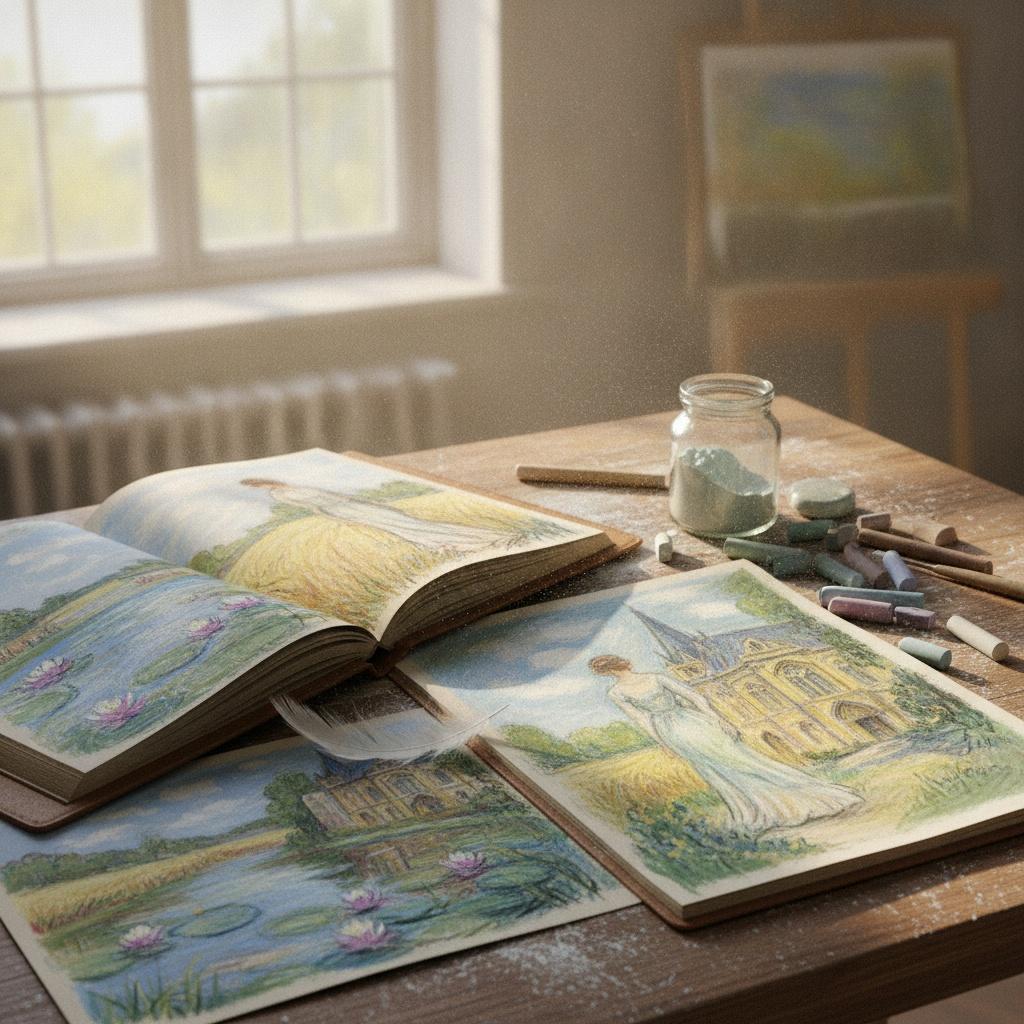
The Soft Magic of Chalk: Capturing Light, Texture, and the Ethereal Soul of Impressionist Masterpieces
Discover the ethereal beauty of pastel and chalk art. Explore how Impressionist masters like Van Gogh and Degas captured light and texture to create timeless, soulful masterpieces for the discerning collector.
Istražite umetnička dela organizovana prema temama, stilovima i karakteristikama.


