


 Pregledaj u prostoru
 Pošalji
 Podeli
 Detalji o delu
 Vodič
Vodič

 Preuzmi
 Slični predmeti
 Rendgenski snimak
 Automatska prezentacija
 Q&A
Q&A Statistika
Conversation under the Olive Trees


Experience Matisse's 'Conversation under the Olive Trees,' a stunning Fauvist masterpiece from 1921. Explore vibrant colors, tranquil scenes & art history.
 Pročitaj više
Henri Matis (1869-1954), vođa fauvizma, revolucionarni slikar poznat po intenzivnoj upotrebi boja i izrazitim formama. Otkrijte njegova dela kao što su 'Žute figure' i 'Crveni studio', simbol moderne umetnosti!
Giclee štampa / Umetnički otisak
Giclée štampa ili print na platnu muzejskog kvaliteta uz brzu izradu i raznovrsne opcije završne obrade. ( Kupite ručno oslikano delo Pređi na digitalnu sliku)




P118B дин10

P118H дин10

P118W дин10

P438Z дин10

P508JH дин12

P508YH дин12

P805H дин10

P805Z дин10

P919BZ дин10

P919G дин10

P919XJ дин10

P959ZH дин10

P968JZ дин12

W106C дин8

W218G дин10

W218JH дин8

W218Y дин10

W307PJ дин10

W316G дин10

W316PJ дин8

W316Y дин10

W398PJ дин8

W4111J дин10

W500HY дин15

W500JH дин15

W692G дин12

W849H дин8

W940BG дин15

W953PJ дин8




Standardne dimenzije
po meri
CM
INCH
Izaberite jednu od naših unapred definisanih veličina koje odgovaraju originalnim proporcijama umetničkog dela.
Loading sizes...

širina
visina
Unesite željenu širinu i visinu kako bi se štampa uklopila u vaš ram ili zid. Štampu je moguće samo iseći, ali nikada povećati iznad dimenzija originalne slike, stoga format sa drugačijim proporcijama uzrokuje gubitak dela slike. Pre početka štampe, poslaćemo vam digitalni prikaz radi potvrde. Slika prikazana na ovoj stranici ne predstavlja stvarni isrez — to pokazuje samo digitalni prikaz.
Dostava širom sveta () za 2 nedelje umesto uobičajenih 4/5 nedelja. (29 октобар)

Besplatna ekspresna dostava širom sveta

Visokokvalitetno laneno platno

Potpuno osiguranje transporta

Garancija povraćaja carine i uvoznih dažbina

Garancija vernosti boja

Politika povraćaja u roku od 100 dana (samo u slučaju nedostataka)

Garancija povrata 100% novca

Popust na više proizvoda
 Opcija sa staklom dostupna je samo za dimenzije manje od 110 cm

Conversation under the Olive Trees
Giclee štampa / Umetnički otisak
Dimenzije reprodukcije
-


Ukupna cena
дин 7147
Conversation under the Olive Trees: A Study in Color and Tranquility
Henri Matisse’s "Conversation under the Olive Trees," painted in 1921, is a captivating example of his mature Fauvist style. This oil on canvas artwork transports viewers to a serene Mediterranean landscape where two elegantly dressed women engage in quiet conversation beneath the shade of ancient olive trees. The painting exemplifies Matisse's dedication to color harmony and simplified forms, creating an atmosphere of peaceful contemplation.
The Artistic Style: Embracing Fauvism
Matisse was a leading figure in the Fauvist movement, which emerged in the early 20th century as a reaction against Impressionism. "Fauves," meaning “wild beasts,” was a term initially used derisively to describe these artists' bold and unconventional use of color. Unlike Impressionists who sought to capture fleeting moments of light and atmosphere, Fauvist painters like Matisse prioritized expressive color over realistic representation. In "Conversation under the Olive Trees," this is evident in the flattened perspective, simplified forms, and vibrant, non-naturalistic colors that define the scene.
Technique and Composition
The painting’s composition is carefully structured with three horizontal bands: the sky at the top, a landscape featuring olive trees and rolling hills in the middle, and the foreground occupied by the two women. Matisse employs loose, expressive brushstrokes that are clearly visible on the canvas, adding texture and dynamism to the scene. The use of color is deliberate and harmonious; blues, greens, and browns dominate the palette, creating a sense of tranquility while touches of warmer tones in the figures' clothing add visual interest. Matisse’s technique emphasizes the flatness of the picture plane, rejecting traditional perspective techniques in favor of a more decorative approach.
Historical Context and Symbolism
Painted in 1921, "Conversation under the Olive Trees" reflects Matisse’s increasing focus on decorative elements and simplified forms during his Nice period. Having settled in the South of France, Matisse was inspired by the region's light and landscape. The olive tree itself holds symbolic significance; it is a symbol of peace, wisdom, and abundance in Mediterranean cultures. The women's attire suggests a certain social standing and elegance, hinting at leisurely pursuits and refined conversation. While seemingly simple, the painting evokes a sense of timelessness and quiet contemplation, reflecting a desire for serenity amidst the complexities of the post-war era.
Emotional Impact and Legacy
"Conversation under the Olive Trees" is more than just a depiction of a scene; it's an exploration of mood and atmosphere. The painting’s subdued color palette and tranquil composition evoke feelings of peace, relaxation, and gentle contemplation. Matisse’s ability to convey such profound emotion through simplified forms and expressive colors solidified his reputation as one of the most influential artists of the 20th century. His innovative approach continues to inspire artists and captivate audiences worldwide, making "Conversation under the Olive Trees" a timeless masterpiece.
Pitanja i odgovori
Koje mesto zauzima „Conversation under the Olive Trees”, autor Анри Матис u istoriji umetnosti?
Umetnotorijališka klasifikacija dela „Conversation under the Olive Trees”, autor Анри Матис pripada pravcu Post-Impressionism, iz perioda Modern.
Koji umetnički pravac pripada delu "Conversation under the Olive Trees"?
„Conversation under the Olive Trees“ je delo Post-Impressionism pokreta. Ovaj pokret označava umetničku tradiciju kojoj je delo pripada.
Koju emociju prenosi delo "Conversation under the Olive Trees" u okviru Post-Impressionism pokreta?
Tranquil emocija dela "Conversation under the Olive Trees" prati njegov Post-Impressionism stil.
Biografija umetnika
Život Uronut u Boju: Svet Enrija Matisa
Enri Emil Benoît Matis, rođen 31. decembra 1869. godine u malom severnom francuskom gradu Le Cateau-Cambrésis, nije bio namenjen životu ispunjenom pigmentima i formama. Nakon srednje škole prvobitno je studirao pravo u Parizu, ali mu se put dramatično promenio nakon napada slepog creva 1889. godine. Tokom oporavka otkrio je latetnu strast koja je planula jednostavnim činom slikanja uz pomoć seta umetničkih materijala koje mu je poklonila majka. To nije bila samo razonoda; to je bilo otkriće – prekretnica koja ga je odjurila od pravnih dokumenata prema svetu u kojem bi boja postala njegov jezik, a platno njegovo carstvo. Odrastajući u Bohain-en-Vermandois, kao sin trgovaca žitom, Matis se na početku činilo da je malo verovatno da će prihvatiti boemski život umetnika, ali seme je bilo posejano, negovano oporavkom i procvetalo u celoživotnu posvećenost. Upisao je Akademiju Žulijan, a zatim École Nationale des Beaux-Arts, gde je učio kod Vilima-Adolfa Bugroea i Gustava Moreaua, usvajajući klasične tehnike koje će poslužiti kao temelj za njegove buduće inovacije. Rani radovi odražavali su ovu akademsku obuku, pokazujući veštinu, ali bez prepoznatljivog glasa koji bi uskoro definisao njega.Zora Fauvizma i Smele Eksperimentacije
Ključni trenutak nastupio je 1896. godine tokom posete Belle Île sa australijskim slikarom Džonom Raselom. Ovaj susret se pokazao transformativnim. Rasel ga je upoznao sa živopisnim svetom impresionizma, a još važnije, sa emotivno nabijenim platnima Vinsenta van Goga. Uticaj je bio dubok. Ekspresivna upotreba boje Van Goga razbila je Matisovu dotadašnju ograničenu paletu, podstičući ga na hrabriji, subjektivniji pristup. Počeo je da se odmiče od zemljanih tonova, prihvatajući nijanse koje rezoniraju sa emocijama, a ne sa strogim prikazom. Ovo istraživanje kulminiralo je pojavom fauvizma oko 1905. godine – pokreta u kojem je Matis postao vodeća figura. Sam naziv, što znači „divlje zvijeri“, prvobitno je bio podrugljiv, dodeljen grupi zbog šokantno živopisnih i nestvarnih slika izloženih na Salonu d’Automne. Matis, zajedno sa umetnicima kao što su Andre Deren i Moris de Vlaminck, zagovarao je intenzivnu boju kao samostalan element ekspresije, pojednostavljujući oblike kako bi pojačao njen uticaj. Slike poput The Gourds (1905) ilustruju ovaj stil – jurnjava crvenih, zelenih i žutih boja primenjenih sa slobodom koja je ignorisala tradicionalnu perspektivu i mimetiku. Ključne karakteristike uključivale su intenzivno zasićene palete, pojednostavljene oblike, ekspresivne poteze kista i nameran odlazak od konvencionalnog predstavljanja u korist emocionalne rezonancije.Raširivanje i Dekorativna Harmonija
Nakon prvog žara fauvizma, Matisov stil je prošao kroz suptilnu, ali značajnu evoluciju. Iako nikada nije napustio svoju ljubav prema boji, njegov rad je postao rafiniraniji, naginjući dekorativnoj estetici koja je naglašavala spljoštene oblike i složene šare. Istraživao je teme razonode, domaćinstva i ljudske figure u mirnim okruženjima, stvarajući kompozicije koje su bile istovremeno harmonične i emotivno rezonantne. Preseljenje u Nicu na francuskoj rivijeri 1917. godine dodatno je uticalo na ovaj pomak, prožimajući njegov rad osećajem smirenosti i klasične ravnoteže. Počeo je da se fokusira na kreiranje okruženja – slika, skulptura i dekorativnih predmeta – koja su obuhvatila gledaoca atmosferom lepote i mira. Tokom ovog perioda eksperimentisao je sa različitim medijima, uključujući keramiku i tekstil, proširivši svoju umetničku viziju izvan tradicionalnog platna. On nije samo prikazivao scene; konstruisao je svetove dizajnirane da izazovu određeni emocionalni odgovor.Kasnije Godine: Inovacija Kroz Ograničenja
Kada su mu slabosti zdravlja ograničile sposobnost slikanja na konvencionalan način, Matis se upustio u izvanrednu novu fazu svog umetničkog putovanja – stvaranje kolaža od isečenog papira, ili *découpages*. Počeo je oko 1947. godine, kao odgovor na potrebu. Ograničen kolicima, fizički nije mogao da stoji i slika, ali je još uvek mogao manipulisati papirom makazama. Ono što je počelo kao praktično rešenje evoluiralo je u revolucionarnu tehniku umetnosti. Bojio bi velike listove papira u živopisnim bojama, a zatim ih sekao u oblike – organske forme, lišće, figure – i slagao na platno, stvarajući kompozicije koje su bile istovremeno dinamične i zavaravajuće jednostavne. Ovi *découpages* nisu bili samo zamena za slikanje; predstavljali su novi način razmišljanja o boji, obliku i kompoziciji. Nastavio je svoje celoživotno istraživanje ovih elemenata, pokazujući trajne umetničke vizije čak i u suočavanju sa fizičkim ograničenjima.- Tehnika isečenog papira omogućila mu je da postigne čistoću oblika i boje koja je bila teška za postizanje bojom.
- Ovi radovi često su se odnosili na ranije teme i motive iz njegovih slika, ali ih predstavljali na nov i inovativan način.
- Demonstrirali su njegovu sposobnost da se prilagođava i razvija kao umetnik tokom celog svog života.
Trajno Nasleđe: Matisov Uticaj na Modernu Umetnost
Enri Matis je umro u Nici 1954. godine, ostavivši iza sebe delo koje nastavlja da inspiriše i očarava publiku širom sveta. Njegov uticaj na umetnički svet je neuporediv; on je osporio konvencionalne ideje o predstavljanju, zagovarao ekspresivnu moć boje i prokrčio put budućim generacijama umetnika. Često se smatra zajedno sa Pablom Piksom kao jednom od najuticajnijih figura u 20. veku, Matis je fundamentalno oblikovao modernizam. Njegovo nasleđe se proteže izvan samih umetničkih dela – obuhvata filozofiju koja slavi radost, lepotu i transformativni potencijal boje. On nije samo slikao ono što je video; stvarao je emotivno iskustvo za gledaoca, pozivajući ih da podelimo njegovu viziju sveta okupanog svetlom i živopisnim nijansama. Matis's uticaj se može videti u bezbrojnih dela umetnika iz različitih disciplina, čime je učvrstio svoje mesto kao pravog majstora moderne umetnosti – slikara koji se usudio da vidi svet ne onakav kakav jeste, već onakav kakav bi mogao biti, ispunjen bojom, harmonijom i beskrajnom mogućnošću.
Анри Матис
1869 - 1954 , Francuska
Osnovne informacije
- Datum Rođenja: 31. decembar 1869.
- Datum Smrti: 3. novembar 1954.
- Mesto Rođenja: Le Katio-Kambrezi, Francuska
- Nacionalnost: Francuski
- Pokreti/Umetnici Uticajni:
- Modernizam
- Ekspresionizam
- Puno Ime: Enri Matis
- Umetnički Pokret: Fauvizam
- Uticali Umetnici:
- Van Gog
- Šardin
- Rusel
- Značajna Dela:
- The Gourds (Tikve)
- Laurette in a White Turban
Povezani članci
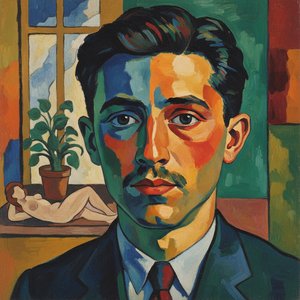
Henri Matisse: A Revolutionary Use of Color and Form in Modern Art
Explore the revolutionary art of Henri Matisse! Discover his bold use of color, Fauvist origins, and lasting impact on modern painting. A comprehensive guide for art enthusiasts.

The Wild Beast Within: Exploring Fauvism's Revolutionary Use of Color and Form
Explore the revolutionary Fauvism movement & Henri Matisse's bold use of color! Discover key characteristics, iconic artworks, and its lasting impact on modern art history with TopImpressionists.

Henri Matisse: 25 Remek-dela koji definišu boju i modernu umetnost | TopImpressionists
Uronite u svet Henri Matissea! Istražite 25 remek-dela Fauvizma i moderne umetnosti. Otkrijte priče iza slika, tehnike i inspiraciju slavnog francuskog slikara. Reprodukcije vrhunskog kvaliteta dostupne na TopImpressionists.com.

Fauvism's Boldest Visions: 10 Masterpieces That Revolutionized Modern Art | TopImpressionists
Explore 10 Fauvist masterpieces by Matisse, Derain & Vlaminck that ignited Modern Art! Discover bold colors, expressionist landscapes & the history of this revolutionary movement. Find museum-quality prints at TopImpressionists.com.
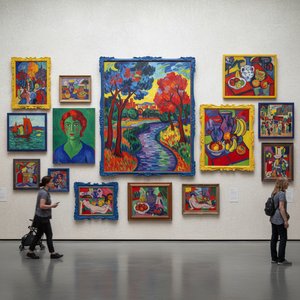
Fovizam: 10 Remek Dela Koje Su Definisali Ovaj Revolucionarni Pokret
Otkrijte 10 remek dela fovizma – umetnosti boja i emocija! Istražite radove Matisa, Deraina i Vlamincka. Naučite o ekspresionizmu i modernoj umetnosti. Pronađite inspiraciju za svoj enterijer na TopImpressionists.com!
Istražite umetnička dela organizovana prema temama, stilovima i karakteristikama.


