Pregledaj u prostoru
 Podeli
 Podeli
 Detalji
 Vodič
Vodič

 Preuzmi sliku
 Slični predmeti
 Rendgenski snimak
 Automatska prezentacija
 Statistika
Тriptico Хајвајн
 Ulje na panelu
- Northern Renaissance
 1504
1504- Renesansa
 100.0 x 100.0 cm
Тriptico Хајвајн - Задивљите се сложеним детаљима и симболизмом овог ренесансне шемерија из музеја Прадо у Мадриду! Истражите мистерију и лепоту Бошховог дела.
 Pročitaj više
Хијеронимиј Бош (1450-1516), ренесансни холандски мајстор сурреализма и симболизама, познат по својим емоционалним и дивљим делима као што су Садржаље земљних радости и Последње суђење – трајан утицај на историју слике.
Ručno rađena uljana reprodukcija
Ručno oslikano uljanim bojama na platnu u dimenzijama i okviru po vašem izboru, izrađeno po porudžbini od strane naših umetnika. ( Pređi na prodaju štampanih primeraka Pređi na prodaju digitalnih slika)




P118B дин10

P118H дин10

P118W дин10

P438Z дин10

P508JH дин12

P508YH дин12

P805H дин10

P805Z дин10

P919BZ дин10

P919G дин10

P919XJ дин10

P959ZH дин10

P968JZ дин12

W106C дин8

W218G дин10

W218JH дин8

W218Y дин10

W307PJ дин10

W316G дин10

W316PJ дин8

W316Y дин10

W398PJ дин8

W4111J дин10

W500HY дин15

W500JH дин15

W692G дин12

W849H дин8

W940BG дин15

W953PJ дин8




Standardne dimenzije
po meri
CM
INCH
Izaberite jednu od naših unapred definisanih veličina koje odgovaraju originalnim proporcijama umetničkog dela.
Loading sizes...

širina
visina
Unesite širinu i visinu koja vam je potrebna, kako bi se uklopili u vaš ram ili zid. Pošto je ovo ručno oslikano delo, umetnik može naslikati malo više prostora oko slike ili malo skratiti ivice za dimenzije drugačijeg oblika — izbor je na vama. Pre početka rada, poslaćemo vam digitalni prikaz radi potvrde. Slika prikazana na ovoj stranici ne predstavlja konačan rezultat — samo digitalni prikaz pokazuje stvarnu sliku.
Primeri mogućih izmena: Zamena lica fotografijom kupca; Dodavanje ljubimca (npr. zamena mačke psom); Uključivanje skrivene poruke u pozadini; Promena pejzaža ili elemenata pozadine.
Nakon narudžbine, tim TopImpressionists.com će klijentu putem e-pošte poslati uputstva i dostaviti prikaz predloženog rešenja
Nakon narudžbine, tim TopImpressionists.com će klijentu putem e-pošte poslati uputstva i dostaviti prikaz predloženog rešenja
Svetska isporuka () za 3/4 nedelje umesto uobičajenih 5 nedelja. (20 октобар). Bez kompromisa po pitanju kvaliteta.

Besplatna ekspresna dostava širom sveta

Visokokvalitetno laneno platno

Sveobuhvatno osiguranje transporta

Garancija povraćaja carine i uvoznih dažbina

Garancija vernosti boja i autentičnosti pri reprodukciji

Politika povraćaja u roku od 100 dana (samo u slučaju nedostataka)

Garancija povrata 100% novca

Popust pri većoj količini
 Opcija sa staklom dostupna je samo za dimenzije manje od 110 cm

Тriptico Хајвајн
Tehnika izrade reprodukcije
Veličina reprodukcije
-


Ukupna cena
дин 63300
Triptih „Voz Hajduča“: Remek-delo umetnosti severne renesanse
Pregled dela
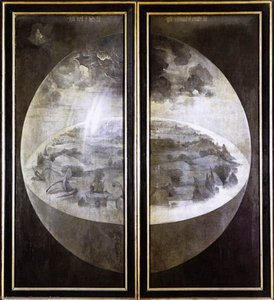
Triptih „Voz hajduča“ (The Haywain Triptych) autora Jeronimusa Bohša predstavlja očaravajuće remek-delo koje oličuje jedinstveni stil ovog umetnika i njegov duboki simbolizam. Nastalo oko 1504. godine, ovo trodelno delo je zadivljujući primer umetnosti severne renesanse, prepoznatljivo po svojim zamršanim detaljima, bogatim bojama i složenim narativima koji vode posmatrača kroz prostranstva ljudske sudbine.Kompozicija i stil
Struktura triptiha sastoji se od tri panela, od kojih svaki pripoveda zasebnu, ali međusobno povezanu priču. Levi panel prikazuje spokojni pejzaž sa figurama u različitim aktivnostima, što verovatno predstavlja raj ili biblijski narativ o početku. Centralni panel ispunjen je haosom i konfliktom, fokusiranim oko velike stenske formacije okružene likovima u nevolji. Desni panel, pak, portretiše uništenje i nasilje, simbolizujući posledice greha ili apokalipsu. Bohšova upotreba linija, oblika i tekstura stvara dinamičnu kompoziciju koja vodi oko posmatrača kroz svaku scenu. Detaljan prikaz figura i njihovih izraza lica dodaje emocionalnu dubinu scenama, čineći ovaj triptih bogatim i složenim umetničkim delom koje ne prestaje da intrigira.Tehnika i materijali
„Voz hajduča“ je naslikan na drvenim panelima korišćenjem tempera ili uljanih boja, što je bilo tipično za taj period. Bohšova tehnika uključuje finu upotrebu četkice, slojevitost i pedantnu pažnju posvećenu svakom detalju. Upotreba perspektive i osvetljenja ukazuje na visok nivo veštine, pojačavanjem dubine i realizma scena koje izgledaju gotovo kao snovi.Istorijski kontekst
Jeronimus Bohš, rođen oko 1450. godine u ’s-Hertogenboschu u Holandiji, bio je istaknuti holandski slikar poznat po svojim nadrealnim i maštovitim prikazima religioznih tema. Uprkos nedostatku biografskih informacija, Bohšova umetnost je imala dubok uticaj na umetnost severne Evrope, naročito u 16. veku. Ovaj triptih prati sličan narativ kao i Bohšova druga dela, poput „Bašte zemaljskih uživanja“. Bio je deo grupe od šest slika koje je španski kralj Filip II preuzeo 1570. godine, a kasnije su ponovo sastavljeni u muzeju Prado u Madridu, gde se i danas čuva.Simbolizam i emocionalni uticaj
Triptih „Voz hajduča“ prepun je simbolike, pri čemu svaki panel prenosi snažnu poruku. Mirna atmosfera levog panela predstavlja harmoniju ili religiozne teme, dok haos centralnog panela simbolizuje ljudsku borbu i greh. Uništenje na desnom panelu služi kao upozorenje o posledicama iskušenja ili samom kraju sveta. Emocionalni uticaj triptiha je moćan, izazivajući širok spektar osećanja – od potpune spokojnosti do unutrašnjeg nemira. Kontrast između mirnog levog dela, haotičnog centra i destruktivnog desnog panela stvara narativni tok koji angažuje posmatrača na više nivoa istovremeno.Zašto izabrati reprodukciju?
Za ljubitelje umetnosti, kolekcionare i enterijeriste koji žele da unesu dodir istorijske veličine u svoje prostore, visokokvalitetna reprodukcija „Voza hajduča“ predstavlja odličan izbor. Ovo remek-delo ne samo da poboljšava estetsku privlačnost bilo koje prostorije, već služi i kao tema za razgovor koja budi radoznalost i divljenje. Na TopImpressionists.com nudimo ručno oslikane reprodukcije na platnu, osiguravajući da svaki detalj i boja budu verno preneti. Unesite vanvremensku lepotu umetnosti Jeronimusa Bohša u svoj dom ili kancelariju uz naše vrhunske reprodukcije.Pitanja i odgovori
Koja upotreba i prostor se preporučuju za „Тriptico Хајвајн”, Јеронимијус Бош?
Upotreba (Podsticanje razgovora) i prostor (Dnevna soba) su dve preporučene opcije za „Тriptico Хајвајн”, Јеронимијус Бош.
Da li je "Тriptico Хајвајн" poznato delo Northern Renaissance pokreta?
„Тriptico Хајвајн”, Јеронимијус Бош je klasifikovan kao kultne institucije i pripada pokretu Northern Renaissance.
Kakvu bojnu harmoniju prikazuje „Тriptico Хајвајн”, Јеронимијус Бош?
„Тriptico Хајвајн”, Јеронимијус Бош prikazuje Snažan koloristički jedinstvenost kolorističku harmoniju.
Biografija umetnika
A Netherlandish Enigma: The Life and Art of Hieronymus Bosch
Born around 1450 in the vibrant, bustling town of ’s-Hertogenbosch in the Netherlands—then part of Brabant—Hieronymus Bosch, originally Jheronimus van Aken, remains one of art history’s most compelling and mysterious figures. His world was steeped in late medieval religious fervor, folklore, and a growing sense of societal unease, all of which would profoundly shape his uniquely unsettling artistic vision. Coming from a family with a long tradition of painting—his grandfather, Jan van Aken, and father, Anthonius van Aken, were both artists—Bosch likely received his earliest training within the family workshop, absorbing the techniques and conventions of Netherlandish painting. However, even in his formative years, he began to diverge from established norms, hinting at the extraordinary imagination that would define his career. Biographical details are frustratingly scarce; records are fragmented, leaving much open to speculation and interpretation, adding to the aura of mystique surrounding both the man and his work. He married Aleyt Goyaerts van den Meerveen sometime before 1481, a union that provided him with some financial security through her family’s holdings, but little else is known about their personal life. Fantastical Visions and Symbolic Depths Bosch's artistic style is instantly recognizable—a captivating blend of meticulous detail and wildly imaginative imagery. He primarily worked with oil on oak panels, demonstrating a masterful command of the medium, achieving luminous colors and intricate textures. While his early works show influences from traditional Netherlandish painting, particularly in their realism and attention to detail, he quickly moved beyond mere imitation, developing a profoundly original vision. His paintings are not simply representations of reality; they are allegorical landscapes populated by bizarre creatures, hybrid beings, and unsettling scenes that seem plucked from dreams—or nightmares. Religious themes form the core of much of his work, but these are rarely straightforward depictions of biblical stories. Instead, Bosch uses symbolism to explore complex moral and theological concepts, often focusing on the dangers of sin, the fragility of earthly pleasures, and the inevitability of divine judgment. His creatures—grotesque demons, fantastical animals, and strangely human figures—are not merely decorative elements; they are embodiments of vice, temptation, and spiritual corruption. The blending of the sacred and the profane, the beautiful and the grotesque, creates a uniquely unsettling effect that continues to captivate viewers centuries later.Masterpieces of Moral Allegory
Among Bosch’s most celebrated achievements is The Garden of Earthly Delights (c. 1490-1510), a triptych that remains one of the most enigmatic and debated works in art history. When opened, it presents a panoramic vision of paradise, earthly life, and hell—a complex allegorical representation of humanity’s fall from grace. The left panel depicts the Garden of Eden, teeming with fantastical creatures and lush vegetation; the central panel portrays a world consumed by sensual pleasure and unrestrained desire; and the right panel offers a terrifying glimpse into the torments of hell. The Triptych of the Last Judgement (c. 1480-1490) is another powerful example of his skill in portraying both heavenly bliss and infernal torment, while The Ascent of the Blessed (c. 1480-1490) demonstrates his ability to create ethereal and dreamlike scenes. Even smaller works like Epiphany (c. 1495) showcase his innovative use of oil on wood and complex symbolism, revealing a mind constantly grappling with profound questions about faith, morality, and the human condition.Influences and Artistic Development
Bosch’s artistic trajectory reveals a gradual shift from conventional Netherlandish painting to an increasingly personal and expressive style. Early works demonstrate considerable skill in depicting realistic figures and landscapes—traits inherited from his family tradition—but he quickly abandoned these techniques in favor of bolder colors, more dramatic compositions, and a preoccupation with unsettling imagery. Scholars suggest possible connections to medieval folklore, religious texts—particularly those emphasizing apocalyptic themes—and the prevailing anxieties of the time, including fears of heresy and social upheaval. However, it’s clear that Bosch synthesized these elements into something entirely new and uniquely his own. His artistic vision was profoundly shaped by humanist ideas circulating in Europe during his lifetime, prompting him to question established dogma and explore psychological dimensions previously ignored by artists. He absorbed influences from artists like Pieter Bruegel the Elder, whose landscapes conveyed moral lessons with a similar blend of realism and symbolism.Legacy and Enduring Influence
Identifying Bosch’s direct influences is a challenging task, given the originality of his vision. Scholars suggest possible connections to medieval folklore, religious texts—particularly those emphasizing apocalyptic themes—and the prevailing anxieties of the time, including fears of heresy and social upheaval. However, it's clear that he revolutionized Netherlandish painting by introducing unprecedented levels of psychological complexity and symbolic depth. His impact on subsequent artists is undeniable. Pieter Bruegel the Elder directly followed in his footsteps, adopting similar themes and compositional techniques, while later movements, such as Surrealism, also drew inspiration from Bosch’s dreamlike imagery and exploration of the subconscious. Artists like Salvador Dalí and Max Ernst openly acknowledged their debt to his unsettling visions. Even today, Bosch's work continues to fascinate and provoke debate, solidifying his place as a master of Netherlandish painting and a visionary artist whose influence extends far beyond his own time. His paintings offer valuable insights into the religious, social, and psychological climate of the late 15th and early 16th centuries, challenging conventional norms and paving the way for new forms of artistic expression. He died in 1516, leaving behind a body of work that continues to haunt and inspire, ensuring his enduring legacy as one of art history’s most singular and unforgettable voices.
Јеронимијус Бош
1450 - 1516 , Holandija
Brzi pregled
- Artistic Movement Or Style: Surrealizam i simbolizam
- Artists Or Movements Influenced By This Artist: ['Pieter Bruegel stariji']
- Date Of Birth: c. 1450
- Date Of Death: 1516
- Full Name: Hieronymus Bosch
- Nationality: Nizozemski
- Notable Artworks:
- Posljednji Sud
- Odvijanje Svete Duše
- Epifanska Križanje
- Place Of Birth: Den Bosch, Nizozemska
Srodni članci

Whispers of the Soul: Discovering the Sacred Beauty and Intricate Devotion of Early Medieval Art
Embark on a soulful journey through Early Medieval art. Explore the sacred beauty of illuminated manuscripts, Byzantine gold leaf, and the profound spiritual symbolism that shaped history. Discover the timeless devotion captured in every intricate detail.

Divine Light & Golden Splendor: A Journey Through the Sacred Grandeur of High Medieval Art
Embark on a soulful journey through High Medieval art. Explore the divine light of Gothic cathedrals, Byzantine splendor, and sacred masterpieces that shaped Western history with our expert-led cultural reflections.
Istražite umetnička dela organizovana prema temama, stilovima i karakteristikama.