

 Pregledaj u prostoru
 Podeli
 Podeli
 Detalji
 Vodič
Vodič

 Preuzmi sliku
 Slični predmeti
 Rendgenski snimak
 Automatska prezentacija
 Statistika
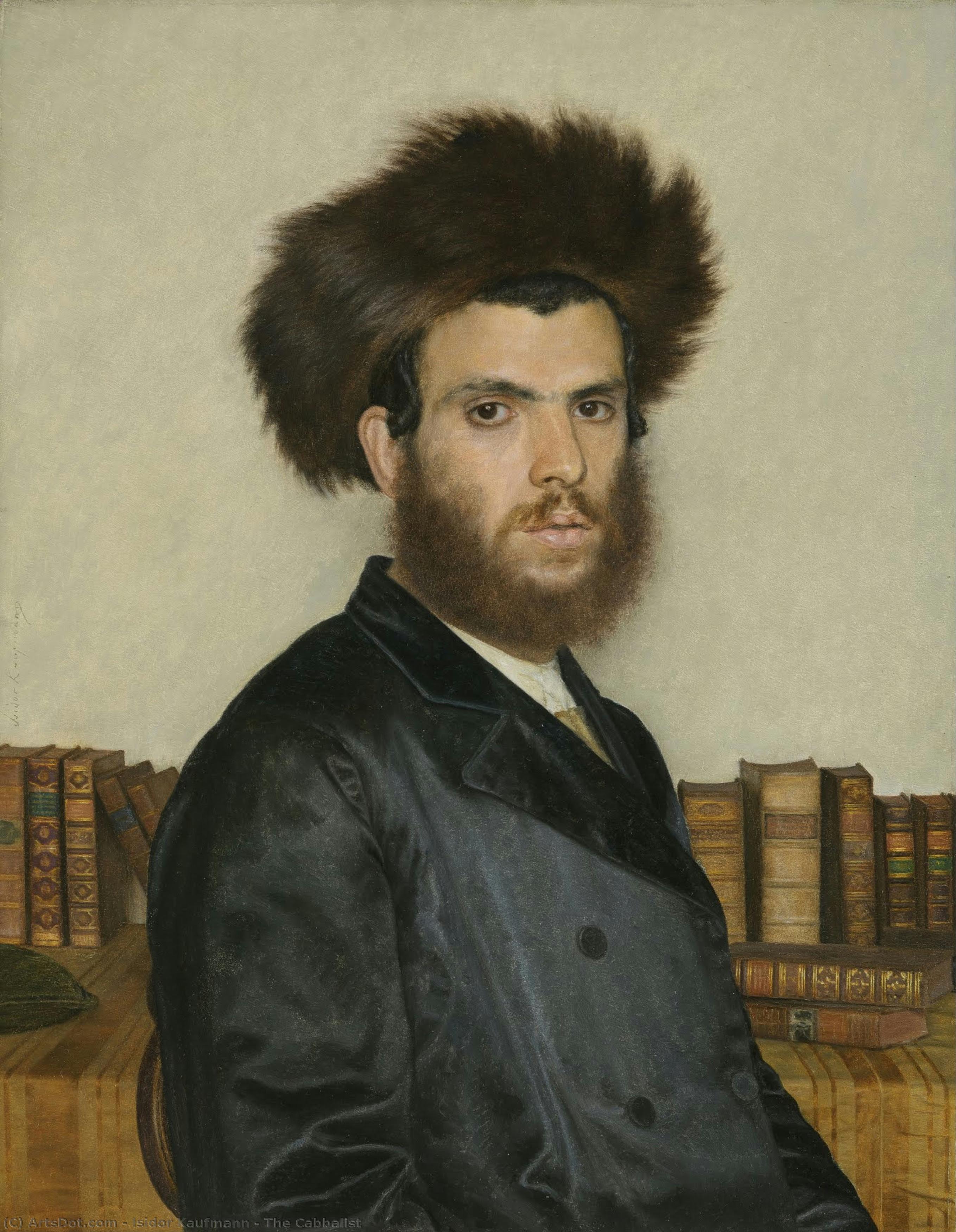
The Cabbalist
 Acrylic On Canvas
- WallArt
- Realism
 1910
1910- 19th Century
 44.0 x 35.0 cm
 Jevrejski muzej
A poignant 1910 portrait by Isidor Kaufmann captures a Jewish scholar immersed in Cabbalistic studies, showcasing the artist’s masterful depiction of Hasidic life in Eastern Europe. Discover this evocative artwork and bring its rich history into your space.
 Pročitaj više
Otkrijte dirljiva žanrovska dela Isidora Kaufmana koja prikazuju jevrejski život u Istočnoj Evropi. Istražite njegova upečatljiva dela koja prikazuju hasidističke zajednice i istorijske trenutke.
Kupite digitalnu sliku visoke rezolucije i poboljšanog kvaliteta, koja je znatno superiornija od onoga što vidite u online prikazu.
Svaka datoteka je pedantno pripremljena od strane naših stručnjaka koristeći napredne alate i profesionalnu ručnu retušu. Osiguravamo da svaka slika ima izuzetnu oštrinu, preciznu reprodukciju boja i fine detalje.
Konačna datoteka se dostavlja putem e-pošte u roku od 72 sata, optimizovana za neposrednu upotrebu u profesionalnim, izdavačkim i štamparskim okruženjima. To je isti kvalitet kojem veruju vrhunski studiji dizajna, izdavači i galerije.
Digitalna slika
Preuzmite datoteku visoke rezolucije za ličnu upotrebu, štampanje i kreativne projekte. ( Pređi na prodaju štampanih primeraka Naručite ručno oslikano reprodukciju)
Uključeno uz svaku porudžbinu digitalne slike
Ekspertska digitalna isporuka, zagarantovana
Kada odaberete TopImpressionists.com, ne dobijate samo sliku – vi primate profesionalno unapređeno digitalno umetničko delo, izrađeno sa najvećom preciznošću i uz garanciju zadovoljstva. Evo svega što automatski dolazi uz vašu porudžbinu:

Brza dostava putem e-pošte
Vaša digitalna slika visoke rezolucije biće vam poslata putem e-pošte u roku od 72 sata od poručivanja – spremna za trenutnu upotrebu.

Digitalna datoteka unapređena veštačkom inteligencijom
Vaše umetničko delo je profesionalno optimizovano primenom naprednih AI alata i ručne obrade, čime se osiguravaju maksimalni detalji, oštrina i preciznost boja.

Besplatna doživotna ponovna isporuka
Slučajno ste obrisali ili izgubili svoju datoteku? Ne brinite – poslaćemo vam je ponovo u bilo kom trenutku, potpuno besplatno.

Bez troškova uvoza – zauvek
Uživajte u svojim umetničkim delima trenutno, bez carine, akciza ili troškova dostave – digitalni download je uvek bez poreza.

Garancija preciznosti boja
Uz pomoć profesionalnih alata i upravljanja bojama, osiguravamo da vaša digitalna slika što vernije odražava originalne boje.

Garancija zadovoljstva u roku od 100 dana
Ako niste zadovoljni svojom digitalnom slikom, izvršićemo reviziju ili ćemo vam vratiti 100% novca u roku od 100 dana – bez ikakvih pitanja.

100% garancija povrata novca
Niste zadovoljni? Dobijte puni povraćaj novca u roku od 100 dana od prijema digitalne datoteke – bez suvišnih pitanja.

Popusti na velike porudžbine
Kupite 3 slike, uštedite 10% - Kupite 5 slika, uštedite 15% - Kupite 10+ slika, uštedite 20%. Odlično za kreativne projekte, galerije i agencije.
Isidor Kaufmann’s ‘The Cabbalist’: A Window into Eastern European Jewish Life
TopImpressionists presents a meticulously crafted hand-painted reproduction of Isidor Kaufmann's “The Cabbalist,” an arresting portrait painted in 1910 that offers a rare and intimate glimpse into the world of Hasidic scholarship. Measuring 44 x 35 cm, this work transcends a simple likeness; it’s a carefully constructed tableau brimming with symbolic weight and reflecting the profound spiritual life of a community largely untouched by the sweeping changes of the early 20th century.
- Subject & Composition: The painting centers on a man – presumably a ‘Cabbalist,’ as the title suggests – seated in what appears to be a study. His weathered face, framed by a neatly trimmed beard and a worn hat, speaks of years spent immersed in contemplation and learning. The arrangement of books surrounding him isn’t merely decorative; it's a deliberate composition that underscores his intellectual pursuits and connection to ancient wisdom.
- Artistic Style & Technique: Kaufmann’s style is firmly rooted in the traditions of Austro-Hungarian genre painting, characterized by its realism and attention to detail. The brushwork is precise yet imbued with a subtle warmth, suggesting a deep understanding of his subject's character and environment. He employs a muted color palette – predominantly browns, grays, and ochres – which contributes to the painting’s solemn and contemplative mood.
A Portrait of Faith: Historical Context & Kaufmann’s Vision
Painted in 1910, “The Cabbalist” captures a pivotal moment in the history of Hasidic Judaism. Isidor Kaufmann (1853-1921), born in Arad, Romania, dedicated his artistic career to documenting the lives and traditions of these communities, primarily in Poland and Romania. His work emerged during a period of significant social and religious change, as traditional Jewish life faced increasing pressure from modernity. Kaufmann’s portraits weren't simply representations; they were acts of preservation, meticulously recording a way of life on the verge of disappearing.
Born to Hungarian Jewish parents, Kaufmann initially pursued commerce before discovering his true calling in painting. His training at the Landes-Zeichenschule in Budapest and subsequent studies at the Vienna Academy of Fine Arts – though initially met with rejection – ultimately shaped his distinctive artistic voice. He was profoundly influenced by Professor Trenkwald, who guided him toward a more focused approach to depicting Jewish life.
Symbolism & Interpretation
The inclusion of numerous books is laden with symbolic meaning within the context of Kabbalah, the mystical branch of Judaism. These volumes represent not just knowledge but also a connection to generations of scholarship and spiritual tradition. The man’s posture – seated, absorbed in his studies – embodies the contemplative nature of this pursuit. The hat, a traditional Jewish head covering, further reinforces his identity and religious devotion. Kaufmann's ability to capture such nuanced details speaks volumes about his deep respect for his subject and his commitment to portraying authentic Jewish life.
Emotional Impact & Collecting
"The Cabbalist" is more than just a beautiful painting; it’s a poignant reminder of a vanishing world. This hand-painted reproduction offers collectors and interior designers alike the opportunity to own a piece of art history, imbued with spiritual significance and artistic merit. Its evocative depiction of scholarly devotion will undoubtedly add depth and character to any space, serving as a constant source of contemplation and appreciation for the rich tapestry of human culture.
Biografija umetnika
Hroničar nestalog sveta
Isidor Kaufmann predstavlja jedinstvenu figuru u istoriji austrougarske umetnosti, poznat po svojim dirljivim žanrovskim slikama koje prikazuju svakodnevni život i duhovne tradicije hasidskih zajednica širom Poljske i Rumunije. Rođen 1853. godine u Aradu, tada u Mađarskoj, a danas u Rumuniji, Kaufmann je došao u svet umetnosti kroz sudbonosne okolnosti koje su ga na kraju pretvorile u jednog od najistaknutijih hroničara jevrejske kulture kasnog 19. veka. Iako je prvobitno težio komercijalnoj karijeri, njegova prava vokacija proiskrsla je tokom kratkog perioda školovanja u Budimpešti, na Landes-Zeichenschule. Ova rana iskra zapalila je doživotnu strast koja će ga odvesti do prestižne Bečke akademije lepih umetnosti, gde je, uprkos početnim preprekacija, usavršavao svoje umeće pod strogim mentorstvom profesora Trenkwalda.
Uživajući u vibrantnoj atmosferi Beča, Kaufmann se etablirao kao vešti portretista, upijajući stilski uticaj velikana poput Jozefa Matijasa Ajnera. Njegov rad je počeo da odražava sofisticiran spoj akademske tradicije i novonastalog realizma koji je promovovao impresionizam. Ovakav jedinstven tehnički temelj omogućio mu je da prevaziđe puku reprezentaciju i uspe da uhvati duboku psihološku slojevitost i duhovnu težinu svojih subjekata. Njegovo majstorstvo u tehnici chiaroscuro—dramatičnog igre svetlosti i senke—postalo je zaštitni znak njegovog stila, pružajući gotovo sveti ambijent njegovim prikazima religioznog učenja i zajedničkih rituala.
Remek-delo carskog priznanja
Prekretnica u Kaufmannovoj karijeri stigla je sa monumentalnim naručivanjem dela „Der Besuch des Rabbi” (Rabinin poset), dela toliko značajnog da ga je sam car Franc Jozef I naručio za umetnički muzej Kunsthistorisches Museum. Ova slika služi kao konačni dokaz njegove sposobnosti da precizne detalje ispreplete sa dubokim emocionalnim odjekom. Kroz ovo platno, Kaufmann je pokazao da nije samo posmatrač tradicije, već majstor sposoban da uhvati samu suštinu ljudskog iskustva unutar specifičnih kulturnih konteksta. Uspeh ovog dela učvrstio je njegovu reputaciju širom Evrope, označavši ga kao umetnika koji može podići etnografsku tematiku na vrhunce visoke umetnosti.
Njegov opus karakteriše intiman pogled u srce jevrejskog života Istočne Evrope. Bilo da je reč o prikazivanju kontemplativne tišine učenjaka ili tihe intenzivnosti mladih ljudi, Kaufmannove slike funkcionišu kao prozori u svet koji je prolazio kroz duboke istorijske promene. Njegova značajna dela uključuju:
- Schachspieler (Igrači šaha): Očaravajući prikaz kontemplativnog trenutka ritualne igre, koji pokazuje njegovu sposobnost da pronađe lepotu u svakodnevnim zajedničkim interakcijama.
- Kabalist: Portret iz 1910. godine koji prikazuje jevrejskog učenjaka duboko uronjenog u mistična istraživanja, ilustrujući umetnikovu veštinu u prikazivanju duhovne posvećenosti.
- Portret mladog čoveka: Intimna žanrovska slika iz 1901. godine koja koristi intenzivan pogled kako bi ponudila uvid u kulturni identitet tog doba.
- Portret Izidora Geviča: Majstorski primer akademskog realizma, koji sa bezvremenskom elegancijom beleži dostojanstvo i tiho promišljanje starijeg čoveka.
Nasleđe i istorijski značaj
Istorijski značaj Isidora Kaufmana leži u njegovoj ulozi vizuelnog istoričara. Njegove slike služe kao vitalni, evokativni zapis hasidskog života i jevrejskih tradicija tokom njihovih poslednjih, vibrantnih godina u Istočnoj Evropi, pre previranja 20. veka. Kroz njegove četkice, teksture teških crnih ogrlica, sjaj svećica na drevnim tekstovima i svečanost religioznog obreda sačuvani su sa gotovo taktilnom jasnoćom. Kaufmann nije samo slikao scene; on je uhvatio dušu jedne kulture, osiguravajući da dostojanstvo, intelekt i duhovna bogatstvo ovih zajednica zauvek ostanu utisnuti u annals umetničke istorije.

Isidor Kaufmann
1853 - 1921 , Rumunija
Osnovne informacije
- Artistic Movement Or Style: Žanrovsko slikarstvo
- Artists Or Movements Influenced By This Artist: ['Baron Königswarter Künstler-Preis']
- Artists Who Influenced This Artist: ['Joseph Matthäus Aigner']
- Date Of Birth: 1853
- Full Name: Isidor Kaufmann
- Nationality: Austrougarska
- Notable Artworks:
- Portret Isidora Gewitscha
- Portret mladog Jevreja
- Place Of Birth: Arad, Rumunija