


 Pregledaj u prostoru
 Podeli
 Podeli
 Detalji
 Vodič
Vodič

 Preuzmi sliku
 Slični predmeti
 Rendgenski snimak
 Automatska prezentacija
 Statistika
На Брег


Уметничка репродукција "На Брег" Јакуба Шиканедера – атмосферска импресионистичка панорама Прага при задружњу. Истражите његову лепоту и вечну слику у овом дивном делу.
 Pročitaj više
Schikaneder is known for atmospheric Symbolist scenes like The Embankment. Discover the haunting beauty of his moody Czech landscapes today.
Giclee štampa / Umetnički otisak
Giclée štampa ili print na platnu muzejskog kvaliteta uz brzu izradu i raznovrsne opcije završne obrade. ( Naručite ručno oslikano reprodukciju Pređi na prodaju digitalnih slika)




P118B дин10

P118H дин10

P118W дин10

P438Z дин10

P508JH дин12

P508YH дин12

P805H дин10

P805Z дин10

P919BZ дин10

P919G дин10

P919XJ дин10

P959ZH дин10

P968JZ дин12

W106C дин8

W218G дин10

W218JH дин8

W218Y дин10

W307PJ дин10

W316G дин10

W316PJ дин8

W316Y дин10

W398PJ дин8

W4111J дин10

W500HY дин15

W500JH дин15

W692G дин12

W849H дин8

W940BG дин15

W953PJ дин8




Standardne dimenzije
po meri
CM
INCH
Izaberite jednu od naših unapred definisanih veličina koje odgovaraju originalnim proporcijama umetničkog dela.
Loading sizes...

širina
visina
Unesite širinu i visinu koja vam je potrebna, kako bi se uklopili u vaš ram ili na vaš zid. Štampa se može samo iseći, nikada ne može biti veća od originalne slike, stoga format sa drugačijim proporcijama gubi deo slike. Poslaćemo vam digitalni prikaz radi potvrde pre nego što započnemo štampu. Slika prikazana na ovoj stranici ne pokazuje stvarni rez — to pokazuje samo digitalni prikaz.
Dostava širom sveta () za 2 nedelje umesto uobičajenih 4/5 nedelja. (23 октобар)

Besplatna ekspresna dostava širom sveta

Visokokvalitetno laneno platno

Sveobuhvatno osiguranje transporta

Garancija povraćaja carine i uvoznih dažbina

Garancija vernosti boja i autentičnosti pri reprodukciji

Politika povraćaja u roku od 100 dana (samo u slučaju nedostataka)

Garancija povrata 100% novca

Popust pri većoj količini
 Opcija sa staklom dostupna je samo za dimenzije manje od 110 cm

На Брег
Giclee štampa / Umetnički otisak
Veličina reprodukcije
-


Ukupna cena
дин 7096
Jakub Schikaneder i „Embankment“ – Atmosferski Impresionizam Českog Životopisa
„Embankment“ od Jakuba Schikanedera predstavlja fascinantno umetničko delo koje se oslanja na estetiku impresionizma, umetnički stil koji je bio dominantan tokom poslednje četvrtine XIX veka. Ovaj pejzažski kompozicija prikazuje tihi prostor oko londonske Tamze u večernjim časovima ili prvim zjutrskim svetlostima, što odmah izaziva osećaj nostalgije i dubokih emocija kod gledalaca.
- Tema: Kompozicija umetnika fokusirana je na samu Tamzu i njen obdruč, prikazujući mesto gde voda sreće zemlju. Izbor lokacije nije slučajno – Embankment predstavlja simbol urbanoj kulturi i promenama koje su se dogadjale tokom tog vremena.
- Stil: Schikaneder je uspešno oslikao umetničku estetiku impresionizma, što znači da je izbegao detaljne linije i fokusirao se na trenutak svetlosti i boja kako ih oseća oko sebe. Ovo je posebno vidljivo u korišćenju svetlih nijansi i postupnom prelazu između različitih tonova.
- Teknica: Umetnik je koristio tehniku slojevnog nanošenja ulja na platno, što je karakteristična metoda impresionizma koja omogućava stvaranje teksture i atmosfere. Tanki slojevi boja se postupno prelažu jedan nad drugim kako bi se dobila lepša vizuelna efekat.
Historijski Kontext: Revolucija Svetlosti u Českom Umetku
Jakub Schikaneder je bio umetnik koji je živeo u vreme velike umetničke revolucije – impresionizma. Ovaj stil je nastao kao odgovor na akademsku umetnost koja je dominirala prethodnim desetljestima i koju je Schikaneder smatrao zatvorenim i neprirodnim. Inspirisan velikim slikarima poput Korbeta i Moneta, Schikaneder je uspešno oslikao svet oko sebe kako ga oseća u trenutku vremena.
- Uticaji: Schikaneder je bio direktno pod uticajem umetničkog pokreta impresionizma koji je nastao Francuskoj tokom poslednje četvrtine XIX veka.
- Čejski Umetak: Schikaneder je jedan od najpoznatijih českih slikara koji su živi u vreme velike umetničke revolucije – impresionizma.
Simbolizam i Emocionalni Utisak
„Embankment“ nije samo pejzaž; predstavlja simbol izolacije i tišine, kao i osećaj nostalgije za prošlim vremenom. Svetlost oko Tamze prikazana je delikatno i senzorno, što dodatno doprinosi emotivnom utisku slike. Umetnik je uspešno uspeo da prenese emociju koja je prisutna u prostoru oko njega kako ga oseća oko sebe.
Izvor informacija: WikipedijaPitanja i odgovori
Koliki je nivo kontrasta kod dela „На Брег”, Jakub Schikaneder?
„На Брег”, Jakub Schikaneder prikazuje Spokojno kontrast između svojih svetlih i tamnih delova.
Od čega je izrađeno "На Брег"?
Jakub Schikaneder je koristio/la tehniku Akril na platnu za delo "На Брег". Ova tehnika definiše materijalnu prirodu originalnog dela.
Mogu li da vidim „На Брег”, Jakub Schikaneder na svom zidu pre kupovine?
Delo "На Брег" ima pregled proširene stvarnosti: stranica AR pregled prikazuje umetničko delo u vašem sopstvenom prostoru pomoću kompatibilnog uređaja.
Srodna umetnička dela


Biografija umetnika
The Melancholy Soul of Prague
Jakub Schikaneder was a Czech painter and art professor whose work serves as a haunting window into the atmospheric depths of the late nineteenth century. Born in Prague, Bohemia, within the Austrian Empire, his life and artistry were deeply intertwined with the cultural fabric of his home city. As a student at the Academy of Fine Arts from the age of fifteen, he was shaped by the classical traditions of the era, yet his spirit sought something far more evocative than mere academic precision. Under the mentorship of Gabriel von Max, a professor of history painting in Munich, Schikaneder began to explore deeper spiritual themes and the profound social contradictions that defined Czech culture during his time.
His artistic journey was one of movement and discovery, spanning the great art capitals of Europe. From the vibrant, late-nineteenth-century Parisian art scene, where he gathered inspiration between 1878 and 1880, to travels through Germany, England, Scotland, the Netherlands, Switzerland, and Italy, Schikaneder absorbed a vast spectrum of influences. These journeys allowed him to refine a style that would become his hallmark: a delicate, soft, and often sorrowful approach to genre scenes that captured the very essence of nostalgia and solitude.
A Tapestry of Light and Shadow
The technique of Schikaneder was a masterful exercise in creating atmosphere through subtle manipulation of light and texture. Drawing from Neo-Impressionist approaches and the influence of the Munich School, he utilized small, meticulous brushstrokes to infuse his canvases with effects of gleam, mist, and a dreamlike blurriness. His work often focused on the interplay of shadow, both within the intimate corners of Prague’s alleyways and across the expansive banks of the Vltava. Whether depicting the early evening light or the heavy shroud of winter, Schikaneder sought to achieve what Paul Signac described as a unifying and moral harmony.
His subject matter frequently turned toward the poignant and the overlooked, finding beauty in the shadows of society. His paintings often featured:
- Lonely and melancholic landscapes of the outdoors
- The textures of autumn and winter atmospheres
- Poor and outcast figures navigating urban spaces
- The somber, evocative presence of shadows and mist
- The profound stillness of lifeless bodies in themes of ruin and despair
Legacy and Artistic Significance
Schikaneder’s contribution to the Czech national identity was notably realized through his participation in the decoration of the National Theatre in Prague in 1881. Working alongside Emanuel Krescenc Liška, he contributed to a project that represented a vital national revival of Czech culture. Beyond these monumental civic contributions, his personal dedication to teaching as a professor at the School of Decorative Art in Prague allowed him to pass on his refined sensibilities to a new generation of artists.
Though much of his work was lost and he passed away largely unknown to Czech society until a rediscovery in 1998, his artistic significance remains undeniable. His ability to blend the naturalist impulses of Realism with the moody, symbolic depths of Romanticism created a unique visual language. Through his eyes, we witness the confrontation between the individual and society, captured in the quiet, misty corners of a changing world.

Jakub Schikaneder
1855 - 1924
Brzi pregled
- Artistic Movement Or Style: Romanticism, Realism, Symbolism
- Artists Who Influenced This Artist:
- Gabriel von Max
- Antonín Lhota
- Full Name: Jakub Schikaneder
- Nationality: Czech
- Notable Artworks:
- The Embankment
- The Last Journey
- In the Morgue
- Figure Amongst the Trees
- Place Of Birth: Prague, Bohemia, Austrian Empire
- Date Of Birth: 1855
- Date Of Death: 1924
Srodni članci

Beyond the Light: Capturing Raw Emotion and Subjective Vision in Post-Impressionist Landscapes
Explore the profound emotional depth of Post-Impressionist landscapes. Discover how masters like Van Gogh moved beyond light to capture raw human feeling through vibrant color and expressive texture in this expert art history retrospective.
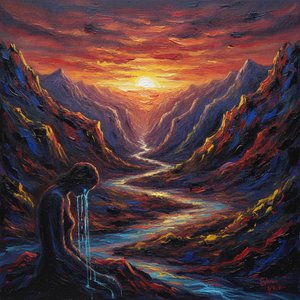
Capturing Emotion: A Journey Through the Soul of Expressionist Landscapes
Explore the profound emotional depth of Expressionist landscapes. Discover how Post-Impressionist masters moved beyond light to capture the soul through vibrant color and form. A curated journey for true art lovers seeking the beauty of expressive mastery.

Capturing the Soul: The Most Emotionally Moving Impressionist and Post-Impressionist Masterpieces
Discover the profound emotional depth of Impressionist and Post-Impressionist masterpieces. Explore how legends like Monet, Van Gogh, and Gauguin captured light and soul through evocative landscapes and vibrant brushwork for a timeless connection to art history.
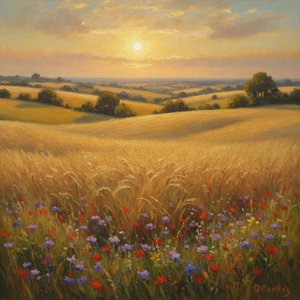
Golden Fields & Sun-Drenched Meadows: Capturing the Soul of Impressionist Landscapes
Immerse yourself in the luminous world of Impressionist landscapes. Discover how masters like Monet and Gauguin captured ephemeral light through plein air painting, and learn to bring the soul of sun-drenched meadows into your home with exquisite, hand-painted oil reproductions.

The Beauty of Impermanence: Capturing Decay through Impressionist Eyes
Explore the profound beauty of impermanence through Impressionist and Post-Impressionist eyes. Discover how masters like Monet and Van Gogh captured fleeting light and the poetic essence of nature's transitions in our deep dive into art history and emotional landscapes.
Istražite umetnička dela organizovana prema temama, stilovima i karakteristikama.
