

Prikazano: · Sa okvirom:
 Pregledaj u prostoru
 Pošalji
 Podeli
 Detalji o delu
 Vodič
Vodič

 Preuzmi
 Slični predmeti
 Rendgenski snimak
 Automatska prezentacija
 Pitanja i odgovori
 Statistika
дин 28178
Ručno rađena uljana reprodukcija
Ručno oslikano uljanim bojama na platnu u dimenzijama i okviru po vašem izboru, izrađeno po porudžbini od strane naših umetnika. ( Pređi na štampu Pređi na digitalnu sliku)
Veličina
·Standardne dimenzije
po meri
CM
INCH
Izaberite jednu od naših unapred definisanih veličina koje odgovaraju originalnim proporcijama umetničkog dela.
Učitavanje dimenzija...

širina
visina
Unesite potrebnu širinu i visinu kako bi se slika uklopila u vaš ram ili zid. Pošto je ovo ručno oslikano delo, umetnik može za dimenzije drugačijeg oblika naslikati malo više prostora oko slike ili malo skratiti ivice — izbor je na vama. Pre početka rada, poslaćemo vam digitalni prikaz radi potvrde. Slika prikazana na ovoj stranici ne predstavlja konačan rezultat — samo digitalni prikaz pokazuje stvarnu sliku.
 Pročitajte više
Završetak
·
Beli rub дин1

zamrljene ivice дин1

Prošireno дин1

P118B дин10

P118H дин10

P118W дин10

P438Z дин10

P508JH дин12

P508YH дин12

P805H дин10

P805Z дин10

P919BZ дин10

P919G дин10

P919XJ дин10

P959ZH дин10

P968JZ дин12

W106C дин8

W218G дин10

W218JH дин8

W218Y дин10

W307PJ дин10

W316G дин10

W316PJ дин8

W316Y дин10

W398PJ дин8

W4111J дин10

W500HY дин15

W500JH дин15

W692G дин12

W849H дин8

W940BG дин15

W953PJ дин8

H24-GOLD дин30

H24-SILVER дин30

H36-GOLD дин45

H36-SILVER дин45
Isporućuje se u zaštitnoj tubi, spremno za ugradnju u vaš ram.
Dodatne usluge
opcionoŠta dodatne opcije uključuju?
Primeri onoga što se može promeniti: Zamena lica fotografijom kupca; Dodavanje ljubimca (npr. zamena mačke psom); Uključivanje skrivene poruke u pozadini; Promena pejzaža ili elemenata u pozadini.
Nakon porudžbine, tim TopImpressionists.com će poslati imejl klijentu radi dobijanja uputstava i dostaviti prikaz makete
Nakon porudžbine, tim TopImpressionists.com će poslati imejl klijentu radi dobijanja uputstava i dostaviti prikaz makete
Svetska isporuka () za 3/4 nedelje umesto uobičajenih 5 nedelja. (8 новембар). Bez kompromisa po pitanju kvaliteta.
Zaštitni lak
Kratki opis natpisa
Detalji gravirane bronze ploče
This elegant plaque features the artist's name and the title of the artwork, finely engraved for a timeless presentation.
It is made from bronze with a refined, elegant finish. The text is precisely laser-engraved for a sharp and permanent result. Measuring 9x2 cm, the plaque is compact yet easy to read. It's built to be durable and scratch-resistant, offering a professional, museum-quality look. Mounting is simple thanks to the included adhesive backing.
Detalji prozirne akrilne pločice
The plaque includes essential engraved details such as the artist's name, the title of the artwork, the date it was created, the type of media used-like oil on canvas or watercolor-a brief description of the piece, and a QR code that links to the complete artwork information.
It is crafted from clear acrylic, offering a sleek, modern appearance. The text is UV-engraved in black to ensure strong visual contrast. With a size of 10x15 cm, it ensures optimal readability. It comes equipped with two metal hooks for secure wall mounting. The plaque is designed to be weather-resistant, making it suitable for various environments, and it includes interactive features that work seamlessly with smartphone scanning.
Detalji crne akrilne pločice
This elegant plaque includes engraved information such as the artist's name, the title of the artwork, the date it was created, the type of media used (like oil on canvas or watercolor), a short description of the artwork, and a QR code for quick access to more information.
The plaque itself is made from refined black acrylic with a premium finish. The text is laser-engraved in white for high contrast and readability. Its size is 10x15 cm, designed to be easy to read. It comes with two metal hooks for professional mounting. The design is sleek and fits any interior style. It is also weather-resistant and durable, with built-in digital integration for mobile compatibility.
Opcija sa staklom dostupna je samo za dimenzije manje od 110 cm
 Opcija sa staklom dostupna je samo za dimenzije manje od 110 cm
- Besplatna ekspresna dostava širom sveta
- Visokokvalitetno laneno platno
- Potpuno osiguranje transporta
- Garancija povraćaja carine i uvoznih dažbina
- Garancija vernosti boja
- Politika povraćaja u roku od 100 dana (samo u slučaju nedostataka)
- Garancija povrata 100% novca
- Popust na više proizvoda


Opis predmeta
This painting showcases Ensor's ability to convey movement and energy through his compositions. It’s a prime example of Expressionism, utilizing distorted forms and exaggerated features to express intense emotions.
Biografija umetnika
Откријте Јамес Енсор (1860-1949), белгијског сликар који је био пионер експресионизма и сюрреализма. Истражите његове узнемирујуће сцене маски, карнавала и скелета.
O slici
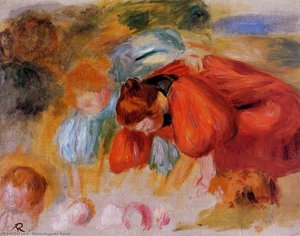
A World Distorted – James Ensor’s *Les Ballerines*
James Ensor's *Les Ballerines*, painted in the late 19th century, isn’t merely a depiction of dancers; it’s an immersion into a fever dream, a carefully constructed tableau of unsettling energy and psychological depth. This work, a cornerstone of Expressionism, pulsates with a raw emotionality rarely found in academic art of its time. Ensor, born in Ostend, Belgium – a city steeped in maritime history and cultural exchange between England and France – was profoundly shaped by his upbringing amidst the vibrant chaos of a seaside resort town. His parents’ souvenir shop, overflowing with exotic masks, shells, and curiosities, provided an unparalleled visual feast, fueling a lifelong fascination with disguise, performance, and the hidden anxieties beneath the surface of everyday life. *Les Ballerines* is a direct manifestation of this preoccupation, a deliberate fracturing of reality to expose the unsettling truths it conceals.
The Dance of Distortion: Style and Technique
Ensor’s approach to composition is deliberately disorienting. The scene unfolds with a frenetic energy, populated by figures caught in various states of movement – dancers frozen mid-step, horses straining at their harnesses, and women observing the spectacle from different vantage points. Bold brushstrokes dominate the canvas, creating a sense of immediacy and urgency. Colors are applied with an almost violent intensity; reds, yellows, and greens clash and vibrate, contributing to the painting’s overall feeling of unease. Notice how Ensor employs a flattened perspective, pushing figures forward and blurring spatial relationships – a technique that further intensifies the sense of claustrophobia and disorientation. The use of impasto, applying paint thickly to the surface, adds texture and physicality, as if the scene itself is struggling to contain its own turbulent energy. It’s a masterful demonstration of how color, brushwork, and composition can be used to evoke powerful emotional responses.
Symbolism Within the Spectacle
*Les Ballerines* is rich in symbolic layers, inviting multiple interpretations. The dancers themselves represent not just performers but also figures trapped within societal expectations – their movements constrained by the demands of the stage and the watchful eyes of the audience. The horses, often associated with power and movement, here seem restless and agitated, mirroring the underlying tension of the scene. The presence of a chair, positioned as a point of relative stability amidst the chaos, suggests a fleeting moment of respite or perhaps an acknowledgement of the fragility of order. Even the setting – a dimly lit interior – contributes to the painting’s atmosphere of mystery and foreboding. The inclusion of masks, so central to Ensor's artistic vocabulary, hints at the idea that appearances are deceptive and that individuals often conceal their true selves behind carefully constructed facades.
A Bridge Between Eras: Expressionism and Beyond
*Les Ballerines* stands as a pivotal work in the development of Expressionism, anticipating the movements of artists like Edvard Munch and Wassily Kandinsky. Ensor’s deliberate distortion of form and his focus on conveying intense emotions – fear, anxiety, and alienation – paved the way for later avant-garde styles. His exploration of psychological themes and his willingness to challenge conventional artistic norms were revolutionary for his time. The painting's influence can be seen in the works of Surrealists like Salvador Dalí and even in the vibrant color palettes of Fauvist painters. Studying *Les Ballerines* offers a valuable window into the origins of these influential movements, demonstrating how Ensor’s unique vision laid the groundwork for future generations of artists to explore the darker corners of the human psyche.
Bringing *Les Ballerines* Home: A Reproduction for Your Space
TopImpressionists.com offers meticulously crafted hand-painted reproductions of James Ensor's *Les Ballerines*, allowing you to experience the power and intensity of this iconic artwork in your own home or office. Our skilled artisans replicate Ensor’s distinctive style with exceptional accuracy, capturing the painting’s dynamic composition, vibrant colors, and unsettling atmosphere. Whether you are an art enthusiast, a collector seeking a unique addition to your collection, or simply someone drawn to the beauty of Expressionist art, our reproductions provide a stunning and authentic representation of this remarkable masterpiece. Explore the full range of sizes and canvas options available on TopImpressionists.com – and bring the captivating world of *Les Ballerines* into your space.
Pitanja i odgovori
Za šta se preporučuje korišćenje printa dela "Les Ballerines"?
Reprodukcija dela „Les Ballerines”, autor Јемас Енсор preporučuje se za Statement. Ovaj predlog proizilazi iz teme, raspoloženja i boja samog dela.
S obzirom na svoje boje, za koju se prostoriju preporučuje „Les Ballerines”, autor Јемас Енсор?
Sa svojom paletom u nijansama Dark, delo „Les Ballerines”, autor Јемас Енсор se preporučuje za Living Room. Boje su jedan od razloga za ovakvu sugestiju.
Koji umetnički pravac pripada delu "Les Ballerines"?
„Les Ballerines”, autor Јемас Енсор pripada pravcu Expressionist Style. Ovaj pravac pruža stilski kontekst dela.
Brze činjenice i kviz o umetnosti
O Јемас Енсор

Јемас Енсор
1860 - 1949, Бележија
Biografija umetnika
James Ensor: A Pioneer of Expressionism and Surrealism
James Sidney Edouard, Baron Ensor (Ostend, 13 April 1860 – 19 November 1949) was a Belgian painter and printmaker who stands as one of the most influential figures in the development of Expressionism and Surrealism. Born into an English father and Belgian mother amidst the vibrant atmosphere of Ostend’s seaside resort town, Ensor’s upbringing instilled within him a profound fascination with observation and detail—a foundation upon which he would construct his distinctive artistic vision.
Early Influences and Artistic Training
From a young age, Ensor demonstrated an exceptional talent for drawing and painting. Encouraged by his parents' operation of a souvenir shop brimming with curiosities and carnival masks – a veritable cabinet of wonders that ignited his imagination – he pursued formal artistic training at the Académie Royale des Beaux-Arts in Brussels. Despite encountering resistance from the rigid academic conventions of the time, Ensor quickly recognized the necessity of forging his own path, prioritizing experimentation and personal expression above all else.
The Emergence of Grotesque Vision
Around 1886–87, Ensor embarked on a transformative artistic journey, rejecting Impressionistic ideals in favor of a bold embrace of grotesque imagery. Influenced by Rembrandt’s masterful use of chiaroscuro, the unsettling visions of Francisco Goya, and the evocative symbolism of Japanese woodcuts, he developed a highly personal iconography characterized by jarring juxtapositions of color and form.
Major Works and Recurring Themes
Ensor's oeuvre is marked by an unparalleled exploration of psychological complexity and social critique. Paintings like *The Oyster-eater* (1882) exemplify his meticulous attention to detail and his ability to convey profound emotional resonance, while *Christ’s Entry into Brussels* (1888–89), arguably his magnum opus, remains a monumental satire of religious hypocrisy—a painting initially met with vehement disapproval but now universally recognized as a cornerstone of Expressionist art.
Legacy and Influence
James Ensor's uncompromising artistic vision profoundly impacted subsequent generations of artists. His rejection of academic formalism, coupled with his fearless confrontation of taboo subjects and his masterful manipulation of visual language—particularly the use of bold brushstrokes and vibrant hues—established him as a pivotal figure in the genesis of Expressionism and Surrealism. Today, Ensor’s work continues to inspire awe and provoke contemplation, serving as a timeless reminder that art possesses the capacity to unsettle conventions and illuminate the darkest recesses of human consciousness.
Kratke činjenice o umetniku Јемас Енсор
- Artistic Movement Or Style: Expressionism, Surrealism
- Artists Who Influenced This Artist:
- Bruegel the Elder
- Francisco Goya
- Whistler
- Date Of Birth: April 13, 1860
- Date Of Death: November 19, 1949
- Full Name: James Sidney Edouard Ensor
- Nationality: Belgian
- Notable Artworks:
- The Scandalized Masks
- Skeletons Fighting...
- Christ's Entry into Brussels
- Place Of Birth: Ostend, Belgium
Srodna umetnička dela



Istražite umetnička dela organizovana prema temama, stilovima i karakteristikama.


Јемас Енсор
Les Ballerines
() ·
Sa okvirom: · Ručno oslikano uljanim bojama na platnu od lana
Ukupno