

 Pregledaj u prostoru
 Podeli
 Podeli
 Detalji
 Vodič
Vodič

 Preuzmi sliku
 Slični predmeti
 Rendgenski snimak
 Automatska prezentacija
 Statistika
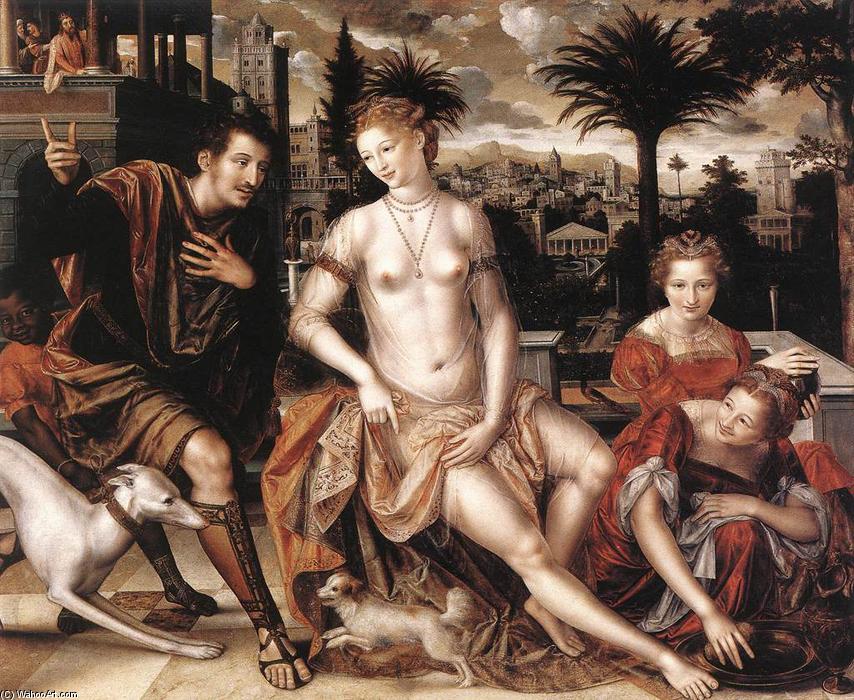
David and Bathsheba
 Oil On Canvas
- WallArt
- Baroque Renaissance Fusion
 1562
1562- Renaissance
 162.0 x 197.0 cm
 Louvre
Experience the dramatic chiaroscuro of Jan Massys's 1562 David and Bathsheba, a Renaissance masterpiece capturing an intimate biblical moment you will want to own.
 Pročitaj više
Jan Massys
Ručno rađena uljana reprodukcija
Ručno oslikano uljanim bojama na platnu u dimenzijama i okviru po vašem izboru, izrađeno po porudžbini od strane naših umetnika. ( Pređi na prodaju štampanih primeraka Pređi na prodaju digitalnih slika)




P118B дин10

P118H дин10

P118W дин10

P438Z дин10

P508JH дин12

P508YH дин12

P805H дин10

P805Z дин10

P919BZ дин10

P919G дин10

P919XJ дин10

P959ZH дин10

P968JZ дин12

W106C дин8

W218G дин10

W218JH дин8

W218Y дин10

W307PJ дин10

W316G дин10

W316PJ дин8

W316Y дин10

W398PJ дин8

W4111J дин10

W500HY дин15

W500JH дин15

W692G дин12

W849H дин8

W940BG дин15

W953PJ дин8




Standardne dimenzije
po meri
CM
INCH
Izaberite jednu od naših unapred definisanih veličina koje odgovaraju originalnim proporcijama umetničkog dela.
Loading sizes...

širina
visina
Unesite širinu i visinu koja vam je potrebna, kako bi se uklopili u vaš ram ili zid. Pošto je ovo ručno oslikano delo, umetnik može naslikati malo više prostora oko slike ili malo skratiti ivice za dimenzije drugačijeg oblika — izbor je na vama. Pre početka rada, poslaćemo vam digitalni prikaz radi potvrde. Slika prikazana na ovoj stranici ne predstavlja konačan rezultat — samo digitalni prikaz pokazuje stvarnu sliku.
Primeri mogućih izmena: Zamena lica fotografijom kupca; Dodavanje ljubimca (npr. zamena mačke psom); Uključivanje skrivene poruke u pozadini; Promena pejzaža ili elemenata pozadine.
Nakon narudžbine, tim TopImpressionists.com će klijentu putem e-pošte poslati uputstva i dostaviti prikaz predloženog rešenja
Nakon narudžbine, tim TopImpressionists.com će klijentu putem e-pošte poslati uputstva i dostaviti prikaz predloženog rešenja
Svetska isporuka () za 3/4 nedelje umesto uobičajenih 5 nedelja. (21 октобар). Bez kompromisa po pitanju kvaliteta.

Besplatna ekspresna dostava širom sveta

Visokokvalitetno laneno platno

Sveobuhvatno osiguranje transporta

Garancija povraćaja carine i uvoznih dažbina

Garancija vernosti boja i autentičnosti pri reprodukciji

Politika povraćaja u roku od 100 dana (samo u slučaju nedostataka)

Garancija povrata 100% novca

Popust pri većoj količini
 Opcija sa staklom dostupna je samo za dimenzije manje od 110 cm

David and Bathsheba
Tehnika izrade reprodukcije
Veličina reprodukcije
-


Ukupna cena
дин 27572
A Moment Frozen in Time: The Allure of Jan Massys’s David and Bathsheba
In the heart of Renaissance Antwerp, a period defined by both profound religious devotion and burgeoning worldly curiosity, Jan Massys captured a scene of unparalleled emotional and narrative tension. His 1562 masterpiece, David and Bathsheba, is far more than a mere biblical illustration; it is a window into the human psyche, capturing the exact moment where desire meets consequence. The painting recounts the clandestine encounter between King David and the Moabite woman, Bathsheba, a narrative of illicit passion that has captivated viewers for centuries. As we gaze upon this monumental canvas, we are drawn into an intimate tableau where every gesture and glance speaks of a secret shared between the figures and the observer.
The composition is masterfully orchestrated to guide the eye through a landscape of moral ambiguity. David, positioned with a commanding yet contemplative presence, gestures toward something unseen—perhaps a divine warning or a silent acknowledgment of the gravity of his transgression. Opposite him, Bathsheba lies in a state of palpable vulnerability, her upward gaze creating a powerful diagonal line of tension that connects the two protagonists. This intimacy is not solitary; Massys surrounds the central pair with supporting figures, including a servant attending to Bathsheba’s needs, which serves to remind us of the societal eyes and the inevitable repercussions that follow such private indiscretions. Even the small, quiet presence of a dog nestled near the edge of the scene adds a layer of symbolic depth, perhaps representing the lost innocence or the concept of fidelity amidst a moment of profound betrayal.
Mastery of Light and Texture in the Flemish Tradition
To behold this work is to witness the pinnacle of Renaissance oil technique. Massys utilized the medium of oil on canvas to achieve a level of realism that feels almost tactile. Through the meticulous application of paint, he renders the heavy, intricate folds of David’s robes with such precision that one can almost sense the weight of the fabric. This technical prowess extends to the delicate rendering of Bathsheba’s skin, where subtle glazing effects create a luminous, soft quality that contrasts beautifully with the more structured elements of the background.
Central to the painting's emotional impact is Massys’s use of chiaroscuro. By employing dramatic contrasts between deep shadows and brilliant highlights, the artist sculpts the figures out of the darkness, lending them a three-dimensional presence that commands the room. This manipulation of light does more than just define form; it heightens the atmospheric intensity, casting a somber, reflective mood over the entire scene. For the collector or the interior designer, such a piece offers a profound sense of drama and historical weight, making it an ideal centerpiece for spaces that value sophisticated storytelling and the timeless elegance of the Flemish masters.
Pitanja i odgovori
Koji je kolorits korišćen u delu „David and Bathsheba”, Jan Masis?
Paleta dela „David and Bathsheba”, Jan Masis opisana je kao Earthy. To je sažet prikaz boja ovog umetničkog dela.
Da li se „David and Bathsheba”, Jan Masis čuva u matičnoj zemlji umetnika?
Ne – umetničko delo se čuva u inostranstvu. Jan Masis je rođen/a u Belgija, dok se originalno delo "David and Bathsheba" čuva u muzeju u France.
O čemu je delo "David and Bathsheba"?
Motivi dela "David and Bathsheba" su biblical narrative, royal intrigue, sensuality, allegory, human emotion, renaissance painting, religious iconography.
Biografija umetnika
Flandrijski majstor koji je gradio novi put
Jan Massys, poznat i kao Jan Massijs, predstavlja ključnu figuru u cvetajućem umetničkom pejzažu Flamandske landske u 16. veku. Rođen oko 1466. godine u Leuvenu, u Belgiji, njegov život i rad predstavljaju fascinantan spoj tradicije i inovacije, religiozne pobožnosti i oštrog društvenog komentara. Iako su legende prvobitno crtale sliku kovača koji je postao umetnik — narativ koji sugeriše skromno poreklo vođeno strasti — istorijski zapisi otkrivaju porodicu sa utvrđenim imovinama, što ukazuje na to da je Massysova posvećenost slikarstvu proistekla iz umetničkog nagona, a ne iz ekonomske nužde. Karel van Mander sugeriše da je bolest podstakla njegov prelazak sa kovačke radionice, što ga je navelo da ukrašava printove za karnevalske proslave, što je bio rani izraz njegove bujne kreativnosti. Verovatno je osnovnu obuku stekao u Leuvenu pre nego što se oko 1sene 1491. preselio u Antverpen, gde je brzo napredovao unutar esnafta Svetog Luke, etablirajući se kao majstor slikar i postavljajući temelje za ono što će postati poznato kao Antverpenska škola. Veruje se da je Joachim Patinir, čuven po svojim upečatljivim pejzažima, studirao pod Massysovom pokroviteljstvom, doprinoseći atmosferskim pozadinama koje se nalaze u nekim od njegovih dela — što je svedočanstvo o kolektivnom duhu unutar umetnikove radionice.Odjeki tradicije i uslišení novi glas
Massysov umetnički stil duboko je ukorenjen u flamansku tradiciju, svesno oživljavajući pedantni detalj i ekspresivnu snagu majstora kao što su Jan van Eyck i Rogier van der Weyden. On je majstorski kombinovao čvrste konture sa nijansiranim modelovanjem, postigavši izuzetnu jasnoću i dubinu unutar svojih kompozicija. Njegova dela karakteriše blistava bogatstvo dobijeno od transparentnih pigmenata, što daje eterični kvalitet kako religioznim scenama, tako i svetovnim portretima. Međutim, Massys nije samo replikovao prošlost; on ju je prožimao izrazito ličnom vizijom. Posedovao je izuzetan dar da uhvati iskrenu emociju i minuciozne detalje, posvećujući posebnu pažnju teksturama — sjaju dragulja, zamršeno ivicama odeće, suptilnoj ornamentici koja je njegovo delo podigla iznad običnog predstavljanja. Ovaj pedantni pristup proširio se i na njegov istraživački rad sa svetlošću i senkom, stvarajući suptilne, ali očaravajuće efekte koji uvode posmatrača u srce svake scene. Nije se plašio da se suoči sa složenim temama, neprimetno spajajući religiozne narative sa prodornim zapažanjima o ljudskoj prirodi i društvenoj dinamici.Satira, duhovnost i trajni utisci
Massysovo delo je izuzetno raznoliko, obuhvatajući kako duboko poštovana religiozna oltarska dela, tako i hrabre satirične portrete koji su izazivali konvencionalne norme. Njegova najpoznatija dela uključuju Ružnu vojvodinju (1513), sada kultnu sliku koja je pokrenula debate svojim neustrašivim prikazom starenja i društvenih standarda lepote; Portret starca (1513) koji nastavlja ovaj pravac društvene kritike, kao i Menjačницу i njegovu ženu (1514), upečatljiv prikaz pohlepe i avarici unutar trgovačke klase. Ovi satirični komadi bili su revolucionarni za svoje vreme, nudeći relativno neobičan oblik kritike kroz portretstvo — što je dokaz Massysove hrabrosti i umetničke vizije. Pored ovih upečatljivih portreta, stvorio je brojne religiozne oltarske panele i triptihove, uključujući značajne porudžbine za crkvu Svetog Petra u Leuvenu, demonstrirajući svoju svestranost i veštinu u devocionalnim delima velikih dimenzija. Čak i dela poput Venere sa Citere (1561) otkrivaju fascinaciju klasičnim temama i potencijalno odražavaju svest o umetničkim razvojima koji su se tada dešavali u Italiji.Nasleđe iskovano u Antverpenu
Massysov uticaj protezao se daleko izvan njegovog vlastitog životnog veka, učvršćujući njegovo mesto osnivača cenjene Antverpenske škole uporedo sa njegovim sinom Quintenom Massysom i bratom Cornelisom Massysom. On je vešto sintetizovao uticaje ranijih flamanskih majstora — Dirka Bouts, Hansa Memlinga, Rogiera van der Weydena i Jana van Eycka — istovremeno uključujući elemente iz Italije i drugih regija Niskih Zemalja. Ova fuzija stvorila je jedinstven umetnički identitet koji je definisao Antverpensku školu generacijama koje su dolazile. Njegov naglasak na individualnoj karakterizaciji i realističkom prikazu ljudskih emocija odjeknuo je kod narednih umetnika, inspirišući ih da istražuju nove puteve izražavanja. U kasnijim godinama života, Massys se suočavao sa periodima nedaća, uključujući progonstvo iz Antverpena zbog religijskih uverenja, što ga je navelo da traži utočište u Italiji i Francuskoj pre nego što se na kraju vratio kući. Uprkos tim izazovima, nastavio je da prima porudžbine, pokazujući svoju trajnu reputaciju i umetničku moć sve do smrti 1575. godine. Njegovo nasleđe ostaje sigurno — kao svedočanstvo o slikarstvu koje nije samo savladalo tehnike svojih prethodnika, već se usudilo i da izazove konvencije i ponudi jedinstveno prodorno viđenje sveta koji ga okružuje.Istraživanje Massysovog sveta danas
- Radionica Jana Massysa: Otkrijte ovo očaravajuće slikarstvo iz 16. veka, koje prikazuje društveni skup sa detaljnim figurama i bogatom atmosferom.
- Sveta porodica: Istražite ovo zadivljujuće ulje na platnu iz ranog renesansnog doba, divite se realističnim figurama, raskošnom detalju, simbolizmu i tehnici.
- Quinten Massys: Zaronite u rad Janovog sina, ključne figure flamanske renesanse poznate po svojim religioznim slikama i satiričnim delima.

Jan Masis
1466 - 1530 , Belgija
Brzi pregled
- Artistic Movement Or Style: Renesansa
- Artists Or Movements Influenced By This Artist: ['Antverska škola']
- Artists Who Influenced This Artist:
- Dirk Bouts
- Jan van Eyck
- Rogier van der Weyden
- Date Of Birth: oko 1466.
- Date Of Death: 1530.
- Full Name: Jan Massys
- Nationality: Flamanski
- Notable Artworks:
- Ružna duka
- Menjač i njegova žena
- Venere sa Kithere
- Place Of Birth: Leuven, Belgija
Srodni članci

Drama and Light: Discover the Captivating Grandeur of Baroque Art
Immerse yourself in the dramatic splendor of Baroque art. Explore the profound impact of light, shadow, and the Counter-Reformation through an expert historical lens, celebrating the masters who defined an era of unparalleled grandeur and emotional intensity.
Istražite umetnička dela organizovana prema temama, stilovima i karakteristikama.
