Pregledaj u prostoru
 Pošalji
 Podeli
 Detalji o delu
 Vodič
Vodič

 Preuzmi
 Slični predmeti
 Rendgenski snimak
 Automatska prezentacija
 Pitanja i odgovori
 Statistika
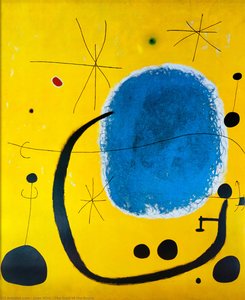
Circus Horse

- 131.0 x 97.0 cm


Experience Miró's 'Circus Horse' (1927), a vibrant Surrealist masterpiece blending dreamlike imagery with Klee-inspired geometry. A captivating oil painting!
 Pročitaj više
Surrealistički majstor poznat po delu Farma. Otkrijte njegov živopisni svet simbola i poetske apstrakcije već danas.
Umetničko delo prikazano na ovoj stranici zaštićeno je autorskim pravima, što znači da zakonski nismo u mogućnosti da kreiramo niti prodajemo identičnu reprodukciju. Ova zaštita se sprovodi u skladu sa međunarodnim sporazumima kao što su Bernska konvencija i nacionalnim zakonima, uključujući i one koji su definisani u Američki zakon o autorskom pravu – Naslov 17.
Ovaj metod je u potpunosti usklađen sa regulativama o autorskim pravima jer ne podrazumeva kopiranje ili dupliranje zaštićenih umetničkih dela. Umesto toga, reč je o kreativnoj reinterpretaciji – novom slikarskom delu koje je inspirisano originalom, ali nije identično njemu.
Giclee štampa / Umetnički otisak
Giclée štampa ili print na platnu muzejskog kvaliteta uz brzu izradu i raznovrsne opcije završne obrade. ( Kupite ručno oslikano delo Pređi na digitalnu sliku)




P118B дин10

P118H дин10

P118W дин10

P438Z дин10

P508JH дин12

P508YH дин12

P805H дин10

P805Z дин10

P919BZ дин10

P919G дин10

P919XJ дин10

P959ZH дин10

P968JZ дин12

W106C дин8

W218G дин10

W218JH дин8

W218Y дин10

W307PJ дин10

W316G дин10

W316PJ дин8

W316Y дин10

W398PJ дин8

W4111J дин10

W500HY дин15

W500JH дин15

W692G дин12

W849H дин8

W940BG дин15

W953PJ дин8




Standardne dimenzije
po meri
CM
INCH
Izaberite jednu od naših unapred definisanih veličina koje odgovaraju originalnim proporcijama umetničkog dela.
Loading sizes...

širina
visina
Unesite željenu širinu i visinu kako bi se štampa uklopila u vaš ram ili zid. Štampu je moguće samo iseći, ali nikada povećati iznad dimenzija originalne slike, stoga format sa drugačijim proporcijama uzrokuje gubitak dela slike. Pre početka štampe, poslaćemo vam digitalni prikaz radi potvrde. Slika prikazana na ovoj stranici ne predstavlja stvarni isrez — to pokazuje samo digitalni prikaz.
Dostava širom sveta () za 2 nedelje umesto uobičajenih 4/5 nedelja. (10 новембар)

Besplatna ekspresna dostava širom sveta

Visokokvalitetno laneno platno

Potpuno osiguranje transporta

Garancija povraćaja carine i uvoznih dažbina

Garancija vernosti boja

Politika povraćaja u roku od 100 dana (samo u slučaju nedostataka)

Garancija povrata 100% novca

Popust na više proizvoda
 Opcija sa staklom dostupna je samo za dimenzije manje od 110 cm

Circus Horse
Giclee štampa / Umetnički otisak
Dimenzije reprodukcije
-


Ukupna cena
дин 7345
Joan Miró's "Circus Horse": A Dreamlike Exploration of Form and Color
Joan Miró’s “Circus Horse,” painted in 1927, is a captivating example of his signature dreamlike style, belonging to a suite of approximately seventy works created during that year. This oil painting transports viewers into a whimsical world where familiar forms are abstracted and reimagined, reflecting the influence of both Surrealism and Paul Klee’s narrative geometry. The artwork offers a glimpse into Miró's artistic exploration of the subconscious and his unique approach to composition.
Subject and Composition: A Whimsical Circus Scene
The painting depicts a vibrant circus scene, though far from a realistic portrayal. A bright blue ground serves as the arena, providing a striking backdrop for the central elements. The focal point is a stylized horse, seemingly in motion, rendered with simplified forms and bold colors. Above it, elongated shapes resembling wings or limbs extend upwards, creating a sense of dynamism and flight. A central figure, potentially representing a ringmaster, is suggested by a yellow whip that crisscrosses the canvas in an energetic, meandering line. The composition, while seemingly chaotic at first glance, possesses a remarkable balance, with overlapping elements contributing to a feeling of depth and visual interest. The strong vertical emphasis created by the upward thrust of the wing-like shapes adds to the painting's overall energy.
Style and Technique: Surrealism Meets Narrative Geometry
“Circus Horse” exemplifies Miró’s unique blend of Surrealist aesthetics and Klee-inspired geometric principles. The work is characterized by its abstraction, simplification of forms, and use of symbolic imagery. Miró's technique involves a smooth application of oil paint, likely achieved through brushwork or glazing techniques, resulting in a polished surface. The color palette is dominated by cool tones—deep blues and grays—which contrast with the lighter gray hues of the secondary shapes and the vibrant yellow of the whip. This interplay of colors enhances the painting's visual impact and contributes to its dreamlike quality. As critics noted in 1928, Miró seemed to operate "in the world of magic," a testament to his ability to evoke wonder and imagination through his art.
Historical Context: The Rise of Surrealism and Miró’s Artistic Development
Painted in 1927, “Circus Horse” emerged during a pivotal period in modern art history. The Surrealist movement was gaining momentum, challenging traditional artistic conventions and exploring the realm of dreams and the subconscious. Miró, deeply influenced by this movement, began to develop his own distinctive style, characterized by playful forms, vibrant colors, and symbolic imagery. His earlier influences included Vincent van Gogh and Paul Cézanne, whose expressive use of color and form resonated with Miró’s artistic sensibilities. The "dream" pictures created in 1927 represent a significant phase in Miró's development, showcasing his ability to create whimsical, dreamlike compositions that captivated audiences.
Symbolism and Emotional Impact: A Journey into the Subconscious
The symbolism within “Circus Horse” is open to interpretation, inviting viewers to engage with the artwork on a personal level. The horse, often associated with freedom and movement, takes on an abstracted form, suggesting a sense of liberation from conventional constraints. The whip, while potentially representing control, is rendered in a fluid, meandering line, implying a more playful and imaginative interaction. The bright blue background evokes a sense of vastness and possibility, creating a stage for the unfolding dreamlike narrative. Ultimately, “Circus Horse” invites viewers to embark on a journey into the subconscious, where imagination reigns supreme and familiar forms are transformed into something extraordinary.
Pitanja i odgovori
Na koju fazu karijere umetnika Жоан Миро odgovara datum 1927 za delo "Circus Horse"?
Datum 1927 smešta "Circus Horse" u Mid-Period razvoja umetnika Жоан Миро.
Kako se „Circus Horse”, autor Жоан Миро može iskoristiti u uređenju doma?
„Circus Horse“ je predloženo za Centralni motiv, a preporučeni prostor je Dnevna soba.
U koji umetnički pravac i u koje doba pripada delo „Circus Horse”, autor Жоан Миро?
„Circus Horse“ pripada pravcu Surrealism, a njen autor je stvarao u periodu Modernizam.
Biografija umetnika
Joana Mirea: Katalanski Vizionar i Majstor Apstraktnog Izražavanja
Joan Miró i Ferrà, rođen u Barseloni 1893. godine, zauvek je ostavio neizbrisiv trag na umetnost dvadesetog veka. Njegovo putovanje nije bilo samo evolucija kroz različite stilove, već duboko istraživanje unutrašnjih svetova, prevodeći snove, sećanja i katalanski identitet na platno jedinstvenim poetskim vizuelnim jezikom. Od skromnog početka, obeleženog bolešću i prvobitnim sumnjama roditelja u njegov umetnički poziv, Miró je uporno nastavljao svoj put, vođen urođenom potrebom da izrazi ono što je neopipljivo – emocije, senzacije i podsvestne struje koje leže ispod površine stvarnosti. Njegov rani život bio je prožet tradicijama Barselone, grada koji se ponosio arhitektonskim čudima zahvaljujući Antoni Gaudiju, čiji organski oblici su diskretno uticali na Miróve kasne apstrakcije. Zanat njegovog oca, zlatara, ugradio je poštovanje prema pomnom izradi, dok je surovo katalansko predeo postao ponavljajući motiv i izvor inspiracije tokom njegove karijere.Od Uticaja do Suraizma: Formiranje Vizuelnog Jezika
Miróva formalna umetnička obuka započela je u La Llotji u Barseloni, gde je usavršio svoje veštine tradicionalnim tehnikama. Međutim, izlaganje avangardnim pokretima koji su harali Parizom zaista je razbuktao njegovu kreativnu evoluciju. Žive boje fauvizma i fragmentirani oblici kubizma duboko su rezonirali sa njim, što ga je podstaklo da se preseli u Pariz 1920. godine. Ovaj period se pokazao ključnim jer je upoznao umetnike poput Pabla Pikasa i počeo eksperimentisati sa sve apstraktnijim kompozicijama. Ipak, Miró nije samo usvajao ove stilove; on ih je sintetizovao, kreirajući put ka svom prepoznatljivom estetskom izrazu. Težio je da forme destiluje do suštine, uklanjajući reprezentativne detalje u korist simboličnih oblika i evokativnih boja. Ovo istraživanje ga je odvelo u grupu Suraista 1924. godine, gde se uskladio sa umetnicima kao što su Maks Ernst i Salvador Dali. Iako je prihvatao surrealski interes za podsvest, Miró je zadržao jedinstvenu senzibilnost – njegova dela nisu bila samo o šokantnim slikama ili freudovskoj simbolici, već o kreiranju sveta igrivih oblika i poetskih sugestija.Jezik Simbola: Ključna Dela i Umetnički Inovacije
Tokom 1920-ih i 30-ih godina, Miró je razvio svoj prepoznatljivi vizuelni vokabular – svemir naseljen biomorfnim oblicima, lebdećim formama i živopisnim bojama. „Farmi“ (1922), često smatrana kamenom temeljcem njegovog dela, predstavlja ovaj prelaz. Nije samo prikaz ruralnog života, već evokacija katalanskog identiteta i simbolička reprezentacija prirodnog sveta. Njegova saradnička priroda dovela je do inovativnih tehnika kao što je *grattage*, koju je uveo sa Maksom Ernstom 1926. godine za dizajn namenjen Sergeju Djagiljevu baletu, gde su teksture otkrivane grebanjem boje preko platna. Serija „Holandski Enterijeri“ (1928) demonstrirala je njegovu sposobnost da reinterpretira Stare Maještore kroz izrazito modernu prizmu, transformišući domaće scene u snovidne apstrakcije. „Slikanje“ (1933), sa svojim hrbrim bojama i pojednostavljenim oblicima, kapsulira Miróvo istraživanje podsvesti i odbacivanje konvencionalnih umetničkih granica. Izvan slikarstva, Miró se bez straha eksperimentisao sa skulpturom, keramikom i grafičkim tehnikama, proširujući svoje kreativne horizonte i demonstrirajući izuzetnu raznolikost.Nasleđe i Trajni Uticaj
Joana Mirea uticaj na umetnost dvadesetog veka je neuporediv. On nije bio samo slikar; bio je vizionar koji je izazvao samu definiciju umetničkog izraza. Njegovo delo je prokrilo put za apstraktni ekspresionizam i nastavlja da inspiriše umetnike iz različitih disciplina. Osnovao je dve fundacije – Fundació Joan Miró u Barseloni (1975) i Fundació Pilar i Joan Miró na Majorki (1981), osiguravajući da će se njegovo nasleđe nastaviti, pružajući prostore za umetničko istraživanje i obrazovanje. Tokom svoje duge karijere, ostao je posvećen rušenju granica, osporavanju konvencija i istraživanju dubina ljudske mašte. Miróva dela su svedočanstvo moći apstrakcije, simbolizma i poetskog izraza – živahanski pozdrav životu, snovima i trajnom duhu katalanske kulture. Njegova dela nastavljaju da rezoniraju sa publikom širom sveta, pozivajući nas da uđemo u svet gde je sve moguće i granice između stvarnosti i fantastike nestaju u očaravajućem plesu boja i oblika.
Жоан Миро
1893 - 1983 , Шпанија
Osnovne informacije
- Artistic Movement Or Style:
- Surrealizam
- Fauvizam
- Ekspresionizam
- Artists Or Movements Influenced By This Artist: ['Apstraktni ekspresionizam']
- Artists Who Influenced This Artist:
- Antoni Гауди
- Пабло Пикасо
- Date Of Birth: 1893
- Date Of Death: 1983
- Full Name: Жоан Миро i Ferrà
- Nationality: Španski
- Notable Artworks:
- Farma
- Orali polje
- Rođenje sveta
- Slika
- Place Of Birth: Barselona, Španija
Povezani članci

The Soul of Color: A Journey into the Emotional Resonance of Lyrical Abstraction
Embark on a cultural journey through Lyrical Abstraction. Explore how masters like Kandinsky used color and motion to translate emotion into visual poetry. Discover the profound beauty of abstract expressionism and learn to curate emotional resonance in your own art collection.
Istražite umetnička dela organizovana prema temama, stilovima i karakteristikama.