

 Pregledaj u prostoru
 Podeli
 Podeli
 Detalji
 Vodič
Vodič

 Preuzmi sliku
 Slični predmeti
 Rendgenski snimak
 Automatska prezentacija
 Statistika
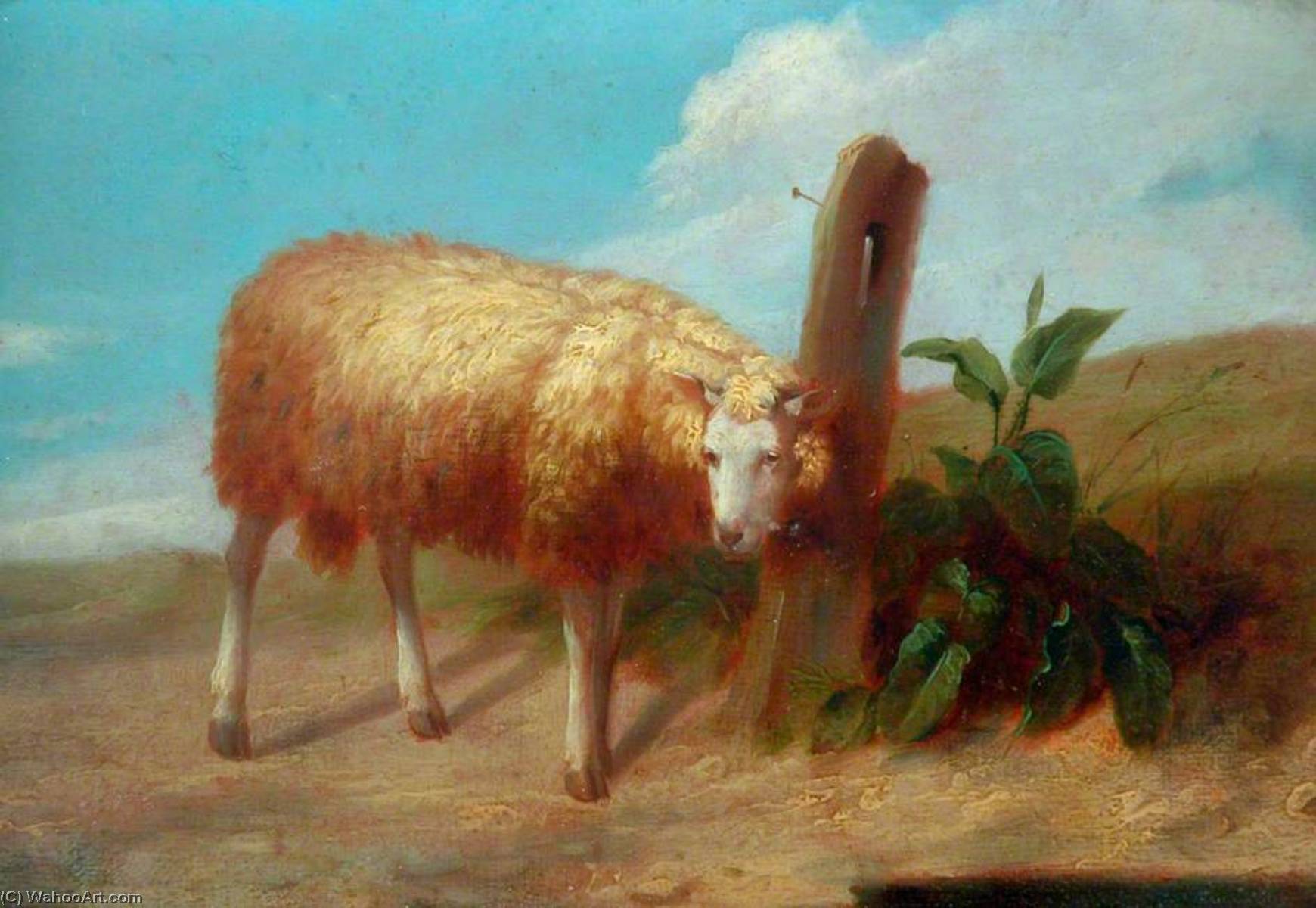
Sheep
 1835
1835 20.0 x 30.0 cm
 The Hepworth Wakefield
 Pročitaj više
Explore the art of John Rhodes (1809-present), known for evocative landscapes & portraits, including works inspired by Cecil Rhodes. Discover his diverse styles.
Umetničko delo prikazano na ovoj stranici zaštićeno je autorskim pravima, što znači da zakonski nismo u mogućnosti da kreiramo niti prodajemo identičnu reprodukciju. Ova zaštita se sprovodi u skladu sa međunarodnim sporazumima kao što su Bernska konvencija i nacionalnim zakonima, uključujući i one koji su definisani u Američki zakon o autorskom pravu – Naslov 17.
Ovaj metod je u potpunosti usklađen sa regulativama o autorskim pravima jer ne podrazumeva kopiranje ili dupliranje zaštićenih umetničkih dela. Umesto toga, reč je o kreativnoj reinterpretaciji – novom slikarskom delu koje je inspirisano originalom, ali nije identično njemu.
Giclee štampa / Umetnički otisak
Giclée štampa ili print na platnu muzejskog kvaliteta uz brzu izradu i raznovrsne opcije završne obrade. ( Naručite ručno oslikano reprodukciju Pređi na prodaju digitalnih slika)




































Standardne dimenzije
po meri
CM
INCH
Izaberite jednu od naših unapred definisanih veličina koje odgovaraju originalnim proporcijama umetničkog dela.
Loading sizes...

širina
visina
Unesite širinu i visinu koja vam je potrebna, kako bi se uklopili u vaš ram ili na vaš zid. Štampa se može samo iseći, nikada ne može biti veća od originalne slike, stoga format sa drugačijim proporcijama gubi deo slike. Poslaćemo vam digitalni prikaz radi potvrde pre nego što započnemo štampu. Slika prikazana na ovoj stranici ne pokazuje stvarni rez — to pokazuje samo digitalni prikaz.
Dostava širom sveta () za 2 nedelje umesto uobičajenih 4/5 nedelja. (22 октобар)

Besplatna ekspresna dostava širom sveta

Visokokvalitetno laneno platno

Sveobuhvatno osiguranje transporta

Garancija povraćaja carine i uvoznih dažbina

Garancija vernosti boja i autentičnosti pri reprodukciji

Politika povraćaja u roku od 100 dana (samo u slučaju nedostataka)

Garancija povrata 100% novca

Popust pri većoj količini
 Opcija sa staklom dostupna je samo za dimenzije manje od 110 cm

Sheep
Giclee štampa / Umetnički otisak
Veličina reprodukcije
-


Ukupna cena
дин 7096
The painting Sheep by John N Rhodes is a masterpiece that showcases the artist's ability to capture the serene beauty of rural life. Created in 1835, this oil on canvas piece measures 20 x 30 cm and is currently housed at The Hepworth Wakefield museum in Wakefield, United Kingdom.
To discover more about the artist and his works, visit Discovering the Masterpieces of The Hepworth Wakefield Museum. For a deeper understanding of the art movement and style, explore the works of other artists like Percy Metcalfe on Percy Metcalfe.
A Glimpse into Rural Life
The painting depicts a sheep standing in front of a fence with its head through the bars, gazing at something on the other side. The sheep is beautifully rendered in brown and white colors, set against a backdrop of two trees, one behind the sheep and another further away. A person is partially visible near the top left corner of the painting, adding a sense of depth and human presence to the scene. Key Features of the painting include:- The use of warm colors to create a cozy atmosphere
- The delicate portrayal of the sheep's expression
- The subtle inclusion of human presence in the background
To discover more about the artist and his works, visit Discovering the Masterpieces of The Hepworth Wakefield Museum. For a deeper understanding of the art movement and style, explore the works of other artists like Percy Metcalfe on Percy Metcalfe.
Pitanja i odgovori
Mogu li da gledam "Sheep" kao prezentaciju preko celog ekrana?
Delo „Sheep”, John N Rhodes možete pogledati u obliku prezentacije na stranici Diaporama za ovo umetničko delo.
Kolika je luminancija dela „Sheep”, John N Rhodes?
„Sheep”, John N Rhodes ima luminancu od Gentle Luminance. Luminanca opisuje koliko se čini da boje reflektuju svetlosti.
Da li je legalno moguće reprodukovati delo „Sheep”, John N Rhodes koje se nalazi u muzeju The Hepworth Wakefield?
Status autorskih prava za delo „Sheep”, John N Rhodes je jasan: rad pripada još uvek je zaštićeno autorskim pravima. Njegovo prisustvo u muzeju The Hepworth Wakefield ne menja taj status.
Biografija umetnika
John N. Rhodes: A Yorkshire Painter of Light and Landscape
The name John N. Rhodes, though relatively obscure to modern eyes, represents a significant figure in 19th-century British landscape painting. Born in Bishop’s Stortford, Hertfordshire, in 1809, his life and artistic journey were deeply intertwined with the evolving aesthetic sensibilities of the Romantic era and the burgeoning fascination with the natural world. While not achieving widespread fame during his lifetime, Rhodes's meticulous observation and evocative depictions of the Yorkshire countryside – particularly its light-drenched landscapes and intimate scenes of rural life – have garnered renewed appreciation in recent decades. His work offers a poignant glimpse into a vanishing England, capturing both the grandeur and the quiet beauty of a rapidly changing world.
Rhodes’s early life was marked by a somewhat unconventional upbringing. Following his father's death, he spent much of his childhood with his mother’s unmarried sister, Sophia, at her estate in Sleaford, Lincolnshire. This period profoundly shaped his artistic sensibilities, fostering a deep connection to the rural landscape and an appreciation for the simple pleasures of country life. He received limited formal training, largely self-taught, yet he developed a remarkably refined technique characterized by subtle tonal variations, precise detail, and a masterful understanding of light and atmosphere. His style can be seen as a synthesis of influences – drawing upon the traditions of Dutch landscape painting (particularly the work of Jacob van Ruysdael) alongside the Romantic ideals championed by Turner and Constable.
A pivotal moment in Rhodes’s career occurred in 1842, when he tragically died at the young age of 33. His untimely death cut short a promising artistic trajectory, but his legacy endured through the publication of a comprehensive monograph featuring nineteen of his finest paintings. This meticulously compiled volume, published in 1904 by William Henry Thorp, served as both a memorial to Rhodes’s talent and a crucial contribution to the study of Victorian landscape painting. The book itself is a remarkable artifact, offering invaluable insights into the artist's methods, subject matter, and artistic intentions. It also highlights the importance of patronage and the role of art critics in shaping an artist’s reputation.
The Yorkshire Landscape: A Subject of Obsession
Rhodes’s artistic focus centered almost exclusively on the landscapes of Yorkshire – a region he clearly loved and intimately understood. He wasn't interested in grand, sweeping vistas; instead, he meticulously documented the subtle nuances of the local terrain, capturing the play of light on heather-covered hillsides, the reflections in still ponds, and the intimate details of rural dwellings. His paintings are imbued with a sense of quiet contemplation, inviting the viewer to slow down and appreciate the beauty of the everyday.
His subjects ranged from dramatic mountain scenes – often bathed in golden light – to more modest depictions of farmsteads, sheep pastures, and solitary figures engaged in rural activities. He frequently depicted scenes at dawn or dusk, when the light was most atmospheric and evocative. Rhodes’s ability to capture these fleeting moments of beauty is a testament to his keen observational skills and his deep understanding of color theory. His use of muted tones – predominantly browns, greens, and blues – created a sense of realism and authenticity, while subtle variations in hue conveyed the changing moods of the landscape.
Influences and Artistic Connections
While Rhodes largely worked independently, his artistic development was undoubtedly influenced by several key figures. The Dutch masters, particularly Jacob van Ruysdael, provided a foundational model for his technique – his careful attention to detail, his mastery of light and shadow, and his ability to create a sense of atmospheric depth. He also drew inspiration from the Romantic landscape painters of the early 19th century, such as Turner and Constable, who emphasized the emotional power of nature. However, Rhodes’s work retains a distinctively British sensibility – a quiet restraint and an understated elegance that set him apart from his more flamboyant contemporaries.
Furthermore, Rhodes's work reflects the broader cultural context of Victorian England. The period witnessed a growing interest in science, industry, and exploration, but also a renewed appreciation for the beauty and value of the natural world. Artists like Rhodes played a crucial role in shaping this shift in sensibility, documenting the changing landscape and reminding viewers of the importance of preserving its resources.
Legacy and Historical Significance
Despite his relatively obscure status during his lifetime, John N. Rhodes’s work has experienced a resurgence of interest in recent decades. His paintings are now recognized as important examples of Victorian landscape painting – offering valuable insights into the artistic sensibilities of the era. The publication of Thorp's monograph in 1904 played a crucial role in preserving and promoting Rhodes’s legacy, ensuring that his work would be remembered by future generations.
Moreover, Rhodes’s paintings provide a poignant reminder of a disappearing England – a time when rural life was simpler and more closely connected to the natural world. His meticulous depictions of the Yorkshire countryside evoke a sense of nostalgia for a bygone era, inviting us to reflect on the changing relationship between humans and nature. His work stands as a testament to the enduring power of landscape painting to capture both the beauty and the melancholy of the past.

John N Rhodes
1809 -
Brzi pregled
- Artistic Movement Or Style: Romantic Landscape Painting
- Artists Or Movements Influenced By This Artist:
- Hudson River School
- Romanticism
- Artists Who Influenced This Artist:
- William Turner
- JMW Turner
- Date Of Birth: 1809
- Date Of Death: 1842
- Full Name: John N Rhodes
- Nationality: British
- Notable Artworks:
- Gypsy Encampment Painting
- Rhodesian Landscapes
- Lake District Scenes
- Place Of Birth: Bishop's Stortford, England