

 Pregledaj u prostoru
 Pošalji
 Podeli
 Detalji o delu
 Vodič
Vodič

 Preuzmi
 Slični predmeti
 Rendgenski snimak
 Automatska prezentacija
 Pitanja i odgovori
 Statistika
Ca d

- 33.0 x 47.0 cm


A poignant 1845 depiction of the decaying Venetian Casa d'Oro by John Ruskin captures the tragic beauty of Gothic architecture during its restoration, inviting you to explore this evocative piece of history.
 Pročitaj više
Istražite umetnost i spise Džona Ruskina (1819–1900), viktorijanskog polimata, kritičara umetnosti i društvenog mislioca. Otkrijte njegove pejzaže, arhitektonske analize i uticajne eseje o prirodi, lepoti i društvu.
Giclee štampa / Umetnički otisak
Giclée štampa ili print na platnu muzejskog kvaliteta uz brzu izradu i raznovrsne opcije završne obrade. ( Kupite ručno oslikano delo Pređi na digitalnu sliku)




P118B дин10

P118H дин10

P118W дин10

P438Z дин10

P508JH дин12

P508YH дин12

P805H дин10

P805Z дин10

P919BZ дин10

P919G дин10

P919XJ дин10

P959ZH дин10

P968JZ дин12

W106C дин8

W218G дин10

W218JH дин8

W218Y дин10

W307PJ дин10

W316G дин10

W316PJ дин8

W316Y дин10

W398PJ дин8

W4111J дин10

W500HY дин15

W500JH дин15

W692G дин12

W849H дин8

W940BG дин15

W953PJ дин8




Standardne dimenzije
po meri
CM
INCH
Izaberite jednu od naših unapred definisanih veličina koje odgovaraju originalnim proporcijama umetničkog dela.
Loading sizes...

širina
visina
Unesite željenu širinu i visinu kako bi se štampa uklopila u vaš ram ili zid. Štampu je moguće samo iseći, ali nikada povećati iznad dimenzija originalne slike, stoga format sa drugačijim proporcijama uzrokuje gubitak dela slike. Pre početka štampe, poslaćemo vam digitalni prikaz radi potvrde. Slika prikazana na ovoj stranici ne predstavlja stvarni isrez — to pokazuje samo digitalni prikaz.
Dostava širom sveta () za 2 nedelje umesto uobičajenih 4/5 nedelja. (9 новембар)

Besplatna ekspresna dostava širom sveta

Visokokvalitetno laneno platno

Potpuno osiguranje transporta

Garancija povraćaja carine i uvoznih dažbina

Garancija vernosti boja

Politika povraćaja u roku od 100 dana (samo u slučaju nedostataka)

Garancija povrata 100% novca

Popust na više proizvoda
 Opcija sa staklom dostupna je samo za dimenzije manje od 110 cm

Ca d
Giclee štampa / Umetnički otisak
Dimenzije reprodukcije
-


Ukupna cena
дин 7333
A Witness to Vanishing Splendor
In the delicate, precise lines of John Ruskin’s 1845 work, Ca d'Oro, we find more than just a depiction of Venetian architecture; we encounter a poignant eulogy for a fading era. Created during a transformative and turbulent period in Venice, this piece captures the Casa d’Oro at a moment of profound vulnerability. As Ruskin traversed the canals in 1845, he was not merely an observer of beauty but a witness to its systematic dismantling. The painting serves as a hauntingly beautiful record of the building's facade, capturing the intricate Gothic details and the subtle irregularities that spoke of a glorious, yet decaying, past. For the discerning collector, this work offers a rare window into the soul of 19th-century Venice, preserving the very textures that the era’s "restorations" sought to erase.
The composition is anchored by the magnificent, ornate architecture of the palace, where large, numerous windows create a rhythmic sense of grandeur and light. Ruskin’s technique, rooted in his deep commitment to truth in art, allows the viewer to perceive the weight and history of the stone. The prominent clock tower rises with a commanding presence, acting as a sentinel over the bustling scene below. Scattered throughout the foreground, small figures move through the space, providing a sense of scale that emphasizes the monumental nature of the structure. There is a palpable tension in the brushwork—a careful balance between the architectural precision required to document the Gothic carvings and a soft, atmospheric quality that evokes the humid, shimmering air of the Venetian lagoon.
Beyond its technical mastery, the emotional resonance of Ca d'Oro lies in its inherent melancholy. To look upon this piece is to feel the heartache of the artist, who famously lamented seeing the "noble pile" being hammered down by workmen. The painting captures a fleeting moment of existence before the loss of the red marble bases and the legendary interior staircase. For an interior designer or art enthusiast, this work brings a sense of historical depth and intellectual gravity to any space. It is not merely a decorative element but a conversation piece that invites contemplation on the themes of preservation, the passage of time, and the sanctity of original craftsmanship. Owning a reproduction of this masterpiece means hosting a fragment of history—a tribute to the enduring power of beauty even in the face of inevitable decay.
Pitanja i odgovori
Gde bi najbolje bilo okačiti reprodukciju dela „Ca d”, autor Džon Raskin?
Format Landscape dela „Ca d”, autor Džon Raskin preporučuje se za Living Room. Format i prostor zajedno služe kao smernica za postavljanje reprodukcije.
Pod kojim drugim imenima je Džon Raskin poznat/a?
Ostala imena zabeležena za Džon Raskin, autora dela "Ca d", uključuju John Ruskin.
U kojoj prostoriji bi se najbolje uklopilo delo "Ca d", s obzirom na njegovu paletu boja?
Neutrals boje dela „Ca d”, autor Džon Raskin savršeno se uklapaju u preporučeni prostor: Living Room.
Biografija umetnika
Polimata vizije: Život i nasleđe Džona Ruskina
Džon Ruskin, rođen u Londonu 8. februara 1819. godine, bio je mnogo više od običnog umetničkog kritičara; bio je to viktorijanski polimata čiji je uticaj prožimao sfere estetike, socijalnih reformi, političke ekonomije i environmentalizma. Njegov život oblikovala je fascinantna dualnost – pragmatični komercijalni svet njegovog oca, Džona Džejmsa Ruskina, uspešnog trgovca šerijem, i strastvena evangelička pobožnost njegove majke, Margaret Kok. Ovo kontrastno odrastanje u njemu je usadilo i oštro oko za detalje i duboku moralnu senzibilnost koja će definisati celokupno njegovo delo. Od rane mladosti, Ruskinovo obrazovanje bilo je pedantno pripremljeno kod kuće, natopljeno biblijskim studijama i izlaganjem romantičarskoj literaturi, naročito delima Bajrona i Voltera Skota. Ovi formativni uticaji postavili su temelje za um koji će neumorno tražiti veze između lepote, istine i etičkog življenja. Njegovo akademsko putovanje nastavilo se na Christ Church-u u Oksfordu, gde je počeo da artikuliše svoje bujne ideje o umetnosti i njenom odnosu prema društvu.Zora umetničkog istoričara: Rani spisi i uticaji
Ruskinovo pojavljivanje kao značajnog glasa u svetu umetnosti počelo je sa delom Modern Painters (1843-1860), monumentalnim petovolumenskim delom koje je prvobitno osmišljeno kao odbrana J.M.W. Turnera od onoga što je Ruskin doživljavao kao nepravednu kritiku. Međutim, Modern Painters se brzo razvio u nešto mnogo dublje – sveobuhvatan traktat o samoj prirodi umetnosti. On se strastveno zalagao za „istinu prirode“, naglašavajući da velika umetnost nije samo vešta prikazivanje, već iskreno i empatično angažovanje umetnika prema prirodnom svetu. Ovaj koncept bio je revolucionaran u to vreme, izazivajući tadašnje akademske standarde i otvarajući put novim umetničkim senzibilitetima. Ruskin nije analizirao samo tehniku; on je zaranjao u duhovne i moralne kvalitete umetnosti, verujući da prava lepota odražava plemenitu dušu. Njegovi pedantni opisi pejzaža, stena i botaničkih detalja otkrivaju ne samo njegove vrhunske sposobnosti posmatranja, već i duboko poštovanje prema prirodi kao manifestaciji božanskog stvaranja. Ovaj rani rad utvrdio je Ruskina kao moćnog kritičara i pripremio scenu za njegova kasnija istraživanja arhitekture i društvenih pitanja. Bio je pod snažnim uticajem Pre-Raphaelite Brotherhood, zastupajući njihovu posvećenost detaljnim posmatranjem i odbacivanje akademskih konvencija.Izvan estetike: Društvena kritika i Guild of St. George
Kako je Ruskin sazrevao, njegova interesovanja su se proširila izvan čisto estetske sfere. Duboko uznemiren društvenim nepravdama koje je svedočio tokom industrijske revolucije, počeo je da primenjuje svoj kritički okvir na ekonomske i političke strukture viktorijanske Engleske. Unto This Last (1860), serija eseja prvobitno objavljena u časopisu The Cornhill Magazine, označila je prekretnicu u njegovoj karijeri. U ovom delu, Ruskin je žestoko kritikovao utilitarnu ekonomiju i zagovarao humaniji i pravedniji društveni poredak zasnovan na principima zajedništva i zanatstva. Tvrdio je da je dostojanstvo rada neophodno za prosperitetno društvo i da prava bogatstvo ne leži u materijalnim dobrima, već u kvalitetu ljudskih odnosa. Ovo uverenje vodilo ga je do osnivanja Fors Clavigera (1871-1884), mesečnog niza pisama upućenih „radnicima i zaposlenima Velike Britanije“, gde je sa karakterističnim žarom izlagao svoje društvene i političke ideje. Iz ovih spisa proizašao je Guild of St. George, osnovan 187ica, organizacija posvećena promovisanju zanatstva, ruralnih industrija i obrazovanja među radničkim zajednicama. Cilj Gilde bio je stvaranje model društva zasnovanog na Ruskinovim idealima, negujući umetničku veštinu, etičke prakse rada i harmoničan odnos sa prirodom.Trajni utisak: Neumoljivo Ruskino nasleđe
Džon Ruskin je preminuo u Konistonu, u Lankširu, 20. januara 1900. godine, ostavivši za sobom ogroman korpus dela koji i danas odjekuje. Njegov uticaj se proteže daleko izvan granica istorije umetnosti i kritike. On je predvideo mnoge brige koje definišu savremenu misao – environmentalizam, održivi život, etičku potrošnju i važnost zanatstva. Njegovi spisi o arhitekturi duboko su uticali na pokret Arts and Crafts, inspirišući arhitekte poput Vilijama Morisa da odbace industrijsku masovnu proizvodnju u korist ručno rađenih dizajna ukorenjenih u tradicionalnim tehnikama. Ruskinovo naglašavanje povezanosti umetnosti, prirode i društva ostaje izuzetno relevantno u dobu koje se bori sa ekološkim krizama i društvenim nejednakostima. Bio je vizionar koji se usudio da ospori konvencionalnu mudrost i zagovara svet koji je pravedniji i lepši. Njegovo nasleđe nije samo stvar estetskog uživanja, već i moralne odgovornosti – poziv na akciju da se stvori društvo koje vrednuje i umetničko izražavanje i ljudsko dostojanstvo.Značajna dela i dalje istraživanje
- Modern Painters (1843-1860): Ruskinovo temeljno delo, odbrana Turnera i utvrđivanje njegovih teorija o umetnosti.
- The Stones of Venice (1851-1853): Detaljna analiza venecijanske arhitekture, istražujući njen istorijski, društveni i umetnički značaj.
- Unto This Last (1860): Moćna kritika viktorijanske ekonomije i poziv na društvene reforme.
- Fors Clavigera (1871-1884): Serija pisama upućenih radničkoj klasi, koja ocrtava Ruskinovu viziju pravednijeg društva.
- Dawn, Coniston (Abbot Hall Art Gallery): Prelepan akvarel koji demonstrira njegovu veštinu u hvatanju nijansi prirode.
- Britannica: https://www.britannica.com/biography/John-Ruskin
- Wikipedia: https://en.wikipedia.org/wiki/John_Ruskin
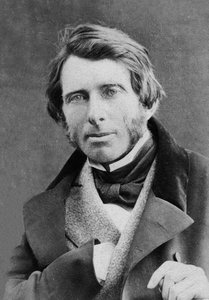
Džon Raskin
1819 - 1900 , Ujedinjeno Kraljevstvo
Osnovne informacije
- Artistic Movement Or Style: Viktorijanska umetnost, Umetnička kritika
- Artists Or Movements Influenced By This Artist: ['Pre-rafaeliti']
- Artists Who Influenced This Artist: ['J.M.W. Turner']
- Date Of Birth: 8. februar 1819.
- Date Of Death: 20. januar 1900.
- Full Name: John Ruskin
- Nationality: Britanac
- Notable Artworks:
- Dawn, Coniston
- Fors Clavigera
- Place Of Birth: London, UK
Povezani članci

Shadows & Splendor: A Journey Through the Soul of Gothic Art and Architectural Grandeur
Embark on a profound journey through the spiritual intensity of Gothic art. Explore the architectural marvels, luminous stained glass, and sacred sculptures that define this era of grandeur and human devotion.