


 Pregledaj u prostoru
 Podeli
 Podeli
 Detalji
 Vodič
Vodič

 Preuzmi sliku
 Slični predmeti
 Rendgenski snimak
 Automatska prezentacija
 Statistika
Head of a Negro


John Singleton Copley's 'Head of a Negro' (1777) is a striking portrait showcasing realism and dignity. Explore this Detroit Institute of Arts masterpiece.
 Pročitaj više
Јохн Синглтон Коплеј био је велик амерички сликар који је познат по својим детаљним портретима и иновативним историјским сценама. Истражите његове шедевралје данас!
Giclee štampa / Umetnički otisak
Giclée štampa ili print na platnu muzejskog kvaliteta uz brzu izradu i raznovrsne opcije završne obrade. ( Naručite ručno oslikano reprodukciju Pređi na prodaju digitalnih slika)




































Standardne dimenzije
po meri
CM
INCH
Izaberite jednu od naših unapred definisanih veličina koje odgovaraju originalnim proporcijama umetničkog dela.
Loading sizes...

širina
visina
Unesite širinu i visinu koja vam je potrebna, kako bi se uklopili u vaš ram ili na vaš zid. Štampa se može samo iseći, nikada ne može biti veća od originalne slike, stoga format sa drugačijim proporcijama gubi deo slike. Poslaćemo vam digitalni prikaz radi potvrde pre nego što započnemo štampu. Slika prikazana na ovoj stranici ne pokazuje stvarni rez — to pokazuje samo digitalni prikaz.
Dostava širom sveta () za 2 nedelje umesto uobičajenih 4/5 nedelja. (23 октобар)

Besplatna ekspresna dostava širom sveta

Visokokvalitetno laneno platno

Sveobuhvatno osiguranje transporta

Garancija povraćaja carine i uvoznih dažbina

Garancija vernosti boja i autentičnosti pri reprodukciji

Politika povraćaja u roku od 100 dana (samo u slučaju nedostataka)

Garancija povrata 100% novca

Popust pri većoj količini
 Opcija sa staklom dostupna je samo za dimenzije manje od 110 cm

Head of a Negro
Giclee štampa / Umetnički otisak
Veličina reprodukcije
-


Ukupna cena
дин 7127
Head of a Negro: A Portrait of Dignity and Complexity
John Singleton Copley's "Head of a Negro," created in 1777, is more than just a portrait; it’s a significant work within the context of 18th-century American art. Housed at the Detroit Institute of Arts, this oil on canvas painting offers a compelling glimpse into the social and artistic landscape of colonial America while prompting reflection on themes of race, identity, and representation.
Artistic Style and Technique
Copley, known for his realistic portraiture, employs a direct and unadorned style in "Head of a Negro." The subject is depicted against a neutral background, drawing the viewer's attention solely to his face and upper torso. Copley’s masterful use of oil paint allows for remarkable detail; you can observe the texture of the man’s brown shirt and the subtle nuances of his facial features. The brushstrokes are visible yet controlled, contributing to a sense of immediacy and realism. The lighting is soft and diffused, highlighting the subject's eyes and creating gentle shadows that emphasize his expression. This technique reflects Copley’s commitment to capturing not just likeness but also character.
Historical Context and Significance
The painting was created during a period of increasing awareness of slavery in America, though attitudes were complex and varied. While the portrait doesn't explicitly address the institution of slavery, its very existence—a formal portrait of a man of African descent—was noteworthy for the time. It suggests a degree of recognition of individual dignity, even within a society deeply entangled with racial inequality. Copley’s decision to portray this subject demonstrates an interest in exploring diverse representations beyond the typical portraits of wealthy colonial figures. The painting provides valuable insight into the social dynamics and artistic practices of 18th-century Boston.
Subject and Symbolism
The man depicted possesses a dignified presence, with open eyes and a subtle smile that conveys an air of approachability and intelligence. His gaze is direct, engaging the viewer in a silent dialogue. While the specific identity of the sitter remains unknown, his portrayal challenges stereotypical representations prevalent at the time. The painting can be interpreted as a statement about individual worth and humanity, transcending racial boundaries. The simple attire—a brown shirt—further emphasizes the subject’s inherent dignity rather than material possessions.
Emotional Impact and Legacy
"Head of a Negro" evokes a sense of quiet contemplation and respect. The painting's enduring power lies in its ability to transcend time, prompting viewers to consider issues of race, representation, and human connection. Copley’s work serves as a reminder of the complexities of American history and the importance of recognizing the humanity within every individual. Today, it stands as a testament to Copley’s skill as an artist and his willingness to challenge conventional norms.
Pitanja i odgovori
O čemu se radi u delu "Head of a Negro" i kakvu atmosferu odiše?
„Head of a Negro”, Džon Singlton Koplej prikazuje portrait, negro, copley, 18thcentury, americanart, dignity, expression, historical, u Nostalgic raspoloženju. Motiv i atmosfera zajedno opisuju delo.
Koje motive se pojavljuju u delu „Head of a Negro”, Džon Singlton Koplej?
„Head of a Negro”, Džon Singlton Koplej prikazuje: portrait, negro, copley, 18thcentury, americanart, dignity, expression, historical.
Kakvu atmosferu donosi „Head of a Negro”, Džon Singlton Koplej u enterijer?
Delo „Head of a Negro”, Džon Singlton Koplej odiše Nostalgic atmosferom i preporučuje se za Living Room. Raspoloženje je ono što umetničko delo unosi u prostor oko sebe.
Biografija umetnika
Džon Singleton Kopli: Pionir koji je spajao svetove
Džon Singleton Kopli, rođen u Bostonu 1738. godine, zauzima jedinstveno i ključno mesto u istoriji američke umetnosti. On nije bio samo slikar; bio je kulturni mostobranac, oblikujući izrazito anglo-američku estetiku tokom perioda ogromnih političkih i društvenih previranja. Njegova priča je priča o samoukom talentu, neumornoj ambiciji i neverovatnoj sposobnosti da ne samo oslikava sličnost, već i suštinu svojih subjekata u kontekstu njihovog vremena. Koplijev rani život bio je prožet živahnim pomorskim svetom kolonijalnog Bostona, grada koji je vrveo od trgovaca, brodograditelja i naglog bogatstva. Njegov otac, Ričard Kopli, iako ubrzo napustio porodicu, bio je trgovac duvanom, dok je njegova majka, Meri Singleton Kopli, vodila radnju na Long Vharfu. Ova sredina u mladog Džona probudila oštru svest o materijalnom svetu – teksturama tkanina, sjaju srebra, suptilnim nijansama društvenog položaja – svi elementi koji će kasnije definisati njegov umetnički stil. Njegov očuh, Piter Pelam, gravir i limnir (umetnik koji je stvarao portrete na pergamenu), pružio mu je određene smernice, ali je Koplijev talenat u velikoj meri bio samostalno razvijan kroz marljivo proučavanje i vežbu. On je prožimao sve dostupne gravire, pažljivo ih kopirajući kako bi savladao tehniku, i ubrzo nadmašio sposobnosti svog očuha.Uspon kolonijalnog portretište
Do 1760-ih, Kopli se etablirao kao vodeći portretista u Bostonu, služeći potrebe grada elite. Njegov uspeh nije bio samo rezultat tehničke veštine; bila je to njegova sposobnost da u svoje portrete udahne psihološku dubinu koja je retko viđena u kolonijalnoj američkoj umetnosti. On je prevazišao samu reprezentaciju, nastojeći uhvatiti karakter i društveni status svojih modela. To je uključivalo pomno obraćanje detaljima – precizno prikazivanje tkanina, nakita i nameštaja – ali i duboko razumevanje držanja, izraza lica i gestova. Koplijev portreti nisu bili samo slike; bili su izjave o bogatstvu, moći i društvenim ambicijama. On je vešto uključivao simbolične objekte u svoje kompozicije, suptilno nagoveštavajući profesiju ili interese svojih subjekata. Trgovac bi mogao biti prikazan sa uvezenom robom u pozadini, advokat sa pravnim tekstovima, ili mornarički oficir sa pomorskim instrumentima. Ova pažnja na detalje i simbolizam podigla je njegov rad iznad pukog portretisanja, pretvarajući ga u formu društvenog komentara. Njegovi portreti istaknutih ličnosti kao što je *Gospođa Izard* ilustruju ovaj pristup – elegantna poza, luksuzne tkanine i suptilni detalji svi prenose osećanje rafiniranosti i statusa.Ambicije i poziv Evrope
Uprkos uspehu u Bostonu, Kopli je imao ambicije koje su se protezale izvan kolonijalnog sveta umetnosti. On je žudio za priznanjem od strane uspostavljenih umetničkih krugova Londona i Rima, i želeo je da testira svoje veštine protiv majstora evropske umetnosti. 1766. godine poslao je svoju kompoziciju *Dečak sa letećim zekom* Društvu umetnika u Londonu, gde je primio značajne pohvale od Džošue Rejnoldsa i Benjamina Westa – dve vodeće figure britanske scene. Ohrabrenje je potaklo Koplijev žar za daljim obrazovanjem i većim izlaganjem. Međutim, porodične obaveze i uspešna praksa držali su ga zakorenjenog u Bostonu još deset godina. Konačno, 1774. godine, sa svojom suprugom Susannom Farnsvort Klark i decom, poduzeo je putovanje u Evropu, s namerom da studira stare majstore i uspostavi se kao slikar istorijskih scena. Izbijegao je Američka revolucija ubrzo nakon njegovog dolaska, što je Kopliju otežalo navigaciju politički nabijenim okruženjem dok je nastojao da ostvari svoje umetničke ciljeve.Istorijske priče i trajni pečat
U Londonu je Kopli pronašao kako prilike tako i izazove. Nastavio je da slika portrete, obezbeđujući narudžbine od istaknutih britanskih ličnosti, ali se takođe okrenuo slikanju istorijskih scena – žanr koji se smatrao prestižnijim od portretisanja u to vreme. Njegovo najambicioznije delo u ovom pravcu bilo je *Smrt majora Pirsona*, koje prikazuje scenu iz Bitke za ostrvo Džerzi tokom Američkog revolucionarnog rata. Iako tehnički impresivno, primilo je mešovite reakcije, a neki kritičari su sumnjali u njegovu kompoziciju i dramski efekat. Koplijeve kasnija istorijska slika, kao što je *Kolaps grofa Četama u Domu Lordova*, bile su uspešnije, demonstrirajući njegovu sposobnost da uhvati složena osećanja i dramatične trenutke. Iako nikada nije u potpunosti postigao nivo slave koju je tražio u Evropi, Džon Singleton Kopli ostavio neizbrisiv trag na istorji američke i britanske umetnosti. On je pionirski razradio jedinstveni anglo-američki stil, spajajući evropske tehnike sa izrazitim kolonijalnim senzibilitetom. Njegovi portreti ostaju dragoceni istorijski dokumenti, nudeći uvid u živote i vrednosti davno prošlog doba. Zapamćen je ne samo po svojoj umetničkoj veštini, već i po ulozi koju je imao u oblikovanju nacionalnog identiteta putem svoje umetnosti. Umro je u Londonu 1815. godine, ostavivši za sobom nasleđe koje nastavlja da inspiriše umetnike i fascinira publiku i danas.Uticaji i umetnički razvoj
- Rani uticaji: Koplijev rani umetnički razvoj bio je snažno pod uticajem gravura koje je pažljivo kopirao, posebno onih evropskih majstora kao što su Rembrandt van Rajn i Antoan Vato.
- Umijeće Pintera Pelama: Njegov očuh, Piter Pelam, pružio mu je početnu obuku u portretisanju i tehnikama graviranja, postavljajući temelj za njegov budući uspeh.
- Džošua Rejnolds & Benjamin Vest: Ohrabrenje i povratne informacije od ovih istaknutih britanskih umetnika tokom ranijih podnesaka Koplija na londonskim izložbama bile su ključne u oblikovanju njegovih ambicija i umetničkog pravca.
- Rokoko stil: Kopli je prvobitno prihvatio Rokoko stil, što se ogleda u korišćenju nežnih boja, gracioznih poza i ukrasnih detalja. Međutim, on se postepeno pomicao ka realističnijem i suzdržanijem pristupu.
- Inspiracija za istorijsko slikarstvo: Njegova izloženost istorijskim slikama umetnika kao što je Benjamin Vest inspirisala ga je da istraži ovaj žanr, iako se često borio da u potpunosti pomiri sa svojim urođenim talentom za portretisanje.

Džon Singlton Koplej
1738 - 1815 , Уједињено Краљевство
Brzi pregled
- Datum Rođenja: 1738
- Datum Smrti: 1815
- Mesto Rođenja: Boston, UK
- Nacionalnost: Anglo-Američan
- Puno Ime: John Singleton Copley
- Slikari Ili Pokreti Koje Je Ovaj Umetnik Uticao: Generacije umetnika
- Slikari Koji Su Uticali Na Ovog Umetnika:
- Rembrandt van Rijn
- Antoine Watteau
- Umetnički Pokret Ili Stil: Portretura, Realizam
- Značajna Dela:
- Earl of Chatham
- Mr. & Mrs. Izard
- Watson and the Shark
Srodni članci

The Unvarnished Truth: A Cultural Journey Through the Soul of American Realism
Explore the profound beauty of American Realism. From the Ashcan School's urban grit to intimate portraits, discover how artists captured the authentic soul of a nation through unvarnished truth and masterful observation.
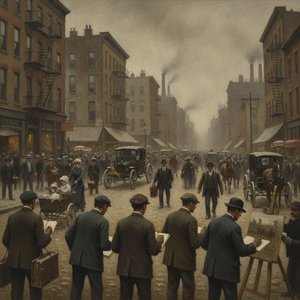
The Ashcan School: Capturing the Raw, Unfiltered Soul of Urban Life through American Realism
Discover the raw beauty of the Ashcan School. Explore how masters like Bellows and Henri captured the gritty, vibrant soul of early 20th-century New York through profound American Realism and evocative urban landscapes.
Istražite umetnička dela organizovana prema temama, stilovima i karakteristikama.


