


 Pregledaj u prostoru
 Podeli
 Podeli
 Detalji
 Vodič
Vodič

 Preuzmi sliku
 Slični predmeti
 Rendgenski snimak
 Automatska prezentacija
 Statistika
Self Portrait


Experience the realism of Eastman Johnson's 'Self Portrait' (1860). A captivating oil painting showcasing an American artist’s nuanced portrayal of himself, reflecting a bygone era.
 Pročitaj više
Otkrijte Jonathana Eastmana Johnsona (1824-1906), "Američkog Rembrandta”! Istražite njegove žanr scene, portrete Lincolna i više, prikazujući svakodnevni američki život pod uticajem holandskih majstora. Realizam 19. veka.
Giclee štampa / Umetnički otisak
Giclée štampa ili print na platnu muzejskog kvaliteta uz brzu izradu i raznovrsne opcije završne obrade. ( Naručite ručno oslikano reprodukciju Pređi na prodaju digitalnih slika)




P118B дин10

P118H дин10

P118W дин10

P438Z дин10

P508JH дин12

P508YH дин12

P805H дин10

P805Z дин10

P919BZ дин10

P919G дин10

P919XJ дин10

P959ZH дин10

P968JZ дин12

W106C дин8

W218G дин10

W218JH дин8

W218Y дин10

W307PJ дин10

W316G дин10

W316PJ дин8

W316Y дин10

W398PJ дин8

W4111J дин10

W500HY дин15

W500JH дин15

W692G дин12

W849H дин8

W940BG дин15

W953PJ дин8




Standardne dimenzije
po meri
CM
INCH
Izaberite jednu od naših unapred definisanih veličina koje odgovaraju originalnim proporcijama umetničkog dela.
Loading sizes...

širina
visina
Unesite širinu i visinu koja vam je potrebna, kako bi se uklopili u vaš ram ili na vaš zid. Štampa se može samo iseći, nikada ne može biti veća od originalne slike, stoga format sa drugačijim proporcijama gubi deo slike. Poslaćemo vam digitalni prikaz radi potvrde pre nego što započnemo štampu. Slika prikazana na ovoj stranici ne pokazuje stvarni rez — to pokazuje samo digitalni prikaz.
Dostava širom sveta () za 2 nedelje umesto uobičajenih 4/5 nedelja. (23 октобар)

Besplatna ekspresna dostava širom sveta

Visokokvalitetno laneno platno

Sveobuhvatno osiguranje transporta

Garancija povraćaja carine i uvoznih dažbina

Garancija vernosti boja i autentičnosti pri reprodukciji

Politika povraćaja u roku od 100 dana (samo u slučaju nedostataka)

Garancija povrata 100% novca

Popust pri većoj količini
 Opcija sa staklom dostupna je samo za dimenzije manje od 110 cm

Self Portrait
Giclee štampa / Umetnički otisak
Veličina reprodukcije
-


Ukupna cena
дин 7096
A Window into American Realism: Eastman Johnson’s “Self Portrait” (1860)
Eastman Johnson's "Self Portrait" of 1860 is more than just a likeness; it’s a meticulously crafted window into the soul of an era and the quiet dignity of a man. Painted during a pivotal period of American artistic development, this oil-on-canvas work embodies the burgeoning realism that would define Johnson's career and, in many ways, shape the course of 19th-century portraiture. The painting immediately draws the viewer in with its direct gaze – Johnson’s eyes meet ours across time, conveying a sense of thoughtful introspection and understated strength.
The composition is deceptively simple yet profoundly effective. Dressed in a dark, well-tailored coat and holding a red cloth—a subtle detail that hints at theatricality or perhaps a deliberate gesture of presentation – Johnson presents himself against a muted wall adorned with a vase and a clock. These elements aren’t merely decorative; they ground the portrait within a domestic setting, suggesting a life lived within the rhythms of everyday existence. The background's subdued palette further emphasizes the subject, allowing his features and demeanor to take center stage.
The Painter’s Palette: Technique and Style
Johnson’s masterful technique is rooted in the academic traditions he studied in Europe, particularly in Düsseldorf, Germany, where he honed his skills alongside other American artists seeking a rigorous artistic education. However, unlike many of his European contemporaries, Johnson didn't simply replicate established styles; he adapted them to reflect the unique character of American life. His brushwork is precise and controlled, yet imbued with a remarkable sensitivity to light and shadow. Note the subtle gradations in tone that define the contours of his face, creating a sense of volume and depth.
The painting’s realism extends beyond mere representation. Johnson captures not just Johnson's physical appearance but also something of his personality – a quiet confidence tempered by a hint of melancholy. The careful attention to detail—the texture of the coat, the slight furrow in his brow—reveals a deep understanding of human anatomy and expression. It’s a testament to Johnson’s ability to translate observation into compelling visual narrative.
A Man of His Time: Historical Context
To fully appreciate “Self Portrait,” it's essential to understand the social and artistic landscape of 1860 America. The nation was grappling with the aftermath of the Civil War, navigating a period of Reconstruction and profound societal change. Johnson’s work reflects this atmosphere of introspection and quiet resilience. He wasn’t interested in grand historical narratives or idealized representations; instead, he focused on capturing the realities of ordinary American life – a theme that would become increasingly prominent in his later genre paintings.
Johnson's connection to Washington D.C. is particularly significant. He lived and worked there for much of his career, documenting the lives of politicians, businessmen, and everyday citizens. His portraits offer invaluable insights into the social fabric of a rapidly evolving nation. The inclusion of elements like the vase and clock—common features of domestic interiors—further anchors the portrait within this specific context.
Symbolism and Emotional Resonance
While seemingly straightforward, “Self Portrait” is rich in subtle symbolism. The red cloth held in Johnson’s hand could represent passion, creativity, or perhaps a theatrical element – reflecting his involvement in stage design and set dressing. The direct gaze of the subject invites contemplation, prompting us to consider not only Johnson's identity but also our own relationship with self-representation and portraiture itself.
Ultimately, “Self Portrait” is a powerful testament to the enduring appeal of realism as an artistic approach. It’s a painting that speaks to the complexities of human experience – capturing both the outward appearance and the inner life of a man who sought to document his time with honesty, nuance, and a profound appreciation for the beauty of everyday existence.
Pitanja i odgovori
Mogu li da naručim uljanu reprodukciju dela "Self Portrait"?
Ručno oslikane kopije dela „Self Portrait”, Džonatan Istmen Džonson mogu se kupiti na stranici ovaj veb-sajt: ručno oslikana uljana reprodukcija na lanenom platnu, putem njihove stranice za naručivanje reprodukcija Ručno oslikana reprodukcija.
Da li je "Self Portrait" jedno od najpopularnijih dela umetnika Džonatan Istmen Džonson?
Nivo popularnosti zabeležen za „Self Portrait”, Džonatan Istmen Džonson iznosi Recognized.
Koliko je godina imao/la Džonatan Istmen Džonson u vreme kada je nastalo delo "Self Portrait"?
Džonatan Istmen Džonson je kreirao/la "Self Portrait" u uzrastu od 36 godina. Umetnik je rođen/a 1824, a datum stvaranja dela je 1860.
Biografija umetnika
Живот исписан америчким реализмом
Џонатан Истман Џонсон, име које одјекује тихом дигнитетом живота у Америци деветнаестог века, био је више од само сликара; он је био визуелни хроничар свог времена. Рођен у Ловелу, Мејну, 1824. године, Џонсонов пут до уметничке славе није био пут тренутне славе, већ постепен развој обликован породичним везама, ригорозном обуком и непоколебљивом посвећеношћу приказивању света онаквог какав га је видео – уз искреност, нијансе и дашић меланхоличне лепоте. Његов отац, Филип Кариган Џонсон, обављао је функције у бизнису и братствима, усађујући младом Истману осећај друштвене ангажованости који ће касније проткати његове уметничке теме. Рани сусрет са животом у Фрајбургу и Аугусти, Мејн, пружио је основна искуства која су обликовала његово разумевање свакодневног живота – разумевање које ће превести на платно уз изузетну осетљивост. Формално школовање започео је као ученик код литографа у Бостону 1840. године, обележивши почетни корак у каријери дефинисаној пажљивом посматрањем и техничком вештином. Прелазак у Вашингтон, Д.Ц., заједно са породицом, због морначког именовања његовог оца, проширио је његове хоризонте, изложивши га различитим темама и искуствима која су суптилним начином утицала на његов уметнички визију.Од Холандских мајстора до америчких сцена
Џонсонов уметнички развој био је фасцинантна игра утицаја. Првобитно привучен портретима, брзо је проширио свој репертоар на жанровско сликање – сцене које описују свакодневни живот. Ово није било само о репрезентацији; радило се о заробљавању суштине америчког друштва, нудећи увид у животе обичних људи којима често нису обраћали пажњу грандиозније историјске нарације. Кључни тренутак дошао је педесетих година када је Џонсон отпутовао у Хаг и уронио у радове холандских мајстора седамнаестог века. Ово искуство се показало трансформативним. Упијао је њихову вештину композиције, осветљења и реализма, зарадивши наклоност надимка "Амерички Рембрант". Овај утицај је опипљив у његовим сликама – пригушена палета боја, драматични киароскуро и готово фотографичка пажња према детаљима карактеришу његов зрели стил. Међутим, Џонсон није само имитирао; синтетизовао је ове европске технике са својом јединственом америчком осетљивошћу, стварајући дела која су била и технички сјајна и дубоко укорењена у друштвеној структури његовог времена. Ускладио се са растућим реалистичким покретом, одбацујући идеализоване репрезентације у корист прецизних описа свакодневног живота – посвећености која ће дефинисати његово уметничко наслеђе.Сведочење ери
Џонсонов опус је изузетно разнолик, обухватајући портрете истакнутих личности попут Абрахама Линколна, Натаниела Хоторна, Ралфа Валда Емерсона и Хенрија Водсворта Лонгфелоа, заједно са интимним сценама домаћег живота и руралног живота. Међутим, нека дела се истичу као посебно значајна због свог друштвеног коментара и уметничке иновације. Негро живот на југу (1859.) остаје једно од његових најславнијих – и контроверзнијих – слика. Приказујући Афроамериканце како уживају у слободном времену, изазвала је интензивну дебату о расизму и реалностима ропства на југу пред Грађанским ратом. Двосмисленост својствена сцени – да ли је то романтизовани портрет или суптилна критика? – подстакла је дискусије које су одјекивале далеко изван уметничког света. Његов одговор на Грађански рат био је такође емотивно снажан. Уместо да се фокусира на херојске битке, Џонсон је усмерио пажњу на утицај сукоба на цивилни живот, стварајући застрашујуће слике узнемирених породица и сцена ван фронта. Вожња ка слободи (1862.), која приказује ропску породицу како бежи у слободу, снажно је сведочанство његове посвећености социјалној правди. Његови описи живота на Новом Енглеском – берба шећеровог сирупа, брање бруснице – славили су традиционалне америчке вредности и занат са тихом поштовањем.Наслеђе ван платна
Поред својих уметничких достигнућа, Џонсон је играо кључну улогу у обликовању америчког уметничког пејзажа. Његова посвећеност жанровском сликању уздигла га је као поштовану форму уметничке експресије, изазивајући преовлађућа схватања шта чини "високу уметност". Он није био само уметник; он је био културни заговорник. Његова посвећеност се протезала даље од његове сопствене праксе, кулминирајући суоснивањем Метрополитен музеја уметности у Њујорку – сведочанство његовог уверења у моћ уметности да образује и инспирише. Његово име је уписано на његовом улазу, трајно признање његовог значајног доприноса националном уметничком наслеђу. Џонсонов утицај на амерички реализам је неоспоран; његова посвећеност приказивању свакодневног живота уз искреност и детаље отворила је пут будућим генерацијама уметника који су тражили да заробљавају сложености људског искуства. Данас се Џонатан Истман Џонсон памти не само као технички надарен сликар, већ и као промишљени посматрач америчког друштва, чија дела настављају да одјекују својом трајном релевантношћу и емоционалном дубином.Трајно значење
Џонсоново наслеђе се протеже даље од специфичних слика или институционалних доприноса. Он је био пионир у премошћавању јаза између европских уметничких традиција и јединственог америчког предмета. Његова способност да обичним сценама унесе дубоко значење, његова воља да се укључи у сложена друштвена питања и његова непоколебљива посвећеност реализму учврстили су његов положај као кључне фигуре у америчкој уметности деветнаестог века. Он није само бележио живот; он га је
Džonatan Istmen Džonson
1824 - 1906 , Уједињено Краљевство
Brzi pregled
- Artistic Movement Or Style: Realizam, Žanr slikarstvo
- Artists Or Movements Influenced By This Artist: ['Američki realizam']
- Artists Who Influenced This Artist:
- Holandski majstori
- Jean-François Millet
- Date Of Birth: 29. jul 1824.
- Date Of Death: 5. april 1906.
- Full Name: Jonathan Eastman Johnson
- Nationality: Amerikanac
- Notable Artworks:
- Negro Life at the South
- Ride For Liberty
- Woman Reading
- Place Of Birth: Lovell, Ujedinjeno Kraljevstvo
Srodni članci
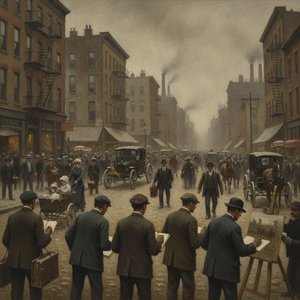
The Ashcan School: Capturing the Raw, Unfiltered Soul of Urban Life through American Realism
Discover the raw beauty of the Ashcan School. Explore how masters like Bellows and Henri captured the gritty, vibrant soul of early 20th-century New York through profound American Realism and evocative urban landscapes.

The Unvarnished Truth: A Cultural Journey Through the Soul of American Realism
Explore the profound beauty of American Realism. From the Ashcan School's urban grit to intimate portraits, discover how artists captured the authentic soul of a nation through unvarnished truth and masterful observation.

The Raw Truth: A Definitive Guide to the Power and Legacy of Social Realism Art
Explore the profound impact of Social Realism. Discover how masters like Courbet rejected idealism to capture the raw, socio-political truths of the working class through powerful, unvarnished art history and enduring visual critique.