


 Pregledaj u prostoru
 Podeli
 Podeli
 Detalji
 Vodič
Vodič

 Preuzmi sliku
 Slični predmeti
 Rendgenski snimak
 Automatska prezentacija
 Statistika
Fruit
 Oil On Canvas
- WallArt
- Impressionism
 1888
1888- 19th Century
 54.0 x 44.0 cm
 Metropolitan Museum of Art
Admire Julian Alden Weir’s ‘Fruit’ (1888), a vibrant Impressionist still life featuring apples, oranges & grapes. Hand-painted reproduction – perfect for art lovers.
 Pročitaj više
Julian Alden Weir (1852-1919): Istražite idilične pejzaže vodećeg američkog impresioniste, osnivača grupe "The Ten" i majstora tonalizma. Otkrijte njegovo nasleđe na farmi Weir Farm National Historic Site.
Giclee štampa / Umetnički otisak
Giclée štampa ili print na platnu muzejskog kvaliteta uz brzu izradu i raznovrsne opcije završne obrade. ( Naručite ručno oslikano reprodukciju Pređi na prodaju digitalnih slika)




P118B дин10

P118H дин10

P118W дин10

P438Z дин10

P508JH дин12

P508YH дин12

P805H дин10

P805Z дин10

P919BZ дин10

P919G дин10

P919XJ дин10

P959ZH дин10

P968JZ дин12

W106C дин8

W218G дин10

W218JH дин8

W218Y дин10

W307PJ дин10

W316G дин10

W316PJ дин8

W316Y дин10

W398PJ дин8

W4111J дин10

W500HY дин15

W500JH дин15

W692G дин12

W849H дин8

W940BG дин15

W953PJ дин8




Standardne dimenzije
po meri
CM
INCH
Izaberite jednu od naših unapred definisanih veličina koje odgovaraju originalnim proporcijama umetničkog dela.
Loading sizes...

širina
visina
Možete uneti sopstvene dimenzije kako biste umetničko delo prilagodili specifičnom okviru ili prostoru. Ako odabrani format ne odgovara proporcijama originalne slike, mi ćemo ili iscrtati deo dela ili proširiti sliku pomoću ogledane ivice ili jednobojnog popunjavanja. Digitalni prikaz će vam biti poslat na odobrenje pre početka proizvodnje.
Imajte na umu da pregled na ekranu ne odražava stvarno iscrtavanje ili proširivanje. Samo će prikaz (mockup) precizno pokazati finalnu kompoziciju.
Iako su prilagođene dimenzije dostupne, preporučujemo da odaberete dimenziju sa unapred definisane liste kako biste očuvali originalne proporcije.
Dostava širom sveta () za 2 nedelje umesto uobičajenih 4/5 nedelja. (2 октобар)

Besplatna ekspresna dostava širom sveta

Visokokvalitetno laneno platno

Sveobuhvatno osiguranje transporta

Garancija povraćaja carine i uvoznih dažbina

Garancija vernosti boja i autentičnosti pri reprodukciji

Politika povraćaja u roku od 100 dana (samo u slučaju nedostataka)

Garancija povrata 100% novca

Popust pri većoj količini
 Opcija sa staklom dostupna je samo za dimenzije manje od 110 cm

Fruit
Giclee štampa / Umetnički otisak
Veličina reprodukcije
-


Ukupna cena
дин 6972
Julian Alden Weir’s “Fruit”: A Still Life of Transient Beauty
Julian Alden Weir's 1888 painting, "Fruit," offers a captivating glimpse into the burgeoning world of American Impressionism. More than just a depiction of apples, oranges, and grapes arranged on a table, it’s a meditation on beauty, decay, and the fleeting nature of existence – a core tenet of the *vanitas* tradition prevalent in European art at the time. Weir, born in West Point, New York, inherited an artistic lineage deeply rooted in formal training, beginning with his father's instruction at the United States Military Academy, yet it was his immersion in Parisian ateliers and encounters with artists like Jean-Léon Gérôme that truly ignited his distinctive style. This painting represents a pivotal moment in Weir’s artistic journey – a deliberate shift away from the rigid academicism of his early years towards a more subjective and emotionally resonant approach to capturing the world around him.
The composition itself is deceptively simple, yet meticulously crafted. The arrangement of the fruit—the vibrant red of the apples, the sunny yellow of the oranges, and the deep purple of the grapes – draws the eye immediately. Notice how Weir doesn’t strive for photographic realism; instead, he employs loose brushstrokes and a muted palette, prioritizing atmosphere and light over precise detail. The table, rendered with subtle tonal variations, provides a grounding element, anchoring the vibrant fruits within a sense of quiet contemplation. This deliberate choice reflects the influence of artists like Edouard Manet, whom Weir admired and whose work encouraged him to explore more intimate still lifes that evoked the *vanitas* tradition – a reminder of mortality and the transience of earthly pleasures.
The Influence of *Vanitas* and the Symbolism of Decay
“Fruit” is deeply informed by the *vanitas* genre, a popular theme in Northern European art during the 16th and 17th centuries. *Vanitas* paintings typically featured symbolic objects – skulls, decaying fruit, extinguished candles – to remind viewers of the inevitability of death and the futility of worldly pursuits. While Weir’s work isn't overtly morbid, the inclusion of ripe fruit on the verge of decay subtly conveys this underlying theme. The slightly bruised apple, for instance, hints at the passage of time and the ephemeral nature of beauty. The grapes, plump and luscious, represent abundance and pleasure, but their proximity to the decaying elements suggests that even these joys are ultimately transient.
Beyond *vanitas*, individual fruits carry specific symbolic weight. Apples have long been associated with knowledge, temptation, and immortality in Western art. Oranges, introduced to Europe from the East, represented wealth and luxury. Grapes symbolize abundance, fertility, and joy. Weir’s careful selection of these elements creates a layered visual narrative, inviting viewers to contemplate not just the beauty of the fruit itself, but also its deeper meaning.
Technique and Artistic Style
Weir's masterful technique is evident in his skillful use of light and shadow. He employs broken color—applying small dabs of paint rather than blending them smoothly—to create a sense of luminosity and atmospheric depth. The brushstrokes are loose and expressive, capturing the texture of the fruit’s skin and the sheen of its surfaces. This approach aligns with the Impressionist movement's emphasis on capturing fleeting moments and subjective perceptions. The painting is executed in oil on canvas, a medium that allowed Weir to achieve rich colors and subtle tonal variations.
Interestingly, this period of Weir’s work – the 1880s – saw him moving away from his earlier academic style and embracing a more intimate and emotionally driven approach. His connection with artists like Edouard Manet during his time in Paris undoubtedly played a role in this transformation. The painting's quiet elegance and contemplative mood reflect Weir’s growing confidence as an artist, signaling a shift towards a distinctly American brand of Impressionism.
A Reproduction for Art Lovers
TopImpressionists is proud to offer a meticulously hand-painted reproduction of Julian Alden Weir’s “Fruit.” This isn't merely a print; it’s a faithful recreation of the original, capturing the artist’s delicate brushwork and evocative atmosphere. The 54 x 44 cm size makes this piece ideal for adding a touch of timeless beauty to any room – from a cozy study to a sophisticated dining area. The subtle color palette and nuanced details will bring a sense of serenity and contemplation to your space, reminding you of the fleeting nature of beauty and the importance of appreciating the present moment. Explore our collection today and bring home a piece of art history.
Pitanja i odgovori
Gde se „Fruit”, Џулијан Алден Веир nalazi u istoriji umetnosti?
„Fruit”, Џулијан Алден Веир pripada pravcu Impressionism, unutar perioda 19th Century. Zajedno, oni delu daju njegovo mesto u istoriji umetnosti.
Koliko je godina imao/la Џулијан Алден Веир u vreme kada je nastalo delo "Fruit"?
Џулијан Алден Веир je kreirao/la "Fruit" u uzrastu od 36 godina. Umetnik je rođen/a 1852, a datum stvaranja dela je 1888.
Ko je umetnik koji stoji iza dela "Fruit"?
Delo "Fruit" pripisuje se umetniku Џулијан Алден Веир.
Kolikih je dimenzija originalno delo "Fruit"?
Zabeležene dimenzije dela „Fruit”, Џулијан Алден Веир su 54 x 44 cm. Reprodukcije se mogu naručiti u drugim dimenzijama uz zadržavanje istih proporcija.
Da li su boje dela „Fruit”, Џулијан Алден Веир zasićene ili prigušene?
Boje dela „Fruit”, Џулијан Алден Веир imaju Subtle Color zasićenost. Zasićenost opisuje koliko su boje jarke ili prigušene.
Da li „Fruit”, Џулијан Алден Веир koristi jake kontraste ili nežne harmonije?
U delu "Fruit", Bold kontrast je uparen sa Strong Color Unity harmonijom.
U kojoj godini je nastalo delo „Fruit”, Џулијан Алден Веир?
Datum nastanka dela „Fruit”, Џулијан Алден Веир je 1888.
Srodna umetnička dela


Biografija umetnika
Рани живот и уметнички корени
Јулијан Алден Веир, рођен 30. августа 1852. године у Западној Тачки, Њујорк, наследио је уметничку баштину која је дубоко обликовала његов пут. Његов отац, Роберт Валтер Веир, био је поштовани сликар и професор цртања на Војној академији Сједињених Држава, усађујући младом Јулијану дубоку захвалност за уметност од раног узраста. Кућа је била живописна радионица, испуњена алатима и инспирацијом креативног живота. Ово негујуће окружење проширило се и на његовог старијег брата, Џона Фергусона Веира, који је такође постао познати пејзажни уметник. Јулијаново прво формално школовање започело је око 1870. године у Националној академији дизајна у Њујорку, пружајући му чврсту основу традиционалних техника. Међутим, његово путовање у Париз 1873. године заиста је распламсало његов уметнички развој. Студирање под Жаном-Леоном Жеромом на École des Beaux-Arts изложило га је академској строгости и прецизним детаљима, док су пријатељства склопљена са уметницима попут Жил Бастијен-Лепажа проширила његову перспективу о могућностима сликања. У почетку је Веир гајио снажно противљење новом импресионистичком покрету, сматрајући његов очити недостатак форме и структуре "ужасним". Ова рана отпорност се испоставила као кључна, јер је његово коначно прихватање импресионизма дошло не од непосредног прихватања, већ кроз постепену еволуцију разумевања.Године у Конектикату и уметничка трансформација
Преломни тренутак у Веировом животу наступио је са његовим браком за Ану Двајт Бејкер 1883. године и њиховим каснијим пресељењем у Бранчвил, Конектикат. Купио је фарму тамо, тражећи одмор од бурног светског света уметности у Њујорку. Ово рурално окружење постало је више од обичног повлачења; то је био извор инспирације. Мирни пејзажи, ритмови фармског живота и блиска веза са природом почели су да суптилно мењају његов уметнички фокус. Иако је наставио да производи портрете и мртве природе у традиционалном стилу, Веир се све више привлачио заробљавању пролазних ефеката светлости и атмосфере. Око 1891. године ова наклоност је прерасла у пуно прихватање импресионизма. Под утицајем колега уметника попут Џона Твактмана и Теодора Робинсона, почео је да експериментише сломљеним потезима четком, живописним палетама боја и нагласком на субјективном осећању. Ово није било целокупно одбацивање његовог ранијег тренинга; уместо тога, била је то синтеза академске вештине са иноваторским духом новог покрета. Његов стил је често колебао између чистог импресионистичког израза и суптилнијег тонализма, стварајући јединствен визуелни језик који га је разликовао од његових савременика. Такође је показао значајан таленат као гравер, посебно кроз вешту употребу акватинтехника.Водећи глас у америчкој уметности
Крајем 19. века Јулијан Алден Веир се утврдио као истакнута фигура на америчкој уметничкој сцени. Био је кључан у формирању "Десет", групе од десет самосталних сликара који су тражили да излажу своје радове ван оквира традиционалних институција попут Националне академије дизајна. Ова колектива – укључујући уметнике као што су Чилд Хасам, Вилард Лерој Меткалф и Едмунд Тарбел – представљала је значајан корак ка уметничкој аутономији и помогла да се обликује правац америчког сликања. 1912. године Веир је изабран за првог председника Удружења америчких сликара и вајара, што је додатно учврстило његову лидерску улогу у уметничкој заједници. Касније је служио као председник саме Националне академије дизајна, демонстрирајући поштовање које је стекао од прогресивних и конзервативних фракција у свету уметности. Његова кључна дела из овог периода – попут *На обали* (1892), живописне приморске сцене; *Двориште у Новом Енглеској* (1904), шармантног описа руралног живота; и *Висока пашњака* (1905) – пример су његове мајсторства импресионистичких техника и способности да зароби суштину америчког пејзажа.Наслеђе и трајан утицај
Допринос Јулијана Алдена Веира се протеже далеко ван његових појединачних слика. Играо је кључну улогу у премошћивању јаза између традиционалног академског сликања и иноваторног духа импресионизма, отварајући пут будућим генерацијама америчких уметника. Његова посвећеност неговању уметничке самосталности кроз "Десет" изазвала је утврђене норме и помогла да се створи живописнија и разноврснија уметничка пејзаж. Данас, Веирова фарма Национални историјски споменик у Бранчвилу, Конектикат, служи као сведочанство његовог живота и рада. Сачувана онако како је била током његовог времена, фарма нуди посетиоцима увид у свет који га је инспирисао – таласаста брда, овеларене штале и тиха лепота руралне Нове Енглеске. Локација служи не само као историјска знаменитост већ и као континуирани извор инспирације за уметнике данас. Његово породично уметничко наслеђе – потиче од његовог оца, Роберта Валтера Веира, сликара школе реке Хадсон – додатно учвршћује место Јулијана Алдена Веира у ширем наративу америчке историје уметности. Преминуо је у Њујорку 8. децембра 1919. године, оставивши иза себе корпус дела који наставља да очарава и инспирише, подсећајући нас на моћ уметности да зароби лепоту и суштину света око нас.- Кључна дела: *На обали* (1892), *Двориште у Новом Енглеској* (1904), *Висока пашњака* (1905)
- Уметнички стил: Импресионизам, тонализам
- Асоцијације: “Десет”, Национална академија дизајна

Џулијан Алден Веир
1852 - 1919 , Сједињене Америчке Државе
Brzi pregled
- Artistic Movement Or Style: Импресионизам, Тонализам
- Artists Or Movements Influenced By This Artist: ['Десет америчких сликара']
- Artists Who Influenced This Artist:
- Жан-Леон Жером
- Жил Бастијен-Лепаж
- Date Of Birth: 30. август 1852.
- Date Of Death: 8. децембар 1919.
- Full Name: Джулијан Алден Веир
- Nationality: Американац
- Notable Artworks:
- На обали
- Новоенглеско двориште
- Висока пашњака
- Place Of Birth: Вест Појнт, САД
Srodni članci

The Timeless Charm of Oil on Board: Reimagining Texture and Light through the Impressionist Lens
Discover the profound intimacy of oil on panel. Explore how Impressionist masters used rigid supports to capture light, texture, and impasto depth through exquisite, handmade oil reproductions for discerning collectors.

The Soul of Impressionism: Why Oil on Canvas Captures Eternal Light and Timeless Emotion
Discover the enchanting alchemy of Impressionism. Explore how the mastery of oil on canvas, through glazing and impasto, captures eternal light and emotion. Perfect for lovers of Monet and Van Gogh seeking the profound depth of hand-painted fine art.

Enchanting Strokes: Unveiling the Luminous Magic and Timeless Soul of Impressionist Masterpieces
Immerse yourself in the luminous beauty of Impressionism. TopImpressionists.com offers exquisite, hand-painted oil reproductions of masters like Monet and Van Gogh. From museum-quality landscapes to bespoke portraits from photos, we bring timeless artistry and soul to your collection.
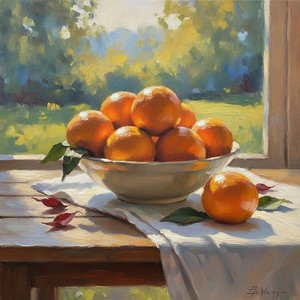
Sun-Drenched Citrus: The Vibrant Beauty of Oranges in Impressionist Masterpieces
Embark on a sensory journey through Impressionist masterpieces. Discover how Renoir and Cézanne captured the vibrant light and luscious textures of sun-drenched oranges in exquisite still life paintings designed to inspire and transform your home.

Moonlight Magic: Capturing the Luminous Glow of Impressionist Nightscapes
Discover the ethereal beauty of Impressionist nightscapes. Explore how masters like Monet and Van Gogh captured moonlight through luminous oil textures. Expert insights for collectors seeking museum-quality, handmade reproductions to transform their homes with timeless nocturnal magic.