


 Pregledaj u prostoru
 Podeli
 Podeli
 Detalji
 Vodič
Vodič

 Preuzmi sliku
 Slični predmeti
 Rendgenski snimak
 Automatska prezentacija
 Statistika
Carnival in Arcueil


Lyonel Feininger's "Carnival in Arcueil" (1911) bursts with Expressionist energy! Witness vibrant colors, dynamic figures, and a captivating Parisian carnival scene – a masterpiece by a pioneering artist.
 Pročitaj više
Otkrijte Lionela Fajningera (1871-1956), nemačko-američkog ekspresionističkog slikara i majstora Bauhausa. Istražite njegov jedinstveni stil koji spaja kubizam, estetiku vitraža i arhitektonske teme. Ključna figura modernog umetničkog pokreta.
Giclee štampa / Umetnički otisak
Giclée štampa ili print na platnu muzejskog kvaliteta uz brzu izradu i raznovrsne opcije završne obrade. ( Naručite ručno oslikano reprodukciju Pređi na prodaju digitalnih slika)




P118B дин10

P118H дин10

P118W дин10

P438Z дин10

P508JH дин12

P508YH дин12

P805H дин10

P805Z дин10

P919BZ дин10

P919G дин10

P919XJ дин10

P959ZH дин10

P968JZ дин12

W106C дин8

W218G дин10

W218JH дин8

W218Y дин10

W307PJ дин10

W316G дин10

W316PJ дин8

W316Y дин10

W398PJ дин8

W4111J дин10

W500HY дин15

W500JH дин15

W692G дин12

W849H дин8

W940BG дин15

W953PJ дин8




Standardne dimenzije
po meri
CM
INCH
Izaberite jednu od naših unapred definisanih veličina koje odgovaraju originalnim proporcijama umetničkog dela.
Loading sizes...

širina
visina
Unesite širinu i visinu koja vam je potrebna, kako bi se uklopili u vaš ram ili na vaš zid. Štampa se može samo iseći, nikada ne može biti veća od originalne slike, stoga format sa drugačijim proporcijama gubi deo slike. Poslaćemo vam digitalni prikaz radi potvrde pre nego što započnemo štampu. Slika prikazana na ovoj stranici ne pokazuje stvarni rez — to pokazuje samo digitalni prikaz.
Dostava širom sveta () za 2 nedelje umesto uobičajenih 4/5 nedelja. (20 октобар)

Besplatna ekspresna dostava širom sveta

Visokokvalitetno laneno platno

Sveobuhvatno osiguranje transporta

Garancija povraćaja carine i uvoznih dažbina

Garancija vernosti boja i autentičnosti pri reprodukciji

Politika povraćaja u roku od 100 dana (samo u slučaju nedostataka)

Garancija povrata 100% novca

Popust pri većoj količini
 Opcija sa staklom dostupna je samo za dimenzije manje od 110 cm

Carnival in Arcueil
Giclee štampa / Umetnički otisak
Veličina reprodukcije
-


Ukupna cena
дин 7056
A Burst of Joy: Lyonel Feininger’s “Carnival in Arcueil”
Lyonel Feininger's "Carnival in Arcueil," painted in 1911, isn’t merely a depiction of a festive street scene; it’s a vibrant distillation of Expressionist energy and a testament to the artist’s unique ability to imbue everyday life with an extraordinary sense of movement and emotion. Housed within the Art Institute of Chicago, this oil on canvas transports us to the heart of a Parisian carnival, capturing not just the visual spectacle but also the palpable excitement and slightly surreal atmosphere that defines the moment. Feininger, a German-American painter deeply rooted in both European artistic traditions and American popular culture, masterfully blends elements of Cubism with the passionate intensity of Expressionism, creating an image that is both familiar and strikingly original.
The painting immediately draws the eye to its central figure: a man in black, balancing precariously on one leg while juggling three balls. This dynamic pose isn’t simply illustrative; it embodies the spirit of the carnival itself – a celebration of skill, daring, and joyful abandon. Surrounding him is a throng of figures, rendered with a remarkable degree of detail despite the overall impression of movement. They are not portraits in the traditional sense, but rather archetypes of carnival revelers—a mix of faces, costumes, and gestures that collectively contribute to the painting’s lively energy. The artist's use of color is particularly noteworthy; bold yellows, reds, blues, and greens dominate the palette, creating a dazzling visual effect that mirrors the vibrancy of the event itself.
The Architectural Backdrop: Bridges and Parisian Identity
Beyond the figures, it’s crucial to consider the setting – two prominent bridges that frame the scene. These aren't merely architectural elements; they are integral to the painting’s narrative. Arcueil, a town just south of Paris, was a frequent subject for Feininger, and these bridges became recurring motifs in his work. They represent not only the physical connection between different parts of the city but also a sense of Parisian identity—a blend of urban dynamism and historical heritage. The bridges’ solid forms provide a grounding element to the swirling chaos of the carnival, anchoring the scene within a recognizable, yet subtly stylized, reality.
Feininger's fascination with architecture is evident throughout his oeuvre, reflecting a broader interest in geometric form and spatial relationships. He often depicted buildings not as static objects but as dynamic forces shaping the urban landscape. In “Carnival in Arcueil,” the bridges serve as both structural supports and visual anchors, guiding the viewer’s eye through the composition and contributing to the painting's overall sense of depth and movement.
Expressionist Techniques: Color, Form, and Emotion
The painting’s distinctive style is firmly rooted in Expressionism—a movement that sought to convey subjective emotions rather than objective reality. Feininger achieves this through a number of key techniques. His use of flattened perspective and fragmented forms creates a sense of disorientation and immediacy, as if the viewer is swept up in the carnival's frenetic energy. The colors are applied with thick impasto—a technique that adds texture and physicality to the surface of the canvas—further enhancing the painting’s emotional impact.
Furthermore, Feininger employs a masterful use of color theory. He utilizes contrasting hues to heighten visual interest and create a sense of dynamism. The vibrant yellows and reds of the carnival scene are juxtaposed with cooler blues and greens in the background, generating a powerful visual tension. This interplay of colors not only captures the sensory experience of the carnival but also reflects the artist’s own emotional response to it—a mixture of excitement, wonder, and perhaps even a touch of melancholy.
A Legacy of Modernity: Feininger's Place in Art History
“Carnival in Arcueil” stands as a pivotal work in Lyonel Feininger’s career and a significant example of early 20th-century art. His exploration of urban life, combined with his innovative use of color and form, foreshadowed many of the developments that would characterize modernism. The painting's influence can be seen in the works of later Expressionist artists such as Max Beckmann and Emil Nolde, while its stylistic elements also resonate with the Cubist explorations of Picasso and Braque.
Today, “Carnival in Arcueil” continues to captivate viewers with its vibrant energy and emotional depth. It’s a reminder of the power of art to capture not just what we see but also what we feel—a celebration of joy, movement, and the enduring spirit of human connection.
Pitanja i odgovori
Koja veličina je preporučena za "Carnival in Arcueil" u prostoriji tipa Living Room?
Za Living Room, preporučena veličina štampe dela „Carnival in Arcueil”, Лионел Фајнингер je Medium.
Da li je "Carnival in Arcueil" tipično za ono što je Лионел Фајнингер obično stvarao?
"Carnival in Arcueil" prikazuje carnival, arcueil, feininger, expressionism, bridge, figures, joy, celebration, dok su dokumentovane teme umetnika Лионел Фајнингер su german expressionism, vibrant colors, post-impressionist, architectural focus, urban life, festive scenes, feininger's exploration of joy, bridging art and caricature. Poređenje ova dva elementa pokazuje kako se ovo delo povezuje sa uobičajenim motivima ovog umetnika.
Koju temu i atmosferu spaja „Carnival in Arcueil”, Лионел Фајнингер?
„Carnival in Arcueil”, Лионел Фајнингер prikazuje carnival, arcueil, feininger, expressionism, bridge, figures, joy, celebration, u Dramatic raspoloženju. Motiv i atmosfera zajedno opisuju delo.
Biografija umetnika
Rani Život i Karijera: Od Karikaturiste do Umetnika
Lajonel Čarls Adrian Fejninger rođen je 17. jula 1871. godine u Njujorku. Njegov otac, Karl Fejninger, bio je nemačko-američki violinista i kompozitor, a majka, Elizabeta Fejninger, američka pevačica. Ova umetnička sredina imala je dubok uticaj na njegov rani razvoj. Još u mladosti, 1887. godine, Lajonel se preselio u Evropu sa namerom da studira muziku, ali je ubrzo usmerio svoj fokus na slikarstvo. Studirao je crtanje u Hamburgu i Berlinu, postavljajući temelje za svoju buduću umetničku karijeru. Već od 1894. godine, Fejninger se uspešno etablirao kao karikaturista, radeći za različite nemačke, francuske i američke časopise. Njegovi stripovi, poput “Kin-der-Kids” i “Wee Willie Winkie’s World”, postigli su značajnu popularnost i pokazali njegov jedinstveni grafički stil. Dvadeset godina je posvetio komercijalnoj umetnosti pre nego što se u 36. godini života okrenuo slobodnom slikarstvu, što je predstavljalo ključni trenutak u njegovom profesionalnom životu.Ekspresionizam i Uticaj Bauhausa
Fejninger je postao vodeći predstavnik ekspresionizma, pridruživši se uticajnim grupama kao što su Die Brücke, Novembergruppe i Gruppe 1919. Njegovi radovi iz tog perioda odražavali su naglasak pokreta na emocionalnom izrazu i subjektivnom doživljaju. Prva samostalna izložba u galeriji Sturm u Berlinu (1917) bila je prekretnica, čime se Fejninger etablirao kao istaknuta figura na umetničkoj sceni. Godine 1919., Valter Gropijus ga je imenovao prvim profesorom na Bauhausu, revolucionarnoj školi za umetnost i dizajn. Bio je zadužen za radionicu grafike, gde je značajno uticao na brojne studente. Njegov stil karakterisala je prizmatički razbijena forma, providna boja i reference na arhitekturu i more, što ga svrstava u klasični modernizam.Glavna Dela i Umetnički Razvoj
Tokom letnjih odmora na ostrvu Usedom (1909-1918), Fejninger je stvorio brojne marine koje prikazuju Baltičko more, pokazujući njegov evoluirajući stil. Neka od njegovih značajnijih dela uključuju “Werder I” (vodena boja), “Gaberndorf II” (papir) i “Čamci” (ulje na platnu). Ova dela predstavljaju jedinstvenu kombinaciju ekspresionističkih tehnika i arhitektonskih motiva. Između 1928. i sredine pedesetih godina, Fejninger je producirao značajan broj fotografija, demonstrirajući svoju svestranost kao umetnika. Takođe se bavio komponovanjem klavirskih kompozicija i fuga za orgulje, otkrivajući još jednu stranu njegovog talenta.Kasnije Godine i Nasleđe
Usled uspona nacističke partije 1933. godine, Fejninger je emigrirao u Sjedinjene Države sa suprugom. Nastavio je da slika i stvara umetnost tokom celog života, zadržavajući prepoznatljiv stil. Lajonel Fejninger umro je 13. januara 1956. godine. Njegov rad ostavio je neizbrisiv trag na svetu umetnosti, inspirišući umetnike i ljubitelje umetnosti jedinstvenom kombinacijom ekspresionizma, grafičkog eksperimentisanja i arhitektonskih motiva. Kao ključna figura u oba pokreta – ekspresionizmu i Bauhausu – doprinos Fejningera je značajno oblikovao tok moderne umetnosti. Njegova inovativna upotreba boje, forme i perspektive nastavlja da rezonira sa publikom danas. Njegovo delo predstavlja most između različitih umetničkih pravaca, a njegov uticaj se oseća u radu mnogih savremenih umetnika.
Лионел Фајнингер
1871 - 1956 , Sjedinjene Američke Države
Brzi pregled
- Artistic Movement Or Style: Ekspresionizam, Kubizam
- Artists Or Movements Influenced By This Artist:
- Bauhaus pokret
- Ludwig Hirschfeld Mack
- Date Of Birth: 17. jul 1871.
- Date Of Death: 13. januar 1956.
- Full Name: Lyonel Charles Adrian Feininger
- Nationality: Nemačko-američki
- Notable Artworks:
- Werder I (vodena boja)
- Gaberndorf II (papir)
- Čamci (ulje na platnu)
- Place Of Birth: Njujork, SAD
Srodni članci
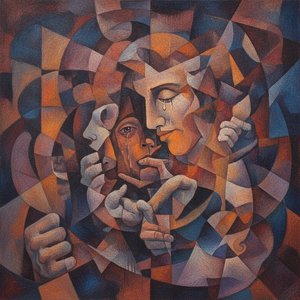
Beyond the Surface: Exploring the Emotional Depth of Cubist Expressionism
Discover the profound emotional resonance within Cubist Expressionism. Explore how fragmented forms and geometric abstraction convey deep human feeling through an expert art-historical lens for the discerning collector.