

 Pregledaj u prostoru
 Pošalji
 Podeli
 Detalji o delu
 Vodič
Vodič

 Preuzmi
 Slični predmeti
 Rendgenski snimak
 Automatska prezentacija
 Pitanja i odgovori
 Statistika
Solitude

- 102.0 x 169.0 cm


Marc Chagall's 'Solitude' (1933) captures Jewish resilience amidst rising anti-Semitism. This poignant painting, rich with symbolism and featuring a contemplative figure, embodies cultural identity and enduring spirit.
 Pročitaj više
Otkrijte svet Marka Šagala (1887-1985), ruskog umetnika čija dela odišu snovima i folklorom! Poznat po živopisnim slikama, jevrejskoj tematici i prelepim vitražima. Istražite njegovu istorijsku važnost i nasleđe!
Umetničko delo prikazano na ovoj stranici zaštićeno je autorskim pravima, što znači da zakonski nismo u mogućnosti da kreiramo niti prodajemo identičnu reprodukciju. Ova zaštita se sprovodi u skladu sa međunarodnim sporazumima kao što su Bernska konvencija i nacionalnim zakonima, uključujući i one koji su definisani u Američki zakon o autorskom pravu – Naslov 17.
Ovaj metod je u potpunosti usklađen sa regulativama o autorskim pravima jer ne podrazumeva kopiranje ili dupliranje zaštićenih umetničkih dela. Umesto toga, reč je o kreativnoj reinterpretaciji – novom slikarskom delu koje je inspirisano originalom, ali nije identično njemu.
Giclee štampa / Umetnički otisak
Giclée štampa ili print na platnu muzejskog kvaliteta uz brzu izradu i raznovrsne opcije završne obrade. ( Kupite ručno oslikano delo Pređi na digitalnu sliku)




P118B дин10

P118H дин10

P118W дин10

P438Z дин10

P508JH дин12

P508YH дин12

P805H дин10

P805Z дин10

P919BZ дин10

P919G дин10

P919XJ дин10

P959ZH дин10

P968JZ дин12

W106C дин8

W218G дин10

W218JH дин8

W218Y дин10

W307PJ дин10

W316G дин10

W316PJ дин8

W316Y дин10

W398PJ дин8

W4111J дин10

W500HY дин15

W500JH дин15

W692G дин12

W849H дин8

W940BG дин15

W953PJ дин8




Standardne dimenzije
po meri
CM
INCH
Izaberite jednu od naših unapred definisanih veličina koje odgovaraju originalnim proporcijama umetničkog dela.
Loading sizes...

širina
visina
Unesite željenu širinu i visinu kako bi se štampa uklopila u vaš ram ili zid. Štampu je moguće samo iseći, ali nikada povećati iznad dimenzija originalne slike, stoga format sa drugačijim proporcijama uzrokuje gubitak dela slike. Pre početka štampe, poslaćemo vam digitalni prikaz radi potvrde. Slika prikazana na ovoj stranici ne predstavlja stvarni isrez — to pokazuje samo digitalni prikaz.
Dostava širom sveta () za 2 nedelje umesto uobičajenih 4/5 nedelja. (8 новембар)

Besplatna ekspresna dostava širom sveta

Visokokvalitetno laneno platno

Potpuno osiguranje transporta

Garancija povraćaja carine i uvoznih dažbina

Garancija vernosti boja

Politika povraćaja u roku od 100 dana (samo u slučaju nedostataka)

Garancija povrata 100% novca

Popust na više proizvoda
 Opcija sa staklom dostupna je samo za dimenzije manje od 110 cm

Solitude
Giclee štampa / Umetnički otisak
Dimenzije reprodukcije
-


Ukupna cena
дин 7333
The Poignant Echo of Isolation
Marc Chagall’s “Solitude,” painted in 1933, isn't merely a depiction of a man seated on the ground; it’s a profound meditation on Jewish identity, cultural displacement, and the weight of history. Housed within the Tel-Aviv Museum of Art, this work transcends its physical dimensions to become a powerful symbol of resilience in the face of rising anti-Semitism across Europe. The painting immediately draws the eye with its muted palette – a deliberate departure from Chagall’s often vibrant Fauvist style – creating an atmosphere of contemplative stillness that mirrors the man's internal state. The composition is strikingly simple, yet deeply resonant: a solitary figure enveloped in a long robe or cloak, his head bowed in what appears to be profound introspection. This posture speaks volumes about the burden he carries, a weight amplified by the surrounding elements.
- The Central Figure: The man’s slumped form and downward gaze immediately evoke feelings of sadness and isolation. His attire – a traditional Jewish prayer shawl – subtly anchors him within his cultural heritage while simultaneously highlighting his separation from the world around him.
- The Goat: A calm, resting goat positioned before the figure is a particularly intriguing element. It’s not simply an animal; it represents a connection to the land and tradition, a grounding force amidst the man's internal turmoil. The juxtaposition of the human figure and the animal creates a visual dialogue about the relationship between humanity and nature, faith and instinct.
- The Violin: A violin resting nearby hints at a past filled with music and joy – a memory now overshadowed by present sorrow. It’s a poignant reminder of what has been lost, adding another layer to the painting's emotional complexity.
Symbolism Woven into the Canvas
“Solitude” is rich in symbolic detail, each element carefully chosen to convey a deeper meaning within the context of 1930s Europe. The Torah scroll, prominently displayed, represents Jewish law and tradition – a source of both strength and potential conflict during this turbulent period. God’s messenger, depicted subtly in the background, suggests divine guidance amidst uncertainty. The historical rabbi or elder figure embodies the continuity of Jewish faith and wisdom, offering a sense of stability against the encroaching darkness. The setting itself—a blurred landscape with buildings receding into the distance—represents a world increasingly distant from the man’s personal experience.
Notably, Chagall satirically uses animalistic cultural objects to highlight the absurdity of those who believed Jews could not produce remarkable art – a pointed commentary on prejudice and misunderstanding.A Reflection of Troubled Times
Painted in 1933, “Solitude” is inextricably linked to the rising tide of anti-Semitism sweeping across Europe. The political climate was fraught with danger, as the Nazi party’s ideology gained traction, fueled by hatred and a desire for exclusion. Chagall, himself a Jewish artist living in a time of increasing persecution, channeled his anxieties and observations into this powerful work. His experiences witnessing discrimination firsthand – including the assault on a friend in Warsaw – undoubtedly informed the painting's somber tone. The backdrop of dark clouds suggests an impending storm, mirroring the turbulent times facing the Jewish community.
Legacy and Enduring Resonance
Despite facing criticism from conservative authorities who sought to control artistic expression, Chagall’s work continued to resonate with audiences. “Solitude” stands as a testament to the enduring spirit of Jewish culture—a poignant reminder of its resilience in the face of adversity. It's not simply a portrait of loneliness; it’s an exploration of identity, faith, and the human condition. Reproductions of this masterpiece offer a unique opportunity to engage with this emotionally charged artwork and contemplate its timeless themes. The painting invites viewers to consider their own experiences of isolation, reflection, and the importance of preserving cultural heritage in times of uncertainty.
Pitanja i odgovori
O čemu se radi u delu "Solitude" i kakvu atmosferu odiše?
„Solitude”, autor Марк Шагал prikazuje jewish culture, anti-semitism, solitude, biblical symbolism, rabbi, goat, violin, contemplation, u Calm raspoloženju. Motiv i atmosfera zajedno dočaravaju delo.
Koja je tehnika i datum nastanka dela „Solitude”, autor Марк Шагал?
„Solitude“ je nastalo 1933. godine, u tehnici Acrylic On Canvas.
Na koji način se nacionalni poreklom povezuje sa Fauvism dela "Solitude"?
Delo u stilu Fauvism, "Solitude", delo je umetnika rođenog u Belorusija.
Biografija umetnika
Život Obojen Snovima: Svet Marka Šagala
Mark Šagal, rođen Mojsije Šagal 1887. godine u malom beloruskom gradu Liozni blizu Vitebska, nije bio samo slikar; bio je pesnik boja, tkalac snova i hroničar sećanja. Njegov život, koji je obuhvatio skoro ceo dvadeseti vek, odrazio je burne tokove vremena, a ipak je njegova umetnost ostala čvrsto ukorenjena u duboko ličnoj viziji – prožetoj folklorom njegovog hasidskog jevrejskog porekla i neprestanim verovanjem u moć mašte. Vitebsk sam po sebi nije bio samo mesto rođenja; postao je emotivni centar njegovog umetničkog univerzuma, ponavljajući motiv naseljen lebdajućim figurama, pomamnim životinjama i živopisnim bojama ispričanih pejzaža. Ta jedinstvena mešavina kultura – ruske pravoslavne crkve pored užurbanih jevrejskih pijaca – oblikovala je estetsku osetljivost koja bi izbegla laku kategorizaciju tokom njegovog dugog života. Iako je tražio formalno obrazovanje prvo kod lokalnog slikara znakova, a zatim u Sankt Petersburgu pod vođstvom Leona Baksta, i potom u Parizu na Akademiji Grande Chaumière, Šagal nikada nije u potpunosti prihvatio nijednu umetničku struju. Upijao je elemente kubizma, simbolizma i fauvisma, ali ih je uvek filtrirao kroz sopstvenu intenzivno ličnu leću, stvarajući stil koji je bio jedinstven, neprolazan Šagal.Kovanje Jednog Vizuelnog Jezika
Šagalove rane radove već su nagovestile jezik koji će razviti. Slike poput *Ja i selo* (1911) nisu samo prikazi mesta; one su istraživanja identiteta, sećanja i odnosa između pojedinca i zajednice. Selo nije prikazano realistično, već kao fragmentirana kolekcija uspomena, prožeta simboličkim značenjem. Ta sposobnost da lično iskustvo pretvara u univerzalne teme postala je zaštitni znak njegove umetnosti. Njegova paleta bila je hrabra i ekspresivna, često koristeći jarke, nestvarne boje kako bi prenela emocije umesto doslovnog predstavljanja. Figure plove i plešu preko platna, odbijajući gravitaciju i logiku, stvarajući snovi atmosferu koja poziva gledaoce u njegov unutrašnji svet. Ovaj stilski pristup nije bio slučajan; potekao je iz želje da se ide van pukog oponašanja stvarnosti i uhvati suština osećaja, težina sećanja i moć folklora. Ruska revolucija vratila je Šagala u Vitebsk, gde se angažovao u kulturnim inicijativama, osnivajući školu umetnosti koja je nakratko procvetala pre nego što je podlegnula ograničenjima koje je postavio novi režim. Ovo razdoblje bilo je obeleženo i kreativnom energijom i političkim razočarenjem, tenzija koja će nastaviti da oblikuje njegovu umetničku putanju.Život Između Sveta: Pariz, Njujork i Dalje
Na kraju, Šagal je napustio Rusiju i nastanio se u Francuskoj 1923. godine. Ovo je označilo početak perioda međunarodne priznatljivosti i plodne kreativnosti. Radovi poput *Iznad Vitebska* (1920-1922) pokazuju njegov kontinuirani angažman prema njegovim detinjskim uspomenama, dok slike inspirisane biblijskim pričama – kao što je *Jakobov san* – otkrivaju rastući interes za verske teme. Izbijeganje Drugog svetskog rata nateralo ga da pobegne iz nemačke okupirane Francuske u Sjedinjene Države, gde je proveo sedam godina u Njujorku. Ovo razdoblje bilo je obeleženo dubokim emotivnim turbulencijama i umetničkim eksperimentima. Pronašao je utehu u svojoj umetnosti, stvarajući moćna dela koja su odražavala anksioznost i nesigurnost tog vremena. Bel krucifiks (1938), potresljiv prikaz patnje i progona, svedoči o ovom periodu. Nakon rata, Šagal se vratio u Francusku, gde je nastavio da slika i stvara do svoje smrti 1985. godine u dubokoj starosti od 97 godina.Nasleđe i Trajni Uticaj
U godinama koje su sledile, Marko Šagal primio je brojne prestižne narudžbine, uključujući plafon Pariske opere (1964), zapanjujuće eksplozije boja i oblika koja je proslavila muzička remek-dela, i prelepe vitraje za sinagogu Hadase Hebrejskog univerziteta u Jerusalimu. Ovi projekti velikih razmera omogućili su mu da prevede svoju umetničku viziju u arhitektonske prostore, stvarajući imerzivne okruženja koja nastavljaju da izazivaju divljenje i čudo. Uticaj Šagala na buduće generacije umetnika je nedvojben. Njegova lirska kvaliteta, emotivna dubina i maštovita moć rezonirali su sa nadrealistima i drugim pokretima koji su prihvatili fantaziju i simbolizam. Spojio je jaz između evropskog modernizma i jevrejske kulturne identiteta, postao poznat kao „najtipičniji jevrejski umetnik dvadesetog veka“. Njegova sposobnost da sintetiše lično iskustvo, folklor i univerzalne teme nastavlja da rezonira sa publikom širom sveta. Njegovo nasleđe se ne završava samo na njegovim slikama i vitražima; ono leži u trajne moći njegove vizije – vizije koja slavi ljubav, sećanje i bezgranične mogućnosti ljudske mašte. Njegova umetnost nas podseća na moć umetnosti da prevaziđe granice, da nas poveže sa našim zajedničkim čovečanstvom i da rasvetli lepotu i misteriju života.Trajni Utisak
Marko Šagalovo nasleđe se proteže izvan njegovih slika i vitraža; ono je u trajne moći njegove vizije – vizije koja slavi ljubav, sećanje i bezgranične mogućnosti ljudske mašte. Ostavio je iza sebe delo koje je istovremeno duboko lično i univerzalno pristupačno, pozivajući gledaoce da se izgube u svetu obojenom snovima i osvetljenom nadom. Njegova umetnost nastavlja da inspiriše, izaziva i pokreće nas, osiguravajući da će njegov živahni i maštoviti duh živeti za generacije koje dolaze. Muzej Marka Šagala u Nici stoji kao svedočanstvo o njegovom trajnnom uticaju, smeštajući opsežnu kolekciju njegovih dela i nudeći posetiocima uvid u srce i dušu ovog izvanrednog umetnika.
Марк Шагал
1887 - 1985 , Belorusija
Osnovne informacije
- Datum Rođenja: 7. jul 1887.
- Datum Smrti: 28. mart 1985.
- Mesto Rođenja: Liozna, Belorusija
- Na Njih Je Uticao:
- Surentizam
- Moderni umetnici
- Nacionalnost: Ruski/Francuski
- Puno Ime: Mark Šagal
- Umetnički Pokret: Modernizam, Kubizam
- Uticali Na Njega:
- Bakst
- Delaunaj
- Borovikovski
- Značajna Dela:
- Ja i selo
- Iznad Vitebska
- Belokrstaška agonija
Povezani članci
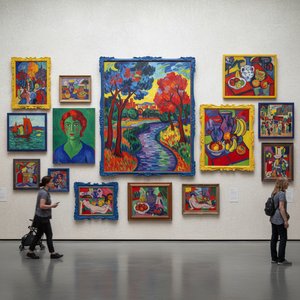
Fovizam: 10 Remek Dela Koje Su Definisali Ovaj Revolucionarni Pokret
Otkrijte 10 remek dela fovizma – umetnosti boja i emocija! Istražite radove Matisa, Deraina i Vlamincka. Naučite o ekspresionizmu i modernoj umetnosti. Pronađite inspiraciju za svoj enterijer na TopImpressionists.com!

Fauvism's Boldest Visions: 10 Masterpieces That Revolutionized Modern Art | TopImpressionists
Explore 10 Fauvist masterpieces by Matisse, Derain & Vlaminck that ignited Modern Art! Discover bold colors, expressionist landscapes & the history of this revolutionary movement. Find museum-quality prints at TopImpressionists.com.

The Raw Emotion of Color: Exploring Fauvism's Revolutionary Expression
Explore the revolutionary world of Fauvism! Discover the bold colors & expressive power of Matisse, Derain & Vlaminck. Learn about this pivotal art movement's history and lasting impact on modern painting.

The Wild Beast Within: Exploring Fauvism's Revolutionary Use of Color and Form
Explore the revolutionary Fauvism movement & Henri Matisse's bold use of color! Discover key characteristics, iconic artworks, and its lasting impact on modern art history with TopImpressionists.

Echoes of Isolation: Solitude in Western Art from Renaissance to Modernism
Explore the profound representation of solitude in Western art from the Renaissance to Modernism. Discover iconic paintings & artists like Goya, Friedrich, and Rossetti. Handmade oil reproductions available at TopImpressionists.
Istražite umetnička dela organizovana prema temama, stilovima i karakteristikama.


