Pregledaj u prostoru
 Pošalji
 Podeli
 Detalji o delu
 Vodič
Vodič

 Preuzmi
 Slični predmeti
 Rendgenski snimak
 Automatska prezentacija
 Q&A
Q&A Statistika
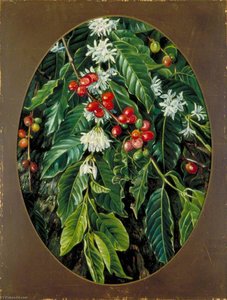
The Great Square of Malang, Java


 Pročitaj više
Marijana Nort (1830-1890), viktorijanska botanička umetnica i istraživačica! Otkrijte njene živopisne slike egzotičnih biljaka iz celog sveta, smeštene u Galeriji Marijane Nort na Keu Gardensovoj. Svedočanstvo o njenom avanturističkom duhu!
Giclee štampa / Umetnički otisak
Giclée štampa ili print na platnu muzejskog kvaliteta uz brzu izradu i raznovrsne opcije završne obrade. ( Kupite ručno oslikano delo Pređi na digitalnu sliku)




P118B дин10

P118H дин10

P118W дин10

P438Z дин10

P508JH дин12

P508YH дин12

P805H дин10

P805Z дин10

P919BZ дин10

P919G дин10

P919XJ дин10

P959ZH дин10

P968JZ дин12

W106C дин8

W218G дин10

W218JH дин8

W218Y дин10

W307PJ дин10

W316G дин10

W316PJ дин8

W316Y дин10

W398PJ дин8

W4111J дин10

W500HY дин15

W500JH дин15

W692G дин12

W849H дин8

W940BG дин15

W953PJ дин8




Standardne dimenzije
po meri
CM
INCH
Izaberite jednu od naših unapred definisanih veličina koje odgovaraju originalnim proporcijama umetničkog dela.
Loading sizes...

širina
visina
Unesite željenu širinu i visinu kako bi se štampa uklopila u vaš ram ili zid. Štampu je moguće samo iseći, ali nikada povećati iznad dimenzija originalne slike, stoga format sa drugačijim proporcijama uzrokuje gubitak dela slike. Pre početka štampe, poslaćemo vam digitalni prikaz radi potvrde. Slika prikazana na ovoj stranici ne predstavlja stvarni isrez — to pokazuje samo digitalni prikaz.
Dostava širom sveta () za 2 nedelje umesto uobičajenih 4/5 nedelja. (30 октобар)

Besplatna ekspresna dostava širom sveta

Visokokvalitetno laneno platno

Potpuno osiguranje transporta

Garancija povraćaja carine i uvoznih dažbina

Garancija vernosti boja

Politika povraćaja u roku od 100 dana (samo u slučaju nedostataka)

Garancija povrata 100% novca

Popust na više proizvoda
 Opcija sa staklom dostupna je samo za dimenzije manje od 110 cm

The Great Square of Malang, Java
Giclee štampa / Umetnički otisak
Dimenzije reprodukcije
-


Ukupna cena
дин 7171
A Moment Frozen in Time: Marianne North’s “The Great Square of Malang, Java”
Marianne North's "The Great Square of Malang, Java" isn't merely a depiction of a village scene; it’s a window into the Victorian fascination with exploration and the burgeoning field of botanical illustration. Painted in 1876 during her ambitious expeditions across Southeast Asia—primarily focused on Borneo and Sumatra—this artwork represents more than just visual beauty; it embodies North’s unwavering dedication to documenting the natural world with unprecedented artistic precision. The painting captures a tranquil tableau: villagers gathered beneath the shade of towering trees, their presence punctuated by the gentle rustle of leaves and the warmth of sunlight filtering through the canopy.Style and Technique – Pioneering Botanical Art
North's style distinguishes itself from conventional landscape paintings of her era. Rather than striving for idealized representations, she embraced a realism informed by meticulous observation—a hallmark of scientific illustration. Her technique involved layering thin washes of watercolor pigment onto textured paper, achieving remarkable luminosity and capturing the subtle nuances of color found in tropical flora. The artist’s painstaking attention to detail is evident in every brushstroke, meticulously rendering the textures of bark, foliage, and even the faces of the villagers—a testament to her commitment to portraying subjects with accuracy and sensitivity. This approach was revolutionary for its time, challenging artistic conventions and elevating botanical illustration to a respected art form.Historical Context – Victorian Curiosity and Scientific Advancement
The painting emerged during a period marked by significant scientific breakthroughs and an expanding interest in exotic cultures. The Victorian era witnessed a surge of exploration driven by imperial ambitions and fueled by intellectual curiosity—individuals like North actively sought to expand knowledge about the natural world and document its biodiversity. Kew Gardens, where North conducted her research and created many of her paintings, served as a crucible for botanical innovation, attracting scientists and artists alike. “The Great Square of Malang” reflects this spirit of discovery, capturing not only the visual splendor of Java but also the broader cultural context of Victorian scientific endeavor.Symbolism – Community and Harmony with Nature
Beyond its technical brilliance, "The Great Square of Malang" carries symbolic weight. The gathering of villagers beneath the protective embrace of ancient trees speaks to a fundamental human desire for connection—a harmonious coexistence with the natural environment. Trees have long held significance in cultures across Asia, representing strength, longevity, and spiritual nourishment. North’s depiction underscores this symbolism, portraying a scene of communal life rooted in respect for the rhythms of nature. The horse adds an element of rural tradition, grounding the image in the everyday realities of Java society.Emotional Impact – Tranquility and Wonder
Ultimately, “The Great Square of Malang” evokes a profound sense of tranquility and wonder. The soft colors and diffused light contribute to an atmosphere of serenity—inviting viewers to contemplate the beauty of the natural world and appreciate the simple pleasures of human companionship. Marianne North’s artwork transcends mere representation; it communicates an emotional resonance that captures the essence of Victorian idealism and celebrates the transformative power of artistic observation. It remains a captivating reminder of a time when scientific exploration intersected with artistic expression, resulting in masterpieces like this—a testament to both intellectual curiosity and aesthetic vision.Pitanja i odgovori
Postoje li dela slična delu "The Great Square of Malang, Java"?
Radovi slični delu „The Great Square of Malang, Java“ možete pronaći na stranici Slična dela ovog umetničkog dela.
Koja je tehnika i datum nastanka dela „The Great Square of Malang, Java”, autor Marijana Nort?
Tehnika dela „The Great Square of Malang, Java”, autor Marijana Nort je Acrylic On Canvas, a rad je datiran sa 1876.
Kakvih je proporcija „The Great Square of Malang, Java”, autor Marijana Nort i koje su joj dimenzije?
„The Great Square of Malang, Java”, autor Marijana Nort je kompozicija u formatu Panoramic čija su dimenzije u originalu 29 x 51 cm.
Biografija umetnika
Marija Nort: Pionirka Botaničke Ilustracije i Avanturistkinja Viktorijanskog Doba
U doba kada su žene bile ograničene na društvene konvencije i očekivanja salonskog života, Marija Nort (1830-1890) je izbrisala granice. Rođena u Hastingzu, Engleska, u porodici koja je uživala privilegije, njena sudbina se činila unapred određena – muzički talenat i udaja u visokom društvu. Međutim, život ju je neočekivano usmerio ka umetnosti, a posebno ka slikanju cveća, što je postalo ne samo uteha, već iskra koja je zapalila plamen avanture i strasti prema prirodi. Njena priča je priča o hrabrosti, nezavisnosti i dubokoj povezanosti sa svetom biljaka – svedočanstvo duha koji se nije zadovoljavao okovima društvenih normi.Od Muzike do Svetskih Putovanja: Rođenje Botaničkog Vizionera
Nortova je pokazivala talenat za muziku u mladosti, ali njeni pokušaji da postane pevačica nisu bili uspešni. Ta prepreka se ispostavilo kao blagoslov, jer ju je usmerila ka slikarstvu, a posebno ka preciznom i detaljnom prikazivanju cveća. Nakon smrti majke 1855. godine, počela su njena prva putovanja sa ocem po Evropi, koja su oplemenila njen ukus i razbudili u njoj žeđu za otkrivanjem novih pejzaža i biljnih vrsta. Smrt oca 1869. godine je označila prekretnicu – Marija je odlučila da se posveti slikanju flore dalekih zemalja, što je bio hrabar korak za ženu tog vremena. Finansirajući svoja putovanja iz sopstvenog bogatstva, krenula je u seriju ekspedicija koje su trajale gotovo petnaest godina, istražujući kontinente od Kanade i Jamajke do Brazila, Japana, Bornea, Indije, Australije i Novog Zelanda. Njena metoda rada bila je pažljiva: posvetila bi vreme opservaciji biljaka u njihovom prirodnom okruženju, skicirajući ih pre nego što ih prenese na platno sa neverovatnom preciznošću i živopisnim bojama.Slikarski Stil i Botanička Preciznost
Nortova je bila izuzetna umetnica, a njen stil se odlikuje realističkim prikazom i svetlim paletama boja. Uprkos tome što nije formalno pripadala nekom određenom umetničkom pokretu, njeni radovi odražavaju elemente viktorijanskog naturalizma i posvećenost tačnom predstavljanju. Njen izbor ulja kao medija za slikanje bio je neuobičajen za botaničku ilustraciju tog vremena, omogućavajući joj da postigne dubinu boje i teksture koje su oživljavale njene biljke. Ona nije samo prikazivala formu biljaka, već i njihovu sredinu, stvarajući atmosferu koja gledaoca vodi u srce tropskih šuma ili dalekih planina. Njen rad je više od pukog dokumentovanja – to je poetski zapis prirode, ispunjen emocijama i divljenjem.Zaveštaj za Kew Gardens: Trajna Baština
Nortova je svoju kolekciju od preko 800 slika darovala Kraljevskom botaničkom vrtu u Kju, zajedno sa sredstvima za izgradnju posebne galerije koja će ih čuvati. Galerija Marije Nort u Kju, otvorena iste godine (1882), ostaje jedinstven prostor – jedini stalni solo izložbeni prostor posvećen ženi umetnici u vrtu. Ona je time stvorila trajan spomenik svom radu i doprinela očuvanju botaničke baštine za buduće generacije. Njene slike, poput "Tegoro, Sarawak" ili "Na putu iz Tibeta blizu Nagkunde, Severna Indija", prenose nas u bujne tropske šume i dramatične planinske pejzaže, pružajući nam vizuelni zapis flore 19. veka.Pionirski Duh i Trajna Inspiracija
Marija Nort je bila više od umetnice – bila je pionir koji je osporavao društvene norme i proširio granice onoga što se smatralo prihvatljivim za žene u viktorijanskom dobu. Njena nezavisnost, profesionalna karijera i posvećenost naučnom istraživanju bili su izuzetan podvig za njeno vreme. Ona je odbila da se uda i umesto toga je stvorila sopstveni put, vođena intelektualnom radoznalošću i umetničkom strašću. Njene slike danas predstavljaju dragocen istorijski dokument, koji beleži život biljnog sveta u periodu brze ekološke promene i kolonijalne ekspanzije. Ona nas podseća na važnost posmatranja, dokumentovanja i očuvanja neverovatne bioraznolikosti naše planete – trajna inspiracija za umetnike, naučnike i avanturiste širom sveta.
Marijana Nort
1830 - 1890 , Ujedinjeno Kraljevstvo
Osnovne informacije
- Datum Rođenja: 24. oktobar 1830.
- Datum Smrti: 30. avgust 1890.
- Mesto Rođenja: Hastings, Ujedinjeno Kraljevstvo
- Nacionalnost: Britanka
- Puno Ime: Marijana Nort
- Umetnici Koji Su Uticali Na Ovu Umetnicu: ['Džozef Dalton Huker']
- Umetnički Pokret Ili Stil: Viktorianizam
- Značajna Dela:
- Tegoro, Sarawak
- Na putu iz Tibeta
- Jezero Ajmer
- Lišće, cvetovi i voće
Povezani članci
The Timeless Elegance of Victorian Botanical Painting: A Journey Through Nature's Intricate Detail and Scientific Artistry
Discover the exquisite world of Victorian botanical painting, where scientific precision meets profound aesthetic grace. Explore a journey through nature's intricate details, from legendary illustrators to the untamed beauty of Marianne North’s vibrant floral masterpieces.

Victorian Naturalism: The Art of Capturing Botanical Precision and Raw Wilderness
Explore the profound beauty of Victorian Naturalism. Discover how 19th-century masters captured botanical precision and raw landscapes through meticulous oil painting techniques and scientific observation.
Istražite umetnička dela organizovana prema temama, stilovima i karakteristikama.