

 Pregledaj u prostoru
 Pošalji
 Podeli
 Detalji o delu
 Vodič
Vodič

 Preuzmi
 Slični predmeti
 Rendgenski snimak
 Automatska prezentacija
 Pitanja i odgovori
 Statistika
Cambridge Corn

- 41.0 x 76.0 cm


Explore Marjorie Portnow’s ‘Cambridge Corn,’ a stunning 1981 oil painting of rural beauty. Impressionistic brushwork & vibrant colors capture tranquility. A unique landscape piece.
Discover Marjorie Portnow's evocative oil paintings – capturing Cambridge landscapes & personal narratives. Explore her legacy through art, music & Hillwood Estate.
 Pročitaj više
Umetničko delo prikazano na ovoj stranici zaštićeno je autorskim pravima, što znači da zakonski nismo u mogućnosti da kreiramo niti prodajemo identičnu reprodukciju. Ova zaštita se sprovodi u skladu sa međunarodnim sporazumima kao što su Bernska konvencija i nacionalnim zakonima, uključujući i one koji su definisani u Američki zakon o autorskom pravu – Naslov 17.
Ovaj metod je u potpunosti usklađen sa regulativama o autorskim pravima jer ne podrazumeva kopiranje ili dupliranje zaštićenih umetničkih dela. Umesto toga, reč je o kreativnoj reinterpretaciji – novom slikarskom delu koje je inspirisano originalom, ali nije identično njemu.
Giclee štampa / Umetnički otisak
Giclée štampa ili print na platnu muzejskog kvaliteta uz brzu izradu i raznovrsne opcije završne obrade. ( Kupite ručno oslikano delo Pređi na digitalnu sliku)




































Standardne dimenzije
po meri
CM
INCH
Izaberite jednu od naših unapred definisanih veličina koje odgovaraju originalnim proporcijama umetničkog dela.
Loading sizes...

širina
visina
Unesite željenu širinu i visinu kako bi se štampa uklopila u vaš ram ili zid. Štampu je moguće samo iseći, ali nikada povećati iznad dimenzija originalne slike, stoga format sa drugačijim proporcijama uzrokuje gubitak dela slike. Pre početka štampe, poslaćemo vam digitalni prikaz radi potvrde. Slika prikazana na ovoj stranici ne predstavlja stvarni isrez — to pokazuje samo digitalni prikaz.
Dostava širom sveta () za 2 nedelje umesto uobičajenih 4/5 nedelja. (3 новембар)

Besplatna ekspresna dostava širom sveta

Visokokvalitetno laneno platno

Potpuno osiguranje transporta

Garancija povraćaja carine i uvoznih dažbina

Garancija vernosti boja

Politika povraćaja u roku od 100 dana (samo u slučaju nedostataka)

Garancija povrata 100% novca

Popust na više proizvoda
 Opcija sa staklom dostupna je samo za dimenzije manje od 110 cm

Cambridge Corn
Giclee štampa / Umetnički otisak
Dimenzije reprodukcije
-


Ukupna cena
дин 7334
Srodna umetnička dela


Biografija umetnika
Marjorie Portnow: A Painter of Quiet Landscapes
Marjorie Portnow, born in New York City in 1944, is an American artist whose evocative oil paintings have quietly captivated audiences for decades. Her work centers on the observation and representation of landscapes – not grand vistas or dramatic storms, but rather intimate glimpses into rural scenes, capturing a sense of tranquility and profound connection with the natural world. Portnow’s artistic journey has been shaped by a deep appreciation for visual detail, a commitment to direct observation, and a desire to translate the subtle nuances of light and atmosphere onto canvas.
Early influences on Portnow's style can be traced back to her education at Western Reserve University and Pratt Institute. A pivotal experience during this period was her time at the Skowhegan School of Painting and Sculpture, where she honed her skills in plein air painting – working directly from nature. This immersion in observation became a cornerstone of her artistic practice. Later, she further developed her technique through studies at Brooklyn College and received an MFA. Her work has been recognized with awards from prestigious organizations like the Ingram Merrill Foundation, the New York Foundation for the Arts, The Tiffany Foundation, and the Radcliffe Institute, solidifying her position as a respected figure in American art.
The Language of Landscape
Portnow’s paintings are characterized by a distinctive approach to landscape representation. She eschews overly dramatic compositions or idealized depictions, instead favoring a meticulous attention to detail and a focus on the subtle shifts in light and color that define a particular moment in time. Her process is deeply rooted in direct observation; she often spends extended periods – sometimes months – at a single location, patiently studying the landscape under various conditions. This dedication results in paintings that feel remarkably immediate and alive, imbued with a sense of quiet contemplation.
A key element of Portnow’s work is her exploration of “the air.” She describes it as a crucial component of the landscape, striving to capture its intangible quality through color and texture. This pursuit has led her to experiment with layering pigments and employing techniques that mimic the way light diffuses through the atmosphere. Her paintings are not simply representations of places; they are attempts to embody the feeling of being present within them – a sense of immersion in the natural world.
Notable Works & Recognition
Among her most celebrated works is “Cambridge Corn” (1981), a vibrant oil painting depicting a rural landscape. This piece, held by The Metropolitan Museum of Art, exemplifies Portnow’s signature style – characterized by meticulous detail, luminous color, and a profound sense of atmosphere. Other significant paintings include "Looking North to Gardiner's Island; Delaware Water Gap-Fall Storm; Little Verona" and “Ellet Valley, Bright Spring Day,” each offering a unique perspective on the beauty of the American countryside.
Portnow’s work has been exhibited at galleries such as Fischback Gallery and Odyssia Gallery in New York City, and Garcus-Krakow Gallery in Boston. Her commitment to her craft and her ability to capture the essence of the landscape have earned her critical acclaim and a dedicated following.
Legacy & Continuing Practice
Marjorie Portnow’s legacy lies not only in her individual paintings but also in her unwavering dedication to direct observation and her profound respect for the natural world. Her work serves as a reminder of the power of art to connect us with our surroundings and to foster a deeper appreciation for the beauty that exists all around us. She continues to paint, driven by an enduring curiosity about the landscape and a desire to translate its subtle complexities onto canvas.
Her artistic philosophy emphasizes a dialogue between the artist and the environment, suggesting that through careful observation and patient engagement, we can gain a deeper understanding of ourselves and our place within the larger world. Marjorie Portnow’s paintings are not merely images; they are invitations to slow down, look closely, and experience the quiet beauty of the landscape.

Marjorie Portnow
1944 - , United States of America
Osnovne informacije
- Full Name: Marjorie Portnow
- Nationality: American
- Date Of Birth: 1944
- Place Of Birth: New York, United States of America
- Notable Artworks:
- Cambridge Corn (1981)
- Looking North to Gardiner's Island
- Artistic Movement Or Style: Landscape painting
Povezani članci

Beyond the Light: Capturing Raw Emotion and Subjective Vision in Post-Impressionist Landscapes
Explore the profound emotional depth of Post-Impressionist landscapes. Discover how masters like Van Gogh moved beyond light to capture raw human feeling through vibrant color and expressive texture in this expert art history retrospective.
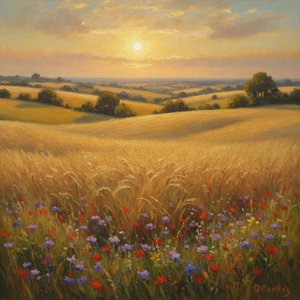
Golden Fields & Sun-Drenched Meadows: Capturing the Soul of Impressionist Landscapes
Immerse yourself in the luminous world of Impressionist landscapes. Discover how masters like Monet and Gauguin captured ephemeral light through plein air painting, and learn to bring the soul of sun-drenched meadows into your home with exquisite, hand-painted oil reproductions.
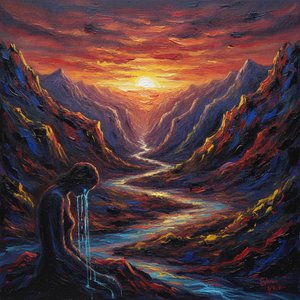
Capturing Emotion: A Journey Through the Soul of Expressionist Landscapes
Explore the profound emotional depth of Expressionist landscapes. Discover how Post-Impressionist masters moved beyond light to capture the soul through vibrant color and form. A curated journey for true art lovers seeking the beauty of expressive mastery.

Capturing the Soul: The Most Emotionally Moving Impressionist and Post-Impressionist Masterpieces
Discover the profound emotional depth of Impressionist and Post-Impressionist masterpieces. Explore how legends like Monet, Van Gogh, and Gauguin captured light and soul through evocative landscapes and vibrant brushwork for a timeless connection to art history.

The Beauty of Impermanence: Capturing Decay through Impressionist Eyes
Explore the profound beauty of impermanence through Impressionist and Post-Impressionist eyes. Discover how masters like Monet and Van Gogh captured fleeting light and the poetic essence of nature's transitions in our deep dive into art history and emotional landscapes.