


 Pregledaj u prostoru
 Podeli
 Podeli
 Detalji
 Vodič
Vodič

 Preuzmi sliku
 Slični predmeti
 Rendgenski snimak
 Automatska prezentacija
 Statistika
St Catherine
 Chalk
Chalk- Northern Renaissance
 1520
1520 316.0 x 215.0 cm
 Staatliche Museen zu Berlin
Admire Matthias Grünewald's 'St Catherine,' a captivating chalk drawing from 1520. Explore the Northern Renaissance master’s unique style, featuring a serene saint and symbolic details – available as a hand-painted replica.
 Pročitaj više
Istražite dramatičnu umetnost Matijasa Grünevalda iz nemačke renesanse! Poznat po Isenheim oltaru i emocionalno nabijenim religijskim slikama. Otkrijte njegov jedinstveni stil na TopImpressionists.
Ručno rađena uljana reprodukcija
Ručno oslikano uljanim bojama na platnu u dimenzijama i okviru po vašem izboru, izrađeno po porudžbini od strane naših umetnika. ( Pređi na prodaju štampanih primeraka Pređi na prodaju digitalnih slika)




P118B дин10

P118H дин10

P118W дин10

P438Z дин10

P508JH дин12

P508YH дин12

P805H дин10

P805Z дин10

P919BZ дин10

P919G дин10

P919XJ дин10

P959ZH дин10

P968JZ дин12

W106C дин8

W218G дин10

W218JH дин8

W218Y дин10

W307PJ дин10

W316G дин10

W316PJ дин8

W316Y дин10

W398PJ дин8

W4111J дин10

W500HY дин15

W500JH дин15

W692G дин12

W849H дин8

W940BG дин15

W953PJ дин8




Standardne dimenzije
po meri
CM
INCH
Izaberite jednu od naših unapred definisanih veličina koje odgovaraju originalnim proporcijama umetničkog dela.
Loading sizes...

širina
visina
Unesite širinu i visinu koja vam je potrebna, kako bi se uklopili u vaš ram ili zid. Pošto je ovo ručno oslikano delo, umetnik može naslikati malo više prostora oko slike ili malo skratiti ivice za dimenzije drugačijeg oblika — izbor je na vama. Pre početka rada, poslaćemo vam digitalni prikaz radi potvrde. Slika prikazana na ovoj stranici ne predstavlja konačan rezultat — samo digitalni prikaz pokazuje stvarnu sliku.
Primeri mogućih izmena: Zamena lica fotografijom kupca; Dodavanje ljubimca (npr. zamena mačke psom); Uključivanje skrivene poruke u pozadini; Promena pejzaža ili elemenata pozadine.
Nakon narudžbine, tim TopImpressionists.com će klijentu putem e-pošte poslati uputstva i dostaviti prikaz predloženog rešenja
Nakon narudžbine, tim TopImpressionists.com će klijentu putem e-pošte poslati uputstva i dostaviti prikaz predloženog rešenja
Svetska isporuka () za 3/4 nedelje umesto uobičajenih 5 nedelja. (23 октобар). Bez kompromisa po pitanju kvaliteta.

Besplatna ekspresna dostava širom sveta

Visokokvalitetno laneno platno

Sveobuhvatno osiguranje transporta

Garancija povraćaja carine i uvoznih dažbina

Garancija vernosti boja i autentičnosti pri reprodukciji

Politika povraćaja u roku od 100 dana (samo u slučaju nedostataka)

Garancija povrata 100% novca

Popust pri većoj količini
 Opcija sa staklom dostupna je samo za dimenzije manje od 110 cm

St Catherine
Tehnika izrade reprodukcije
Veličina reprodukcije
-


Ukupna cena
дин 27786
The Enigmatic Saint: Matthias Grünewald’s St Catherine
Matthias Grünewald's 1520 chalk drawing, “St Catherine,” is more than just a portrait; it’s a profound meditation on faith, scholarship, and the enduring power of medieval symbolism. This remarkable work, currently residing in the Staatliche Museen zu Berlin, offers a captivating glimpse into the artist’s unique vision – a synthesis of late Gothic sensibilities with nascent Renaissance influences. Grünewald, a pivotal figure in German art, deliberately eschewed the prevailing Italian humanist trends, instead drawing deeply from the rich traditions of Central European religious painting, resulting in an intensely personal and emotionally resonant style.
The image depicts St Catherine from the waist up, her head tilted slightly downwards as if lost in contemplation. Her posture exudes a quiet dignity, while the subtle turn of her neck invites us into her inner world. She’s dressed in a gown with voluminous sleeves – a detail that speaks to both the formality of her status and the luxurious fabrics favored by wealthy patrons during the period. Crucially, she holds two objects: an open book or manuscript, symbolizing her role as a learned scholar, and a sword raised upright, representing her martyrdom and unwavering faith. These symbols aren’t merely decorative; they are potent visual statements about Catherine's life and devotion.
A Study in Northern Renaissance Technique
Grünewald’s masterful technique is immediately apparent. The drawing is executed with exquisite detail using chalk on paper, a medium that allowed for the delicate shading and fine lines characteristic of his work. Notice the subtle gradations of tone – the way light catches on her dress, the modeling of her face, and the atmospheric haze in the background. This meticulous attention to texture and form creates a remarkable sense of depth and realism, despite the relatively small scale of the piece. The artist’s use of chalk also lends a slightly ethereal quality to the image, contributing to its contemplative mood.
Furthermore, Grünewald's style deviates significantly from the prevailing Renaissance aesthetic. Unlike the idealized figures favored by artists like Albrecht Dürer, Catherine is rendered with a certain distortion – her proportions aren’t perfectly symmetrical, and her features possess an expressive intensity. This deliberate departure from classical ideals reflects Grünewald’s commitment to conveying emotional truth rather than purely visual accuracy. The background, deliberately minimalistic, consists of only a few suggestive lines—perhaps hinting at a cloudy sky or an abstract representation of the heavens – further emphasizing the saint's presence and drawing our focus entirely onto her.
Historical Context and Symbolic Resonance
Created in 1520, “St Catherine” exists within a fascinating transitional period in art history. Grünewald was working at a time when the influence of Italian Renaissance humanism was beginning to spread across Europe, yet he remained firmly rooted in the traditions of late medieval Central European painting. The saint herself holds significant religious importance – she is venerated as a martyr and patron saint of scholars, librarians, and translators. Her story, recounted in early Christian hagiographies, details her conversion after being saved from execution by St Peter, who recognized her divine calling.
Interestingly, the figure of Catherine has been associated with intellectual pursuits for centuries. Her association with learning stems from her devotion to scripture and her role as a translator of the Bible. The book she holds in the drawing symbolizes this scholarly dedication, while the sword represents her willingness to defend her faith against persecution. The combination of these symbols creates a powerful image of a woman who embodies both spiritual strength and intellectual prowess.
A Legacy of Emotion and Innovation
“St Catherine” is a testament to Matthias Grünewald’s artistic genius – a work that seamlessly blends technical skill with profound emotional depth. It's a poignant reminder of the artist’s ability to capture not just the likeness of his subject, but also her inner world. The drawing’s enduring appeal lies in its ability to evoke a sense of quiet contemplation and spiritual yearning. As a significant example of Northern Renaissance art, it continues to inspire artists and scholars alike, offering a valuable window into the artistic and intellectual landscape of 16th-century Germany.
Pitanja i odgovori
Koji su format i dimenzije dela "St Catherine"?
„St Catherine”, Матијас Гриневалд je u formatu Portrait dela dimenzija 316 x 215 cm.
Za šta se preporučuje reprodukcija dela „St Catherine”, Матијас Гриневалд?
Reprodukcija dela „St Catherine”, Матијас Гриневалд preporučuje se za Statement. Ovaj predlog proizilazi iz teme, raspoloženja i boja samog dela.
O kakvoj vrsti umetničkog dela je „St Catherine”, Матијас Гриневалд?
"St Catherine" je delo u tehnici wall art.
Biografija umetnika
Матијас Гриневалд: Живот и наслеђе
Матијас Гриневалд, рођено име Матис Готарт Најтхардт, рођен око 1470-1475. године у Вирцбургу, Немачка, био је кључна фигура немачке ренесансе. Упркос томе што је живео у периоду све већег утицаја италијанских ренесансних идеала, Гриневалд је остао дубоко укорењен у уметничким традицијама касног средњевековног централне Европе. Детаљи о његовом раном животу су оскудни, али се зна да је добио уметничку обуку, вероватно у локалним радионицама.
Уметнички развој и утицаји
Гриневалдов уметнички развој обликовале су преовлађујуће северноевропске традиције реализма, емотивне интензивности и детаљног посматрања. Његов рад показује утицаје уметника као што су Албрехт Дирер и Мартин Шонгауер, али је изградио свој јединствени пут карактерисан драматичном експресијом и живописном бојом. Он није био директно укључен у хуманистичке кругове који су били распрострањени у Италији; уместо тога, његова уметност служила је пре свега религиозним сврхама, одражавајући духовну узнемиреност свог времена. Гриневалд није тежио идеализацији форме или класичној хармонији, већ је настојао да представи људску патњу и божанску милост са неукрашеном искреношћу.
Главна дела и уметнички стил
Гриневалдов опус се одликује интензивним емоционалним набојем, драматичним композицијама и реалистичном репрезентацијом људског тела. Међу његовим најзначајнијим делима издвајају се:
- Изенхајмски олтар (1512-1516): Ово ремек-дело, смештено у музеју Унтерлинден у Колмарu, сматра се Гриневалдовим magnum opus-ом. Приказује сцене из живота Христа са потресном реалистичношћу, посебно фокусирајући се на патњу и искупљење. Олтар је био намењен болничком реду и служио као средство утехе и духовне подршке за пацијенте.
- Распнуће (око 1502-1503): Рано дело које демонстрира његов развијајући се стил, показујући интензивне емоције и анатомске детаље. Композиција је драматична и наглашава физичку патњу Христа.
- Дева Марија са Благовешћењем (1512-14): Студија за Изенхајмски олтар, откривајући његов педантни процес планирања. Ово дело показује Гриневалдову способност да створи интимну и емотивно напуњену атмосферу.
- Мојсије (1511): Цртеж који истиче Гриневалдову вештину у хватању изражајних фигура и драматичних поза. Ова студија показује његову мајсторску употребу линије и светла и сенке.
Гриневалдов стил се одликује:
- Драмском композицијом: Користио је динамичне аранжмане да појача емотивни утицај.
- Живописном палетом боја: Његова употреба интензивних, често контрастних боја створила је моћно визуелно искуство.
- Реалистичним приказом патње: Гриневалд се није плашио да представи физички и емоционални бол повезан са религиозним наративима.
- Изражајним фигурама: Његове фигуре су прожете јаким емоцијама и психолошком дубином.
Историјски значај и наслеђе
Гриневалдов рад стоји као сведочанство трајне моћи средњовековних уметничких традиција у Немачкој током ренесансе. Он је повезао рупу између касног готичког стила и нових ренесансних трендова, стварајући јединствени визуелни језик који је одзвањао са његовим савременицима. Његов утицај се види код каснијих немачких уметника који су наставили да истражују теме религиозног жара и емотивне интензивности. Иако је био углавном заборављен вековима након његове смрти 1528. године, Гриневалд је доживео препород у 19. веку, а данас је признат као један од најважнијих сликара немачке ренесансе. Његова уметност наставља да очарава гледаоце својом сировом емоцијом, техничком бриљантношћу и дубоком духовном дубином.
Даља истраживања
Откријте више о животу и делима Матијаса Гриневалда на: TopImpressionists

Матијас Гриневалд
1480 - 1528 , Nemačka
Brzi pregled
- Datum Rođenja: oko 1470-1475
- Datum Smrti: 1528.
- Mesto Rođenja: Würzburg, Nemačka
- Nacionalnost: Nemac
- Puno Ime: Matthias Grünewald
- Umetnici Koji Su Uticali:
- Albrecht Dürer
- Martin Schongauer
- Umetnici Pod Uticajem: Kasniji nemački slikari
- Umetnički Pokret/Stil: Nemački renesans
- Značajna Dela:
- Isenheim oltar
- Raspeće
Srodni članci
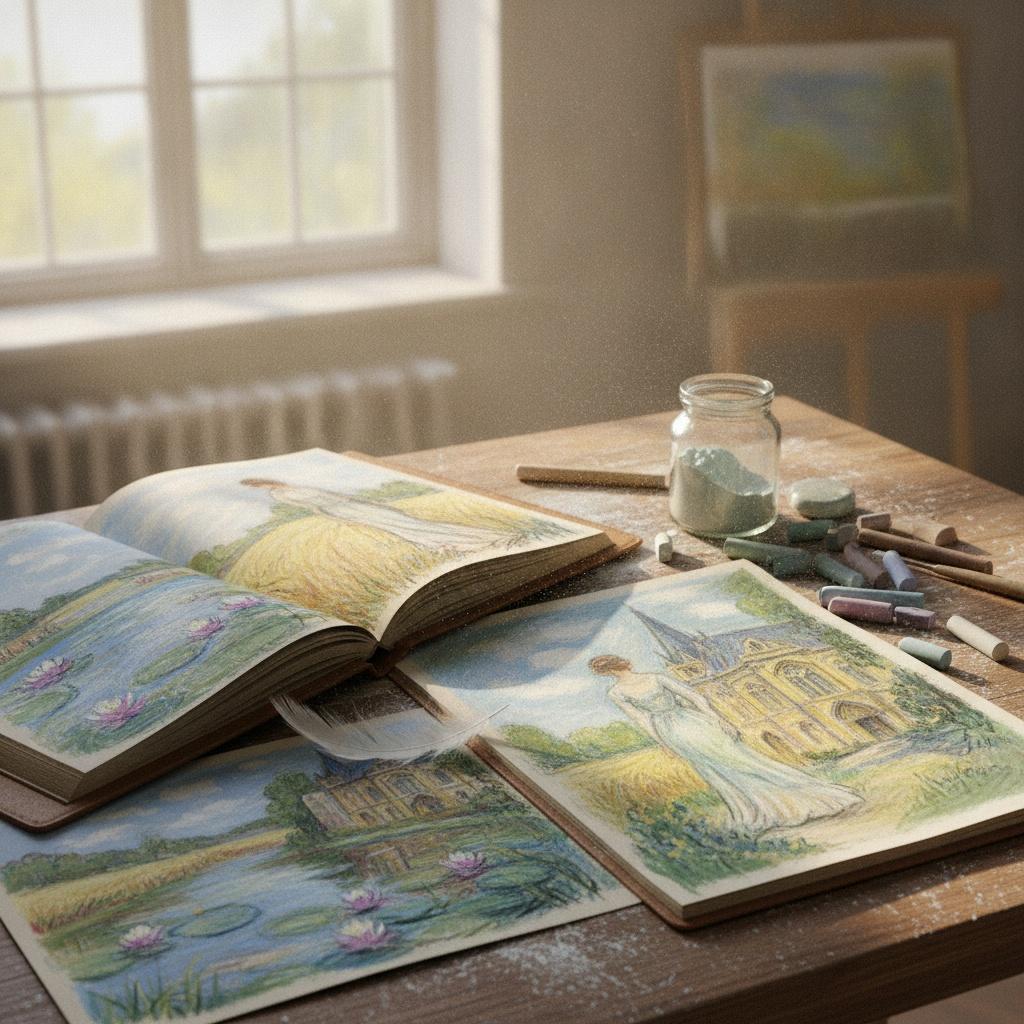
The Soft Magic of Chalk: Capturing Light, Texture, and the Ethereal Soul of Impressionist Masterpieces
Discover the ethereal beauty of pastel and chalk art. Explore how Impressionist masters like Van Gogh and Degas captured light and texture to create timeless, soulful masterpieces for the discerning collector.

Divine Light & Golden Splendor: A Journey Through the Sacred Grandeur of High Medieval Art
Embark on a soulful journey through High Medieval art. Explore the divine light of Gothic cathedrals, Byzantine splendor, and sacred masterpieces that shaped Western history with our expert-led cultural reflections.
Istražite umetnička dela organizovana prema temama, stilovima i karakteristikama.


