

Prikazano: · Sa okvirom:
 Pregledaj u prostoru

 Pošalji
 Podeli
 Detalji o delu
 Informativni list za štampu


 Preuzmi
 Slični predmeti
 Rendgenski snimak
 Automatska prezentacija
 Pitanja i odgovori

 Statistika
Found (Макс Клингер)


Platna i umetničke štampane kopije od дин5263 za 36 x 28 cm
Ručno slikana uljana reprodukcija od дин26315
- Besplatna međunarodna dostava za 3 do 4 nedelje
- Rok isporuke za štampane postere u tubi je od 3 do 4 nedelje
- Povraćaj novca u roku od 100 dana
- Ocena 4.9/5 na osnovu 241 recenzija kupaca na ArtShopReviews.com
дин 8163
Giclee štampa / Umetnički otisak
Giclée štampa ili print na platnu muzejskog kvaliteta uz brzu izradu i raznovrsne opcije završne obrade. ( Impresionističko ulje na platnu Kupite digitalnu kopiju
)
Tehnika i materijal
 Pročitajte više
Naša ekonomična štampa: ista slika štampana na poliesterskom platnu od 260 g/m² umesto na pamučnom, isporučena u uroljenom obliku u tubi običnom poštom za 3 do 4 nedelje. Isključivo u uroljenom obliku (bez ramova i okvira) i bez hitne proizvodnje, za dimenzije gde je najmanje jedna strana 80 cm ili manje. Oko 30% jeftinije od štampanja na pamučnom platnu.
Nije dostupno za ovu veličinu: najmanje jedna strana mora iznositi 80 cm ili manje.
Samo u uroljanom obliku: da biste odabrali ovaj print, izaberite platno u uroljanom obliku u tubi.
Dostupno za dimenzije gde su obe strane 110 cm ili manje. Za veće dimenzije štampa se na mat platnu od pamuka.
Mat archival canvas nije dostupan za ovu veličinu: obe strane moraju imati 110 cm ili manje. Vaš print je umesto toga izrađen na mat pamučnom platnu.
Opcija sa staklom dostupna je samo za dimenzije manje od 110 cm
Veličina
·Izaberite jednu od naših unapred definisanih veličina koje odgovaraju originalnim proporcijama umetničkog dela.
Učitavanje dimenzija...

širina
visina
Unesite željenu širinu i visinu kako bi se štampa uklopila u vaš ram ili zid. Štampu je moguće samo iseći, ali nikada povećati iznad dimenzija originalne slike, stoga format sa drugačijim proporcijama uzrokuje gubitak dela slike. Pre početka štampe, poslaćemo vam digitalni prikaz radi potvrde. Slika prikazana na ovoj stranici ne predstavlja stvarni isrez — to pokazuje samo digitalni prikaz.
Standardne dimenzije
po meri
CM
INČI
Završetak
·
Beli rub дин1

zamrljene ivice дин1

Prošireno дин1

P118B дин10

P118H дин10

P118W дин10

P438Z дин10

P508JH дин12

P508YH дин12

P805H дин10

P805Z дин10

P919BZ дин10

P919G дин10

P919XJ дин10

P959ZH дин10

P968JZ дин12

W106C дин8

W218G дин10

W218JH дин8

W218Y дин10

W307PJ дин10

W316G дин10

W316PJ дин8

W316Y дин10

W398PJ дин8

W4111J дин10

W500HY дин15

W500JH дин15

W692G дин12

W849H дин8

W940BG дин15

W953PJ дин8
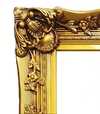
H24-GOLD дин30
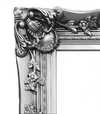
H24-SILVER дин30
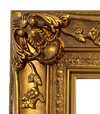
H36-GOLD дин70
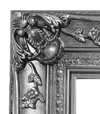
H36-SILVER дин70
Isporućuje se u zaštitnoj tubi, spremno za ugradnju u vaš ram.
Dodatne usluge
opcionoŠta dodatne opcije uključuju?
Dostava širom sveta () za 2 nedelje umesto uobičajenih 4/5 nedelja. (23 децембар)
Hitra proizvodnja i ekspresna kurirska dostava nisu dostupne za štampu na ekonomskom poliesterskom platnu, koja se šalje običnom poštom.
Zaštitni lak
Kratki opis natpisa
Detalji gravirane bronze ploče
Ova elegantna pločica sadrži ime umetnika i naslov dela, sitno gravirano za vanvremenski izgled.
Izrađena je od bronze sa rafinisanim, elegantnim završetkom. Tekst je precizno laserski ugraviran za oštar i trajan rezultat. Dimenzija 9x2 cm, pločica je kompaktna, ali lako čitljiva. Izrađena je da bude izdržljiva i otporna na ogrebotine, pružajući profesionalan izgled muzejskog kvaliteta. Montaža je jednostavna zahvaljujući priloženoj samolepljivoj podlozi.
Detalji prozirne akrilne pločice
Plaketa sadrži osnovne ugravane detalje kao što su ime umetnika, naslov dela, datum nastanka, vrsta medija – poput ulja na platnu ili akvarela – kratak opis dela i QR kod koji vodi do kompletnih informacija o umetničkom delu.
Izrađena je od prozirnog akrila, pružajući rafiniran i moderan izgled. Tekst je graviran UV metodom u crnoj boji kako bi se osiguran snažan vizuelni kontrast. Dimenzijama od 10x15 cm, omogućava optimalnu čitljivost. Dolazi sa dva metalna kroka za sigurno montiranje na zid. Plaketa je otporna na vremenske uslove, što je čini pogodnom za različita okruženja, i sadrži interaktivne funkcije koje se nesmetano aktiviraju skeniranjem pametnim telefonom.
Detalji crne akrilne pločice
Ova elegantna pločica sadrži ugravrane informacije kao što su ime umetnika, naslov dela, datum nastanka, vrsta korišćenog materijala (poput ulja na platnu ili akvarela), kratak opis dela i QR kod za brz pristup dodatnim informacijama.
Sama pločica je izrađena od rafiniranog crnog akrila vrhunskog kvaliteta. Tekst je laserski graviran u beloj boji radi visokog kontrasta i čitljivosti. Dimenzije su 10x15 cm, što omogućava lako čitanje. Dolazi sa dve metalne kuke za profesionalno montiranje. Dizajn je elegantan i pristaje svakom stilu enterijera. Takođe je otporna na vremenske uslove i izdržljiva, uz ugrađenu digitalnu integraciju za kompatibilnost sa mobilnim uređajima.
Opcija sa staklom dostupna je samo za dimenzije manje od 110 cm
 Opcija sa staklom dostupna je samo za dimenzije manje od 110 cm
- Besplatna međunarodna dostava za 3 do 4 nedelje
- Visokokvalitetno laneno platno
- Potpuno osiguranje transporta
- Garancija povraćaja carine i uvoznih dažbina
- Garancija vernosti boja
- Povraćaj novca u roku od 100 dana
- Garancija povrata 100% novca
- Popust na više proizvoda


Found: Макс Клингер i trenutak Symbolism pokreta
Two figures kneel in despair beneath a suspended form in this dramatic monochromatic etching filled with dense, swirling cross-hatching.
Макс Клингер: biografija
Njegova Parafraza o pronalaženju rukavice bila je inspirisana snom: ispitajte kako se rukavica pojavljuje na svakoj litografiji.
O umetničkom delu
The Artwork Found by Max Klinger
In the quiet tension of Found, the viewer encounters a scene of profound emotional distress. Max Klinger, born in 1857 in Leipzig, Germany, presents a vision that feels caught in a moment of sudden, sharp anguish. The composition draws the eye upward through a pyramidal arrangement, where two figures kneel in supplication at the base. Above them, a third figure remains suspended on a rigid rectangular plane, creating a sense of unsettling verticality. The atmosphere is heavy with a feeling of helplessness, as if the figures are trapped within a swirling chaos of lines that refuse to settle.
The imagery suggests a narrative of torment or judgment, though the exact nature of the suffering remains a mystery. Shadows and highlights dance across the forms, emphasizing the intensity of the facial expressions and the physical strain of the subjects. There is a palpable sense of unease in the way the figures interact with the space around them. The scene does not offer the comfort of a clear light source, leaving the viewer to navigate the deep shadows and the turbulent, textured background that seems to pulse with internal turmoil.
Composition and Visual Elements
A heavy, pyramidal structure dictates the movement of the scene, pulling the eye upward through a tense arrangement of forms. At the base, two figures kneel in a state of supplication, their bodies anchoring the bottom of the triangle. Above them, a third figure remains suspended on a rigid, rectangular plane, creating a jarring contrast between the organic curves of the human forms and the unyielding geometry of the platform. This vertical tension holds the viewer in a state of suspended animation, caught between the grounded suffering below and the hovering presence above.
The background refuses to remain still. Dense, swirling lines churn through the space, suggesting a world in a state of constant, chaotic turmoil. These lines wrap around the figures, blurring the distinction between the subjects and the atmosphere surrounding them. Light and shadow dance unevenly across the scene, with deep, heavy blacks clashing against pale highlights to emphasize the emotional weight of the figures. The perspective feels strangely flattened, yet the layering of these dark, textured shapes creates a sense of depth that pulls the viewer into the center of the struggle.
Technique and Artistic Materials
The scene emerges from a monochromatic world, where every shadow and highlight relies on a careful dance of gray tones. This is the result of a meticulous printmaking process, likely an etching or an engraving. One can almost feel the physical resistance of the metal plate as the artist uses sharp etching needles to incise deep, deliberate lines into the surface. These marks do not merely outline forms; they build a dense, textured landscape through heavy cross-hatching that catches the light and holds the darkness in place.
The materials used in this creation speak to a tactile, hands-on labor. A metal plate, perhaps zinc or copper, receives the initial wounding of the needle, creating the channels that will eventually hold the ink. Once the incised lines are ready, ink is pressed into these grooves, transferring the soul of the plate onto paper. This method allows for a staggering level of detail, where the swirling, chaotic lines of the background and the sharp, angular contours of the figures emerge from the interplay of ink and fiber.
Style and Artistic Movement
The work breathes with the heavy, restless energy of late 19th-century Expressionism. Every line seems to vibrate with an internal tension, pushing beyond mere representation to capture a raw, psychological state. This approach finds a striking kinship with the visual language of Edvard Munch, where the external world bends and twists to mirror the turbulence of the human spirit. The figures do not simply exist in space; they appear caught in a moment of profound emotional upheaval, their forms shaped by the weight of what they feel rather than the strict rules of anatomy.
At its core, the piece is deeply rooted in the Symbolist movement. It moves away from the literalism of the natural world to explore the shadowy, subjective realms of the subconscious. Rather than depicting a clear, objective reality, the imagery functions through a language of signs and metaphors that point toward deeper, unseen truths. The atmosphere is thick with the sense of a dream or a nightmare, where the boundaries between the physical self and the internal psyche begin to dissolve into a swirl of dark, textured lines.
Emotional and Symbolic Themes
Anguish and fear pulse through the scene, casting a heavy shadow over the figures. A profound sense of desperation grips the viewer as the subject matter unfolds, depicting a moment of intense emotional distress and torment. The two kneeling figures at the base of the composition seem trapped in a state of supplication, their bodies conveying a deep-seated helplessness. Above them, a third figure remains suspended on a rigid rectangular plane, watching the suffering below. This triangular arrangement creates a palpable tension, suggesting a heavy power dynamic or the weight of an inevitable judgment.
Chaos swirls in the background, where dense, agitated lines churn like a storm. These movements suggest a state of inner turmoil or perhaps the presence of overwhelming external forces acting upon the souls depicted. The darkness and light do not merely define form; they heighten the psychological weight of the moment. Every line contributes to an atmosphere of unease, as if the very air around the figures is thick with their collective despair. The struggle feels immediate, caught in a perpetual state of spiritual or emotional crisis.
Related Works by Max Klinger
The shadows of the artist's imagination stretch into other graphic cycles, where the boundaries between reality and the subconscious continue to blur. In the series Paraphrase on the Finding of a Glove, a single lost object transforms into a potent fetish, triggering a sequence of dreamlike visions and unsettling encounters. This narrative exploration of desire and loss finds a musical counterpart in the Brahms Fantasies from 1894, where the artist translates the spirit of composition into visual form. These works reveal a mind preoccupied with the hidden currents of human longing and the irrational forces that govern our inner lives.
Other explorations move through the realms of myth and movement. The artist's hand traces the tension found in The Rape of Prometheus and the rhythmic energy of Preparation for the dance. Each piece acts as a window into a world where the physical and the psychological are inseparable. Whether through the meticulous lines of an etching or the heavy presence of a sculpture, the artist's vision remains fixed on the tension between the seen world and the unseen impulses that drive it.
Pitanja i odgovori
Da li je ova reprodukcija dela Found ručno oslikana ili odštampana?
Štampa: Found je reprodukovan kao giclée print na pamučnom platnu ili na Epson arhivskom papiru za platno.
Koju veličinu treba da odaberem za Found?
Dimenzije se kreću od 36.3 x 27.5 cm (дин5263) do 248.4 x 188.4 cm (дин47689); tabela na ovoj stranici navodi glavne korake i njihove cene.
Koliko se dugo čeka na isporuku?
Štampa u tubi stiže besplatno običnom poštom za 3 do 4 nedelje; štampa na platnu ili u ramu stiže za 4 do 5 nedelja. Kurirska dostava dostupna je samo uz plaćenu opciju brze dostave (Express Delivery) koja se nudi na ovoj stranici. Proizvod možete vratiti u roku od 100 dana uz pun povraćaj novca, bez ikakvih uslova.
Koji je medij koristio/la Макс Клингер za delo Found?
Etching
Brze činjenice i kviz o umetnosti
O Макс Клингер

Макс Клингер
1857 - 1920, Немачка
O Макс Клингер: život, dela i biografija
Kratke činjenice o umetniku Макс Клингер
- Artistic Movement Or Style: Simbolizam
- Artists Or Movements Influenced By This Artist: ['Inspekcijska hermeneutika']
- Artists Who Influenced This Artist:
- Menzel
- Goya
- Date Of Birth: 1857
- Date Of Death: 1920
- Full Name: Max Klinger
- Nationality: Nemac
- Notable Artworks:
- Rukavica
- Beethoven skulptura
- Bik
- Place Of Birth (City And Country): Leipzig, Nemačka
Istražite umetnička dela organizovana prema temama, stilovima i karakteristikama.


Макс Клингер
Found
() ·
Sa okvirom: ·
Ukupno