

 Pregledaj u prostoru
 Pošalji
 Podeli
 Detalji o delu
 Vodič
Vodič

 Preuzmi
 Slični predmeti
 Rendgenski snimak
 Automatska prezentacija
 Pitanja i odgovori
 Statistika
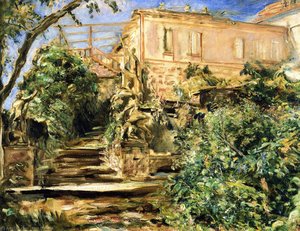
Grape Harvest at Neukastel


Discover Max Slevogt's 'Grape Harvest at Neukastel,' a vibrant 1916 oil painting capturing rural life with bold colors and expressive brushstrokes. Admire the idyllic landscape & detailed figures in this masterpiece.
 Pročitaj više
Mak Slevogt (1868-1932) bio je vodeći nemački impresionistički slikar poznat po živopisnim pejzažima, plein air stilu i upečatljivim prikazima Egipta i užasa Prvog svetskog rata. Otkrijte njegov značajni ulog u umetnosti 20. veka.
Giclee štampa / Umetnički otisak
Giclée štampa ili print na platnu muzejskog kvaliteta uz brzu izradu i raznovrsne opcije završne obrade. ( Kupite ručno oslikano delo Pređi na digitalnu sliku)




P118B дин10

P118H дин10

P118W дин10

P438Z дин10

P508JH дин12

P508YH дин12

P805H дин10

P805Z дин10

P919BZ дин10

P919G дин10

P919XJ дин10

P959ZH дин10

P968JZ дин12

W106C дин8

W218G дин10

W218JH дин8

W218Y дин10

W307PJ дин10

W316G дин10

W316PJ дин8

W316Y дин10

W398PJ дин8

W4111J дин10

W500HY дин15

W500JH дин15

W692G дин12

W849H дин8

W940BG дин15

W953PJ дин8




Standardne dimenzije
po meri
CM
INCH
Izaberite jednu od naših unapred definisanih veličina koje odgovaraju originalnim proporcijama umetničkog dela.
Loading sizes...

širina
visina
Unesite željenu širinu i visinu kako bi se štampa uklopila u vaš ram ili zid. Štampu je moguće samo iseći, ali nikada povećati iznad dimenzija originalne slike, stoga format sa drugačijim proporcijama uzrokuje gubitak dela slike. Pre početka štampe, poslaćemo vam digitalni prikaz radi potvrde. Slika prikazana na ovoj stranici ne predstavlja stvarni isrez — to pokazuje samo digitalni prikaz.
Dostava širom sveta () za 2 nedelje umesto uobičajenih 4/5 nedelja. (7 новембар)

Besplatna ekspresna dostava širom sveta

Visokokvalitetno laneno platno

Potpuno osiguranje transporta

Garancija povraćaja carine i uvoznih dažbina

Garancija vernosti boja

Politika povraćaja u roku od 100 dana (samo u slučaju nedostataka)

Garancija povrata 100% novca

Popust na više proizvoda
 Opcija sa staklom dostupna je samo za dimenzije manje od 110 cm

Grape Harvest at Neukastel
Giclee štampa / Umetnički otisak
Dimenzije reprodukcije
-


Ukupna cena
дин 7333
A Glimpse of Rural Life: Max Slevogt’s “Grape Harvest at Neukastel”
Max Slevogt's "Grape Harvest at Neukastel," painted in 1916, isn’t merely a depiction of agricultural labor; it’s a vibrant distillation of the German Impressionist spirit – a fleeting moment captured with an almost feverish intensity of light and color. Nestled within the walls of the Museum Folkwang in Essen, Germany, this oil on canvas transports us to a specific place and time: the rolling hills of Bavaria during a summer harvest. The painting immediately draws the eye with its bold palette – deep greens, ochre yellows, and cerulean blues coalesce into a landscape brimming with life and energy. Slevogt masterfully employs broken brushstrokes, characteristic of Impressionism, to create an illusion of movement and light, as if we too are swept along by the activity unfolding before us.
The scene itself is deceptively simple: a group of figures, numbering perhaps twelve or thirteen, work diligently in the vineyards. They aren’t idealized portraits; rather, Slevogt presents them with an honest immediacy, their faces etched with the effort of the day's labor. Notice how he captures the interplay of light and shadow on their clothing, reflecting the sun’s warmth and creating a sense of depth within the composition. The inclusion of horses – essential to the harvest process – adds another layer of rustic charm and reinforces the painting’s connection to rural life. The distant mountains, rendered in hazy blues and purples, provide a dramatic backdrop, anchoring the scene within its geographical context.
The Influence of Paris: A Shift Towards Plein Air
Slevogt's artistic journey was profoundly shaped by his time spent in Paris during the late 1880s. Initially trained in the more traditional style of Munich Academy, where darker tones and academic subjects were favored, he found himself captivated by the Impressionist movement’s emphasis on capturing fleeting moments of light and color *en plein air* – directly from nature. This pivotal experience led to a dramatic stylistic transformation. As documented in his biography, Slevogt abandoned the muted palettes of his early work for brighter, more vibrant hues, mirroring the techniques he observed among artists like Manet.
The “Grape Harvest” exemplifies this shift perfectly. The painting’s luminosity and sense of immediacy are a direct result of Slevogt's commitment to *plein air* painting. He wasn’t interested in creating a meticulously detailed representation; instead, he sought to capture the essence of the scene – its atmosphere, light, and emotional impact – with rapid brushstrokes and a focus on color relationships. This approach aligns him firmly within the broader Impressionist movement, which prioritized capturing subjective experience over objective reality.
Symbolism and the Rhythm of Labor
Beyond its visual appeal, “Grape Harvest at Neukastel” carries subtle symbolic weight. The act of harvesting grapes is a deeply rooted tradition in Bavaria, representing not just sustenance but also community, hard work, and connection to the land. Slevogt’s depiction suggests a harmonious collaboration between people and nature – a celebration of rural life and its rhythms. The figures working together, their movements seemingly synchronized with the sun's trajectory, evoke a sense of shared purpose and collective effort.
Furthermore, the painting can be interpreted as a reflection on the passage of time. The harvest season marks the end of summer and the beginning of autumn, symbolizing transition and renewal. Slevogt’s skillful use of light and shadow further emphasizes this theme, creating an atmosphere that is both vibrant and melancholic – a poignant reminder of the ephemeral beauty of nature.
A Legacy in Reproduction: Bringing “Neukastel” Home
Today, reproductions of "Grape Harvest at Neukastel" are readily available through platforms like TopImpressionists.com, offering art enthusiasts the opportunity to bring a piece of this captivating artwork into their own homes. The meticulous detail and vibrant colors of these hand-painted reproductions faithfully capture the essence of Slevogt’s original masterpiece. Whether adorning a living room wall or gracing an entryway, this painting serves as a timeless reminder of the beauty of rural life and the enduring legacy of German Impressionism.
Pitanja i odgovori
Da li je „Grape Harvest at Neukastel”, autor Maksim Slevogt među traženim delima German Impressionism pokreta?
„Grape Harvest at Neukastel”, autor Maksim Slevogt se klasifikuje kao Recognized i pripada pokretu German Impressionism.
Kako se kontrast i harmonija spajaju u delu "Grape Harvest at Neukastel"?
U delu "Grape Harvest at Neukastel", Statement kontrast je uparen sa Strong Color Unity harmonijom.
Koliko je "Grape Harvest at Neukastel" ukupno svetla?
Percepcija osvetljenosti dela „Grape Harvest at Neukastel”, autor Maksim Slevogt iznosi bright. Može se prilagoditi svetlosti predviđenog prostora.
Srodna umetnička dela




Biografija umetnika
Svetlost nasleđivanja Maksa Slevogta
Maksim Slevogt stoji kao kamen temeljac nemačkog impresionističkog slikarstva, prepoznatljiv po svojim majstorskim prikazima pejzaža i sposobnosti da sa izuzetnom osetljivošću uhvati prolaznu lepotu prirode. Rođen u Landšutu u Bavarskoj 1868. godine, započeo je umetničko putovanje koje će ga odvesti od tamnih, akademskih tonalnih skica do živopisnih platna prepunih svetlosti i boje—što je stilski pomak koji je postao simbol šireg pokreta koji je preoblikovao evropsku umetnost na prelazu vekova. Svoje formativne godine proveo je usavršavajući veštine na Minhenskoj akademiji, gde je u početku istraživao tamnije palete i tehnike pod uticajem tadašnjeg akademskog stila.
Međutim, presudna poseta Parizu 1889. godine zapalila je duboku transformaciju unutar njegove umetničke duše. Izložen revolucionarnim idejama koje su zastupali majstori poput Eduarda Maneta, Slevogtova vizija bila je potisnuta ka hrabrijem pristupu koji je davao prioritet direktnom posmatranju prirodnog sveta. Ovaj susret sa francuskom avangardom odisnuo je život u njegove poteze četkicom, podstičući ga da prihvati plein air slikanje i da traži efemerni ples svetlosti nad pejzažom. Njegovo delo je počelo da pulsira atmosferskim vitalitetom, udaljavajući se od krutih studijskih kompozicija ka spontanijem i čulnijem povezivanju sa stvarnošću.
Majstorstvo svetlosti i pejzaža
Iako je Slevogtov plodni rad obuhvatao različite žanrove, uključujući ilustraciju, portret i žanrovske scene, pejzaži su neprestano dominirali njegovim veličanstvenim delom. Postigao je poseban ugled zahvaljujući svojim upečatljivim prikazima alpskih regija Bavarske, posebno Neukastela, koji je postao njegov dom celog života i služio kao nepresušan izvor inspiracije. Njegova platna slave se zbog sposobnosti da uhvate suptilne nijanse svetlosti i senke, pokazujući pedantnu pažnju posvećenu teksturi i boji koja ga izdvaja od mnogih njegovih savremenika.
Umetnikova tehnička evolucija obeležena je nekoliko ključnih karakteristika:
- Dinamični potezi četkicom: Prelaz sa kontrolisanih, akademskih poteza ka fluidnijem i energičnijem nanošenju boje.
- Hromatski sjaj: Sve veće oslanjanje na živopisnu paletu kako bi se dočarala toplina sunčeve svetlosti i svežina sumraka.
- Atmosferska dubina: Upotreba mekih ivica i difuzije svetlosti kako bi se rekonstruisao osećaj vlage, magle i vazduha unutar scene.
Pored spokojne lepote njegovih pejzaža, Slevogt je posedovao izuzetan kapacitet za dočaravanje težine ljudske istorije. Njegova kasnija dela odražavaju dublji, mračniji odnos prema svetu, uključujući upečatljive prikaze Egipta i jezive užase Prvog svetskog rata. Ova sposobnost da pređe sa idiličnog na duboko proganja emocionalni raspon koji definiše njegovu veličinu.
Kulturni uticaj i istorijski značaj
Izvan njegovih individualnih umetničkih dostignuća, Slevogtov angažman u kulturnim institucijama dodatno je učvrstio njegov položaj unutar intelektualnog pejzaža Weimar Nemačke. Kao istaknuti član Berlin Secession i Pruske akademije umetnosti, bio je u srcu najznačajnijih estetskih debata tog doba. Prihvatio je duh avangarde uz istovremeno održavanje nepokolebljive posvećenosti tradicionalnim umetničkim principima, što mu je omogućilo da premosti jaz između klasičnog obrazovanja i moderne inovacije.
Njegova svestranost protezala se čak i na scenske umetnosti; primetno, dizajnirao je scenografiju za Mocartov Don Đovani, pokazujući sposobnost da svoju slikarsku viziju prevede u pozorišni prostor. Kroz svoj rad u časopisima poput Simplicissimus i kroz svoj trajni uticaj na nemački impresionizam, Maksim Slevogt ostavio je neizbrisiv trag u istoriji umetnosti. On ostaje slavna figura čije delo nastavlja da odjekuje u svakome koga pokrene igra svetlosti, boje i večnog duha prirode.

Maksim Slevogt
1868 - 1932 , Nemačka
Osnovne informacije
- Artistic Movement Or Style: Impresionizam
- Artists Or Movements Influenced By This Artist: ['Berlin Secession']
- Artists Who Influenced This Artist: ['Edouard Manet']
- Date Of Birth: 1868
- Date Of Death: 1932
- Full Name: Max Slevogt
- Nationality: Nemačka
- Notable Artworks:
- Berba grožđa u Neukastelu
- Noć pod mesečevim svetlom u Neukastelu - Pogled na Madenburg pod mesečinom
- Pejzaž u Godramstajnu - Prolazak oblaka
- Place Of Birth: Landšut, Nemačka
Povezani članci

The Soul of Impressionism: Why Oil on Canvas Captures Eternal Light and Timeless Emotion
Discover the enchanting alchemy of Impressionism. Explore how the mastery of oil on canvas, through glazing and impasto, captures eternal light and emotion. Perfect for lovers of Monet and Van Gogh seeking the profound depth of hand-painted fine art.