

 Pregledaj u prostoru
 Pošalji
 Podeli
 Detalji o delu
 Vodič
Vodič

 Preuzmi
 Slični predmeti
 Rendgenski snimak
 Automatska prezentacija
 Pitanja i odgovori
 Statistika
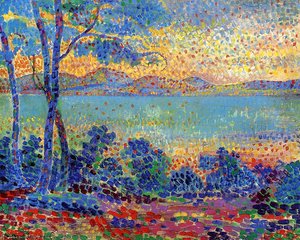
The Seine at Herblay


Discover "The Seine at Herblay" by Maximilien Luce (1890), a stunning Pointillist landscape painting housed in the Musée d'Orsay. Explore vibrant colors & Parisian charm.
 Pročitaj više
Otkrijte Maksimilijena Luce (1858-1941), francuskog majstora neoimpresionizma poznatog po živopisnim pariski scenama i pejzažima. Istražite njegov tačistički stil, doprinos impresionizmu i dela poput "Seine at Poissy".
Giclee štampa / Umetnički otisak
Giclée štampa ili print na platnu muzejskog kvaliteta uz brzu izradu i raznovrsne opcije završne obrade. ( Kupite ručno oslikano delo Pređi na digitalnu sliku)




P118B дин10

P118H дин10

P118W дин10

P438Z дин10

P508JH дин12

P508YH дин12

P805H дин10

P805Z дин10

P919BZ дин10

P919G дин10

P919XJ дин10

P959ZH дин10

P968JZ дин12

W106C дин8

W218G дин10

W218JH дин8

W218Y дин10

W307PJ дин10

W316G дин10

W316PJ дин8

W316Y дин10

W398PJ дин8

W4111J дин10

W500HY дин15

W500JH дин15

W692G дин12

W849H дин8

W940BG дин15

W953PJ дин8




Standardne dimenzije
po meri
CM
INCH
Izaberite jednu od naših unapred definisanih veličina koje odgovaraju originalnim proporcijama umetničkog dela.
Loading sizes...

širina
visina
Unesite željenu širinu i visinu kako bi se štampa uklopila u vaš ram ili zid. Štampu je moguće samo iseći, ali nikada povećati iznad dimenzija originalne slike, stoga format sa drugačijim proporcijama uzrokuje gubitak dela slike. Pre početka štampe, poslaćemo vam digitalni prikaz radi potvrde. Slika prikazana na ovoj stranici ne predstavlja stvarni isrez — to pokazuje samo digitalni prikaz.
Dostava širom sveta () za 2 nedelje umesto uobičajenih 4/5 nedelja. (4 новембар)

Besplatna ekspresna dostava širom sveta

Visokokvalitetno laneno platno

Potpuno osiguranje transporta

Garancija povraćaja carine i uvoznih dažbina

Garancija vernosti boja

Politika povraćaja u roku od 100 dana (samo u slučaju nedostataka)

Garancija povrata 100% novca

Popust na više proizvoda
 Opcija sa staklom dostupna je samo za dimenzije manje od 110 cm

The Seine at Herblay
Giclee štampa / Umetnički otisak
Dimenzije reprodukcije
-


Ukupna cena
дин 7306
A Symphony of Light and Color: Exploring Maximilien Luce’s “The Seine at Herblay”
Maximilien Luce’s “The Seine at Herblay,” completed in 1890, stands as a cornerstone of Neo-Impressionism—a movement that sought to elevate landscape painting beyond mere representation into an exploration of sensory experience. Currently residing within the prestigious Musée d'Orsay in Paris, this canvas isn’t merely a depiction of a riverside scene; it’s a deliberate orchestration of color and texture designed to evoke tranquility and capture the fleeting beauty of twilight.
- Subject Matter: Luce meticulously portrays Herblay, a suburb of Paris nestled along the Seine River. The composition centers around a gently sloping hillside descending towards the tranquil waters of the river, punctuated by distant mountains bathed in the warm hues of sunset. This deliberate choice reflects the Impressionists’ fascination with capturing natural light and atmosphere—a tradition Luce embraced with unwavering conviction.
- Style & Technique: Luce’s signature technique is Pointillism – a revolutionary approach championed by Georges Seurat and Paul Signac. Rather than blending colors directly onto the canvas, artists like Luce applied tiny dots of pure pigment, allowing the viewer's eye to optically merge them into harmonious shades. This painstaking process resulted in an astonishingly luminous surface, shimmering with reflected light—a testament to Luce’s mastery of optical illusion.
Decoding the Visual Language: Color and Texture
The brilliance of “The Seine at Herblay” derives significantly from Luce's masterful manipulation of color. He employs a palette dominated by warm reds, oranges, and yellows—representing the fading sunlight—contrasted against cooler blues and greens to depict the river and surrounding foliage. These colors aren’t blended; they exist as discrete dots, creating an unparalleled textural richness that invites contemplation. The artist's deliberate use of thick brushstrokes – though subtly implied through dot placement – adds depth and dynamism to the scene.
- Color Harmony: Luce skillfully utilizes complementary color pairings—such as orange and blue—to heighten visual impact and create a sense of vibrancy.
- Texture Illusion: The resulting surface resembles polished stone, achieved through meticulous dot placement that mimics the appearance of brushstrokes without actually applying paint thickly.
Historical Context & Artistic Influence
"The Seine at Herblay" emerged during a period of profound artistic experimentation—the waning years of Impressionism and the burgeoning influence of Neo-Impressionism. Luce’s work aligns with Seurat's pursuit of scientific rigor in art, reflecting a broader intellectual interest in optics and color theory. It stands as an enduring symbol of the movement’s commitment to capturing subjective experience through objective observation—a bold departure from traditional artistic conventions.
- Neo-Impressionism: Luce's approach embodies the core tenets of Neo-Impressionism, prioritizing scientific principles over spontaneous emotion.
- Parisian Landscape Tradition: The painting contributes to a rich Parisian landscape tradition that celebrates the beauty of urban surroundings and the transformative power of natural light.
Emotional Resonance & Artistic Legacy
Ultimately, “The Seine at Herblay” transcends mere visual representation; it communicates a profound sense of serenity and wonder. Luce’s masterful use of color and texture invites viewers to immerse themselves in the tranquil atmosphere of twilight—a moment captured with exquisite precision and imbued with an enduring emotional resonance. Like “The Pile Drivers,” another notable work by Luce, this painting exemplifies his ability to distill complex ideas into accessible visual forms. Its influence continues to inspire artists today, cementing Luce’s place as a pivotal figure in the history of modern art.
Pitanja i odgovori
Koliko je zasićena paleta dela "The Seine at Herblay"?
Paleta dela "The Seine at Herblay" ima Balanced Soft zasićenost.
Kako se umetnički pravac i epoha susreću u delu „The Seine at Herblay”, autor Максимилијан Лиис?
„The Seine at Herblay“ pripada pravcu Pointillism, a njen autor je stvarao u periodu 19. vek.
Gde se preporučuje izlaganje dela "The Seine at Herblay" u formatu Landscape?
Format (Landscape) i preporučeni prostor (Living Room) su dve navedene činjenice o postavljanju za „The Seine at Herblay”, autor Максимилијан Лиис.
Srodna umetnička dela




Biografija umetnika
Париски дух: Живот и уметност Максимилијена Луса
Максимилијан Лус, рођен у Паризу 1858. године, био је сликар који је био уско повезан са друштвеним и уметничким струјањима свог времена. Његов рани живот, проведен међу радничком класом Монпарнаса, у њега је усадио осетљивост на стварност градског живота – тему која ће одјекивати током његове плодне каријере. Првобитно ученик дрворезца 1872. године, Лус је развио прецизну пажњу за детаље и цењење линије и форме, вештине које ће касније обликовати његова истраживања боје и светла. Ова темељна обука није била само техничка; повезала га је са традицијом графичке уметности дубоко укљученом у друштвену критику, постављајући основу за његов политички ангажован уметнички пут. Наставио је своје образовање на вечерњим часовима, усвајајући принципе цртања и полажући основе за коначни прелазак у сликање. Париска комуна 1871. године, којој је присуствовао као младић, оставила је неизбрисив траг на Лусовој савести, негујући доживотну посвећеност анархистичким идеалима и социјалној правди – уверењима која ће се упорно манифестовати у његовим уметничким изборима.Од импресионизма до неоимпресионизма и даље
Лусова уметничка еволуција карактерисала је немиран експериментаризам и спремност да прихвати нове приступе. Почео је као импресиониста, очаран пролазним ефектима светлости и атмосфере, али се ускоро окренуо строжој научној ригорозности неоимпресионизма. Утицај Жоржа Сеура и Пола Сињака био је пресудан; усвојио је њихову тачкистичку технику – прецизну примену ситних тачака чисте боје – у делима као што је *На обали Сене код Поасија* (1895). Овај период га је видео како педантично раставља светлост и боју, стремећи ка хармоничном визуелном искуству кроз оптичко мешање. Међутим, Лус није био само следбеник; унео је неоимпресионизму своју посебну осетљивост, често фокусирајући се на сцене индустријског рада и градског живота – теме које су ретко истраживали његови савременици. Није избегавао да приказује тешке стварности модерног постојања, оштро контрастирајући са идиличном пејзажима које су фаворизовали неки од његових колега. Касније у својој каријери, удаљио се од строге тачкистичке технике, прихватајући слободнији, изражајнији стил који је задржао живост боје, али је дозвољавао већи интензитет емоција. Ова константна еволуција демонстрира Лусову посвећеност уметничком истраживању и његово одбијање да буде ограничен било којом једном естетиком.Сведок модерности: Теме и технике
Лусово дело је убедљив хроники крајем 19. и почетком 20. века у Француској. Био је фасциниран трансформативном моћи индустријализације, сликајући фабрике, градилишта и прометне градске пејзаже непоколебљивим оком. Његова слика не представља само те сцене; они су прожете осећајем динамике и енергије, које захватају ритам модерног живота. Река Сена, која се вијуга кроз Париз и околну руралу, постала је поновљени мотив у његовом раду – симбол природне лепоте и људске активности. Мајсторски је заухватио игру светлости на води, користећи тачкистичке технике да створи сјајне површине и атмосферске ефекте. Осим пејзажа и градских сцена, Лус је испитивао друштвене теме, често портретишући раднике и раднике са достојанством и поштовањем. Његова посвећеност анархистичким принципима евидентна је у његовом симпатичном приказу оних маргинализованих од стране друштва. *Пејзаж код Маршијена* (1896), на пример, нуди моћан приказ индустријског пејзажа северне Француске, истичући и његову лепоту и његове тешке стварности. Такође је био познат по својим приказима париског живота, укључујући сцене кафића, циркуса и јавних окупљања.Наслеђе и признање
Максимилијанов Лусов допринос уметничком свету протеже се даље од његових појединачних слика. Као посвећени члан *Société des Artistes Indépendants* – служивши као потпредседник 1909. године и председник 1935. године – заступао је уметничку слободу и пружио платформу за нове уметнике. Његова посвећеност прогресивним идеалима учинила га је поштованом фигуром у авангардној заједници. Иако је доживео периоде релативне невидљивости, његов рад је све више признат последњих деценија због своје јединствене комбинације естетичке иновације и друштвене свести. Данас се Лусове слике чувају у престижним музејским колекцијама широм света, укључујући *Musée d'Orsay* у Паризу, служећи као сведочанство његове трајне уметничке визије. Његова способност да заухвати дух брзо променљиве ере, у комбинацији са његовом техничком мајсторством и непоколебљивом посвећеношћу својим уверењима, учврстила је његово место као значајне фигуре у историји модерне уметности. Остаје уметник чији рад наставља да одјекује савременим гледаоцима, нудећи увиде у сложеност модерности и трајну моћ уметничког израза.Даље истраживање
- Музејске збирке: Истражите Лусове радове у *Musée d'Orsay* и другим водећим институцијама.
- Онлајн ресурси: Откријте више о његовом животу и раду кроз ресурсе као што су Википедија и посвећене базе података уметника.
- Кључне теме: Размотрите његове поновљене теме индустријализације, градског живота и социјалне правде када гледате његове слике.
- Техничка иновација: Обратите пажњу на његову употребу тачкистичке технике и касније експериментисање са изражајнијим радом четком.

Максимилијан Лиис
1858 - 1941 , Франска
Osnovne informacije
- Artistic Movement Or Style: Neoimpresionizam, Pointilizam
- Artists Who Influenced This Artist:
- Camille Pissarro
- Georges Seurat
- Paul Signac
- Date Of Birth: 13. mart 1858.
- Date Of Death: 6. februar 1941.
- Full Name: Maximilien Luce
- Nationality: Francuz
- Notable Artworks:
- Seine at Poissy
- Tuileries in Paris
- Seine at Andelys
- Le Pont-Neuf
- Place Of Birth: Pariz, Francuska
Povezani članci

25 Remek-dela Džona Konstebla: Lepota Engleske na Platnu | TopImpressionists
Uronite u svet Džona Konstebla! Otkrijte 25 remek-dela engleskog pejzaža, romantizma i seoske idile. Kupite reprodukcije slika vrhunskog kvaliteta za dekoraciju enterijera na TopImpressionists.com.

Glavna dela koja su definisala Romantični pejzaž: 10 remek-dela za vaš dom
Otkrijte 10 remek-dela romantičnog pejzažnog slikarstva! Uronite u svet Claude Lorraina, Caspara David Friedricha i Turnera. Ispričane priče umetnosti, inspiracija za dekoraciju doma. Kvalitetne reprodukcije na TopImpressionists.com – istražite celu kolekciju online!

Evocations of Place: A Historical Journey Through Landscape Art
Explore the rich history of landscape art with TopImpressionists. Discover renowned artists, movements like Impressionism & Romanticism, and expert guidance for collecting timeless pieces. Find your perfect serene escape today!

Evocations of Place: A Historical Journey Through Landscape Art
Explore the rich history of landscape art with TopImpressionists. Discover renowned artists, movements like Impressionism & tonalism, and expert guidance for collecting timeless pieces. Find your perfect serene escape today!

Flowing Narratives: Rivers in Painting – A Historical Exploration
Explore the rich history of rivers in painting! Discover masterpieces from ancient times to Impressionism & beyond. Learn about symbolism, artists like Monet & Daubigny, and find your perfect serene artwork at TopImpressionists.