


 Pregledaj u prostoru
 Podeli
 Podeli
 Detalji
 Vodič
Vodič

 Preuzmi sliku
 Slični predmeti
 Rendgenski snimak
 Automatska prezentacija
 Statistika
Mimosas
 Oil On Canvas
- WallArt
- Post-Impressionism
 1952
1952- 19th Century
 100.0 x 65.0 cm
 Marubeni Gallery
Moïse Kisling’s ‘Mimosas’ (1952) – a vibrant oil painting of overflowing yellow flowers against a dark green backdrop. A stunning example of his expressive realism & Post-Impressionist style.
 Pročitaj više
Мојше Кислинг (1891-1953): Пољско-француски сликар експресивних портрета, актова и пејзажа. Под утицајем Модиљанија и Шагала, кључна фигура Париске школе.
Ručno rađena uljana reprodukcija
Ručno oslikano uljanim bojama na platnu u dimenzijama i okviru po vašem izboru, izrađeno po porudžbini od strane naših umetnika. ( Pređi na prodaju štampanih primeraka Pređi na prodaju digitalnih slika)




P118B $10

P118H $10

P118W $10

P438Z $10

P508JH $12

P508YH $12

P805H $10

P805Z $10

P919BZ $10

P919G $10

P919XJ $10

P959ZH $10

P968JZ $12

W106C $8

W218G $10

W218JH $8

W218Y $10

W307PJ $10

W316G $10

W316PJ $8

W316Y $10

W398PJ $8

W4111J $10

W500HY $15

W500JH $15

W692G $12

W849H $8

W940BG $15

W953PJ $8




Standardne dimenzije
po meri
CM
INCH
Izaberite jednu od naših unapred definisanih veličina koje odgovaraju originalnim proporcijama umetničkog dela.
Loading sizes...

širina
visina
Možete uneti sopstvene dimenzije kako biste prilagodili umetničko delo određenom okviru ili prostoru. Ako odabrana veličina ne odgovara proporcijama originala, slika će biti isečena ili proširena dodatnim elementima koji se ručno oslikavaju. Digitalni prikaz će vam biti poslat na odobrenje pre početka proizvodnje.
Imajte na umu da pregled na ekranu ne odražava stvarno prisecanje ili proširenje. Samo mockup će precizno prikazati konačnu kompoziciju.
Iako su dostupne prilagođene veličine, preporučujemo da izaberete dimenziju iz unapred definisane liste kako biste sačuvali originalne proporcije.
Primeri mogućih izmena: Zamena lica fotografijom kupca; Dodavanje ljubimca (npr. zamena mačke psom); Uključivanje skrivene poruke u pozadini; Promena pejzaža ili elemenata pozadine.
Nakon narudžbine, tim TopImpressionists.com će klijentu putem e-pošte poslati uputstva i dostaviti prikaz predloženog rešenja
Nakon narudžbine, tim TopImpressionists.com će klijentu putem e-pošte poslati uputstva i dostaviti prikaz predloženog rešenja
Svetska isporuka () za 3/4 nedelje umesto uobičajenih 5 nedelja. (25 септембар). Bez kompromisa po pitanju kvaliteta.

Besplatna ekspresna dostava širom sveta

Visokokvalitetno laneno platno

Sveobuhvatno osiguranje transporta

Garancija povraćaja carine i uvoznih dažbina

Garancija vernosti boja i autentičnosti pri reprodukciji

Politika povraćaja u roku od 100 dana (samo u slučaju nedostataka)

Garancija povrata 100% novca

Popust pri većoj količini
 Opcija sa staklom dostupna je samo za dimenzije manje od 110 cm

Mimosas
Tehnika izrade reprodukcije
Veličina reprodukcije
-


Ukupna cena
$ 269
A Symphony of Yellow: Moïse Kisling’s ‘Mimosas’
Moïse Kisling's “Mimosas,” painted in 1952, is more than just a still life; it’s a vibrant testament to the artist’s enduring fascination with beauty and abundance. This captivating work, measuring 100 x 65 cm, offers a glimpse into the world of a man who navigated the tumultuous shifts of the 20th century – a “king of Montparnasse” as he was affectionately known – and whose artistic legacy continues to resonate today. The painting’s immediate impact lies in its audacious use of color: a riot of golden mimosa blossoms erupting from a striking blue vase, all set against a deep, almost velvety green backdrop. This isn't merely representation; it’s an orchestrated emotional experience.
The Artist and His Vision
Born in Kraków in 1891, Moïse Kisling’s journey was one of constant evolution. Initially influenced by the rigorous training he received at the Krakow Academy of Fine Arts, his relocation to Paris in 1910 marked a pivotal moment. Immersed in the epicenter of modern art – Montmartre – he encountered and absorbed the revolutionary ideas of figures like Cézanne, Picasso, and Black, ultimately forging his own distinctive style. Kisling’s life was inextricably linked to the artistic currents of his time, from teaching in American schools during World War II to finally achieving recognition with a successful exhibition in France in 1951. His preference for evocative depictions of flowers, particularly the mimosa, reveals a deep appreciation for the transient beauty of nature and a desire to capture its essence with remarkable intensity.
Technique and Composition: A Painterly Masterpiece
- Realism Infused with Impressionism: Kisling’s technique skillfully blends realism with impressionistic touches. The meticulous rendering of the flower petals – their softness, slight blur, and rich texture – speaks to a dedication to detail, while the loose brushstrokes create an overall sense of movement and vibrancy.
- Vertical Emphasis & Volume: The composition is dominated by a strong vertical format, drawing the viewer’s eye upwards into the dense mass of blossoms. This deliberate choice amplifies the feeling of abundance and creates a powerful visual impact.
- Layered Depth: Through careful manipulation of tone and shadow, Kisling achieves a remarkable sense of three-dimensionality. The reflective red surface adds another layer to this spatial illusion, enhancing the realism of the scene.
Symbolism and Emotional Resonance
“Mimosas” transcends a simple botanical study; it’s laden with symbolic meaning. The profusion of yellow mimosa flowers – Kisling's favored subject – evokes notions of fertility, prosperity, and the fleeting beauty of life. The blue vase acts as a focal point, intensifying the impact of the golden blooms. The overall effect is one of warmth, vibrancy, and an almost intoxicating sense of joy. This painting embodies the spirit of its creator—a man who embraced life with passion and translated that enthusiasm into his art.
Srodna umetnička dela


Biografija umetnika
Живот у Прелазу: Прича Мојше Кислинга
Мојша Кислинг, рођен као Мојжеш Кислинг 1891. године у Кракову, граду који је тада био срце Аустро-Угарске империје, био је уметник чији живот је одражавао бурне токове раног двадесетог века. Од малих дана, јасна уметничка сензибилност се развијала у њему, што га је довело да се са само петнаест година упише на Академију финих уметности у Кракову. Под менторством Јозефа Панкевича, добио је подстицај да тражи инспирацију у Паризу – граду који се већ етаблирао као центар модерне уметности. 1910. године Кислинг је кренуо на ово преломно путовање, уронивши у живописну уметничку заједницу Монмартра и склапајући везе са колегама емигрантима и авангардним мислиоцима. Овај почетни период био је формирајући, излажући га разноврсним стиловима који су суптилно обликовали његов јединствени глас. Он није само апсорбовао утицаје; започео је доживотни процес синтезе и иновација. Боемска атмосфера Монмартра, са заједничким атељеима и страственим дебатама, показала се као идеалан котел за талент младог уметника.Формирање Стиловаског Идентитета: Између Кубизма и Експресионизма
Уметнички развој Кислинга није био дефинисан крутом приврженошћу било којој једној школи, већ флуидним истраживањем различитих утицаја. Ране радове су наговестиле структурне иновације Пола Сезана и смелу хроматику Андреа Дераина, уз суптилне кубистичке тенденције које су се појавиле – као што је евидентно у делима попут *Портрета Андреа Салмона* (1912). Међутим, избијање Првог светског рата се показало преломном тачком. Како је Европа тонула у хаос, Кислингов стил је доживео значајну трансформацију ка експресионизму. Ово се манифестовало смелијим бојама, изражајнијом техником четком и растућим фокусом на емоционални интензитет. Развио је препознатљив приступ који је балансирао прецизно цртање са живописном палетом, често приказујући људску фигуру са јасноћом и грациозношћу. Елегантне заобљене форме постале су обележје његовог рада, често одражавајући утицај Амедеа Модиљанија – блиског пријатеља чији издужени вртови, бадемасти очи и деликатно рендерисане усне су се одразиле и у Кислинговим портретима. Ипак, он је ове карактеристике обогатио својом уникатном сензибилношћу, савладавши манипулацију светом и сјеном да би створио сложене контрасте који су оживљавале његове фигуре изванредном дубином и нијансом. Овај период није био само усвајање новог стила; у питању је било проналажење визуелног језика способног да пренесе анксе и несигурност света у рату.Признање Усред Рата и Егзила
Упркос поремећаја које је донео рат, Кислинг је константно стицао признање у париској уметничкој средини. Кључни тренутак се догодио 1919. године са изложбом у Галерији Друе, која је представила његов развијајући се стил и привукла критичку пажњу. Њихов таленат није прошао непримећено од стране колекционара; 1923. године Алберт Барнс је стекао неколико његових слика, што је сведочило о њиховом квалитету и уметничкој вредности. Кислинг је постао централна фигура париске уметничке сцене, познат по организовању недељних ручкова који су окупили различите креативце – писце, песника, сликаре и вајаре – неговајући атмосферу интелектуалне размене и сарадње. Његова служба у Француској Легији страних легиона током Првог светског рата, кулминирајућа са ранама задобијеним у бици на Соми и каснијим француским држављанством 1915. године, подвукла је његову посвећеност усвојеној домовини. Ово искуство га је дубоко погодило, обликујући не само његов лични идентитет, већ и емоционалну дубину присутну у његовој уметности. Нарастајућа сенка Другог светског рата приморала је Кислинга на егзил. Емигрирао је у Сједињене Државе, излагавши своја дела у Њујорку и Вашингтону, тражећи склониште од растуће персекуције у Европи. Овај период расељења је био несумњиво тежак, али му је омогућио да се повеже са новом публиком и додатно прецизира своју уметничку визију.Трајно Наслеђе: Школа Париза и Даље
Након завршетка рата, Кислинг се 1946. године вратио у Француску, настанивши се у Санари-сур-Меру где је наставио да слика до своје смрти 1953. године. Стамбена улица у Санари-сур-Меру сада носи његово име, трајно одавање почасти његовом доприносу локалној заједници и ширем уметничком свету. Кислингов рад отелотворује дух постимпресионизма и ране експресионистичке струјања, значајно доприносећи живописној тапестрији Школе Париза – разнолике колекције уметника који су заједнички преобликовао модерну уметност. Његов иновативни стил, карактеристичан по својој јединственој мешавини прецизности и емоционалног интензитета, наставља да инспирише уметнике и одушевљава публику данас. *Велика гола Жозан на црвеном дивану*, сликана 1953. године, представља снажан пример његовог зрелог стила – сензуално ремек-дело које показује живописне боје и изражајну технику четком. Музеј Пет Пале у Женеви поседује највећу збирку његових радова, што је сведочанство о његовом трајном наслеђу и уметничкој визији. Слике Мојше Кислинга остају моћни подсетници на преломно доба у историји уметности, одражавајући и лепоту и анксе света у промени – свет који је он креирао са храброшћу, осетљивошћу и непоколебљивом посвећеношћу свом занату. Његова способност да синтетише различите утицаје у јединствено личан стил обезбеђује његово место као значајне фигуре у канону модерне уметности.Кључне Карактеристике и Утицаји
- Утицаји: Пол Сезан, Андреа Дераин, Амедео Модиља

Мојше Кислинг
1891 - 1953 , Хрватска
Brzi pregled
- Artistic Movement Or Style: Postimpresionizam, Ekspresionizam
- Artists Or Movements Influenced By This Artist: ['Škola Pariza']
- Artists Who Influenced This Artist:
- Paul Cézanne
- André Derain
- Amedeo Modigliani
- Date Of Birth: 1891
- Date Of Death: 1953
- Full Name: Moïse Kisling
- Nationality: Poljsko-Francuski
- Notable Artworks:
- Velika gola Josan
- Portret Andre Salmona
- Place Of Birth (City And Country): Kraków, Hrvatska
Srodni članci

Blossoms of Time: A Historical & Aesthetic Exploration of Floral Painting Across Cultures
Explore the rich history of floral painting! Discover symbolism, techniques & masterpieces from Van Huysum to O'Keeffe. Expert insights for art lovers & collectors at TopImpressionists.

Silent Narratives: Exploring the Enduring Appeal of Still Life Painting Across Centuries
Explore the rich history of still life painting with TopImpressionists. Discover Dutch Masters, decode vanitas symbolism & learn about collecting timeless art. Expert insights and museum-quality reproductions.

Blossoming Symbolism: A Historical Journey Through Flowers in Western Painting
Explore the rich history of flower symbolism in Western painting! Discover how artists from the Renaissance to Modernism used blossoms to convey meaning, emotion & beauty. Learn about iconic artworks and movements.

Blossoms of Time: A Historical Journey Through Flower Painting
Explore the captivating history of flower painting! Discover Dutch masters, symbolic meanings, & botanical art. Expert insights & high-quality reproductions at TopImpressionists.
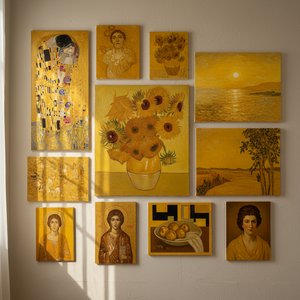
Golden Hues: Top 10 Paintings Dominated by Yellow Ochre |
Explore 10 iconic paintings bathed in golden yellow ochre! From Van Gogh's sunflowers to Monet’s haystacks, discover the stories behind these masterpieces. Find museum-quality art reproductions & elevate your home decor on .