

 Pregledaj u prostoru
 Podeli
 Podeli
 Detalji
 Vodič
Vodič

 Preuzmi sliku
 Slični predmeti
 Rendgenski snimak
 Automatska prezentacija
 Statistika
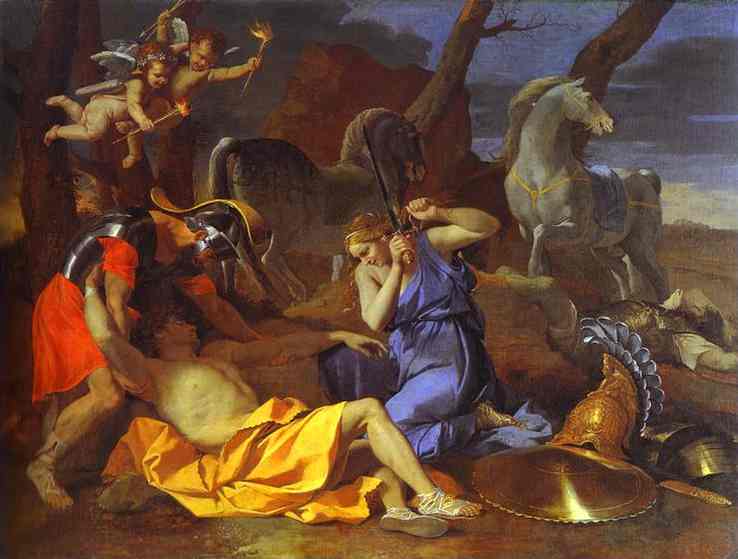
Tancrede and Erminia

Nicolas Poussin's 'Tancred and Erminia' captures a dramatic mythological scene with intense emotion & classical precision. Explore the masterpiece’s narrative, composition, and artistic legacy at TopImpressionists.
 Pročitaj više
Le Havre
Француска
Никола Пусен
Le Havre, Andelys
Otkrijte Nikolasa Pusena, klasičnog slikara poznatog po spletu istorijskih i mitoloških priča. Njegova dela, kao što su 'Smrt Germanika' i 'Sedam sakramenata', uticala su na francusku umetnost.
Барок, Класицизам
Жак-Луј Давид
Рафаело
1594
1665
Никола Пусен
Француз
Smrt Germanika
Le Havre, Француска
Париз
3
У ком граду је Никола Пусе
Giclee štampa / Umetnički otisak
Giclée štampa ili print na platnu muzejskog kvaliteta uz brzu izradu i raznovrsne opcije završne obrade. ( Naručite ručno oslikano reprodukciju Pređi na prodaju digitalnih slika)




P118B дин10

P118H дин10

P118W дин10

P438Z дин10

P508JH дин12

P508YH дин12

P805H дин10

P805Z дин10

P919BZ дин10

P919G дин10

P919XJ дин10

P959ZH дин10

P968JZ дин12

W106C дин8

W218G дин10

W218JH дин8

W218Y дин10

W307PJ дин10

W316G дин10

W316PJ дин8

W316Y дин10

W398PJ дин8

W4111J дин10

W500HY дин15

W500JH дин15

W692G дин12

W849H дин8

W940BG дин15

W953PJ дин8




Standardne dimenzije
po meri
CM
INCH
Izaberite jednu od naših unapred definisanih veličina koje odgovaraju originalnim proporcijama umetničkog dela.
Loading sizes...

širina
visina
Unesite širinu i visinu koja vam je potrebna, kako bi se uklopili u vaš ram ili na vaš zid. Štampa se može samo iseći, nikada ne može biti veća od originalne slike, stoga format sa drugačijim proporcijama gubi deo slike. Poslaćemo vam digitalni prikaz radi potvrde pre nego što započnemo štampu. Slika prikazana na ovoj stranici ne pokazuje stvarni rez — to pokazuje samo digitalni prikaz.
Dostava širom sveta () za 2 nedelje umesto uobičajenih 4/5 nedelja. (26 октобар)

Besplatna ekspresna dostava širom sveta

Visokokvalitetno laneno platno

Sveobuhvatno osiguranje transporta

Garancija povraćaja carine i uvoznih dažbina

Garancija vernosti boja i autentičnosti pri reprodukciji

Politika povraćaja u roku od 100 dana (samo u slučaju nedostataka)

Garancija povrata 100% novca

Popust pri većoj količini
 Opcija sa staklom dostupna je samo za dimenzije manje od 110 cm

Tancrede and Erminia
Giclee štampa / Umetnički otisak
Veličina reprodukcije
-


Ukupna cena
дин 7115
A Vision of Myth and Romance
Nicolas Poussin’s “Tancred and Erminia” is not merely a depiction of a classical tale; it's an immersive experience, a carefully constructed tableau vivant that invites the viewer into a world of heightened emotion and profound contemplation. Painted around 1631-1634, during his most productive period in Rome, this work exemplifies Poussin’s mastery of capturing both the grandeur of antiquity and the delicate nuances of human feeling. The scene, drawn from Torquato Tasso's epic poem *Gerusalemme Illustre*, unfolds with a deliberate grace – a moment suspended between action and reflection, brimming with unspoken longing and impending conflict.
At first glance, the composition appears deceptively simple: a man, Tancred, holding his sword poised in readiness, stands beside a woman, Erminia, who clutches her bow. They are surrounded by a small group of figures – soldiers, attendants, and perhaps even a watchful shepherd – all rendered with an exquisite attention to detail that speaks volumes about Poussin’s meticulous technique. However, the painting's power lies not just in its subject matter but in the way Poussin orchestrates light, color, and spatial depth to create a deeply atmospheric effect. The use of *chiaroscuro*, the dramatic contrast between light and shadow, is particularly striking, drawing our eye to the central figures while subtly suggesting the turmoil beneath the surface.
The Classical Narrative and its Baroque Execution
The story itself is one of tragic romance. Tancred, a valiant warrior, has been wounded by Erminia’s father, the formidable King Anghiar. Erminia, deeply in love with Tancred, bravely offers to sacrifice herself to save his life, but he refuses her offer, fearing it would bring shame upon her family. The painting captures this pivotal moment – the hesitation before a potentially devastating choice, the unspoken sorrow and the resolute determination etched on their faces. Poussin skillfully employs classical motifs—the heroic posture of Tancred, the vulnerable beauty of Erminia—to elevate the narrative beyond a simple love story into a meditation on honor, duty, and sacrifice.
Despite its rootedness in classical mythology, “Tancred and Erminia” is undeniably a Baroque painting. Poussin’s use of rich, saturated colors – particularly the deep reds and blues – reflects the dramatic intensity characteristic of the era. Furthermore, his emphasis on line and form, combined with his masterful rendering of textures (the sheen of armor, the softness of fabric), creates a sense of visual dynamism that is both captivating and emotionally resonant. The figures are not simply depicted; they are sculpted into being, imbued with a palpable sense of life and movement.
Symbolism and Emotional Resonance
Beyond the immediate narrative, “Tancred and Erminia” is laden with symbolic meaning. The setting – a rugged, mountainous landscape bathed in golden light – evokes a sense of timelessness and spiritual significance. The presence of the shepherd suggests a connection to pastoral ideals, representing innocence and simplicity amidst the complexities of human affairs. Erminia’s bow and arrow are not merely weapons; they symbolize her willingness to defend Tancred, even at the cost of her own life. The shield on the ground hints at past battles and the enduring scars of conflict.
Ultimately, “Tancred and Erminia” is a painting that speaks to the universal themes of love, loss, and courage. It’s a poignant reminder of the choices we face in life and the sacrifices we make for those we cherish. Poussin's ability to capture these profound emotions with such exquisite beauty and technical skill ensures that this masterpiece continues to resonate with viewers centuries after its creation. A reproduction by TopImpressionists offers a remarkable opportunity to experience the full impact of this extraordinary work, bringing its timeless elegance into your home or studio.
Pitanja i odgovori
Ko je autor dela "Tancrede and Erminia" i u kom umetničkom pravcu?
Za delom "Tancrede and Erminia" stoje Никола Пусен i pokret French Classicism.
Pod kojim drugim imenima ili pseudonimima je Никола Пусен poznat/a?
Никола Пусен je poznat/a i pod imenom Никола Посељин, Никола Пјусен, Никола Пјусијен.
Koju paletu boja i kakav osećaj spaja "Tancrede and Erminia"?
U delu "Tancrede and Erminia", boje Earthy prate Melancholic osećaj.
Biografija umetnika
Nikola Pusen: Život Uroñen u Klasicnu Revnost
Nikola Pusen, ime sinonimno za veličanstvo francuskog baroknog slikarstva, ipak je bio duša duboko ukorenjena u italijanskom tlu tokom većeživotnog dela svoje umetničke karijere. Rođen u Le Havoru, Normandiji, juna 1594. godine, njegovi rani dani ostaju delimično obavijeni misterijom, a ipak su nesumnjivo postavili temelje za karijeru koja će postati ključna u oblikovanju klasicne tradicije unutar francuske umetnosti. Iako je kratko studirao u Parizu tokom ranih 1610-ih, upijajući uticaje manje poznatih umetnika tog vremena, njegovaicija u Rim 1624. godine zaista je zapalila njegovu umetničku sudbinu. Nije reč samo o geografskom preseljenju; bila je to imerzija u srce antičke ere, hodočašće do samog izvora inspiracije koji će definisati njegov estetski vid. Pusenove prve probe slikanja bile su obeležene senzualnim kvalitetom koji podseća na venecijanske majstore poput Titijana, ali čak i u tim ranim delima počinje da se nazire urođena osećajnost reda i intelektualne rigoroznosti—predviđanje stila koji će tako vešto izraditi.Rimske Godine: Kovanje Klasicnog Ideala
Rim je bio više od obične radionice za Pusena; postao je njegov intelektualni eksperimentalni prostor. Pronašao se u živahnom krugu učenjaka, arheologa i kolega umetnika, posebno Kasijana dal Pozza, čije je duboko razumevanje klasicne antike snažno uticalo na pristup umetnika. Posvećenost dala Pozzu detaljnoj dokumentaciji drevnih ostataka usađivala je u Pusena veliko poštovanje prema istorijskoj preciznosti i želju da njegove slike ispunjava osećajem večnosti. Tokom ovog perioda, Pusen se odmakao od burnog sjaja nekih svojih savremenika, umesto toga prihvata stil karakterisan jasnocom, ravnotežom i naglašenim linearnim kompozicijama. On je pažljivo proučavao dela Rafaela, upijajući njihove skladne aranžmane i graciozne oblike, a istovremeno crpeći inspiraciju iz drevnih skulptura. Pusenovo se delo počelo ispunjavati likovima iz klasicne istorije i mitologije, prikazanim ne samo kao dekorativni elementi, već kao utelešenja moralnih vrline i filozofskih ideala.Teme Istorije, Mita i Svetog
Pusenovo umetničko stvaralaštvo bilo je izuzetno raznoliko, a ipak dosledno ujedinjeno njegovom posvećenošću ovim jezgrenim principima. On je često prikazivao scene iz drevne istorije—tragičnu sudbinu Germanika, na primer—prožetu osećajem stoičke dostojanstvenosti i moralne težine. Njegove mitološke slike nisu bila samo prepričavanja poznatih priča; bile su to istraživanja ljudske prirode, često opterećena alegorijskim značenjem. Serija *Arcadije*, posebno kultni *Et in Arcadia ego*, postala je simbolična za njegovu filozofsku dubinu, podstakavajući razmišljanja o smrtnosti i trajnoj snazi sećanja. Osim istorije i mita, Pusen se okrenuo i religijskim temama, pre svega u *Sedam Sakramenata*—monumentalnom poduhvatu koji je pokazao kako njegovu teološku razumnost tako i kompozicionu veštinu. Čak i unutar ovih svetih scena, ipak je održavao klasicnu uzdržanost, izbegavajući preteranu emotivnost u korist smirenog i dostojanstvenog predstavljanja. Prema kraju svoje karijere, prostrani pejzaži su sve više dobijali na značaju, mešajući realizam sa idealiziranim oblicima kako bi se stvorile vizure koje su evocirale osećaj harmonije i smirenosti.Trajno Nasleđe: Oblikovanje Francuske Umetnosti
Uprkos tome što je veći deo svoje karijere proveo u inostranstvu, uticaj Nikolasa Pusena na francusku umetnost bio je ogroman. On se nakratko vratio u Pariz 1640. godine na molbu kardinala Riheljea, imenovan za Prvog slikara kralja, ali je ubrzo bio ugušen zahtevima i spletkama dvorne života. Ubrzo se vratio u Rim, gde je nastavio da slika do svoje smrti 1665. godine. Njegova posvećenost klasicnim principima pomogla je da se uspostavi standard za umetničko školovanje i praksu unutar Francuske, utičući na generacije umetnika koji su ga sledili. Postao je vodeća figura u Académie Royale de Peinture et de Sculpture, čime je učvrstio svoju poziciju kao temeljnog kamena francuskog klasicizma. Umetnici poput Žaka-Luja Davida i Pola Sezana otvoreno su priznali svoj dug umetniku Pusenu zbog njegovog rigoroznog pristupa i intelektualne dubine. Njegovo nasleđe se proteže daleko izvan pukog stilskog imitiranja; ono predstavlja posvećenost redu, jasnoći i trajne snage klasicnih ideala—svedočenstvo umetnika koji je nastojao ne samo da prikaže svet, već ga uzvisiti kroz prizmu razuma i lepote.- Poznata dela: *Smrt Germanika*, *Serija Sedam Sakramenata*, *Rimski put*, *Orijan zaslepljen u potrazi za suncem*, *Sezone*.
- Ključne karakteristike: Klasicna kompozicija, linearnost, teme iz istorije i mitologije, smireni pejzaži.

Никола Пусен
1594 - 1665 , Francuska
Brzi pregled
- Datum Rođenja: Jun 1594.
- Datum Smrti: Novembar 1665.
- Mesto Rođenja: Le Havre, Francuska
- Nacionalnost: Francuski
- Pokreti/Umetnici Uticajni:
- Žak-Luis David
- Pol Sezan
- Puno Ime: Nikola Pusan
- Umetnički Pokret: Barok, Klasicizam
- Uticali Umetnici:
- Rafael
- Titian
- Značajna Dela:
- Smrt Germanika
- Sedam sakramenata
- Rimski put
- Orijan slep
- Godine
Srodni članci

Drama and Light: Discover the Captivating Grandeur of Baroque Art
Immerse yourself in the dramatic splendor of Baroque art. Explore the profound impact of light, shadow, and the Counter-Reformation through an expert historical lens, celebrating the masters who defined an era of unparalleled grandeur and emotional intensity.
Istražite umetnička dela organizovana prema temama, stilovima i karakteristikama.


