


 Pregledaj u prostoru
 Pošalji
 Podeli
 Detalji o delu
 Vodič
Vodič

 Preuzmi
 Slični predmeti
 Rendgenski snimak
 Automatska prezentacija
 Q&A
Q&A Statistika
Achille Emperaire
 Oil On Canvas
- WallArt
- Post-Impressionism
 1868
1868- 19th Century
 200.0 x 120.0 cm
Explore Paul Cézanne’s ‘Achille Emperaire’ (1868). A pivotal Post-Impressionist portrait featuring bold brushstrokes, rich colors & a contemplative subject. Discover its revolutionary style and lasting impact.
 Pročitaj više
Paul Cezan (1839-1906): Pionerski postimpresionista koji je spajao impresionizam i kubizam! Istražite geometrijske oblike, mrtve prirode i njegov uticaj na modernu umetnost. Otkrijte 'Kupateljke' i slike Mont Sainte-Victoire.
Ručno rađena uljana reprodukcija
Ručno oslikano uljanim bojama na platnu u dimenzijama i okviru po vašem izboru, izrađeno po porudžbini od strane naših umetnika. ( Pređi na štampu Pređi na digitalnu sliku)




P118B дин10

P118H дин10

P118W дин10

P438Z дин10

P508JH дин12

P508YH дин12

P805H дин10

P805Z дин10

P919BZ дин10

P919G дин10

P919XJ дин10

P959ZH дин10

P968JZ дин12

W106C дин8

W218G дин10

W218JH дин8

W218Y дин10

W307PJ дин10

W316G дин10

W316PJ дин8

W316Y дин10

W398PJ дин8

W4111J дин10

W500HY дин15

W500JH дин15

W692G дин12

W849H дин8

W940BG дин15

W953PJ дин8




Standardne dimenzije
po meri
CM
INCH
Izaberite jednu od naših unapred definisanih veličina koje odgovaraju originalnim proporcijama umetničkog dela.
Loading sizes...

širina
visina
Unesite potrebnu širinu i visinu kako bi se slika uklopila u vaš ram ili zid. Pošto je ovo ručno oslikano delo, umetnik može za dimenzije drugačijeg oblika naslikati malo više prostora oko slike ili malo skratiti ivice — izbor je na vama. Pre početka rada, poslaćemo vam digitalni prikaz radi potvrde. Slika prikazana na ovoj stranici ne predstavlja konačan rezultat — samo digitalni prikaz pokazuje stvarnu sliku.
Primeri mogućih izmena: Zamena lica fotografijom kupca; Dodavanje ljubimca (npr. zamena mačke psom); Uključivanje skrivene poruke u pozadini; Promena pejzaža ili elemenata pozadine.
Nakon narudžbine, tim TopImpressionists.com će klijentu putem e-pošte poslati uputstva i dostaviti prikaz predloženog rešenja
Nakon narudžbine, tim TopImpressionists.com će klijentu putem e-pošte poslati uputstva i dostaviti prikaz predloženog rešenja
Svetska isporuka () za 3/4 nedelje umesto uobičajenih 5 nedelja. (29 октобар). Bez kompromisa po pitanju kvaliteta.

Besplatna ekspresna dostava širom sveta

Visokokvalitetno laneno platno

Potpuno osiguranje transporta

Garancija povraćaja carine i uvoznih dažbina

Garancija vernosti boja

Politika povraćaja u roku od 100 dana (samo u slučaju nedostataka)

Garancija povrata 100% novca

Popust na više proizvoda
 Opcija sa staklom dostupna je samo za dimenzije manje od 110 cm

Achille Emperaire
Tehnika reprodukcije
Dimenzije reprodukcije
-


Ukupna cena
дин 27865
A Pivotal Moment in Modern Art: Paul Cézanne’s 1868 ‘Achille Emperaire’
This captivating portrait, painted in 1868 by Paul Cézanne, represents a crucial turning point not only in the artist's development but also within the broader trajectory of modern art. Measuring 200 x 120 cm, it transcends a simple likeness to become a profound exploration of form, color, and psychological depth – hallmarks that would define Cézanne’s revolutionary contribution to Post-Impressionism.Artistic Evolution & Historical Context
Initially rooted in the traditions of Realism and Romanticism, ‘Achille Emperaire’ demonstrates Cézanne's burgeoning departure from academic conventions. The late 1860s were a period of significant artistic change in Paris, with artists actively challenging established norms; this painting embodies that spirit of experimentation. While echoes of earlier masters are present, a distinct stylistic shift is underway. Cézanne begins to move away from meticulous detail towards a more subjective interpretation of reality, prioritizing the underlying geometric structure of his subject and the expressive potential of paint itself. This period saw him grappling with representing space and volume on a two-dimensional surface – questions that would occupy him for the rest of his career and ultimately pave the way for Cubism.Composition & Subject Matter
The subject, Achille Emperaire – himself a painter and close acquaintance of Cézanne – is depicted seated comfortably, legs crossed, exuding an air of quiet contemplation. Dressed in a striking blue jacket, his mustache adds to the characterful portrayal. The composition isn’t merely about *showing* Emperaire; it's about constructing him through planes of color and deliberate brushwork. Two figures are subtly suggested in the background, adding depth without distracting from the central subject. The interior setting – hinted at with a couch and dining table – feels intimate yet somewhat undefined, focusing attention squarely on Emperaire’s presence.Technique & Materiality
Cézanne's technique is immediately striking. Bold, visible brushstrokes are not blended to create smooth surfaces but rather stand as independent marks that build up the form. This approach emphasizes the materiality of paint and the act of painting itself. The color palette, while rich, isn’t naturalistic; Cézanne uses color expressively, employing variations in tone to model volume and create a sense of solidity. He doesn't shy away from contrasting hues, particularly the vibrant blue of Emperaire’s jacket against the more muted tones of the background. This deliberate use of color contributes significantly to the painting’s overall emotional impact.Symbolism & Emotional Resonance
While not overtly symbolic, the portrait subtly conveys a sense of introspection and perhaps even melancholy. Emperaire's relaxed posture is counterbalanced by a certain gravity in his expression. The artist seems less interested in capturing a fleeting moment than in revealing something essential about his subject’s character. The painting invites viewers to contemplate not just who Achille Emperaire was, but also the complexities of human personality and the passage of time.Legacy & Impact
Initially met with misunderstanding by critics, Cézanne's work gradually gained recognition thanks to champions like Camille Pissarro and Ambroise Vollard, who organized his first solo exhibition in 1895. Today, he is celebrated as a pivotal figure in the development of modern art. His emphasis on structure, form, and subjective perception profoundly influenced generations of artists, including Henri Matisse and Pablo Picasso – figures who would go on to revolutionize painting in the 20th century. ‘Achille Emperaire’ stands as a testament to Cézanne’s pioneering spirit and enduring artistic vision; it is a work that continues to inspire awe and provoke thought.Considerations for Collectors & Designers
- Interior Harmony: The painting's rich blues and muted tones lend themselves well to both classic and contemporary interiors, adding depth and sophistication.
- Statement Piece: Its large scale makes it a powerful focal point in any room.
- Art Historical Significance: Owning a high-quality reproduction connects you with the lineage of modern art.
- Emotional Depth: The contemplative mood evokes introspection and adds a layer of intellectual engagement to your space.
Pitanja i odgovori
Kakvu atmosferu odiše "Achille Emperaire"?
Opšta atmosfera dela „Achille Emperaire”, autor Pol Sezan je Nostalgic. Ova atmosfera opisuje opšti dojam koji delo ostavlja.
U kojoj godini je nastalo "Achille Emperaire"?
Delo „Achille Emperaire”, autor Pol Sezan nastalo je 1868.
Kako se „Achille Emperaire”, autor Pol Sezan može iskoristiti u uređenju doma?
„Achille Emperaire”, autor Pol Sezan se preporučuje za Statement, idealno u Living Room. Upotreba i prostor zajedno ukazuju na to gde reprodukcija najbolje pristaje.
Srodna umetnička dela


Biografija umetnika
Револуционарна Визија: Живот и Дело Паула Сезана
Паул Сезан, рођен у Екс-ан-Провансу 1839. године, представља монументалну фигуру која спаја мимотретне импресије импресионизма и фрагментиране форме кубизма. Пут његовог стваралаштва није био обележен одмах признањем; већ је био постепени процес уметничког истраживања, испуњен периодима сумње у себе и критичких одбацивања, који се завршава кулминацијом наслеђа које ће незадрживо променити ток модерне уметности. Рођен у добростојећој породици – његов отац је прво био произвођач шешира, а касније банкар – Сезан је уживао финансијску сигурност неуобичавену за аспиранте уметнике, што му је дало слободу да се посвети својој страсти без непосредног притиска комерцијалног успеха. Иако га је отац првобитно усмеравао ка правној каријери, снага уметничког изражавања била је пресилнија, и он је на крају напустио право да се посвети сликарству, одлука која ће дефинисати његов живот. Утицаји у раним годинама укључивали су романтизам који је био распрострањен у то време и посвећеност школе Барбизон сликарству пејзажа, али је кроз сусрете са уметницима као што су Пол Гоген и Жорж Серат, и њиховим иновативним приступима боји и облику, Сезан почео да кује свој посебан пут.Од Тамних Тона до Структуре: Еволуција Стилова
Сезанов рани рад често је одражавао драматичне, емотивно наежгујуће теме карактеристичне за романтичко сликарство – тамне палете и изражајна техника сликања доминирале су његовим платнома. Међутим, ова почетна фаза била је само прелазна степеница ка далеко аналитичкијем и напреднијем приступу. Неудовлетворен чињеницом да једноставно забиљежи мимотретне импресије светлости, као што су то волели импресионисти, Сезан се упустио у потрагу да разуме и представи саме основе објекта. Он није тражио само *шта* види, већ и *како* доживљава фундаменталне форме које чине стварност. Ово га је навело да разбија природне облике на њихове геометријске еквиваленте – конусе, цилиндре, сфере – предвиђајући кубистичку револуцију деценијама пре него што се она догодила. Његова техника постала је карактеристична за мале, понављајуће покрете четком, пажљиво наслагане да би се изградила сложена поља боја и текстура, стварајући осећај чврстине и дубине до тада непознат у сликарству. Није био заинтересован за илузионистички простор; уместо тога, често је представљао предмете из више перспектива истовремено, изазивајући традиционалне појмове перспективе и принуђујући посматрача да активно учествује у конструисаној природи његових композиција. Ово намерно изобличење није било произвољно, већ покушај да се пренесе комплетније разумевање форме, представљајући не само један тренутак у времену, већ синтезу перцепције.Пејзажи, Натдреда и Људско Тело: Кључна Дјела и Повратне Теме
Сезаново дело изузетно је разноврсно, обухвата пејзаже, натдреде, портрете и приказе купача, али су све уједињене његовим посебним приступом форми и боји. Поточић у Жа де Буфану, сликан 1880. године, представља његов рад на пејзажу, демонстрирајући способност да се ухвати суштина природе кроз пажљиву аранжману облика и тонова. Портрет Емила Зола, настао 1866. године, открива његов развијајући стил и нуди убедљив увид у интелектуалну интензивност његовог блиског пријатеља и колеге писца. Његове натдреде, као што су оне које приказују јабуке и друго воће, нису само репрезентације објекта, већ истраживања обима, светлости и просторних односа. Серија Мон Сенте-Виктоар постала је опсесија за Сезана, повратна тема која му је омогућила да беспрекорно испитује форму и перспективу током деценија. Ови сликани нису само прикази планине; они су студије како ми перципирамо дубину, обим и интеракцију светлости и сенке. На крају, његова серија Купача, која приказује гола тела у идиличном пејзажу, представља продубно испитивање људског тела и његове везе са природом, често надахнута осећајем безвременске тишине и размишљања.Наслеђе Ковано Иновацијама: Сезанов Утицај на Модерну Уметност
Утицај Паула Сезана на касније генерације уметника неизмерив је. Широко се сматра „оцем модерне уметности“ због његових револуционарних доприноса пикторијском језику, отварајући пут многим од главних уметничких покрета 20. века. Пабло Пикасо и Жорж Брак дубоко су били задужени за Сезанов наглашак на геометријским формама и множењу перспектива, што је постало централна догма кубизма. Његова смела употреба боје такође је инспирисала покрет Фависта, предвођен уметницима као што су Анри Матис, који је прихватио живе, нереалистичне нијансе. Чак су и срцедални уметници нашли резонанцу у Сезановом испитивању субјективне перцепције и психолошке дубине. Изван специфичних покрета, Сезанова инсистенција на личном визији уметника и његово одбацивање традиционалних академских ограничења ослободила су генерације сликара да истражују нове облике изражавања. Он је изазвао сам дефиницију репрезентације, померајући фокус са омањивања стварности на конструисање визуелног искуства заснованог на основним структурама и субјективној перцепцији. Његова смрт 1906. године обележила је не крај, већ почетак – зору нове ере у историји уметности, дубоко обликовану његовом револуционарном визијом.
Pol Sezan
1839 - 1906 , Француска
Osnovne informacije
- Datum Rođenja: 1839-01-19
- Datum Smrti: 1906-10-22
- Mesto Rođenja: Aiks-en-Provans, Francuska
- Nacionalnost: Francuski
- Pokreti/Umetnici Pod Uticajem:
- Kubizam
- Fovizam
- Surentizam
- Puno Ime: Pol Sezan
- Umetnički Pokret: Postimpresionizam
- Uticajni Umetnici:
- Romantizam
- Barbizon škola
- Pol Gogen
- Žorž Seurat
- Značajna Dela:
- Slika ribnjaka u Jas de Bufan
- Portret Emila Zole
- Šuma
- Serija Mont Sen-Viktor
- Kupači
Povezani članci
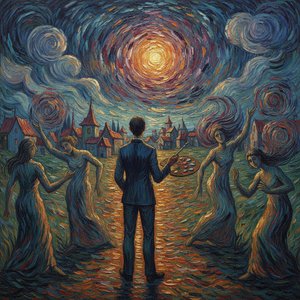
Beyond the Light: Capturing Emotion Through the Expressive Soul of Post-Impressionism
Explore the profound emotional depth of Post-Impressionism. Discover how masters like Van Gogh and Cézanne moved beyond light to capture raw feeling through color and texture. A journey into art history for the true connoisseur.
Istražite umetnička dela organizovana prema temama, stilovima i karakteristikama.


