


 Pregledaj u prostoru
 Podeli
 Podeli
 Detalji
 Vodič
Vodič

 Preuzmi sliku
 Slični predmeti
 Rendgenski snimak
 Automatska prezentacija
 Statistika
Still life


A vibrant Baroque masterpiece by Peter Binoit featuring a lush arrangement of fruits, flowers, and fine porcelain that captures the exquisite detail of 1618 German still life painting, perfect for your private collection.
 Pročitaj više
Peter Binoit (c. 1590-1632) was a German Baroque still life painter known for detailed floral arrangements, game pieces & 'pronkstillevens'. Explore his works from Frankfurt & Cologne.
Ručno rađena uljana reprodukcija
Ručno oslikano uljanim bojama na platnu u dimenzijama i okviru po vašem izboru, izrađeno po porudžbini od strane naših umetnika. ( Pređi na prodaju štampanih primeraka Pređi na prodaju digitalnih slika)




P118B дин10

P118H дин10

P118W дин10

P438Z дин10

P508JH дин12

P508YH дин12

P805H дин10

P805Z дин10

P919BZ дин10

P919G дин10

P919XJ дин10

P959ZH дин10

P968JZ дин12

W106C дин8

W218G дин10

W218JH дин8

W218Y дин10

W307PJ дин10

W316G дин10

W316PJ дин8

W316Y дин10

W398PJ дин8

W4111J дин10

W500HY дин15

W500JH дин15

W692G дин12

W849H дин8

W940BG дин15

W953PJ дин8




Standardne dimenzije
po meri
CM
INCH
Izaberite jednu od naših unapred definisanih veličina koje odgovaraju originalnim proporcijama umetničkog dela.
Loading sizes...

širina
visina
Unesite širinu i visinu koja vam je potrebna, kako bi se uklopili u vaš ram ili zid. Pošto je ovo ručno oslikano delo, umetnik može naslikati malo više prostora oko slike ili malo skratiti ivice za dimenzije drugačijeg oblika — izbor je na vama. Pre početka rada, poslaćemo vam digitalni prikaz radi potvrde. Slika prikazana na ovoj stranici ne predstavlja konačan rezultat — samo digitalni prikaz pokazuje stvarnu sliku.
Primeri mogućih izmena: Zamena lica fotografijom kupca; Dodavanje ljubimca (npr. zamena mačke psom); Uključivanje skrivene poruke u pozadini; Promena pejzaža ili elemenata pozadine.
Nakon narudžbine, tim TopImpressionists.com će klijentu putem e-pošte poslati uputstva i dostaviti prikaz predloženog rešenja
Nakon narudžbine, tim TopImpressionists.com će klijentu putem e-pošte poslati uputstva i dostaviti prikaz predloženog rešenja
Svetska isporuka () za 3/4 nedelje umesto uobičajenih 5 nedelja. (23 октобар). Bez kompromisa po pitanju kvaliteta.

Besplatna ekspresna dostava širom sveta

Visokokvalitetno laneno platno

Sveobuhvatno osiguranje transporta

Garancija povraćaja carine i uvoznih dažbina

Garancija vernosti boja i autentičnosti pri reprodukciji

Politika povraćaja u roku od 100 dana (samo u slučaju nedostataka)

Garancija povrata 100% novca

Popust pri većoj količini
 Opcija sa staklom dostupna je samo za dimenzije manje od 110 cm

Still life
Tehnika izrade reprodukcije
Veličina reprodukcije
-


Ukupna cena
дин 27662
A Symphony of Abundance: The Baroque Mastery of Peter Binoit
In the quiet, meticulous world of seventeenth-century German Baroque painting, few artists captured the fleeting essence of life with as much delicate precision as Peter Binoit. His 1618 masterpiece, a breathtaking still life executed on copper, serves as a window into an era defined by both scientific curiosity and profound spiritual reflection. As one observes this composition, one is immediately drawn into a lush, sensory experience where the boundaries between reality and art dissolve. The painting presents a sumptuous arrangement of nature’s finest offerings: ripe apples, sun-kissed oranges, deep purple plums, and succulent cherries, all nestled within a bountiful bowl. This is not merely a display of food, but a carefully choreographed dance of color, texture, and light that speaks to the very heart of the pronkstillevens tradition.
The technique employed by Binoit is nothing short of extraordinary. By utilizing a copper support, the artist achieved a luminous, jewel-like clarity that oil on canvas often struggles to replicate. This smooth, non-porous surface allowed his brush to glide with unparalleled precision, capturing the translucent skin of a grape, the velvety fuzz of a peach, and the reflective glint of a blue and white Chinese porcelain bowl. The interplay of light—a hallmark of the Baroque period—creates a sense of three-dimensional volume, making each piece of fruit appear almost tactile, as if one could reach out and pluck a cherry from the arrangement. His ability to render the subtle gradients of shadow and the sharp highlights on glassware demonstrates a level of virtuosity that continues to captivate collectors and connoisseurs today.
Symbolism and the Vanitas Tradition
Beyond its surface beauty, Binoit’s work is steeped in the complex symbolic language of the seventeenth century. To the contemporary viewer, this arrangement might appear as a simple celebration of harvest, yet to a person of the 1600s, every element carried a weight of meaning. The presence of insects amidst the ripening fruit serves as a poignant memento mori—a gentle reminder of the inevable passage of time and the transient nature of earthly delights. As the fruit matures, it moves toward decay, mirroring the human condition. This tension between the vibrant, life-affirming colors of the flowers and the subtle presence of mortality creates an emotional depth that elevates the painting from a mere decorative object to a profound philosophical meditation.
For the modern interior designer or art enthusiast, this piece offers a unique opportunity to introduce a sense of historical grandeur and intellectual depth into a space. A high-quality reproduction of this work does more than decorate a wall; it anchors a room with a sense of timelessness and quiet sophistication. Whether placed in a sunlit breakfast nook to highlight its vibrant tones or in a formal study to complement its scholarly undertones, Binoit’s still life invites contemplation. It is an invitation to slow down, to appreciate the intricate details of the natural world, and to find beauty in the ephemeral moments of existence.
Pitanja i odgovori
Koliko je "Still life" ukupno svetla?
Percepcija osvetljenosti dela „Still life”, Peter Binoit iznosi shadow. Može se prilagoditi svetlosti predviđenog prostora.
Kolika je zasićenost boja u delu „Still life”, Peter Binoit?
Paleta dela "Still life" ima Balanced Soft zasićenost.
Da li je delo "Still life" autora Peter Binoit u javnom vlasništvu i zašto?
Status autorskih prava za delo "Still life" - u javnom vlasništvu – autorska prava su istekla - proizilazi iz smrti umetnika 1632.
Biografija umetnika
Peter Binoit: A Quiet Master of Baroque Still Life
Peter Binoit (c. 1590 – 1632) was a German Baroque painter who emerged from Cologne during the formative years of the seventeenth century, leaving an indelible mark on the visual arts landscape of Frankfurt and its surrounding region. Primarily recognized for his meticulous depictions of floral arrangements and game scenes—often termed ‘pronkstillevens’—Binoit's oeuvre reflects a profound sensitivity to detail and a masterful command of technique that distinguishes him from many of his contemporaries. While biographical information remains somewhat sparse, scholarly research suggests he was born in Cologne around 1590, though precise birthdate records are elusive.- Early Life & Training: Little is known about Binoit’s formative years beyond confirmation that he trained under Johann Georg Schäffer, a prominent Frankfurt painter who championed the stylistic innovations of the Baroque era. Schäffer instilled in Binoit a dedication to observation and an appreciation for capturing fleeting moments with remarkable accuracy—principles that would characterize his artistic practice throughout his career.
- Frankfurt & Cologne Activity (1613-1631): Binoit established himself as a resident artist in Frankfurt, where he cultivated relationships with influential patrons and actively participated in the vibrant artistic milieu of the city. Simultaneously, he undertook commissions in Cologne, demonstrating versatility and adapting his style to diverse contexts. During this period, he produced numerous still lifes showcasing exquisite floral compositions alongside depictions of hunted animals—a stylistic hallmark that aligns closely with prevailing trends in Baroque art.
Stylistic Characteristics & Influences
Binoit’s artistic vision was deeply rooted in the traditions of German Renaissance painting, yet he embraced the expressive dynamism and dramatic chiaroscuro favored by Baroque masters like Rubens and Rembrandt. His meticulous attention to detail—evident in the rendering of textures, colors, and subtle nuances of light—is particularly noteworthy. He skillfully employed ‘pronkstillevens,’ a technique emphasizing compositional complexity and incorporating elements of illusionistic perspective to heighten visual impact. The influence of Caravaggio’s dramatic use of tenebrism can be discerned in Binoit's compositions, contributing to their atmospheric depth and emotional resonance.- Floral Still Lifes: Binoit excelled at portraying flowers with unparalleled realism—capturing their delicate petals, vibrant hues, and subtle variations in form. His floral paintings frequently incorporate symbolic references reflecting humanist ideals of beauty and contemplation.
- Game Still Lifes: Alongside botanical subjects, Binoit produced captivating depictions of hunted animals—often featuring birds or deer—executed with meticulous anatomical precision and imbued with a palpable sense of movement. These works demonstrate his ability to convey both scientific observation and artistic emotion simultaneously.
Notable Works & Recognition
Two surviving paintings bearing Binoit’s monogram and date – one depicting tulips and the other iris – are housed in the Hessisches Landesmuseum Darmstadt, offering invaluable insights into his artistic style and compositional preferences. Furthermore, a monumental still life featuring dead birds—a basket brimming with plumage—is held by Skokloster Castle in Stockholm County, Sweden; its detailed depiction of avian specimens exemplifies Binoit’s commitment to scientific accuracy alongside aesthetic excellence. Fragments of his oeuvre reside within St Peter's College and are recognized as important pieces of British Landscape Art.Legacy & Historical Significance
Peter Binoit’s contribution to Baroque painting resides not merely in the sheer beauty of his artworks but also in their embodiment of humanist ideals—particularly the pursuit of knowledge and appreciation for nature's splendor. His meticulous technique, combined with his stylistic innovations—such as ‘pronkstillevens’—established him as a pivotal figure within Frankfurt’s artistic community and cemented his reputation as one of Germany’s foremost still life painters of his era. Despite the brevity of his career, Binoit’s legacy continues to inspire admiration for his unwavering dedication to artistic excellence and his profound understanding of visual representation.
Peter Binoit
1632 , Germany
Brzi pregled
- Full Name: Peter Binoit
- Nationality: German
- Date Of Birth: c. 1590
- Date Of Death: 1632
- Place Of Birth: Cologne, Germany
- Notable Artworks:
- Still Life with Tulips
- Still Life with Iris
- Artistic Movement Or Style: Baroque
Srodni članci

Nature's Bounty: The Art History of Fruit Arrangement Masterpieces and the Baroque Still Life Tradition
Explore the profound beauty of fruit arrangement masterpieces. From Dutch Golden Age opulence to Baroque chiaroscuro, discover the art history, symbolism, and timeless elegance of classical still life paintings for the discerning collector.
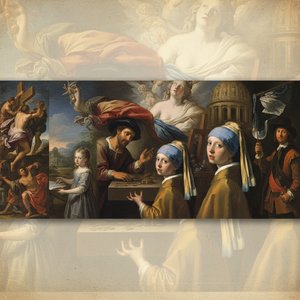
Barok Majstor dela: Top 10 Umjetničkih Remeka za Vaš Dom
Otkrijte 10 remek dela koja su definisala baroknu umetnost! Karavagio, Bernini i više – istražite priče iza ovih ikoničnih slika. Inspiracija za vaš dom? Pogledajte kolekciju na TopImpressionists.com!

The Bountiful Still Life: Symbolism & Artistic Representation of Fruit Across Art History
Explore the rich history of still life painting & the symbolism of fruit across art movements. Discover masterpieces from Caravaggio to Cézanne with TopImpressionists – expert guidance & museum-quality reproductions.

The Enduring Appeal of Still Life: A Historical & Contemporary Exploration
Explore the rich history & symbolism of still life painting with TopImpressionists. Discover masterpieces from the Dutch Golden Age, learn about vanitas art, and find expert guidance for collecting timeless artworks.

Silent Narratives: Exploring the Enduring Appeal of Still Life Painting Across Centuries
Explore the rich history of still life painting with TopImpressionists. Discover Dutch Masters, decode vanitas symbolism & learn about collecting timeless art. Expert insights and museum-quality reproductions.