


 Pregledaj u prostoru
 Podeli
 Podeli
 Detalji
 Vodič
Vodič

 Preuzmi sliku
 Slični predmeti
 Rendgenski snimak
 Automatska prezentacija
 Statistika
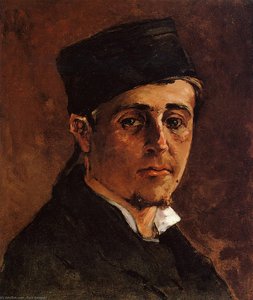
Self Portrait
 Acrylic On Canvas
- WallArt
- British Impressionism
 1920
1920 74.0 x 59.0 cm
 Fitzwilliam College
Philip Wilson Steer's "The President Woodrow Wilson House" captures a contemplative man in a suit, showcasing his signature Impressionistic style and masterful use of light & shadow. Explore this evocative portrait.
 Pročitaj više
Otkrijte Filipa Vilsona Stira (1860-1942), ključnog britanskog impresionistu poznatog po svetlucavim pejzažima i morskim prizorima. Inspirisan Maneom i Vistlerom, njegova dela se nalaze u kolekcijama Tate i Uffizi galerija.
Ručno rađena uljana reprodukcija
Ručno oslikano uljanim bojama na platnu u dimenzijama i okviru po vašem izboru, izrađeno po porudžbini od strane naših umetnika. ( Pređi na prodaju štampanih primeraka Pređi na prodaju digitalnih slika)




P118B дин10

P118H дин10

P118W дин10

P438Z дин10

P508JH дин12

P508YH дин12

P805H дин10

P805Z дин10

P919BZ дин10

P919G дин10

P919XJ дин10

P959ZH дин10

P968JZ дин12

W106C дин8

W218G дин10

W218JH дин8

W218Y дин10

W307PJ дин10

W316G дин10

W316PJ дин8

W316Y дин10

W398PJ дин8

W4111J дин10

W500HY дин15

W500JH дин15

W692G дин12

W849H дин8

W940BG дин15

W953PJ дин8




Standardne dimenzije
po meri
CM
INCH
Izaberite jednu od naših unapred definisanih veličina koje odgovaraju originalnim proporcijama umetničkog dela.
Loading sizes...

širina
visina
Unesite širinu i visinu koja vam je potrebna, kako bi se uklopili u vaš ram ili zid. Pošto je ovo ručno oslikano delo, umetnik može naslikati malo više prostora oko slike ili malo skratiti ivice za dimenzije drugačijeg oblika — izbor je na vama. Pre početka rada, poslaćemo vam digitalni prikaz radi potvrde. Slika prikazana na ovoj stranici ne predstavlja konačan rezultat — samo digitalni prikaz pokazuje stvarnu sliku.
Primeri mogućih izmena: Zamena lica fotografijom kupca; Dodavanje ljubimca (npr. zamena mačke psom); Uključivanje skrivene poruke u pozadini; Promena pejzaža ili elemenata pozadine.
Nakon narudžbine, tim TopImpressionists.com će klijentu putem e-pošte poslati uputstva i dostaviti prikaz predloženog rešenja
Nakon narudžbine, tim TopImpressionists.com će klijentu putem e-pošte poslati uputstva i dostaviti prikaz predloženog rešenja
Svetska isporuka () za 3/4 nedelje umesto uobičajenih 5 nedelja. (20 октобар). Bez kompromisa po pitanju kvaliteta.

Besplatna ekspresna dostava širom sveta

Visokokvalitetno laneno platno

Sveobuhvatno osiguranje transporta

Garancija povraćaja carine i uvoznih dažbina

Garancija vernosti boja i autentičnosti pri reprodukciji

Politika povraćaja u roku od 100 dana (samo u slučaju nedostataka)

Garancija povrata 100% novca

Popust pri većoj količini
 Opcija sa staklom dostupna je samo za dimenzije manje od 110 cm

Self Portrait
Tehnika izrade reprodukcije
Veličina reprodukcije
-


Ukupna cena
дин 27508
A Portrait of Quiet Intensity: Philip Wilson Steer’s “The President Woodrow Wilson House”
Philip Wilson Steer's "The President Woodrow Wilson House," painted in 1920, isn’t merely a depiction of a building; it’s a carefully constructed tableau brimming with subtle symbolism and imbued with the melancholic beauty characteristic of the artist. This oil-on-canvas work, measuring 74 x 59 cm, transports us to a moment suspended between formality and introspection – a visual poem reflecting on leadership, memory, and the quiet dignity of American history. Steer, a pivotal figure in British Impressionism, masterfully employs a muted palette dominated by greys, blues, and browns, creating an atmosphere of subdued light and contemplative stillness. The composition itself is deliberately restrained, focusing intently on the imposing façade of the Wilson House in Washington D.C., rendered with a remarkable sensitivity to texture and light.
The Impressionist’s Lens: Technique and Style
Steer's approach aligns closely with the tenets of Impressionism, yet he transcends simple replication. He doesn’t strive for photographic accuracy but rather captures an *impression* – a fleeting moment imbued with feeling. Notice how he utilizes broken brushstrokes to suggest the play of light on the stone walls and the subtle shifts in shadow. The artist's layering technique is particularly evident in the rendering of the building’s surface, where individual strokes coalesce to create a sense of depth and volume. Steer was deeply influenced by John Constable and J.M.W. Turner, artists known for their atmospheric landscapes and masterful use of light and color. This influence is palpable in Steer's ability to evoke a specific mood through his manipulation of tone and texture – a feeling of quiet contemplation and perhaps even a touch of wistful nostalgia.
Symbolism Within the Frame: Leadership and Reflection
The choice of subject matter—the Wilson House—is rich in symbolic potential. Woodrow Wilson, the 28th President of the United States, was a complex figure – lauded for his leadership during World War I but also criticized for his handling of racial issues at home. Steer’s painting doesn't offer a straightforward portrait of Wilson himself, instead focusing on the building that housed him and, by extension, representing the weight of responsibility and the enduring legacy of power. The muted colors and the solitary nature of the scene suggest a reflection on leadership itself – its burdens, its triumphs, and its inevitable passage of time. The composition’s stillness invites viewers to contemplate the unseen narratives contained within those walls.
A Legacy of Light: Steer's Influence and Artistic Context
Philip Wilson Steer was a significant figure in British art, bridging the gap between Impressionism and a more traditional English style. His work gained recognition during his time as a painting tutor at the Slade School of Fine Art, where he profoundly influenced generations of young artists. His exploration of coastal scenes, particularly those along the Suffolk coast, cemented his reputation for capturing the ethereal beauty of the British landscape. “The President Woodrow Wilson House” stands as a testament to Steer’s ability to imbue seemingly simple subjects with profound emotional resonance. It's a poignant reminder that even in grand architectural settings, moments of quiet contemplation and subtle symbolism can hold immense artistic value. Reproductions of this piece offer a captivating glimpse into the artist’s world and invite viewers to engage with the complexities of American history through the lens of Impressionist artistry.
Pitanja i odgovori
Postoji li prezentacija u obliku slajdova za „Self Portrait”, Filip Vilson Stir?
Dostupna je i prezentacija slika: stranica Diaporama za delo „Self Portrait”, Filip Vilson Stir.
Da li je „Self Portrait”, Filip Vilson Stir svetlo ili tamno umetničko delo?
Sveukupno, "Self Portrait" je zabeležen kao deep_shadow. Percepcija osvetljenosti opisuje koliko delo deluje svetlo ili tamno.
Koliko su intenzivne boje u delu „Self Portrait”, Filip Vilson Stir?
„Self Portrait”, Filip Vilson Stir prikazuje Monochromatic intenzitet boja.
Srodna umetnička dela


Biografija umetnika
Rani Život i Utemeljivanje Umetničkih Osnova
Filip Vilson Stir, rođen u Birkenhedu 1860. godine, poticao je iz porodice duboko ukorenjene u umetnički svet – njegov otac bio je portretista i posvećeni učitelj crtanja. Ovo rano izlaganje se pokazalo formativnim, negujući osetljivost koja će definisati njegov životni put. Preseljenje u Vičerč blizu Monmuta kada je imao samo tri godine usađuje vezu sa britiskom ruralnom sredinom koja će odjekivati kroz ceo njegov opus. Njegovo formalno obrazovanje započelo je u Hereford Cathedral School, pružajući mu osnovnu podlogu pre nego što se potpuno posvetio svojim umetničkim ambicijama. Stirino usavršavanje je nastavljeno na Gloucester School of Art i South Kensington Drawing Schools, ali je njegov boravak u Parizu između 1880. i 1884. godine bio zaista transformativan. Studirajući na Académie Julianu, a kasnije pod Aleksandrom Kabanelem na École des Beaux Arts, susreo se sa svetom punim novih ideja i pristupa slikanju.Prihvatanje Impresionizma i Karakteristični Stil
Pariz je postao ključna tačka za Stirin umetnički razvoj. Bio je duboko potresen delima Edgara Manea i Džejmsa Meknila Vislera, upijajući njihove inovativne tehnike u hvatanju svetlosti, boje i atmosfere. Ovo izlaganje je zapalilo strast za impresionizmom, ali nikada ga nije jednostavno kopirao. Stir je vešto spojio ove francuske uticaje sa svojim urođenim engleskim osetljivostima, kujući stil jedinstven za njega. Njegove slike karakteriše izvanredna sposobnost da uhvate prolazne trenutke – igru sunčeve svetlosti na vodi, efemernu kvalitetu obalskog vazduha. Koristio je labave poteze četkom i vibrantne boje ne samo da bi prikazao scene, već i da izazove emocije i stvori impresivan osećaj neposrednosti. Ponavljajuće teme u njegovom radu uključuju prizore sa plaže i morski pejzaž, često okupane srebrnom, prozirnom svetlošću, demonstrirajući majstorstvo prikazivanja svežine i sjaja ovih sredina. Dela kao što je Soba za Muziku, rano u njegovoj karijeri, pokazuju njegov rastući veštinu u kompoziciji i svetlu, dok dela poput Devojke Trče: Walberswick Pier eksplodiraju energijom i živahnošću obalskog grada Sufoka.Prvak Moderne Umetnosti i Uticaj Etaplea
Stir nije bio zadovoljan samo slikanjem; aktivno je oblikovao umetnički pejzaž Britanije. Imao je ključnu ulogu u osnivanju New English Art Cluba, organizacije posvećene promovisanju moderne umetničke ekspresije – hrabar potez u vreme kada su tradicionalni ukusi i dalje dominirali. Kroz ovu platformu i redovne izložbe u Royal Academy, uključujući učešće u revolucionarnoj London Impressionist Exhibition 1889. godine, pomogao je da se predstave nove ideje i ospore konvencionalne norme. Njegovo vreme provedeno u umetničkoj koloniji Etaples 1887. godine dodatno usavršilo je njegovu umetničku viziju. Ova živahna zajednica umetnika pružila je stimulativnu sredinu za eksperimentisanje i saradnju, učvršćujući njegovu sposobnost da uhvati svetlost i atmosferu sa sve većom nijansom i veštinom. Stir se inspirisao raznolikim majstorima – Džon Konstabl, Vilijam Turner, pa čak i Fransoa Buše – ali je ove uticaje uvek filtrirao kroz sopstvenu jedinstvenu perspektivu.Nasleđe, Priznanje i Trajni Uticaj
Filip Vilson Stir je nastavio da slika plodonosno sve dok zdravstveni problemi nisu naterali ga da prestane 1940. godine, preminuvši dve godine kasnije u dobi od 81 godine. Njegovi doprinosi su bili široko priznati tokom njegovog života, kulminirajući sa Ordenom Zasluge. Danas se njegova dela čuvaju u prestižnim kolekcijama širom sveta, uključujući Tate Gallery i čak Uffizi Galeriju – svedočeći o njegovom međunarodnom priznanju. Osim samih slika, Stirino nasleđe se proteže kroz njegov dug staž kao učitelj slikanja na Slade School of Art. Mnogo godina je duboko uticao na generacije mladih umetnika, prenoseći ne samo tehničke veštine, već i duboku zahvalnost za posmatranje i umetnički integritet. Njegov doprinos razvoju i prihvatanju impresionizma u Britaniji je neporeciv, učvršćujući njegov položaj kao značajnu figuru u britanskoj istoriji umetnosti – slikara koji je uspešno premostio jaz između tradicije i modernosti, ostavljajući trajni pečat na pejzažu britanske umetnosti. Značajna dela poput Oporavljenik, sa svojim bogatim teksturama i evociranim pogledom, i Tema u Ludlou, koja ističe mirnu lepotu i majstorstvo četkom, nastavljaju da očaravaju publiku danas, demonstrirajući vanvremensku kvalitetu njegove umetničke vizije.
Filip Vilson Stir
1860 - 1942 , Velika Britanija
Brzi pregled
- Artistic Movement Or Style: Impresionizam
- Artists Or Movements Influenced By This Artist: ['Britanski impresionizam']
- Artists Who Influenced This Artist:
- Manet
- Whistler
- Constable
- Date Of Birth: 1860
- Date Of Death: 1942
- Full Name: Philip Wilson Steer
- Nationality: Britanski
- Notable Artworks:
- The Music Room
- Girls Running
- Convalescent
- Place Of Birth (City And Country): Birkenhead, UK
Srodni članci

Beyond the Light: Discovering the Soul and Emotional Depth of Post-Impressionism
Embark on a cultural journey through Post-Impressionism. Discover the profound emotional depth of masters like Van Gogh and Cézanne, exploring how they moved beyond light to capture the very soul of human experience through vibrant color and symbolic form.

Capturing the Light: A Journey Through the Ethereal Magic of Impressionism and Post-Impressionism
Embark on a cultural journey through the luminous world of Impressionism. Discover the profound beauty of Monet, Van Gogh, and Cézanne through expert art history insights and explore how to bring these timeless masterpieces into your home with museum-quality hand-painted reproductions.
Istražite umetnička dela organizovana prema temama, stilovima i karakteristikama.
