

 Pregledaj u prostoru
 Pošalji
 Podeli
 Detalji o delu
 Vodič
Vodič

 Preuzmi
 Slični predmeti
 Rendgenski snimak
 Automatska prezentacija
 Pitanja i odgovori
 Statistika
The Worktable

- 21.0 x 26.0 cm


Admire 'The Worktable' by Philip Wilson Steer (1894). An exquisite oil on panel portrait of a woman sewing, showcasing Impressionist light & detail. Hand-painted reproduction available.
 Pročitaj više
Otkrijte Filipa Vilsona Stira (1860-1942), ključnog britanskog impresionistu poznatog po svetlucavim pejzažima i morskim prizorima. Inspirisan Maneom i Vistlerom, njegova dela se nalaze u kolekcijama Tate i Uffizi galerija.
Nabavite datoteku spremnu za štampu koja nudi znatno veći kvalitet od onlajn pregleda. Svaka digitalna slika koju nudimo potiče iz visokorezolucičnog master fajla iz naše baze — obično širine od 5.000 do 15.000 piksela — što vam omogućava štampu u velikom formatu, precizno kadriranje ili bezbrižnu reprodukciju najfinijih detalja.
Nijedan fajl ne napušta naš studio netaknut. Digitalni stručnjak vrši proveru boja u odnosu na originalno delo i koriguje ih po potrebi, a zatim unapređuje jasnoću i detalje pomoću profesionalnih alata za retuširanje — uvek ostajući veran umetnikovim potezima četkice i stilu. Rezultat je slika koja izgleda kao pravo delo, a ne kao sken sa filterom.
Proverite i odobrite pre završetka: naš stručnjak vam šalje sliku putem e-pošte u roku od 72 sata na pregled. Niste zadovoljni? Zatražite poboljšanja ili ispravke, ili tražite povraćaj novca ukoliko kvalitet ne ispunjava vaša očekivanja.
Ovo je kvalitet kojem poverenje ukazuju izdavači, dizajnerski studiji, galerije i štamparije.
Digitalna slika
Preuzmite datoteku visoke rezolucije za ličnu upotrebu, štampanje i kreativne projekte. ( Pređi na štampu Kupite ručno oslikano delo)
Uključeno uz svaku porudžbinu digitalne slike
Profesionalna digitalna isporuka, zagarantovana
Kada odaberete TopImpressionists.com, ne dobijate samo sliku – vi primate profesionalno unapređeno digitalno umetničko delo, izrađeno sa najvećom preciznošću i uz garanciju zadovoljstva. Evo svega što automatski dolazi uz vašu porudžbinu:

Brza dostava putem e-pošte
Vaša digitalna slika visoke rezolucije biće vam poslata putem e-pošte u roku od 72 sata od poručivanja – spremna za trenutnu upotrebu.

Digitalna datoteka unapređena veštačkom inteligencijom
Vaše umetničko delo je profesionalno optimizovano primenom naprednih AI alata i ručne obrade, čime se osiguravaju maksimalni detalji, oštrina i preciznost boja.

Besplatna doživotna ponovna isporuka
Slučajno ste obrisali ili izgubili svoju datoteku? Ne brinite – poslaćemo vam je ponovo u bilo kom trenutku, potpuno besplatno.

Bez troškova uvoza – zauvek
Uživajte u svojim umetničkim delima trenutno, bez carine, akciza ili troškova dostave – digitalni download je uvek bez poreza.

Garancija preciznosti boja
Uz pomoć profesionalnih alata i upravljanja bojama, osiguravamo da vaša digitalna slika što vernije odražava originalne boje.

Garancija zadovoljstva u roku od 100 dana
Ako niste zadovoljni svojom digitalnom slikom, izvršićemo reviziju ili ćemo vam vratiti 100% novca u roku od 100 dana – bez ikakvih pitanja.

100% garancija povrata novca
Niste zadovoljni? Dobijte puni povraćaj novca u roku od 100 dana od prijema digitalne datoteke – bez suvišnih pitanja.

Popusti na velike porudžbine
Kupite 3 slike, uštedite 10% - Kupite 5 slika, uštedite 15% - Kupite 10+ slika, uštedite 20%. Odlično za kreativne projekte, galerije i agencije.
A Moment Frozen in Light: Philip Wilson Steer’s “The Worktable”
Philip Wilson Steer's "The Worktable," painted in 1894, isn't merely a depiction of a woman engaged in domestic activity; it’s a carefully constructed tableau vivant—a snapshot of Victorian life imbued with an exquisite sense of light and atmosphere. The painting immediately draws the viewer into a quiet, intimate scene within a modestly furnished room. A woman, her features softened by the diffused afternoon light, sits at a simple wooden table, her hands deftly manipulating fabric – likely engaged in sewing or embroidery. The composition is remarkably restrained, focusing entirely on this single, compelling interaction. There’s no grand gesture, no dramatic narrative; instead, Steer masterfully captures a fleeting moment of focused concentration and quiet industry.
Steer's style leans heavily into the tenets of Impressionism, yet he transcends simple replication of visual effects. He employs loose, broken brushstrokes—particularly noticeable in the rendering of the fabrics and the play of light on the table surface—to create a shimmering, almost ethereal quality. The palette is muted, dominated by soft blues, greens, and browns, reflecting the natural light filtering through an unseen window. This deliberate restraint allows the subtle nuances of color and texture to take precedence, contributing significantly to the painting’s overall mood.
The Context of a Changing Era
To fully appreciate “The Worktable,” it's crucial to understand the historical context in which it was created. The late 19th century witnessed significant social and economic shifts in Britain, marked by rapid industrialization and urbanization. Traditional rural life was giving way to new urban realities, and domestic roles were undergoing subtle transformations. Steer’s painting reflects this evolving landscape, portraying a scene of quiet productivity within the confines of the home—a space increasingly valued as a sanctuary from the pressures of modern life. The inclusion of books and papers on the table suggests an intellectual engagement alongside the practical tasks at hand, hinting at the multifaceted roles women played in Victorian society.
Furthermore, Steer’s work aligns with the broader artistic currents of his time. He was a key figure in the British Impressionist movement, influenced by artists like Monet and Whistler. However, unlike some of his contemporaries who embraced purely optical effects, Steer sought to capture not just the appearance of light but also its emotional impact—the sense of warmth, tranquility, and domestic comfort that permeated Victorian interiors.
Symbolism and Emotional Resonance
Beyond its surface details, “The Worktable” is rich in symbolic meaning. The woman’s posture – her hands resting gently on the table – conveys a sense of contentment and self-sufficiency. She's not presented as a passive figure but rather as an active participant in shaping her own world. The unfinished task at hand—the fabric being worked upon—represents both labor and creativity, highlighting the value placed on domestic skills during this period. The clock hanging on the wall subtly underscores the passage of time, reminding us that this moment is fleeting, a precious fragment captured for posterity.
Ultimately, “The Worktable” evokes a powerful sense of nostalgia—a longing for simpler times and a connection to traditional values. It’s a painting that invites contemplation, prompting viewers to reflect on the beauty of everyday moments and the enduring significance of human connection. Its quiet elegance and subtle emotional depth make it a truly remarkable example of Victorian art.
Useful Links:
- The Worktable art print by Philip Wilson Steer (1860–1942) | Custom ...
- Robert Wilson
- Philip Wilson Steer: Capturing Modern Life & British Impressionism's Essence
Pitanja i odgovori
U kom je položenu (vertikalnom ili horizontalnom) prikazano delo „The Worktable”, autor Filip Vilson Stir?
„The Worktable”, autor Filip Vilson Stir je u Landscape formatu. Format opisuje proporcije kompozicije.
Koliko su intenzivne boje dela "The Worktable"?
Boje dela „The Worktable”, autor Filip Vilson Stir odlikuju se Subtle Color zasićenosti i Monochromatic intenzitetom.
Kakva su prava na reprodukciju dela "The Worktable" u muzeju Muzej umetnosti i arheologije Ešmolean?
Status autorskih prava za delo „The Worktable”, autor Filip Vilson Stir je jasan: rad pripada u javnom vlasništvu – autorska prava su istekla. Njegovo prisustvo u muzeju Muzej umetnosti i arheologije Ešmolean ne menja taj status.
Srodna umetnička dela


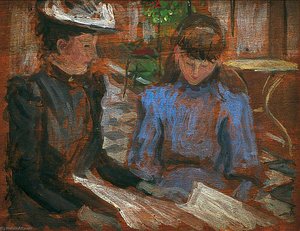
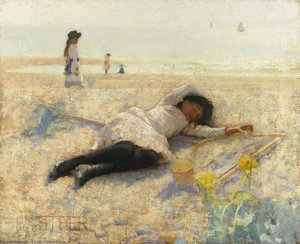


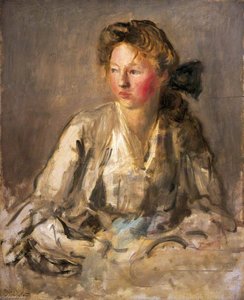

Biografija umetnika
Rani Život i Utemeljivanje Umetničkih Osnova
Filip Vilson Stir, rođen u Birkenhedu 1860. godine, poticao je iz porodice duboko ukorenjene u umetnički svet – njegov otac bio je portretista i posvećeni učitelj crtanja. Ovo rano izlaganje se pokazalo formativnim, negujući osetljivost koja će definisati njegov životni put. Preseljenje u Vičerč blizu Monmuta kada je imao samo tri godine usađuje vezu sa britiskom ruralnom sredinom koja će odjekivati kroz ceo njegov opus. Njegovo formalno obrazovanje započelo je u Hereford Cathedral School, pružajući mu osnovnu podlogu pre nego što se potpuno posvetio svojim umetničkim ambicijama. Stirino usavršavanje je nastavljeno na Gloucester School of Art i South Kensington Drawing Schools, ali je njegov boravak u Parizu između 1880. i 1884. godine bio zaista transformativan. Studirajući na Académie Julianu, a kasnije pod Aleksandrom Kabanelem na École des Beaux Arts, susreo se sa svetom punim novih ideja i pristupa slikanju.Prihvatanje Impresionizma i Karakteristični Stil
Pariz je postao ključna tačka za Stirin umetnički razvoj. Bio je duboko potresen delima Edgara Manea i Džejmsa Meknila Vislera, upijajući njihove inovativne tehnike u hvatanju svetlosti, boje i atmosfere. Ovo izlaganje je zapalilo strast za impresionizmom, ali nikada ga nije jednostavno kopirao. Stir je vešto spojio ove francuske uticaje sa svojim urođenim engleskim osetljivostima, kujući stil jedinstven za njega. Njegove slike karakteriše izvanredna sposobnost da uhvate prolazne trenutke – igru sunčeve svetlosti na vodi, efemernu kvalitetu obalskog vazduha. Koristio je labave poteze četkom i vibrantne boje ne samo da bi prikazao scene, već i da izazove emocije i stvori impresivan osećaj neposrednosti. Ponavljajuće teme u njegovom radu uključuju prizore sa plaže i morski pejzaž, često okupane srebrnom, prozirnom svetlošću, demonstrirajući majstorstvo prikazivanja svežine i sjaja ovih sredina. Dela kao što je Soba za Muziku, rano u njegovoj karijeri, pokazuju njegov rastući veštinu u kompoziciji i svetlu, dok dela poput Devojke Trče: Walberswick Pier eksplodiraju energijom i živahnošću obalskog grada Sufoka.Prvak Moderne Umetnosti i Uticaj Etaplea
Stir nije bio zadovoljan samo slikanjem; aktivno je oblikovao umetnički pejzaž Britanije. Imao je ključnu ulogu u osnivanju New English Art Cluba, organizacije posvećene promovisanju moderne umetničke ekspresije – hrabar potez u vreme kada su tradicionalni ukusi i dalje dominirali. Kroz ovu platformu i redovne izložbe u Royal Academy, uključujući učešće u revolucionarnoj London Impressionist Exhibition 1889. godine, pomogao je da se predstave nove ideje i ospore konvencionalne norme. Njegovo vreme provedeno u umetničkoj koloniji Etaples 1887. godine dodatno usavršilo je njegovu umetničku viziju. Ova živahna zajednica umetnika pružila je stimulativnu sredinu za eksperimentisanje i saradnju, učvršćujući njegovu sposobnost da uhvati svetlost i atmosferu sa sve većom nijansom i veštinom. Stir se inspirisao raznolikim majstorima – Džon Konstabl, Vilijam Turner, pa čak i Fransoa Buše – ali je ove uticaje uvek filtrirao kroz sopstvenu jedinstvenu perspektivu.Nasleđe, Priznanje i Trajni Uticaj
Filip Vilson Stir je nastavio da slika plodonosno sve dok zdravstveni problemi nisu naterali ga da prestane 1940. godine, preminuvši dve godine kasnije u dobi od 81 godine. Njegovi doprinosi su bili široko priznati tokom njegovog života, kulminirajući sa Ordenom Zasluge. Danas se njegova dela čuvaju u prestižnim kolekcijama širom sveta, uključujući Tate Gallery i čak Uffizi Galeriju – svedočeći o njegovom međunarodnom priznanju. Osim samih slika, Stirino nasleđe se proteže kroz njegov dug staž kao učitelj slikanja na Slade School of Art. Mnogo godina je duboko uticao na generacije mladih umetnika, prenoseći ne samo tehničke veštine, već i duboku zahvalnost za posmatranje i umetnički integritet. Njegov doprinos razvoju i prihvatanju impresionizma u Britaniji je neporeciv, učvršćujući njegov položaj kao značajnu figuru u britanskoj istoriji umetnosti – slikara koji je uspešno premostio jaz između tradicije i modernosti, ostavljajući trajni pečat na pejzažu britanske umetnosti. Značajna dela poput Oporavljenik, sa svojim bogatim teksturama i evociranim pogledom, i Tema u Ludlou, koja ističe mirnu lepotu i majstorstvo četkom, nastavljaju da očaravaju publiku danas, demonstrirajući vanvremensku kvalitetu njegove umetničke vizije.
Filip Vilson Stir
1860 - 1942 , Velika Britanija
Kratke informacije
- Artistic Movement Or Style: Impresionizam
- Artists Or Movements Influenced By This Artist: ['Britanski impresionizam']
- Artists Who Influenced This Artist:
- Manet
- Whistler
- Constable
- Date Of Birth: 1860
- Date Of Death: 1942
- Full Name: Philip Wilson Steer
- Nationality: Britanski
- Notable Artworks:
- The Music Room
- Girls Running
- Convalescent
- Place Of Birth (City And Country): Birkenhead, UK