


 Pregledaj u prostoru
 Pošalji
 Podeli
 Detalji o delu
 Vodič
Vodič

 Preuzmi
 Slični predmeti
 Rendgenski snimak
 Automatska prezentacija
 Statistika
Landscape at Essoyes


Renoir’s serene ‘Landscape at Essoyes’ captures a peaceful village scene in the Impressionist style, showcasing a charming red-roofed house and lush greenery – perfect for art lovers to discover or own this timeless masterpiece.
 Pročitaj više
Otkrijte Pierre-Auguste Renoara, impresionističkog majstora poznatog po slikovitim portretima i prizorama pariškog života! Uživajte u njegovim radovima poput 'Plesa u Mölanu de la Galete' i otkrijte lepotu i svetlost u svakoj potezi.
Giclee štampa / Umetnički otisak
Giclée štampa ili print na platnu muzejskog kvaliteta uz brzu izradu i raznovrsne opcije završne obrade. ( Kupite ručno oslikano delo Pređi na digitalnu sliku)




P118B дин10

P118H дин10

P118W дин10

P438Z дин10

P508JH дин12

P508YH дин12

P805H дин10

P805Z дин10

P919BZ дин10

P919G дин10

P919XJ дин10

P959ZH дин10

P968JZ дин12

W106C дин8

W218G дин10

W218JH дин8

W218Y дин10

W307PJ дин10

W316G дин10

W316PJ дин8

W316Y дин10

W398PJ дин8

W4111J дин10

W500HY дин15

W500JH дин15

W692G дин12

W849H дин8

W940BG дин15

W953PJ дин8




Standardne dimenzije
po meri
CM
INCH
Izaberite jednu od naših unapred definisanih veličina koje odgovaraju originalnim proporcijama umetničkog dela.
Loading sizes...

širina
visina
Unesite željenu širinu i visinu kako bi se štampa uklopila u vaš ram ili zid. Štampu je moguće samo iseći, ali nikada povećati iznad dimenzija originalne slike, stoga format sa drugačijim proporcijama uzrokuje gubitak dela slike. Pre početka štampe, poslaćemo vam digitalni prikaz radi potvrde. Slika prikazana na ovoj stranici ne predstavlja stvarni isrez — to pokazuje samo digitalni prikaz.
Dostava širom sveta () za 2 nedelje umesto uobičajenih 4/5 nedelja. (28 октобар)

Besplatna ekspresna dostava širom sveta

Visokokvalitetno laneno platno

Potpuno osiguranje transporta

Garancija povraćaja carine i uvoznih dažbina

Garancija vernosti boja

Politika povraćaja u roku od 100 dana (samo u slučaju nedostataka)

Garancija povrata 100% novca

Popust na više proizvoda
 Opcija sa staklom dostupna je samo za dimenzije manje od 110 cm

Landscape at Essoyes
Giclee štampa / Umetnički otisak
Dimenzije reprodukcije
-


Ukupna cena
дин 7129
A Moment of Tranquility in Essoyes – Renoir’s Pastoral Vision
Pierre-Auguste Renoir's Landscape at Essoyes offers a captivating glimpse into the heart of rural France, circa 1880s. This idyllic scene, rendered with the master Impressionist’s signature light and color, depicts a small village nestled amongst rolling hills and verdant trees – a world far removed from the bustling Parisian studios that defined much of his career. The painting's subject matter reflects Renoir’s lifelong fascination with capturing fleeting moments of beauty and human connection, a theme deeply rooted in his personal experiences and artistic sensibilities. Essoyes itself, a charming town in the Meuse Valley, provided Renoir with an ideal setting to explore the effects of light and atmosphere, elements he would later masterfully employ across his oeuvre.
- Subject Matter: A quintessential landscape featuring a quaint village, characteristic buildings, and abundant natural elements.
- Composition: The arrangement subtly guides the viewer’s eye through the scene, drawing attention to the central red-roofed house and the figures engaged in quiet activity.
Impressionistic Technique – Light, Color, and Atmosphere
Renoir's technique in Landscape at Essoyes is a quintessential example of Impressionism. He eschews precise detail in favor of capturing the *impression* of light and color, utilizing broken brushstrokes to create a shimmering effect. The palette is dominated by soft greens, blues, and pinks, skillfully blended to evoke the warmth of sunlight filtering through the trees. Notice how he doesn't meticulously render each leaf or building; instead, he uses dabs and strokes of paint to suggest form and texture, prioritizing the overall atmospheric quality of the scene. This approach was revolutionary at the time, challenging the academic tradition of detailed realism and paving the way for modern art.
Historical Context – The Rise of Impressionism
Painted during a period of significant artistic innovation, Landscape at Essoyes reflects the burgeoning Impressionist movement in France. Following the establishment of the Salon des Refusés in 1863, which showcased works rejected by the official Salon, artists began to challenge traditional academic conventions. Renoir, along with Monet and others, embraced plein air painting – working outdoors directly from nature – and experimented with new techniques for capturing light and color. This shift was fueled by scientific advancements, particularly in optics, which revealed the way our eyes perceive color and light. The painting embodies this spirit of experimentation and a desire to represent the world as it is truly seen, rather than as it is imagined.
Symbolism and Emotional Impact – A Sense of Peace
Beyond its technical brilliance, Landscape at Essoyes possesses a profound emotional resonance. The serene atmosphere, the quiet figures, and the harmonious composition evoke a sense of peace and tranquility. The red-roofed house, a traditional symbol of home and hearth, anchors the scene and suggests a timeless quality. Renoir’s ability to capture such a palpable feeling of serenity is testament to his artistic skill and his deep understanding of human emotion. This painting invites viewers to step into this idyllic world and experience a moment of respite from the pressures of modern life – a truly enduring legacy of one of Impressionism's greatest masters.
Pitanja i odgovori
Da li je „Landscape at Essoyes”, autor Pjer Ogist Renoar portret, pejzaž ili kvadratna kompozicija?
Format dela "Landscape at Essoyes" je Panoramic, što vam može biti od pomoći prilikom planiranja prostora u kojem ćete postaviti reprodukciju.
Postoji li vodič za „Landscape at Essoyes”, autor Pjer Ogist Renoar?
Vodič za "Landscape at Essoyes" je stranica Vodič za učenike za ovo umetničko delo – štampani informativni list koji prikazuje delo sa njegovim opisom, podacima o autorstvu i identifikacionom tabelom (umetnik, datumi, tehnika, originalna veličina, kolekcija).
Koja veličina reprodukcije se preporučuje za „Landscape at Essoyes”, autor Pjer Ogist Renoar?
Preporučena veličina štampe za „Landscape at Essoyes”, autor Pjer Ogist Renoar je Large.
Srodna umetnička dela


Biografija umetnika
Pierre-Auguste Renoir: Svet obasjan svetlom i radosti
Rođen 1841. godine u Limogeu, malom gradu na jugu Francuske, Pierre-Auguste Renoir je krenuo put slavu iz neobičnih početaka – kao mladić koji je radio sa porcelanom. Ta skromna pozadina nije ga sprečila da postane jedan od najznačajnijih slikara impresionizma, čovek koji je proslavio jednostavne radosti života i ženske lepote svojim živopisnim kompozicijama. Preseljenje porodice u Pariz, potraga za boljim životom, otvorila su mladom Renoiru vrata sveta umetnosti. Ubrzo se našao u srcu grada koji pulsira kreativnošću, gde je upijao atmosferu i inspiraciju koja će ga definisati kao umetnika. Iako je prvobitno morao da zaradi za život oslikavajući porculan, njegova strast prema slikarstvu bila je neukaljiva. Posete Louvru postale su ritual, a studiranje majstora prošlosti – temelj njegovog budućeg stila. Učešće u radionicama Charlesa Gleyrea i susreti sa budućim impresionistima kao što su Monet, Sisley i Bazille bili su ključni za formiranje njegove umetničke vizije i pokretanja revolucionarnog talasa u slikarstvu.Od realizma do blistavih impresija: Evolucija stila
Renoir je svoju umetničku putanju započeo pod uticajem realista, divio se iskrenosti i direktnosti Gustavea Courbeta i Édouarda Maneta. Međutim, upravo su radovi Rubensa i Watteaua, sa njihovim sjajnim paletama i senzualnim formama, ostavili najdublji trag na njegovu umetnost. Te rane uticaje sjedinio je u sopstveni jedinstveni stil, karakterističan po živopisnim bojama, razbijenim potezima kista i fokusiranju na hvatanje prolaznih efekata svetlosti. Učešće na prvoj impresionističkoj izložbi 1874. godine predstavljalo je prekretnicu – hrabar korak u odbacivanju akademskih konvencija i prihvatanje novog umetničkog izraza, koji je nastojao da uhvati ne samo ono što oko vidi, već i kako se osećamo dok doživljavamo određeni trenutak. Slike poput Ples na Moolnu de la Galete (1876) savršeno ilustruju ovaj pristup, uranjajući gledaoca u živopisnu atmosferu pariškog noćnog života sa svojim razbijenim sunčanim zracima i veselim likovima.Hvatanje prolaznih trenutaka: Ključna dela i teme
Renoir je posvetio svoj rad slavlju jednostavnih životnih zadovoljstava – intimnim susretima, obasjanih suncem pejzažima i zagonetnoj lepoti ljudskog tela. Ručak na čamcu (1880-81) predstavlja možda jednu od njegovih najpoznatijih slika, prikazujući veselu družinu koja uživa u opuštenom popodnevnom izletu na Seni. Slike je majstorski uhvaćena igra svetlosti i pokreta, a figure su obasjane toplim sunčanim zracima, a odrazi se prelamaju na vodi. Posle kupanja (1885-87) demonstrira Renoiru izuzetan talenat u portretisanju ženskog nagog tela, naglašavajući nežne tonove kože i graciozne poze. Njegove slike nisu samo reprezentacije stvarnosti; one su prožete toplinom, intimnošću i radošću koja duboko rezonuje sa posmatračima. On nije bio zainteresovan za grandiozne istorijske priče ili dramatične alegorije; umesto toga se fokusirao na lepota koja je prisutna u svakodnevnom životu, uzvišujući obične trenutke u dela umetnosti. Ples na Bougivalu, još jedno slavno delo, pokazuje njegovu sposobnost da uhvati prolazne utiske i atmosferske efekte, stvarajući osećaj pokreta i spontanosti.Promena prema formi i strukturi: Godine zrelosti i nasleđe
U 1890-im godinama Renoirjev stil doživeo je značajnu transformaciju. Iako nikada u potpunosti nije napustio svoje impresionističke korene, počeo je da teži ka skulpturalnijem i klasičnijem pristupu, pod uticajem putovanja u Italiju i obnovljenog interesovanja za formu i strukturu. Ta promena bila je delimično uslovljena fizičkim ograničenjima – artritis mu je postepeno smanjivao mobilnost, što ga je nateralo da prilagodi svoju tehniku. Uprkos tim izazovima, Renoir je nastavio da slika sa neumornom predanošću, stvarajući dela karakteristična za punije figure i topliju paletu boja. Njegove kasnija dela često odražavaju kontemplativnije raspoloženje, ali zadržavaju istu osnovnu proslavu lepote koja je definisala njegov raniji rad. Pored svojih umetničkih postignuća, Renoirovo nasleđe se proteže i na njegovu porodicu; njegov sin, Žan Renoir, postao je poznati filmski reditelj, nastavljajući kreativni duh kroz generacije. Pierre-Auguste Renoir preminuo je 1919. godine, ostavivši iza sebe trajno delo koje i dalje inspiriše i obraduje publiku širom sveta. Ostaje jedna od najomiljenijih figura u istoriji umetnosti, slavljen zbog svoje sposobnosti da uhvati radost života i lepotu ljudskog iskustva sa nezadržljivom osetljivošću i gracioznošću.Trajno uticaj
- Renoir’s influence on subsequent generations of artists is undeniable. His emphasis on light, color, and capturing fleeting moments paved the way for many modern artistic movements.
- His celebration of beauty and sensuality continues to resonate with audiences today, making his work universally appealing.
- He played a pivotal role in establishing Impressionism as a major force in art history, challenging traditional conventions and opening up new possibilities for artistic expression.
- The enduring popularity of his paintings – reproduced on countless posters, calendars, and other merchandise – testifies to the timeless quality of his work.

Pjer Ogist Renoar
1841 - 1919 , Francuska
Osnovne informacije
- Datum Rođenja: 25. februar 1841.
- Datum Smrti: 3. decembar 1919.
- Mesto Rođenja: Limoges, Francuska
- Nacionalnost: Francuski
- Pokreti/Umetnici Pod Uticajem: ['Impresionizam']
- Puno Ime: Pierre-Auguste Renoir
- Umetnički Pokret: Impresionizam
- Uticajni Umetnici:
- Rubens
- Watteau
- Courbet
- Manet
- Značajna Dela:
- Ples u Mölanu la Galet
- Ručak veslača
- Posle kupanja
- Ples u Bugivalu
Povezani članci

The Magic of Giclée: Bringing Impressionist Masterpieces to Your Walls with Vivid Detail
Discover the breathtaking beauty of Impressionist masterpieces with our museum-quality Giclée prints. Experience vivid detail, archival pigments, and the luminous light of Monet and Van Gogh, expertly preserved to bring timeless elegance and sophisticated artistry into your home.

Beyond the Light: Capturing Raw Emotion and Subjective Vision in Post-Impressionist Landscapes
Explore the profound emotional depth of Post-Impressionist landscapes. Discover how masters like Van Gogh moved beyond light to capture raw human feeling through vibrant color and expressive texture in this expert art history retrospective.
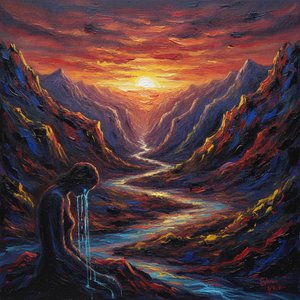
Capturing Emotion: A Journey Through the Soul of Expressionist Landscapes
Explore the profound emotional depth of Expressionist landscapes. Discover how Post-Impressionist masters moved beyond light to capture the soul through vibrant color and form. A curated journey for true art lovers seeking the beauty of expressive mastery.

The Magic of Lithography: Capturing Light and Texture in Every Impressionist Print
Discover the enchanting world of lithography through an Impressionist lens. Explore how this timeless technique captures the luminous light and delicate textures of masters like Monet and Renoir, offering a profound way to bring art history into your home with elegance and soul.
Istražite umetnička dela organizovana prema temama, stilovima i karakteristikama.


