

 Pregledaj u prostoru
 Pošalji
 Podeli
 Detalji o delu
 Vodič
Vodič

 Preuzmi
 Slični predmeti
 Rendgenski snimak
 Automatska prezentacija
 Q&A
Q&A Statistika
Family in garden


Discover Pierre Bonnard’s "Family in Garden," a vibrant Impressionistic painting bursting with color & light. Explore its loose brushstrokes & joyful summer scene – a timeless piece of art.
 Pročitaj više
Pierre Bonnard je francuski impresionista poznat po svojim intimnim scenama i živim bojama koji su oblikovali umetnički stil Intimizma. Posmatrajte njegove ikonike slike poput "Ženu u kockastom haljotu"!
Giclee štampa / Umetnički otisak
Giclée štampa ili print na platnu muzejskog kvaliteta uz brzu izradu i raznovrsne opcije završne obrade. ( Kupite ručno oslikano delo Pređi na digitalnu sliku)




P118B дин10

P118H дин10

P118W дин10

P438Z дин10

P508JH дин12

P508YH дин12

P805H дин10

P805Z дин10

P919BZ дин10

P919G дин10

P919XJ дин10

P959ZH дин10

P968JZ дин12

W106C дин8

W218G дин10

W218JH дин8

W218Y дин10

W307PJ дин10

W316G дин10

W316PJ дин8

W316Y дин10

W398PJ дин8

W4111J дин10

W500HY дин15

W500JH дин15

W692G дин12

W849H дин8

W940BG дин15

W953PJ дин8




Standardne dimenzije
po meri
CM
INCH
Izaberite jednu od naših unapred definisanih veličina koje odgovaraju originalnim proporcijama umetničkog dela.
Loading sizes...

širina
visina
Unesite željenu širinu i visinu kako bi se štampa uklopila u vaš ram ili zid. Štampu je moguće samo iseći, ali nikada povećati iznad dimenzija originalne slike, stoga format sa drugačijim proporcijama uzrokuje gubitak dela slike. Pre početka štampe, poslaćemo vam digitalni prikaz radi potvrde. Slika prikazana na ovoj stranici ne predstavlja stvarni isrez — to pokazuje samo digitalni prikaz.
Dostava širom sveta () za 2 nedelje umesto uobičajenih 4/5 nedelja. (1 новембар)

Besplatna ekspresna dostava širom sveta

Visokokvalitetno laneno platno

Potpuno osiguranje transporta

Garancija povraćaja carine i uvoznih dažbina

Garancija vernosti boja

Politika povraćaja u roku od 100 dana (samo u slučaju nedostataka)

Garancija povrata 100% novca

Popust na više proizvoda
 Opcija sa staklom dostupna je samo za dimenzije manje od 110 cm

Family in garden
Giclee štampa / Umetnički otisak
Dimenzije reprodukcije
-


Ukupna cena
дин 7191
A Symphony of Light and Leisure
In the sun-drenched realm of Pierre Bonnard’s "Family in Garden," the boundaries between the domestic sphere and the natural world dissolve into a breathtaking display of Impressionistic brilliance. This captivating masterpiece invites the viewer into a lush, verdant sanctuary where a lively social gathering unfolds amidst the dappled shadows of a summer afternoon. The composition is a masterclass in movement; it does not merely depict a scene but captures the very essence of a fleeting moment. Figures—men, women, and children—are woven into the tapestry of greenery, their forms suggested through rhythmic, broken brushstrokes that prioritize the sensation of light over the rigidity of line. As one gazes upon this garden setting, there is an immediate sense of being present at a private, joyful celebration, where the air feels warm and the atmosphere is thick with the sweet scent of blooming flora.
The technique employed by Bonnard is nothing short of transformative, utilizing a rich and saturated palette that breathes life into every inch of the canvas. Dominated by vibrant greens and luminous yellows, the painting is punctuated by delicate whispers of pink, azure, and earthy browns, creating a chromatic harmony that feels both organic and intentional. Through the skillful layering of thin paint washes, Bonnard achieves a translucent, glowing effect, as if the sunlight itself were trapped beneath the surface of the oil. This approach creates a tactile quality where the texture of the brushwork contributes to the painting's depth, allowing the eye to wander through layers of foliage and light. The perspective is intentionally flattened, a hallmark of the Post-Impressionist spirit, which serves to emphasize the decorative beauty of the pattern and the overwhelming abundance of nature.
The Intimacy of the Intimist Style
Beyond its technical prowess, "Family in Garden" serves as a profound exploration of Bonnard’s signature Intimist style. This movement, which sought to find the extraordinary within the ordinary, is perfectly encapsulated here through the depiction of quiet, domestic bliss. The symbolism within the piece is subtle yet deeply resonant; the garden acts as a metaphor for a protected, Edenic space where human connection flourishes undisturbed by the outside world. The arrangement of the figures around a table suggests the ritual of shared meals and communal joy, reinforcing themes of social cohesion and the enduring beauty of simple pleasures. For the collector or interior designer, this work offers more than mere decoration; it provides an emotional anchor of serenity and warmth.
Integrating such a vibrant piece into a living space can fundamentally alter the energy of a room, bringing an infusion of vitality and a sense of perennial summer. The painting’s ability to evoke both nostalgia and present-moment awareness makes it a timeless choice for those seeking to surround themselves with art that inspires peace and contemplation. Whether placed in a sunlit gallery or a sophisticated modern study, "Family in Garden" remains a testament to Bonnard's unparalleled ability to bathe the world in light, offering an eternal window into a moment of pure, unadulterated happiness.
Pitanja i odgovori
O kakvom se delu radi u "Family in garden"?
"Family in garden" je delo u tehnici WallArt.
Kakav osećaj prenosi „Family in garden”, autor Пијер Боннар?
Zabeleženo raspoloženje dela „Family in garden”, autor Пијер Боннар je Playful, a njegov emocionalni ton je Joyful.
Mogu li da vidim „Family in garden”, autor Пијер Боннар na svom zidu pre kupovine?
„Family in garden“ ima pregled proširene stvarnosti: na stranici AR prikaz možete videti umetničko delo u sopstvenom prostoru pomoću kompatibilnog uređaja.
Srodna umetnička dela


Biografija umetnika
Pierre Bonnard (1867-1947): A Life Bathed in Light
Pierre Bonnard, geboren 1867 in der Pariser Vorstadt Fontenay-aux-Roses, war kein Mann für ein Leben voller künstlerischer Ausdruckskraft. Sein Vater, ein hochrangiger Beamter im französischen Verteidigungsministerium, sah seinem Sohn eine juristische Karriere vor. Junge Pierre verfolgte diese Ausbildung ernsthaft und erhielt seinen Abschluss im Jahr 1888, doch sein Herz lag anders – in der faszinierenden Welt von Farbe und Form. Diese Dichotomie, dieser Spannungsbogen zwischen Erwartung und Leidenschaft würde subtil Einfluss auf seine künstlerische Reise haben und ihm eine einzigartige Nähe zu seinem Werk verleihen. Er begann zunächst mit Karikaturen und entwickelte damit eine Beobachtungsgabe, die später zu exquisit wiedergegebenen häuslichen Szenen aufblühte. Allerdings fand Bonnard in der Académie Julian seinen Weg und begegnete dort Gleichgesinnten, die sich von akademischen Konventionen abwanderten und den Avantgarde Geist einfuhren, der durch Paris zog. Diese Begegnung führte ihn zu den Nabis – einer Gruppe von Künstlern, darunter Maurice Denis, Paul Sérusier und Édouard Vuillard –, die Kunst mit Spiritualität und Symbolismus erfüllten und über reine Darstellung hinaus eine Erforschung innerer Erfahrung suchten.Die Nabi Jahre und die Pflege der Intimität
Die Zusammenarbeit mit den Nabis stellte Bonnards künstlerische Entwicklung entscheidend sicher. Die Gruppens Betonung von flachen Formen, kräftigen Farbpaletten und einer Ablehnung perspektivistischer Tradition resonierte tief in seinen künstlerischen Sensibilitäten. Inspiriert von japanischen Drucken – ihren eleganten Linien und harmonischen Kompositionen – und der Symbolismus Bewegung’s Erforschung subjektiver Emotionen entwickelte Bonnard seinen unverwechselbaren Stil weiter. Er interessierte sich nicht für große Erzählungen oder historische Allegorien; stattdessen wandte er sich innerlich zu und konzentrierte sich auf die ruhigen Momente des Alltagsliebes: Eine Frau beim Baden, eine Familie zum Abendessen versammelt, ein sonnenbeschienenes Gartenstück. Diese Szenen waren nicht nur Darstellungen von Ereignissen, sondern Destillationen von Gefühl – Erinnerungen und Atmosphäre gefiltert durch das Prisma persönlicher Erfahrung. Dieser Fokus auf häusliche Intimität erhielt ihm den Titel „Intimist“ – ein Begriff, der perfekt die emotionale Resonanz seines Werkes einfängt. Seine Gemälde erzählen nicht *was* dargestellt wird, sondern *wie* es sich anfühlt, präsent zu sein in diesen Momenten. Er arbeitete von Erinnerung aus und zeichnete umfassend auf und übersetzte diese Eindrücke dann mit außergewöhnlicher Sensibilität für Licht und Farbe auf die Leinwand.Farbe als Emotion: Ein Meister Farbist
Bonnards Meisterhafte Verwendung von Farbe ist zweifellos sein prägendstes Merkmal. Er verwendete Farbe nicht einfach; er *fühlte* sie, ließ sie den Ton und die Atmosphäre seiner Gemälde bestimmen. Seine Palette war lebendig und doch nuanciert und setzte oft unerwartete Kombinationen ein, die einen Eindruck von schimmernder Luminosität erzeugten. Er würde seine fertigen Leinwände wiederholt besuchen und korrigierte Farben über mehrere Werke hinweg, um perfekte Harmonie zu erreichen – ein Beweis für seine obsessive Hingabe zum chromatischen Gleichgewicht. Das ging nicht um eine realistische Darstellung; es ging darum, die subjektive Erfahrung von Farbe einzufangen – ihre Fähigkeit, Emotionen und Erinnerungen hervorzurufen. Er wandte sich von direkter Beobachtung ab und bevorzugte stattdessen das Malen aus der Erinnerung heraus, was ihm ermöglichte, seine Szenen mit einer traumhaften Qualität zu erfüllen. Seine Landschaftsbilder waren nicht nur Darstellungen von Orten, sondern emotionale Antworten darauf – gefiltert durch das Prisma persönlicher Erfahrung.Späteres Leben und Erblegende Bedeutung
Mit zunehmendem Alter verschob sich Bonnards künstlerischer Fokus noch stärker auf die Erforschung von Farbe und Licht. Er verbrachte immer mehr Zeit im südlichen Frankreich und ließ sich von der mediterranen Landschaft und ihrer intensiven Luminosität faszinieren. Seine Beziehung zu Marthe de Meligny, seiner Frau und lebenslangen Muse, blieb zentral für sein Leben und Werk. Sie erschien häufig in seinen Gemälden und wurde oft beim Baden oder bei alltäglichen Aktivitäten dargestellt – ihre Präsenz strahlte eine ruhige Anmut und Intimität aus. Im Jahr 1912 erwarb er „La Roulotte“ in Vernonnet, nahe Giverny, und gründete eine enge Freundschaft mit Claude Monet. Diese Nähe zum Meister des Impressionismus förderte Bonnards weitere Erforschung von Licht und Farbe weiter – obwohl er stets seinen eigenen unverwechselbaren künstlerischen Blick bewahrte. Er malte bis kurz vor seinem Tod im Jahr 1947 fort und hinterließ ein Werkkörper, das weiterhin fasziniert und inspiriert.Bekannte Werke & Sammlungen
- Frau in Schachbrettmuster (1890): Ein frühes Beispiel seines Nabi-inspirierten Stils, der flache Formen und kräftige Farbkompositionen zeigt.
- Das Esszimmer (1913): Eine quintessenzielle Intimist Szene, die Wärme und Intimität des häuslichen Lebens einfängt.
- Schüssel mit Früchten (ca. 1933): Demonstriert seine Meisterschaft der Stilllebenmalerei mit lebendigen Farben und einem Eindruck von lichtdurchfluteter Tiefe.
- Die Mandelbaumblüte (1947): Eines seiner letzten Gemälde, das kurz vor seinem Tod fertiggestellt wurde und seine kontinuierliche Erforschung von Farbe und Licht zeigte.
- Musée Marmottan Monet, Paris
- Kunstmuseum Chicago
- Museum of Modern Art, New York City
- Tate Modern, London

Пијер Боннар
1867 - 1947 , Франција
Osnovne informacije
- Artistic Movement Or Style: Postimpresionizam, Intimizam
- Artists Or Movements Influenced By This Artist: ['Les Nabis']
- Artists Who Influenced This Artist:
- Paul Gauguin
- Hokusai
- Date Of Birth: 1867-10-03
- Date Of Death: 1947-01-23
- Full Name: Pierre Bonnard
- Nationality: Francuski
- Notable Artworks:
- Žena u kockastom haljotu
- Oraonica u cvjetu naranče
- Place Of Birth: Fontenay-aux-Roses, France
Povezani članci
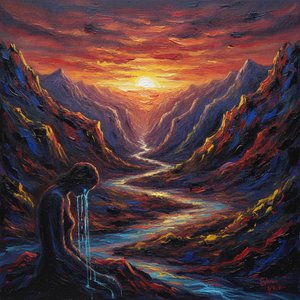
Capturing Emotion: A Journey Through the Soul of Expressionist Landscapes
Explore the profound emotional depth of Expressionist landscapes. Discover how Post-Impressionist masters moved beyond light to capture the soul through vibrant color and form. A curated journey for true art lovers seeking the beauty of expressive mastery.

The Soul of Impressionism: Why Oil on Canvas Captures Eternal Light and Timeless Emotion
Discover the enchanting alchemy of Impressionism. Explore how the mastery of oil on canvas, through glazing and impasto, captures eternal light and emotion. Perfect for lovers of Monet and Van Gogh seeking the profound depth of hand-painted fine art.
Istražite umetnička dela organizovana prema temama, stilovima i karakteristikama.


