


 Pregledaj u prostoru
 Podeli
 Podeli
 Detalji
 Vodič
Vodič

 Preuzmi sliku
 Slični predmeti
 Rendgenski snimak
 Automatska prezentacija
 Statistika
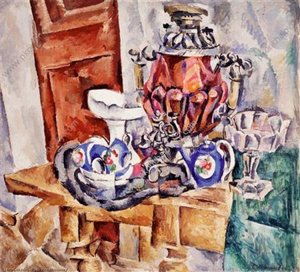
Still Life with a Coffeepot
 Oil On Canvas
- WallArt
- Fauvism
 1919
1919- Modern
 105.0 x 108.0 cm
Experience Konchalovsky's 'Still Life with a Coffeepot,' a vibrant 1919 Fauvist masterpiece! Bold colors & Cubist influences create a harmonious, balanced scene.
 Pročitaj više
Piotr Končalovski (1876-1956) – ruski slikar koji je spojio impresionizam, fauvizam i socijalistički realizam. Istražite njegove pejzaže, portrete i ključna dela ruskog avangarda!
Giclee štampa / Umetnički otisak
Giclée štampa ili print na platnu muzejskog kvaliteta uz brzu izradu i raznovrsne opcije završne obrade. ( Naručite ručno oslikano reprodukciju Pređi na prodaju digitalnih slika)




P118B дин10

P118H дин10

P118W дин10

P438Z дин10

P508JH дин12

P508YH дин12

P805H дин10

P805Z дин10

P919BZ дин10

P919G дин10

P919XJ дин10

P959ZH дин10

P968JZ дин12

W106C дин8

W218G дин10

W218JH дин8

W218Y дин10

W307PJ дин10

W316G дин10

W316PJ дин8

W316Y дин10

W398PJ дин8

W4111J дин10

W500HY дин15

W500JH дин15

W692G дин12

W849H дин8

W940BG дин15

W953PJ дин8




Standardne dimenzije
po meri
CM
INCH
Izaberite jednu od naših unapred definisanih veličina koje odgovaraju originalnim proporcijama umetničkog dela.
Loading sizes...

širina
visina
Unesite širinu i visinu koja vam je potrebna, kako bi se uklopili u vaš ram ili na vaš zid. Štampa se može samo iseći, nikada ne može biti veća od originalne slike, stoga format sa drugačijim proporcijama gubi deo slike. Poslaćemo vam digitalni prikaz radi potvrde pre nego što započnemo štampu. Slika prikazana na ovoj stranici ne pokazuje stvarni rez — to pokazuje samo digitalni prikaz.
Dostava širom sveta () za 2 nedelje umesto uobičajenih 4/5 nedelja. (25 октобар)

Besplatna ekspresna dostava širom sveta

Visokokvalitetno laneno platno

Sveobuhvatno osiguranje transporta

Garancija povraćaja carine i uvoznih dažbina

Garancija vernosti boja i autentičnosti pri reprodukciji

Politika povraćaja u roku od 100 dana (samo u slučaju nedostataka)

Garancija povrata 100% novca

Popust pri većoj količini
 Opcija sa staklom dostupna je samo za dimenzije manje od 110 cm

Still Life with a Coffeepot
Giclee štampa / Umetnički otisak
Veličina reprodukcije
-


Ukupna cena
дин 7114
Still Life with a Coffeepot: A Fauvist Celebration of Everyday Objects
Pyotr Konchalovsky’s Still Life with a Coffeepot, painted in 1919, is a vibrant and captivating example of the Fauvist movement. Measuring 105 x 108 cm, this artwork transcends a simple depiction of domestic items; it's an exploration of color, form, and the expressive potential of paint itself.
Composition and Subject Matter
The painting presents a carefully arranged still life set upon a table draped with a warm yellow cloth. The scene is populated with familiar objects: a blue vase brimming with flowers, a small white bowl holding green fruits (likely limes), and the titular yellow teapot. These elements are not rendered with photographic realism but rather simplified and stylized to emphasize their inherent shapes and colors. The background, painted in varying shades of blue, provides a cool counterpoint to the warmer tones dominating the foreground, creating visual balance and depth. The arrangement isn't haphazard; it demonstrates Konchalovsky’s skill in orchestrating a harmonious composition that guides the viewer's eye across the canvas.
Fauvist Style and Influences
Konchalovsky was deeply influenced by French Impressionism and, most notably, Fauvism. The term "Fauve" (meaning “wild beast”) was applied to artists who utilized bold, non-naturalistic colors and expressive brushstrokes. Still Life with a Coffeepot exemplifies these characteristics. The colors are not used to accurately represent the objects but rather to evoke emotion and create visual impact. The visible brushwork adds texture and dynamism to the painting, further distancing it from traditional realism. One can also detect echoes of Paul Cézanne’s influence in Konchalovsky's approach to form and structure, particularly in the way he simplifies shapes and explores spatial relationships.
Historical Context and Artistic Significance
Created in 1919, shortly after the Russian Revolution, this painting reflects a period of significant social and artistic upheaval. Konchalovsky was a member of the Jack of Diamonds group, a collective of artists who actively challenged traditional representational art forms. This group sought to introduce modern European trends – particularly Fauvism and Cubism – into the Russian art scene. Still Life with a Coffeepot stands as a testament to this artistic rebellion, showcasing Konchalovsky’s contribution to the development of Fauvism within the context of Russian art. It represents a move away from academic conventions towards a more expressive and subjective approach to painting.
Emotional Impact and Lasting Appeal
Beyond its historical significance, Still Life with a Coffeepot possesses an undeniable emotional appeal. The vibrant colors and dynamic brushstrokes create a sense of energy and vitality. While the subject matter is commonplace – everyday objects found in a home – Konchalovsky elevates it to something extraordinary through his artistic vision. The painting evokes feelings of warmth, comfort, and perhaps even a touch of nostalgia. It’s a celebration of the beauty that can be found in the ordinary, rendered with an exuberance that continues to captivate viewers today.
Pitanja i odgovori
Koju emociju prenosi „Still Life with a Coffeepot”, Petar Končalovski?
„Still Life with a Coffeepot“ je povezano sa Reflective osećajem. Emocionalni ton opisuje utisak koji delo ostavlja.
Koji su datum nastanka i stil dela „Still Life with a Coffeepot”, Petar Končalovski?
„Still Life with a Coffeepot”, Petar Končalovski je datirano 1919 i pripada pravcu Fauvism.
Koji emocionalni ton prati stil Fauvism u delu "Still Life with a Coffeepot"?
Reflective emocija dela "Still Life with a Coffeepot" prati njegov Fauvism stil.
Srodna umetnička dela




Biografija umetnika
Petar Končalovski: Hroničar Ruske Duše i Umjetničkih Previranja
Petar Petrovč Končalovski, rođen 21. februara 1876. godine u Slavianku blizu Harkova, bio je mnogo više od običnog slikara; on je bio vizuelni hroničar Rusije koja se suošava sa dubokim transformacijama. Njegovo umetničko putovanje odrazilo se na nemirnu tranziciju nacije kroz revolucije i ideološke promene, obeleženo neumornom potragom za novim oblicima ekspresije. Končalovsko je odrastao u atmosferi bogatoj intelektualnim i kreativnim strujama. Njegov otac, Petr Petrovč Končalovski, bio je cenjeni prevodilac i izdavač umetnosti, čiji je moskovski dom postao živopisno središte gde su se sastajali vodeći ruski umetnici tog vremena – Valentin Serov, Mihail Vrubel, Vasilij Surikov. Ova rana izloženost nije bila samo posmatračkog karaktera; ona je u mladom Petru probudila duboku zahvalnost za umetničku ekspresiju i postavila temelje za njegovu buduću karijeru. Vikendi provedeni upijajući se u remek-dela Trećakovske galerije bili su formativni, oblikujući njegove estetske senzibilitete snagom ruskih majstora.Od Pariskih Uticaja do Avangardne Inovacije
Končalovskovo formalno obrazovanje započelo je u Moskvi na Školi za slikarstvo, skulpturu i arhitekturu, ali ključni period usledio je u Parizu od 1896. do 1898. godine na Akademiji Žulijan. Ovaj potonji susret sa francuskim umetničkim svetom bio je transformativan. On se upoznao sa revolucionarnim delima Pola Sezana i Vincenta van Goga, umetnika koji su osporavali konvencionalnu reprezentaciju i istraživali nove načine percepcije oblika i boje. Kasnija poseta Arlu omogućila mu je dublje razumevanje Van Gogove umetničke vizije – hodočašće u srce ekspresivne intenzivnosti. Po povratku u Rusiju, nastavio je svoje studije na Carskoj akademiji umetnosti u Sankt Petersburgu, diplomirajući 1907. godine. Međutim, upravo po povratku Končalovski je zaista počeo da kova svoj jedinstveni stil. Postao je središnja figura u ruskog avangardnog pokreta, suosnivač uticajne grupe „Bubni Valet“ (Knave of Diamonds) 1910. godine. Ova grupa je odbacila akademske tradicije i zagovarala eksperimentisanje, tražeći inspiraciju ne samo iz zapadnoevropskog modernizma, već i iz sopstvenih ruskih folklornih tradicija – ikona, gostionskih znakova i živopisnih popularnih štamparija poznatih kao *lubok*. Kao prvi predsednik grupe, Končalovski je igrao vitalnu ulogu u oblikovanju njenog pravca i promovisanju njenih radikalnih ideja.Navigacija Promenljivim Ideologijama: Stil i Tematika
Končalovskov umetnički stil evoluirao je tokom njegove karijere, odražavajući kako lično istraživanje tako i promenljivu političku klimu Rusije. U početku pod uticajem Fauvizma i Sezana, njegova rana dela su se karakterizovala hrbrim bojama, pojednostavljenim oblicima i fokusom na strukturu. Slike poput „Natura mrtva sa šoljom kafe“ ilustruju ovaj period, prikazujući živopisnu paletu i dinamičnu kompoziciju. Nakon služenja u ruskoj vojsci tokom Prvog svetskog rata, Končalovski stil je počeo da se menja. Uspon socijalističkog realizma pod Sovjetskom vladom zahtevao je umetnost koja služi ideološkim ciljevima, slaveći socijalističke ideale i prikazujući istaknute ličnosti. Iako je ovo predstavljalo odmak od njegovih ranijih avangardnih istraživanja, Končalovski se prilagodio, postajući poznat po svojim ceremonijalnim portretima. Uprkos ovim promenama, održao je svoj prepoznatljiv umetnički glas, uvodeći osećaj čvrstine i monumentalnosti čak i u svoja politički opterećenija dela. Ogroman broj njegovih radova – preko 5000 komada – svedoči o njegovoj neumornoj predanosti i neprestanoj posvećenosti umetnosti slikanja.Nasleđe i Trajna Značajnost
Končalovski doprinos ruskoj umetnosti je neuporediv. On je prevazišao jaz između ranog modernizma i socijalističkog realizma, navigirajući složenim političkim strujama dok je ostao značajna umetnička snaga. Njegova prva samostalna izložba u Trećakovskoj galeriji 1922. godine učvrstila je njegovu reputaciju kao jednog od vodećih ruskih umetnika. Izvan sopstvenog rada, Končalovski je podsticao porodicu duboko uključenu u umetnost; njegov sin, Mihail Petrovč Končalovski, postao je poznati filmski reditelj, a njegova ćerka, Natalija Končalovska, bila je uspešna umetnica. Njegove slike nisu samo estetski ugodni predmeti, već i istorijski dokumenti koji odražavaju burno razdoblje u kojem su stvoreni. Oni nude dragocena saznanja o evoluciji ruske umetnosti i izazovima s kojima se suočavali umetnici koji rade unutar brzo promenljivog društva. Končalovskijeva sposobnost da se prilagođava, zadržavajući svoj prepoznatljivi stil, učvrstila je njegovo mesto kao ključne figure u ruskoj istoriji umetnosti, ostavljajući za sobom nasleđe koje i dalje inspiriše i fascinira publiku širom sveta. Njegov rad je svedoštvo o otpornosti umetničke ekspresije usred političkih nemira, a njegov uticaj se i dalje može videti u savremenoj ruskoj umetnosti.
Petar Končalovski
1876 - 1956 , Русија
Brzi pregled
- Datum Rođenja: 21. februar 1876.
- Datum Smrti: 2. februar 1956.
- Mesto Rođenja: Harkov, Rusija
- Nacionalnost: Ruski
- Pokreti Pod Uticajem: ['Ruska avangarda']
- Puno Ime: Pyotr Petrovich Konchalovsky
- Umetnički Pokret: Avangarda, Fauvizam, Realizam
- Uticajni Umetnici:
- Paul Cézanne
- Vincent van Gogh
- Značajna Dela:
- Pejzaž
- Portret sa šoljom
- Novgorodijanci
Srodni članci

Victor Vasnetsov: Myth, Nationalism & the Revival of Russian Fairy Tale Painting
Explore the captivating world of Victor Vasnetsov, a co-founder of Russian folklorist painting. Discover his iconic works, influence on national identity, and lasting legacy in this expert guide.

Georges Braque: 25 Remek-dela Kubizma za Inspirisanje Vašeg Doma | TopImpressionists
Istražite 25 remek-dela Georges Braquea, pionira kubizma. Otkrijte priče iza slika, tehnike i inspiraciju za dizajn enterijera. Reprodukcije vrhunskog kvaliteta dostupne na TopImpressionists.com! Pronađite savršeno umetničko delo online.

Silent Narratives: Exploring the Enduring Appeal of Still Life Painting Across Centuries
Explore the rich history of still life painting with TopImpressionists. Discover Dutch Masters, decode vanitas symbolism & learn about collecting timeless art. Expert insights and museum-quality reproductions.

Ivan Bilibin: A Synthesis of Folklore, Modernism & National Identity in Russian Illustration
Explore the enchanting world of Ivan Bilibin, a master Russian illustrator who synthesized folklore, Art Nouveau & national identity. Discover his iconic fairy tale illustrations and legacy with TopImpressionists.

Deconstructing Reality: A Comprehensive Exploration of Cubist Still Life
Explore the revolutionary world of Cubist Still Life with TopImpressionists. Discover Picasso & Braque's groundbreaking techniques, its philosophical roots, and lasting impact on modern art. Expert insights for collectors.