


 Pregledaj u prostoru
 Podeli
 Podeli
 Detalji
 Vodič
Vodič

 Preuzmi sliku
 Slični predmeti
 Rendgenski snimak
 Automatska prezentacija
 Statistika
Self Portrait
 Oil On Canvas
- WallArt
- Post-Impressionism
 1899
1899- 19th Century
 33.0 x 41.0 cm
A striking post-impressionist self portrait by Raoul Dufy captures a serious man in a red bow tie with vibrant oil textures, offering a unique opportunity to bring this piece of French art history into your collection.
 Pročitaj više
Istražite umetnost Raoula Dufyija (1877-1953), francuskog slikara Fauvista poznatog po živopisnom, dekorativnom stilu i radostima prikaza slobodnog vremena, pejzaža i života u gradu. #RaoulDufy #Fauvism
Giclee štampa / Umetnički otisak
Giclée štampa ili print na platnu muzejskog kvaliteta uz brzu izradu i raznovrsne opcije završne obrade. ( Naručite ručno oslikano reprodukciju Pređi na prodaju digitalnih slika)




P118B дин10

P118H дин10

P118W дин10

P438Z дин10

P508JH дин12

P508YH дин12

P805H дин10

P805Z дин10

P919BZ дин10

P919G дин10

P919XJ дин10

P959ZH дин10

P968JZ дин12

W106C дин8

W218G дин10

W218JH дин8

W218Y дин10

W307PJ дин10

W316G дин10

W316PJ дин8

W316Y дин10

W398PJ дин8

W4111J дин10

W500HY дин15

W500JH дин15

W692G дин12

W849H дин8

W940BG дин15

W953PJ дин8




Standardne dimenzije
po meri
CM
INCH
Izaberite jednu od naših unapred definisanih veličina koje odgovaraju originalnim proporcijama umetničkog dela.
Loading sizes...

širina
visina
Unesite širinu i visinu koja vam je potrebna, kako bi se uklopili u vaš ram ili na vaš zid. Štampa se može samo iseći, nikada ne može biti veća od originalne slike, stoga format sa drugačijim proporcijama gubi deo slike. Poslaćemo vam digitalni prikaz radi potvrde pre nego što započnemo štampu. Slika prikazana na ovoj stranici ne pokazuje stvarni rez — to pokazuje samo digitalni prikaz.
Dostava širom sveta () za 2 nedelje umesto uobičajenih 4/5 nedelja. (24 октобар)

Besplatna ekspresna dostava širom sveta

Visokokvalitetno laneno platno

Sveobuhvatno osiguranje transporta

Garancija povraćaja carine i uvoznih dažbina

Garancija vernosti boja i autentičnosti pri reprodukciji

Politika povraćaja u roku od 100 dana (samo u slučaju nedostataka)

Garancija povrata 100% novca

Popust pri većoj količini
 Opcija sa staklom dostupna je samo za dimenzije manje od 110 cm

Self Portrait
Giclee štampa / Umetnički otisak
Veličina reprodukcije
-


Ukupna cena
дин 7114
A Moment Captured in Time: The Introspection of Raoul Dufy
In the quiet, contemplative moments before his brush became a conduit for the exuberant colors of Fauvism, Raoul Dufy captured a profound sense of self through his Self Portrait. Painted in 1899, this work serves as a poignant window into the artist's early psyche, long before he became the master of light and joyful French landscapes. The portrait presents a man poised in a moment of deep thought, his gaze averted from the viewer as if lost in an internal dialogue or observing something unseen beyond the frame. Clad in a formal suit jacket and a striking red bow tie, the subject possesses a certain gravity, a seriousness that hints at the burgeoning talent and the intense dedication required to navigate the competitive art world of late 19th-century France.
The technique employed in this oil on canvas reflects the rich, tactile traditions of the era. Even in this early stage of his career, one can sense the influence of the Impressionist masters, with a deliberate use of texture to create depth and presence. The way the light catches the fabric of his attire and the subtle shadows contouring his face suggests a mastery of form that would later evolve into his signature decorative style. There is a weight to the colors here—a richness that anchors the subject within the composition, providing a sense of permanence and dignity that makes the piece feel both intimate and monumental.
The Prelude to Vibrancy: Style and Historical Context
To look upon this 1899 masterpiece is to witness the genesis of a legend. At the time of this painting, Dufy was still deeply immersed in the academic foundations of Le Havre and the burgeoning influences of Montmartre. While his later works would dance with the wild, uninhibited hues of Fauvism, this self-portrait retains a more somber, post-impressionist restraint. It is a study in character rather than a celebration of spectacle. The artist uses a palette that, while grounded, prepares the eye for the chromatic revolutions to come, using contrast and tonal shifts to direct the viewer's emotion toward the subject's contemplative state.
For collectors and interior designers, this piece offers a unique opportunity to possess a foundational moment in art history. It provides a sophisticated anchor for a room, offering a sense of intellectual depth and historical weight. Unlike more boisterous works, this portrait invites quiet observation, making it an ideal centerpiece for a study, a library, or a formal sitting area where conversation and reflection are encouraged. The subtle tension between the man's formal attire and his wandering gaze creates a narrative mystery that continues to captivate anyone who lingers before its canvas.
An Invitation to Elegance
Bringing a high-quality reproduction of this Self Portrait into a home or gallery space is more than an act of decoration; it is an act of curation. It allows the timeless elegance of Dufy’s early period to breathe within a modern setting, bridging the gap between the turn of the century and the contemporary era. The painting's ability to evoke emotion—ranging from a sense of nostalgic melancholy to a profound respect for the artist's journey—makes it a versatile and powerful addition to any curated collection.
Whether you are an art enthusiast seeking to connect with the roots of French modernism or a designer looking for a piece that embodies serious, classical beauty, this work stands as a testament to the enduring power of the human spirit captured through paint. It remains a soulful, evocative masterpiece that promises to inspire awe and contemplation for generations to come.
Pitanja i odgovori
Koji umetnik i koji stil stoje iza "Self Portrait"?
Za delom "Self Portrait" stoje Раул Дифи i pokret Post-Impressionism.
Koliko su intenzivne boje dela "Self Portrait"?
Boja dela "Self Portrait" ima Balanced Soft zasićenost i Balanced intenzitet.
Pod kojim drugim imenima ili pseudonimima je Раул Дифи poznat/a?
Раул Дифи se pojavljuje i pod drugim imenima: Раул Емил Дифи, Dufy.


Biografija umetnika
Живот урањен у боју и светлост
Раул Дифи, рођен у лучком граду Авру 1877. године, био је уметник чије се име постало синоним за радост, живост и изразито француски *joie de vivre*. Његов пут није започео усред палета и шталаца, већ у практичном свету трговине, где је радио у компанији за увоз кафе након што је напустио школу са четрнаест година. Ипак, чак и тада, привлачност ка уметничком изразу се показала неодољивом. Вечерње часове у Авруској Школи лепих уметности пробудиле су страст која ће дефинисати његов живот, ковајући пријатељства са колегама Раимоном Лекуром и Отоном Фризом – друговима који су делили атеље у Монмартру и посвећеност истраживању нових визуелних језика. Те ране године биле су прожете утицајем импресионизма, посебно светлих пејзажа Клода Монеа и Камија Писара, постављајући основу за касније Дифијево мајсторство светлости и боје. Добио је стипендију за студирање на Националној школи лепих уметности у Паризу, даље усавршавајући своје вештине и уроњајући се у уметнички фермент ере.Прихватање Фовизма и проналажење сопственог гласа
Почетак 20. века затекао је Дифија како навигара кроз развијајући се пејзаж модерне уметности. Почетна истраживања су га одвела кроз кубизам, али је право трансформативно искуство дошло са револуционарним делом Анрија Матиса *Luxe, Calme et Volupté* на Салону независних уметника 1905. године. Гола дрскост боје и изражајна слобода коју су ослободили Матис и његови саборци “Дивљаке” – дубоко су резоновали са Дифијем, гурајући га ка стилу карактеризованом смелим нијансама и ослобођеним потезима кистом. Међутим, Дифи није једноставно копирао; он је апсорбовао енергију фовизма и дестиловао је у нешто јединствено своје. Удаљио се од строгог придржавања принципа покрета, развијајући декоративнији и флуиднији приступ. Ово доба га је видело како експериментише са различитим медијима – илустрацијом, дизајном текстила за Пола Поарета, чак и керамиком – демонстрирајући изузетну свестраност која се протезала изван граница традиционалног сликања. Његови дизајни нису били само примењена украса; они су били интегрални изрази његове уметничке визије, доносећи боју и динамику у предмете свакодневног живота.Стенографски стил: Заробљавање модерног живота
До 1920-их година, Дифи је у потпуности процветао као мајстор онога што је постало познато као његов “стенографски” стил. Ова техника је укључивала брзо наношење тањих прелива боје преко скелетних структура, стварајући утисак покрета и спонтаности. Била је то метода савршено прилагођена заробљавању енергије модерног живота – регате јахти, гужве градских сцена, елегантна друштвена окупљања на Француској Ривијери. Дифи није био заинтересован за прецизне детаље; тражио је да пренесе атмосферу, емоције и пролазну лепоту тренутка. Његова сликарија су постале славље слободног времена, задовољства и живог пулса савременог друштва. Сликао је оркестре, тркачке стазе и пејзаже мора са ефемерним квалитетом који је заробио дух џез доба. У овом периоду се такође бавио великим нарудбинама, укључујући монументално дело *La Fée Electricité* за Међународну изложбу у Паризу 1937. године – огромно дело које слави утицај електричне енергије на модерни живот, изведено са изузетном брзином и генијалношћу користећи нови медиј брзог сушења.Наслеђе и трајан апел
Упркос здравственим проблемима касније у животу због реуматоидног артритиса, Дифи је наставио да слика са непоколебљивом посвећеношћу до своје смрти 1953. године. Његов рад се може пронаћи у престижним колекцијама широм света, укључујући Краљевску збирку музеја у Уједињеном Краљевству, што је сведочанство његовог трајног уметничког значаја. Дифијев утицај се протеже даље од сликања; његови дизајни настављају да инспиришу текстилну и декоративну уметност. Оставио је за собом импресиван корпус дела – хиљаде слика, акварела, цртежа, штампа и примењене уметности – који колективно представљају славље живота, боје и лепоте свакодневног живота. Раул Дифи није био само сликар; он је био хроничар свог времена, заробивши дух ере са јединственом комбинацијом фовистичке енергије, декоративног шарма и изразито оптимистичне визије. Његова уметност остаје дубоко релевантна данас, нудећи живописни бег и подсећање да прихватимо *joie de vivre* која је проткала његов живот и рад.Кључне карактеристике Дифијеве уметности
- Жива палета боја: Дифи је био познат по својој употреби светлих, засићених боја, често наношених у тањим преливима.
- Динамична композиција: Његове слике често садрже енергичне композиције које преносе осећај покрета и спонтаности.
- Декоративни стил: Јак декоративни елемент је присутан у целом његовом раду, под утицајем његовог дизајна текстила и керамике.
- Славље модерног живота: Дифијева уметност често приказује сцене слободног времена, друштвених окупљања и задовољстава савременог друштва.
- Стенографска техника: Његов препознатљиви стил укључивао је брзо наношење тањих прелива боје преко скелетних структура.

Раул Дифи
1877 - 1953 , Србија
Brzi pregled
- Artistic Movement Or Style: Fovizam
- Artists Or Movements Influenced By This Artist: ['Keramika & Tekstil']
- Artists Who Influenced This Artist:
- Monet
- Pissarro
- Matisse
- Date Of Birth: 3. jun 1877.
- Date Of Death: 23. mart 1953.
- Full Name: Raoul Dufy
- Nationality: Francuz
- Notable Artworks (List Of Titles):
- The Thoroughbred
- Portrait of Mme. Dufy
- La Fée Electricité
- Place Of Birth (City And Country): Le Havre, Francuska
Srodni članci

Beyond the Light: Discovering the Soul and Emotional Depth of Post-Impressionism
Embark on a cultural journey through Post-Impressionism. Discover the profound emotional depth of masters like Van Gogh and Cézanne, exploring how they moved beyond light to capture the very soul of human experience through vibrant color and symbolic form.

Capturing the Soul: The Ethereal Magic and Timeless Technique of Impressionist Portraiture
Discover the ethereal beauty of Impressionist portraiture. Explore how masters like Monet and Renoir captured light and soul through brushwork, and learn how to bring this timeless magic into your home with exquisite, hand-painted oil reproductions from TopImpressionists.com.
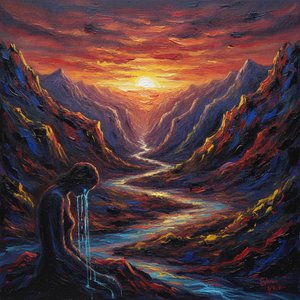
Capturing Emotion: A Journey Through the Soul of Expressionist Landscapes
Explore the profound emotional depth of Expressionist landscapes. Discover how Post-Impressionist masters moved beyond light to capture the soul through vibrant color and form. A curated journey for true art lovers seeking the beauty of expressive mastery.
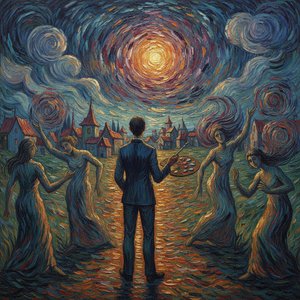
Beyond the Light: Capturing Emotion Through the Expressive Soul of Post-Impressionism
Explore the profound emotional depth of Post-Impressionism. Discover how masters like Van Gogh and Cézanne moved beyond light to capture raw feeling through color and texture. A journey into art history for the true connoisseur.