


 Pregledaj u prostoru
 Podeli
 Podeli
 Detalji
 Vodič
Vodič

 Preuzmi sliku
 Slični predmeti
 Rendgenski snimak
 Automatska prezentacija
 Statistika
The Spanish Gypsy


Robert Henri's "The Spanish Gypsy" captures a Roma woman’s defiant spirit with striking realism. Explore the painting's story, inspired by Henri's time in Madrid and his empathy for marginalized communities.
 Pročitaj više
Robert Henri (1865-1929) je bio ključna figura pokreta Aškan škola, zagovornik američkog realizma koji je iskreno prikazivao svakodnevni život. Uticao na umetnike poput Edwarda Hoppera i predstavljao prelomnu tačku u istoriji američke umetnosti.
Giclee štampa / Umetnički otisak
Giclée štampa ili print na platnu muzejskog kvaliteta uz brzu izradu i raznovrsne opcije završne obrade. ( Naručite ručno oslikano reprodukciju Pređi na prodaju digitalnih slika)




P118B дин10

P118H дин10

P118W дин10

P438Z дин10

P508JH дин12

P508YH дин12

P805H дин10

P805Z дин10

P919BZ дин10

P919G дин10

P919XJ дин10

P959ZH дин10

P968JZ дин12

W106C дин8

W218G дин10

W218JH дин8

W218Y дин10

W307PJ дин10

W316G дин10

W316PJ дин8

W316Y дин10

W398PJ дин8

W4111J дин10

W500HY дин15

W500JH дин15

W692G дин12

W849H дин8

W940BG дин15

W953PJ дин8




Standardne dimenzije
po meri
CM
INCH
Izaberite jednu od naših unapred definisanih veličina koje odgovaraju originalnim proporcijama umetničkog dela.
Loading sizes...

širina
visina
Možete uneti sopstvene dimenzije kako biste umetničko delo prilagodili specifičnom okviru ili prostoru. Ako odabrani format ne odgovara proporcijama originalne slike, mi ćemo ili iscrtati deo dela ili proširiti sliku pomoću ogledane ivice ili jednobojnog popunjavanja. Digitalni prikaz će vam biti poslat na odobrenje pre početka proizvodnje.
Imajte na umu da pregled na ekranu ne odražava stvarno iscrtavanje ili proširivanje. Samo će prikaz (mockup) precizno pokazati finalnu kompoziciju.
Iako su prilagođene dimenzije dostupne, preporučujemo da odaberete dimenziju sa unapred definisane liste kako biste očuvali originalne proporcije.
Dostava širom sveta () za 2 nedelje umesto uobičajenih 4/5 nedelja. (10 октобар)

Besplatna ekspresna dostava širom sveta

Visokokvalitetno laneno platno

Sveobuhvatno osiguranje transporta

Garancija povraćaja carine i uvoznih dažbina

Garancija vernosti boja i autentičnosti pri reprodukciji

Politika povraćaja u roku od 100 dana (samo u slučaju nedostataka)

Garancija povrata 100% novca

Popust pri većoj količini
 Opcija sa staklom dostupna je samo za dimenzije manje od 110 cm

The Spanish Gypsy
Giclee štampa / Umetnički otisak
Veličina reprodukcije
-


Ukupna cena
дин 6975
A Glimpse into the Soul: Robert Henri’s “The Spanish Gypsy”
Robert Henri's "The Spanish Gypsy," painted in 1912, isn’t merely a portrait; it’s a carefully constructed tableau of observation and empathy. This arresting image captures a young woman from Madrid’s Roma community, a figure rendered with an uncommon directness that speaks volumes about Henri’s commitment to American Realism – a movement he championed as a rejection of academic art's idealized forms. The painting immediately draws the viewer in, not through grand gestures or dramatic lighting, but through the quiet intensity of her gaze and the subtle details of her attire. Henri wasn’t interested in romanticizing poverty or exoticizing the Roma; instead, he sought to present her as a fully realized human being, imbued with dignity and an unspoken story.
The Ashcan School and the Champion of the Marginalized
To understand “The Spanish Gypsy,” one must appreciate Robert Henri’s place within the Ashcan School. Emerging in New York City around 1908, this group of artists – including George Bellows, John Sloan, and Charles Demuth – deliberately rejected the polished surfaces and historical subjects favored by the established art world. They sought to depict everyday life, particularly the lives of working-class Americans and marginalized communities. Henri’s early life, marked by instability and a deliberate severance from his past identity as Robert Cozad, profoundly shaped this perspective. His experiences instilled within him a deep understanding of displacement and resilience – qualities he powerfully conveyed through his art. The painting reflects this ethos; it's not about judging or presenting the Roma as ‘other,’ but rather offering a respectful and intimate portrayal of a woman living on the fringes of society.
Henri’s decision to paint in Madrid during the summer of 1912 was deliberate. He sought out this community, recognizing their inherent dignity and strength. He famously described her as entering his studio “with austere defiance,” suggesting a quiet resistance to being objectified or reduced to a stereotype. This encounter highlights Henri's belief that genuine art arises from direct observation and an honest engagement with the subject matter.
Decoding Symbolism: Color, Gesture, and Narrative
The painting’s composition is deceptively simple yet remarkably effective. The woman sits in a plain chair – a symbol of her relative lack of privilege, but also of quiet strength. Her pink dress, though modest, possesses a vibrant hue that draws the eye and hints at an underlying vitality. Henri's masterful use of oil paint creates a rich texture and depth, particularly evident in the folds of her clothing and the subtle variations in skin tone. The background is deliberately muted, drawing attention to the subject’s face – a focal point where Henri captures a complex range of emotions: curiosity, perhaps a hint of sadness, and an undeniable sense of self-possession.
The presence of the two other figures—a man standing behind her and another further back—adds layers of narrative ambiguity. Are they guardians, observers, or simply part of her world? Henri leaves these details intentionally vague, inviting the viewer to project their own interpretations onto the scene. The chair itself is a key element; it’s not an ornate piece of furniture but a functional object, grounding the figure in reality and emphasizing her connection to everyday life.
A Legacy of Honest Representation
“The Spanish Gypsy” remains a powerful testament to Robert Henri's artistic vision. It’s a painting that transcends its subject matter to offer a profound meditation on identity, resilience, and the dignity of ordinary people. Henri’s commitment to portraying his subjects with honesty and empathy paved the way for future generations of American artists who sought to capture the complexities of modern life. Today, reproductions of this iconic work continue to resonate with viewers, reminding us of the importance of looking beyond superficial appearances and recognizing the humanity in all individuals.
Pitanja i odgovori
Koja je preporučena veličina štampe za „The Spanish Gypsy”, Robert Henri?
Preporučena veličina štampe za „The Spanish Gypsy”, Robert Henri je Medium.
Gde mogu da kupim digitalnu sliku dela „The Spanish Gypsy”, Robert Henri?
"The Spanish Gypsy" je dostupan kao preuzimanje digitalne slike visoke rezolucije, uz direktnu kupovinu na ova stranica.
Gde se danas može videti delo „The Spanish Gypsy”, Robert Henri?
Delo „The Spanish Gypsy”, Robert Henri je izloženo u muzeju Metropolitan Museum of Art, New York, United States of America. Navod o muzeju odnosi se na originalno delo, a ne na reprodukcije.
Koliko je godina imao/la Robert Henri kada je kreirao/la "The Spanish Gypsy" 1912. godine?
Kada je delo "The Spanish Gypsy" nastalo 1912. godine, Robert Henri – rođen/a 1865. godine – imao/la je 47 godina.
Koji je datum nastanka dela „The Spanish Gypsy”, Robert Henri?
„The Spanish Gypsy“ potiče iz 1912. Ovaj datum smešta delo u okviru karijere umetnika Robert Henri i njegove ere.
U kom delu doma bi se reprodukcija dela "The Spanish Gypsy" lepo uklopila?
Reprodukcija dela "The Spanish Gypsy" odlično se uklapa u Living Room.
Koji umetnik se pripisuje delu "The Spanish Gypsy"?
Delo "The Spanish Gypsy" pripisuje se umetniku Robert Henri.


Biografija umetnika
Turbulentno Početak: Rani Život Roberta Henrija
Robert Henri, rođen kao Robert Henry Cozad u Cincinnatiju, Ohajo, 1865. godine, od samog početka je nosio u sebi osećaj pomeranja i ponovnog izuma koji će duboko oblikovati njegov život i umetnost. Njegovo detinjstvo nije bilo idilično; zasenjeno burnim odnosom između oca, Džona Džeksona Cozada – čoveka ambicija i rizika kao kockara i nekretninskog developera – i majke, Tereze Gatewood Cozad. Ova nestabilnost kulminirala je dramatičnim događajem 1882. godine: fatalnim pucanjem zbog spora oko zemljišta koje je nateralo porodicu da pobegne, usvajajući nove identitete kako bi izbegla osvetu. Mladi Robert postao je Robert Henri, namerno prekidanje sa prošlošću opterećenom sukobima i simboličko ponovno rođenje kao umetnik. Putovanje na zapad kroz Nebrasku i Kolorado, kulminirajući naseljavanjem u Njujorku, a zatim Atlantik Sitiju, usađuje mu duboko saučešće za one koji žive na marginama društva – empatiju koja će postati definisajuća karakteristika njegovog umetničkog viđenja. Ovo rano iskustvo previranja i ponovnog izuma podstaklo je duh nezavisnosti i posvećenost prikazivanju života kakav zaista jeste, nevezan konvencijama ili društvenim očekivanjima.
Kovanje Novog Viđenja: Umetnički Razvoj i Uticaji
Henrijevo formalno umetničko obrazovanje započelo je na Akademiji lepih umetnosti u Filadelfiji pod vođstvom Tomasa Anšuca, gde je usavršavao svoje tehničke veštine. Međutim, tek je njegovo naknadno putovanje u Pariz 1888. godine zaista potpalilo njegov umetnički probud. U početku privučen akademskom tradicijom na Académie Julian i pod uticajem majstora poput Vilijama-Adolfa Bugeroa i Fransoa Milea, Henri je postepeno gravitirao ka impresionizmu. Ipak, nije bio zadovoljan samo replikacijom onoga što je video; tražio je dublji angažman sa stvarnošću – način da uhvati ne samo prolazne efekte svetlosti, već i sirove emocije i vitalnost modernog života. Ova potraga ga je navela da prihvati hrabriji, direktniji pristup, pod uticajem holandskog realizma Franza Halsa, čiji labavi potezi kistom i psihološki uvid duboko rezoniraju sa Henrijovim sopstvenim umetničkim senzibilitetima. Počeo je da eksperimentiše sa *pochadama*, malim drvenim panelima korišćenim za brze skice, podstičući spontanost i neposrednost u svom radu. Vrativši se u Ameriku, postao je posvećeni učitelj, predajući ne samo tehniku, već i filozofiju umetnosti zasnovanu na posmatranju, iskrenosti i individualnom izrazu.
Branjenje Realnog: Škola Eškena i “Osam”
Uticaj Roberta Henrija na američku umetnost protezao se daleko van njegovih sopstvenih platna; postao je katalizator promena, osporavajući konzervativne norme uspostavljenog umetničkog sveta. Bio je centralna figura u nastanku Škole Eškena – grupe umetnika koji su se usudili da prikažu grubu stvarnost urbanog života, od užurbanih gradskih ulica do prenatrpanih stambenih zgrada. Henrijeva posvećenost realizmu i odbijanje akademske pretencioznosti navelo ga je da organizuje “Osam” 1908. godine – kolektiv istomišljenika uključujući Vilijama Glakensa, Džordža Luksa, Evereta Šina i Džona Sloana – koji su organizovali nezavisnu izložbu kao direktan protest protiv restriktivnih politika Nacionalne akademije dizajna. Ovaj čin prkosa bio je prekretnica u istoriji američke umetnosti, signalizirajući pomak od evropske dominacije ka jedinstvenom američkom umetničkom glasu. Henrijevi portreti iz tog perioda, kao što su “Žena u mantou” (1899) i evocativni portreti, uhvatili su dostojanstvo i otpornost običnih ljudi, nudeći moćan kontrast idealizovanim predstavama koje su favorizovali establišment.
Nasleđe i Trajni Uticaj
Uticaj Roberta Henrija na sledeće generacije američkih umetnika je nemerljiv. Kao učitelj, mentorisao je izvanredan niz talenata, uključujući Jozefa Stelu, Edvarda Hopera, Rokvela Kenta, Džordža Belosa, Normana Rabena, Luja D. Fančera i Stjuarta Devisa – umetnike koji su oblikovali tok umetnosti 20. veka. Njegova knjiga, *The Art Spirit*, objavljena posthumno 1923. godine, ostaje seminalni tekst za aspirativne umetnike, nudeći vanvremensku mudrost o posmatranju, tehnici i važnosti umetničkog integriteta. Henrijeva posvećenost prikazivanju života sa iskrenošću i empatijom, odbijanje konvencija i nepokolebljiva vera u moć umetnosti da se poveže sa publikom nastavljaju da inspirišu umetnike danas. Njegovi portreti nisu samo reprezentacije stvarnosti; oni su prozori u ljudsko stanje – svedočenja o lepoti, borbi i otpornosti duha čoveka. Ostavio je neizbrisiv trag na američkom realizmu, utirući put demokratičnijem i inkluzivnijem umetničkom svetu koji slavi svakodnevno iskustvo običnih ljudi. Njegovo nasleđe traje ne samo kroz njegova sopstvena majstorstva dela, već i kroz bezbroj umetnika koje je inspirisao da pronađu svoje glasove i ispričaju svoje priče.

Robert Henri
1865 - 1929 , Сједињене Америчке Државе
Brzi pregled
- Artistic Movement Or Style: Aškan škola, Realizam
- Artists Or Movements Influenced By This Artist:
- Edward Hopper
- The Eight
- Artists Who Influenced This Artist:
- William Bouguereau
- Francois Millet
- Date Of Birth: 24. jun 1865.
- Date Of Death: 12. jul 1929.
- Full Name: Robert Henri
- Nationality: Amerikanac
- Notable Artworks (List Of Titles):
- Žena u mantou
- La Neige
- O in Black
- Place Of Birth (City And Country): Cincinnati, SAD
Srodni članci
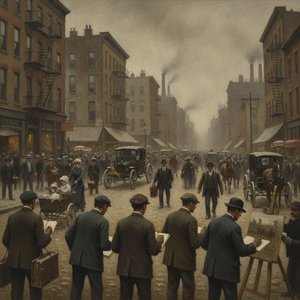
The Ashcan School: Capturing the Raw, Unfiltered Soul of Urban Life through American Realism
Discover the raw beauty of the Ashcan School. Explore how masters like Bellows and Henri captured the gritty, vibrant soul of early 20th-century New York through profound American Realism and evocative urban landscapes.

Capturing the Grey Light: A Journey Through the Soulful Atmosphere of the Hague School
Explore the evocative beauty of the Hague School. Discover how Dutch masters captured the soulful 'grey light' through atmospheric realism and tonalism, paving the way for Impressionism. A deep dive into the misty landscapes and emotional depth of this legendary art movement.

The Raw Truth: A Definitive Guide to the Power and Legacy of Social Realism Art
Explore the profound impact of Social Realism. Discover how masters like Courbet rejected idealism to capture the raw, socio-political truths of the working class through powerful, unvarnished art history and enduring visual critique.

The Unvarnished Truth: A Cultural Journey Through the Soul of American Realism
Explore the profound beauty of American Realism. From the Ashcan School's urban grit to intimate portraits, discover how artists captured the authentic soul of a nation through unvarnished truth and masterful observation.