

 Pregledaj u prostoru
 Podeli
 Podeli
 Detalji
 Vodič
Vodič

 Preuzmi sliku
 Slični predmeti
 Rendgenski snimak
 Automatska prezentacija
 Statistika
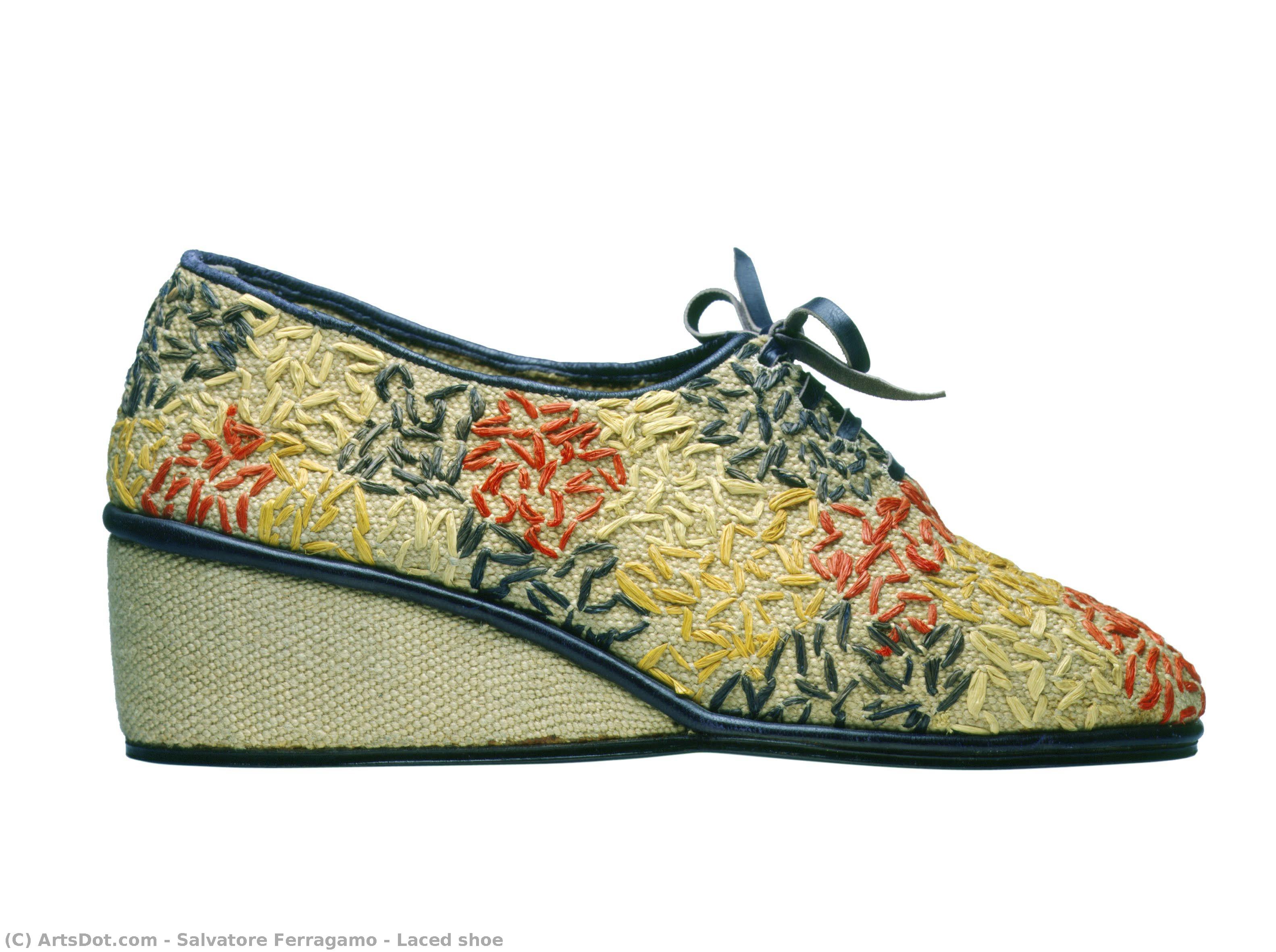
Laced shoe


A captivating painting of Salvatore Ferragamo’s ‘Laced Shoe,’ a vintage 1940s design featuring black suede, vibrant colors, and intricate details – a timeless piece of fashion history.
 Pročitaj više
Otkrijte Salvatore Ferragamo (1898-1960), italijanskog dizajnera obuće poznatog po inovacijama, skulpturalnim dizajnima i holivudskom glamuru. Istražite njegovo nasleđe i kultna stvaralašta dela.
Umetničko delo prikazano na ovoj stranici zaštićeno je autorskim pravima, što znači da zakonski nismo u mogućnosti da kreiramo niti prodajemo identičnu reprodukciju. Ova zaštita se sprovodi u skladu sa međunarodnim sporazumima kao što su Bernska konvencija i nacionalnim zakonima, uključujući i one koji su definisani u Američki zakon o autorskom pravu – Naslov 17.
Ovaj metod je u potpunosti usklađen sa regulativama o autorskim pravima jer ne podrazumeva kopiranje ili dupliranje zaštićenih umetničkih dela. Umesto toga, reč je o kreativnoj reinterpretaciji – novom slikarskom delu koje je inspirisano originalom, ali nije identično njemu.
Giclee štampa / Umetnički otisak
Giclée štampa ili print na platnu muzejskog kvaliteta uz brzu izradu i raznovrsne opcije završne obrade. ( Naručite ručno oslikano reprodukciju Pređi na prodaju digitalnih slika)




P118B дин10

P118H дин10

P118W дин10

P438Z дин10

P508JH дин12

P508YH дин12

P805H дин10

P805Z дин10

P919BZ дин10

P919G дин10

P919XJ дин10

P959ZH дин10

P968JZ дин12

W106C дин8

W218G дин10

W218JH дин8

W218Y дин10

W307PJ дин10

W316G дин10

W316PJ дин8

W316Y дин10

W398PJ дин8

W4111J дин10

W500HY дин15

W500JH дин15

W692G дин12

W849H дин8

W940BG дин15

W953PJ дин8




Standardne dimenzije
po meri
CM
INCH
Izaberite jednu od naših unapred definisanih veličina koje odgovaraju originalnim proporcijama umetničkog dela.
Loading sizes...

širina
visina
Unesite širinu i visinu koja vam je potrebna, kako bi se uklopili u vaš ram ili na vaš zid. Štampa se može samo iseći, nikada ne može biti veća od originalne slike, stoga format sa drugačijim proporcijama gubi deo slike. Poslaćemo vam digitalni prikaz radi potvrde pre nego što započnemo štampu. Slika prikazana na ovoj stranici ne pokazuje stvarni rez — to pokazuje samo digitalni prikaz.
Dostava širom sveta () za 2 nedelje umesto uobičajenih 4/5 nedelja. (25 октобар)

Besplatna ekspresna dostava širom sveta

Visokokvalitetno laneno platno

Sveobuhvatno osiguranje transporta

Garancija povraćaja carine i uvoznih dažbina

Garancija vernosti boja i autentičnosti pri reprodukciji

Politika povraćaja u roku od 100 dana (samo u slučaju nedostataka)

Garancija povrata 100% novca

Popust pri većoj količini
 Opcija sa staklom dostupna je samo za dimenzije manje od 110 cm

Laced shoe
Giclee štampa / Umetnički otisak
Veličina reprodukcije
-


Ukupna cena
дин 7114
A Glimpse of Hollywood Glamour: Salvatore Ferragamo’s “Laced Shoe”
Salvatore Ferragamo's "Laced Shoe," a captivating painting housed within the intimate confines of the Salvatore Ferragamo Museum in Florence, Italy, isn’t merely a depiction of footwear; it’s a portal into an era defined by audacious style and unparalleled craftsmanship. Created around 1940, during the height of his international acclaim, this work embodies the Italian designer's signature blend of artistic vision and meticulous attention to detail – a combination that would forever elevate shoemaking beyond a functional necessity and transform it into wearable art.
The painting itself is deceptively simple in its composition. A single, elegant shoe dominates the canvas, rendered in a rich palette of black leather accented by vibrant yellow and red laces. The heel, a sturdy wedge shape characteristic of the period, hints at both stability and a subtle defiance of convention. Yet, it’s not the technical precision that immediately commands attention; rather, it's the palpable sense of movement and energy emanating from the piece. The laces, meticulously depicted with a slight curl and tension, suggest a dynamic quality – as if the shoe is poised to take flight, embodying the spirit of Hollywood glamour and the adventurous spirit of the 1940s.
The Man Behind the Shoe: Salvatore Ferragamo’s Legacy
Understanding “Laced Shoe” requires appreciating the extraordinary journey of its creator. Born in Bonito, Italy, in 1898, Salvatore Ferragamo's early life was far removed from the Parisian ateliers and Hollywood premieres that would become synonymous with his name. His upbringing amidst rural poverty instilled a profound respect for craftsmanship and an unwavering determination to master his chosen trade – shoemaking. Initially discouraged by his father’s skepticism regarding the profession’s social standing, young Salvatore persevered, honing his skills through countless hours of observation and practice.
This early dedication laid the foundation for a career that would revolutionize the world of footwear. Ferragamo's innovative designs quickly gained recognition in America during the 1930s, fueled by his collaborations with Hollywood stars like Judy Garland and Greta Garbo. He wasn’t simply creating shoes; he was crafting experiences – sculpting footwear to perfectly complement the movements and aspirations of his clientele. The “Laced Shoe” exemplifies this philosophy, capturing a moment of poised elegance and hinting at the transformative power of well-made clothing.
A Symbol of Innovation and Artistic Expression
Beyond its aesthetic appeal, "Laced Shoe" represents a pivotal shift in the perception of shoemaking. Ferragamo’s approach was fundamentally artistic – he viewed shoes as three-dimensional sculptures, meticulously shaping them to enhance both form and function. The use of vibrant colors, particularly the bold yellow and red laces, is deliberate, injecting a sense of playfulness and individuality into an otherwise traditionally understated subject. This wasn't merely about creating a comfortable shoe; it was about expressing a unique artistic vision.
Furthermore, the painting’s creation coincided with a period of significant technological advancement in shoemaking. Ferragamo embraced new materials and techniques, experimenting with innovative construction methods to achieve unprecedented levels of comfort and durability. The prototype for this particular design, created in 1938, demonstrates his commitment to pushing boundaries and challenging conventional notions of footwear design – a spirit that continues to resonate within the brand today.
The Enduring Appeal: Reproduction and Inspiration
Today, “Laced Shoe” remains a treasured artifact within the Salvatore Ferragamo Museum, offering a tangible connection to the designer’s remarkable legacy. The painting's influence extends far beyond Florence, inspiring contemporary designers and collectors alike. High-quality reproductions capture the essence of this iconic work, allowing art enthusiasts to experience its beauty and artistry in their own homes. The enduring appeal lies not only in its exquisite craftsmanship but also in its timeless representation of style, innovation, and the transformative power of a single pair of shoes.
Pitanja i odgovori
Gde se "Laced shoe" nalazi u okviru opusa umetnika Salvatore Feragamo?
„Laced shoe“ deli sa ostalim delima umetnika Salvatore Feragamo svoj Salvatore Ferragamo Style stil i prepoznatljive teme: hollywood glamour, italian design, luxury footwear, sculptural form, iconic style.
Koje boje dominiraju u delu „Laced shoe”, Salvatore Feragamo?
„Laced shoe“ definiše Pastels paleta kojoj dominira White (#fefefe).
U kojoj godini je nastalo delo „Laced shoe”, Salvatore Feragamo?
Datum nastanka dela „Laced shoe”, Salvatore Feragamo je 1940.
Biografija umetnika
Nasleđe iskovano u koži: Život i vizija Salvatorea Ferragama
Salvatore Ferragamo, ime koje je postalo sinonim za eleganciju, inovaciju i zlatno doba holivudskog glamura, rođen je u skromnim okolnostima 1898. godine u Bonitu, u Italiji. Daleko od blistivog sveta koji će kasnije definisati, rano detinjstvo mladog Salvatorea bilo je prožeto ruralnom jednostavnošću, ali upravo je tu započelo njegovo izvanredno putovanje. Kao jedanaesto od četrnaestoro dece, pokazivao je urođenu fascinaciju izradom obuće, provodeći nebrojene sate posmatraacije lokalnog obućara – zanata koji je u početku nije ohrabrio njegov otac, smatrajući ga profesijom niskog društvenog statusa. Ipak, strast mladog Salvatorea se pokazala nepokolebljivom; sa svega devet godina, izradio je svoj prvi par cipela za prvu pričest svoje sestre, što je bilo svedočanstvo njegovog buđenja talenta i odlučnosti. Taj čin nije bio samo stvaranje obuće; to je bilo kovanje sudbine. To je označilo rođenje umetničke vizije koja će preoblikovati pejzaž mode.Od Bostona do Holivuda: Transatlantski uspon
Vođen ambicijom, Ferragamo je emigrirao u Ameriku 1915. godine, pridruživši se braći u Bostonu pre nego što je na kraju gravitirao ka rastućoj filmskoj industriji Kalifornije. Ovaj potez se pokazao presudnim. Prvobitno je otvorio radionicu za popravku, ali je brzo prepoznao neispunjenu potrebu za vrhunski izrađenom obućom prilagođenom zahtevima srebrnog platna. Holivudske zvezde – Lillian Gish, Mary Pickford i ubrzo mnoge druge – postale su njegova odana klijentela. Ferragamo nije samo pravio cipele; on je stvarao iluzije, unapređujući filmske persone koje su očaravale naciju. Razumeo je moć vizuelnog pripovedanja i način na koji obuća može doprineti narativu lika. To razumevanje ga je navelo da studira anatomiju na Univerzitetu Južne Kalifornije, verujući da istinski komfor i elegancija proizlaze iz dubokog razumevanja strukture stopala. Njegova inovativna upotreba čeličnih lukova za podršku svodu revolucionarisala je konstrukciju obuće, dajući prioritet kako estetici, tako i dobrobiti – što je postalo zaštitni znak njegove dizajnerske filozofije.Trajni utisak: Nasleđe i uticaj
Uticaj Salvatorea Ferragama proteže se daleko izvan okvira obuće. Osnivao je Salvatore Ferragamo S.p.A., imperiju luksuzne robe koja i danas uspešno posluje sa stotinama butika širom sveta. Iako je slavljen zbog svojih dizajna za holivudske ikone poput Marilyn Monroe – za koju je kreirao njenu prepoznatljivu štiklu (stiletto) – i Audrey Hepburn, njegov uticaj odjekuje u savremenoj modi. Njegova posvećenost anatomskom komforu, inovativnim materijalima i skulpturalnim oblicima otvorila je put generacijama dizajnera. Muzej Ferragamo u Firenci služi kao živi spomenik njegovom nasleđu, prikazujući ne samo njegove revolucionarne dizajne obuće, već i šire umetničke interese, uključujući kolekcije poput La Collezione Bonello (Malta) i kolekciju Palumbo-Fossati (Venecija). Njegov rad prevazilazi običnu modu; to je slavljenje umetništva, inovacije i neprolazne moći italijanskog zanatstva. Iako je preminuo 1960. godine, duh Salvatorea Ferragama nastavlja da inspiriše, podsećajući nas da istinski stil ne leži samo u onome što nosimo, već u priči koju taj odeća priča.Značajna dela i kolekcije
- Pollicino: Vibrantna Pop Art skulptura cipele koja prikazuje jarke boje i razigran dizajn.
- Sandal (1952): Ikoničan primer luksuznog zanata i geometrijskog dizajna, koji otelotvoruje eleganciju tog doba.
- Prototipo di sandalo (1938): Zadivljujuća antika obuća koja demonstrira zamršenu vez i vrhunsku zanatsku veštinu.
- La Collezione Bonello (Malta): Kurirana kolekcija koja sadrži dela majstora kao što su Caravaggio i Alberto Morrocco, odražavajući Ferragamovo poštovanje prema visokoj umetnosti.
- Kolekcija Palumbo-Fossati (Venecija, Italija): Renomirani skup evropskih slika koji obuhvata vekove, ističući šire kulturne interese Salvatorea Ferragama.

Salvatore Feragamo
1898 - 1960 , Italija
Brzi pregled
- Artistic Movement Or Style: Modni dizajn
- Artists Or Movements Influenced By This Artist: Dizajneri obuće
- Date Of Birth: 5. jun 1898.
- Date Of Death: 7. avgust 1960.
- Full Name: Salvatore Ferragamo
- Nationality: Italijan
- Notable Artworks:
- Pollicino
- Sandala
- Prototipo di sandalo.
- Place Of Birth: Bonito, Italija
Srodni članci

The Lens of Luxury: A Visual Journey Through the Evolution and Artistry of Fashion Photography
Embark on a visual journey through the evolution of fashion photography. Discover how masters like Gianfranco Ferré blended geometry, surrealism, and texture to redefine high-fashion art for collectors and connoisseurs of luxury imagery.

Draped Narratives: Fashion as Symbol & Subject in Historical Art
Explore the fascinating history of fashion as a symbol of power & status in art! Discover masterpieces from Gainsborough to Tissot and learn how clothing shaped societal narratives. Find museum-quality reproductions at TopImpressionists.

Mars Black Masterpieces: 10 Iconic Paintings & Timeless Art Decor Ideas
Delve into the power of 'Mars Black' with 10 iconic paintings by masters like Rembrandt & Caravaggio. Explore dramatic chiaroscuro, gothic art, and timeless beauty. Find museum-quality reproductions & elevate your home decor on .

Dark Masterpieces: 10 Iconic Paintings Dominated by Black Tones |
Explore 10 iconic paintings dominated by black tones, from Rembrandt’s chiaroscuro to Goya's dark expressions. Discover the stories behind these masterpieces & find museum-quality art reproductions for your home at .

Gianfranco Ferré: Deconstructing Haute Couture – A Legacy of Architectural Form
Explore the revolutionary world of Gianfranco Ferré, 'the architect of fashion.' Discover his architectural approach to haute couture, iconic Dior designs, and lasting influence on luxury style. A deep dive for collectors & enthusiasts.
Istražite umetnička dela organizovana prema temama, stilovima i karakteristikama.
