


 Pregledaj u prostoru
 Pošalji
 Podeli
 Detalji o delu
 Vodič
Vodič

 Preuzmi
 Slični predmeti
 Rendgenski snimak
 Automatska prezentacija
 Statistika
Grass and Insects


Discover 'Grass and Insects,' a stunning painting by Shin Saimdang (1504-1551). This Joseon Dynasty masterpiece showcases vibrant flora & fauna, reflecting Korean art's beauty & cultural heritage.
 Pročitaj više
Otkrijte Šin Sajmdang (1504–1551), pionirku korejske umetnosti dinastije Džoson. Istražite njene izvrsne slike prirode, kaligrafiju i poeziju – nasleđe lepote i mudrosti.
Ručno rađena uljana reprodukcija
Ručno oslikano uljanim bojama na platnu u dimenzijama i okviru po vašem izboru, izrađeno po porudžbini od strane naših umetnika. ( Pređi na štampu Pređi na digitalnu sliku)




P118B дин10

P118H дин10

P118W дин10

P438Z дин10

P508JH дин12

P508YH дин12

P805H дин10

P805Z дин10

P919BZ дин10

P919G дин10

P919XJ дин10

P959ZH дин10

P968JZ дин12

W106C дин8

W218G дин10

W218JH дин8

W218Y дин10

W307PJ дин10

W316G дин10

W316PJ дин8

W316Y дин10

W398PJ дин8

W4111J дин10

W500HY дин15

W500JH дин15

W692G дин12

W849H дин8

W940BG дин15

W953PJ дин8




Standardne dimenzije
po meri
CM
INCH
Izaberite jednu od naših unapred definisanih veličina koje odgovaraju originalnim proporcijama umetničkog dela.
Loading sizes...

širina
visina
Unesite potrebnu širinu i visinu kako bi se slika uklopila u vaš ram ili zid. Pošto je ovo ručno oslikano delo, umetnik može za dimenzije drugačijeg oblika naslikati malo više prostora oko slike ili malo skratiti ivice — izbor je na vama. Pre početka rada, poslaćemo vam digitalni prikaz radi potvrde. Slika prikazana na ovoj stranici ne predstavlja konačan rezultat — samo digitalni prikaz pokazuje stvarnu sliku.
Primeri mogućih izmena: Zamena lica fotografijom kupca; Dodavanje ljubimca (npr. zamena mačke psom); Uključivanje skrivene poruke u pozadini; Promena pejzaža ili elemenata pozadine.
Nakon narudžbine, tim TopImpressionists.com će klijentu putem e-pošte poslati uputstva i dostaviti prikaz predloženog rešenja
Nakon narudžbine, tim TopImpressionists.com će klijentu putem e-pošte poslati uputstva i dostaviti prikaz predloženog rešenja
Svetska isporuka () za 3/4 nedelje umesto uobičajenih 5 nedelja. (28 октобар). Bez kompromisa po pitanju kvaliteta.

Besplatna ekspresna dostava širom sveta

Visokokvalitetno laneno platno

Potpuno osiguranje transporta

Garancija povraćaja carine i uvoznih dažbina

Garancija vernosti boja

Politika povraćaja u roku od 100 dana (samo u slučaju nedostataka)

Garancija povrata 100% novca

Popust na više proizvoda
 Opcija sa staklom dostupna je samo za dimenzije manje od 110 cm

Grass and Insects
Tehnika reprodukcije
Dimenzije reprodukcije
-


Ukupna cena
дин 27865
Shin Saimdang’s “Grass and Insects”: A Window into Joseon Life
“Grass and Insects,” a captivating panel from Shin Saimdang’s renowned ten-panel folding screen, offers a remarkably intimate glimpse into the world of 16th-century Korea. More than just a beautiful depiction of nature, this artwork embodies the artistic sensibilities, philosophical leanings, and profound life experiences of one of Joseon Dynasty's most celebrated female figures – Shin Saimdang herself. The piece, currently housed within the National Museum of Korea in Seoul, is not merely a painting; it’s a carefully constructed microcosm reflecting her world, her values, and her enduring legacy.
At first glance, “Grass and Insects” presents a vibrant tapestry of meticulously rendered flora and fauna. Delicate grasses sway gently, interspersed with the intricate details of wildflowers – poppies bursting with crimson, hibiscus radiating warmth, and day lilies unfolding their pristine petals. Beneath this verdant canopy, a diverse array of insects buzz and crawl: long-headed grasshoppers leap, mantises stalk their prey, dung beetles diligently roll their spheres, and dragonflies shimmer in the light. However, to reduce it simply to a naturalistic study would be a profound oversight. Shin Saimdang’s genius lies not just in her technical skill but in the subtle symbolism woven throughout the composition.
The Art of Balance: Technique and Style
Executed with the characteristic grace and precision of Korean painting, “Grass and Insects” exemplifies the meticulous brushwork and vibrant color palettes favored during the Joseon period. The artist’s use of *sumi* ink on paper creates a remarkable depth and luminosity, capturing the textures of the leaves, the shimmer of the insects' wings, and the delicate veins of the flowers. The composition is carefully balanced, employing principles of asymmetry to create visual harmony. Notice how the dense clusters of grasses are counterbalanced by the more open spaces filled with wildflowers – a deliberate arrangement that mirrors the complexities of life itself.
Crucially, the painting’s style aligns closely with the *hyobokja* (harmony landscape) tradition, prevalent during Shin Saimdang's era. This approach prioritized capturing the essence of nature rather than creating an exact representation. The artist skillfully uses layering and atmospheric perspective to suggest depth and distance, drawing the viewer into this miniature world. The painting’s overall effect is one of serene beauty and quiet contemplation – a testament to Shin Saimdang’s mastery of her craft.
A Portrait of a Woman: Symbolism and Context
Beyond its aesthetic qualities, “Grass and Insects” offers invaluable insights into the life and worldview of Shin Saimdang. The inclusion of specific plants and insects carries symbolic weight, reflecting her deep understanding of Confucian philosophy and her appreciation for the natural world. Watermelons, often associated with prosperity and abundance, are prominently featured, while mice – traditionally symbols of diligence and thrift – add a touch of rustic charm. The presence of dragonflies, known for their fleeting beauty, may allude to the transient nature of life and the importance of cherishing each moment.
Furthermore, the painting’s origins as part of a ten-panel folding screen provide crucial context. These screens were traditionally used in scholarly households to display calligraphy, paintings, and poems – serving as both decorative objects and intellectual forums. The inclusion of O Sechang's critique on the tenth panel highlights the importance of artistic judgment and the role of art criticism within Joseon society. It also underscores Shin Saimdang’s position as a respected artist and intellectual figure.
A Legacy of Beauty: Emotional Resonance
“Grass and Insects” transcends its status as a mere artwork; it is a poignant reflection on life, beauty, and the enduring spirit of a remarkable woman. The painting's delicate details invite viewers to pause, observe, and contemplate the interconnectedness of all things. The vibrant colors evoke feelings of joy and tranquility, while the intricate patterns stimulate the imagination. It’s a piece that speaks to our innate appreciation for nature and our longing for harmony – qualities deeply valued by Shin Saimdang throughout her life.
Today, “Grass and Insects” stands as a powerful symbol of Korean artistic heritage and a testament to the extraordinary achievements of Shin Saimdang. Reproductions of this captivating artwork offer a beautiful way to bring a touch of Joseon elegance into any space, reminding us of the enduring power of art to inspire, uplift, and connect us to the past.
Pitanja i odgovori
Mogu li da naručim uljanu reprodukciju dela "Grass and Insects"?
„Grass and Insects“ je dostupan kao ručno oslikana uljana reprodukcija na lanenom platnu. Porudžbinu možete izvršiti na stranici Ručno oslikana reprodukcija ulja na platnu, uz mogućnost izbora veličine.
Mogu li da gledam "Grass and Insects" kao prezentaciju preko celog ekrana?
Dijaporama dela "Grass and Insects" dostupna je na stranici Galerija slika tog umetničkog dela.
Kakvu atmosferu donosi „Grass and Insects”, autor Šin Sajmdang u enterijer?
„Grass and Insects”, autor Šin Sajmdang odiše Calm atmosferom i preporučuje se za Living Room. Raspoloženje je ono što umetničko delo unosi u prostor oko sebe.
Biografija umetnika
pionirska umetnica korejske dinastije joseon
shin saimdang, višestrana umetnica iz Južne Koreje, živela je tokom perioda Joseon, ostavivši neizbrisiv trag u istoriji korejske umetnosti. Rođena 29. oktobra 1504. godine u Gangneungu, u provinciji Gangwon, ona nije bila samo slikarica, već i vrhunska spisateljica, kaligrafkinja i pesnikinja.rani život i umetnički počeci
Umetnički talenti shin saimdang bili su očigledni još od najranijeg detinjstva. Sa svega sedam godina, ona je počela da oponaša stil slikanja koji je zastupao an gyeon, još jednog istaknutog korejskog umetnika. Njen rodni dom, ojukheon, koji je ujedno i dom njene majčine porodice, do danas je očuvan kao svedočanstvo tog vremena.umetnički doprinos i stil
Delo shin saimdang, prepoznatljivo po finim potezima četkice i živopisnim bojama, deo je rasklopljivog ekrana sa deset panela. Njena remek-dela, poput dela trava i insekti, prikazuju bogat spektar motiva koji uključuju lubenice, patlidžan, makove, hibiskuse i razne insekte. Ovi živopisni prizorima se mogu pronaći u Nacionalnom muzeju Koreje (Seul, Južna Koreja), gde i danas neprestano inspirišu ljubitelje umetnosti.- pogledajte umetnička dela shin saimdang na TopImpressionists: https://TopImpressionists.com/@/shin-saimdang
- istražite kolekciju Nacionalnog muzeja Koreje: /en/art/show/national-museum-of-korea-seoul/
- saznajte više o umetničkom pokretu dinastije joseon: umetnički pokret dinastije joseon
nasleđe i uticaj
Nasleđe shin saimdang prevazilazi njena umetnička dela, jer je poznata i kao majka čuvenog yi i, renomiranog učenjaka i političara dinastije Joseon. Njen život i rad služe kao nepresušan izvor inspiracije, olikavajući samu suštinu korejske umetnosti tokom perioda Joseon. ključna umetnička dela shin saimdang:- trava i insekti (Nacionalni muzej Koreje, Seul, Južna Koreja)
- druga značajna dela koja karakterišu fini potezi četkice i jasne, jarke boje, deo rasklopivog ekrana sa deset panela.
- an gyeon, još jedan istaknuti korejski slikar ranog perioda Joseon.

Šin Sajmdang
1504 - 1551 , Južna Koreja
Osnovne informacije
- Artistic Movement Or Style: Umetnički pokret ili stil: Umetnost dinastije Joseon
- Artists Or Movements Influenced By This Artist: Umetnici ili pokreti koje je ova umetnica uticala: Umetnost dinastije Joseon
- Artists Who Influenced This Artist: Umetnici koji su uticali na ovu umetnicu: An Gyeon
- Date Of Birth: Datum rođenja: 29. oktobar 1504.
- Date Of Death: Datum smrti: 1551.
- Full Name: Puno ime: Shin Saimdang
- Nationality: Nacionalnost: Korejska
- Notable Artworks: ['Značajna dela: Trava i insekti']
- Place Of Birth: Mesto rođenja: Gangneung, Južna Koreja
Povezani članci
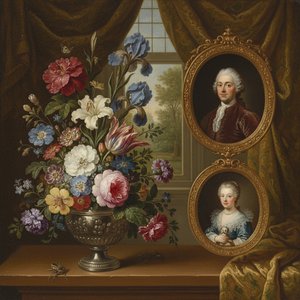
Jan van Kessel the Elder: A Baroque Master of Floral Still Life & Miniature Portraiture
Discover the exquisite detail of Jan van Kessel the Elder's Baroque floral still lifes & captivating miniatures. Explore his artistic legacy, scientific precision, and lasting influence on 17th-century Flemish painting.

Yi Eungro: Bridging East & West in the Landscape of Korean Modernism
Explore the captivating world of Yi Eungro (Lee Ungno), a pivotal figure in Korean modernism. Discover his unique fusion of Eastern and Western artistic traditions, abstract masterpieces, and lasting legacy. A must-read for discerning art collectors.